(7% discount is applied at checkout)
Cart is empty
Your go-to destination for cutting-edge server products
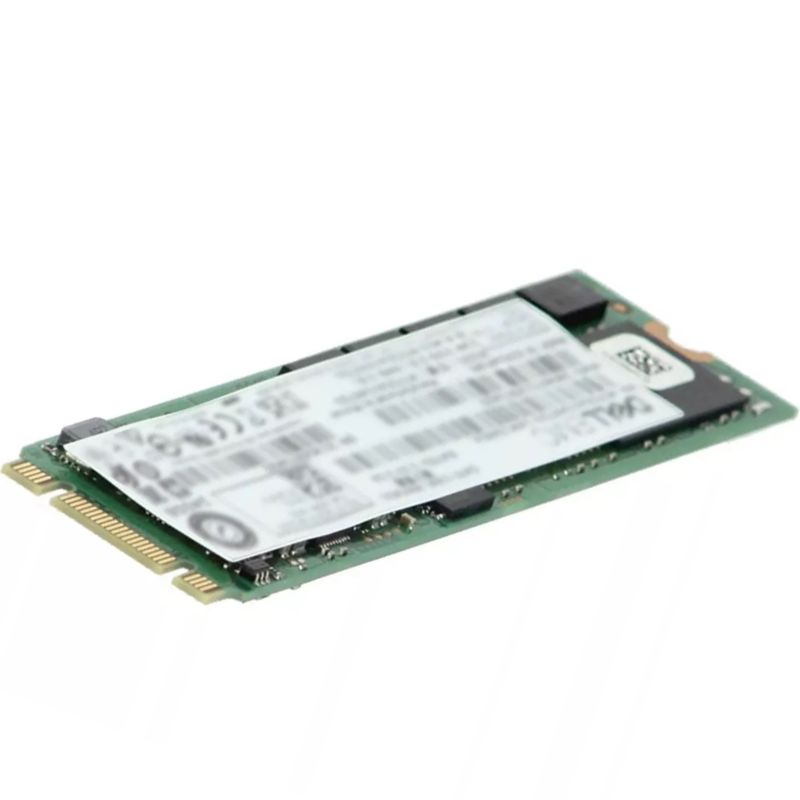


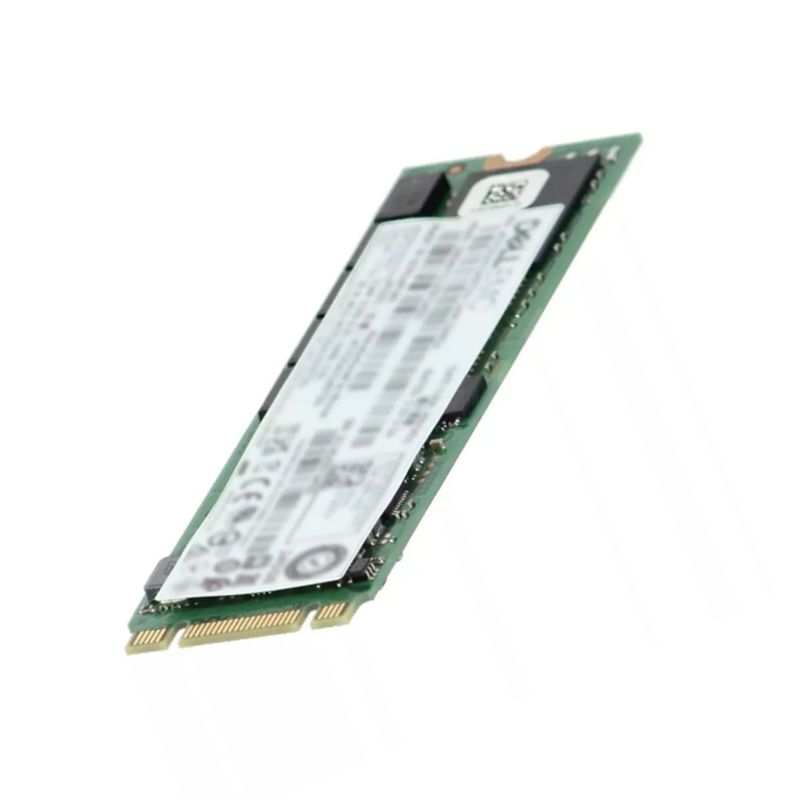
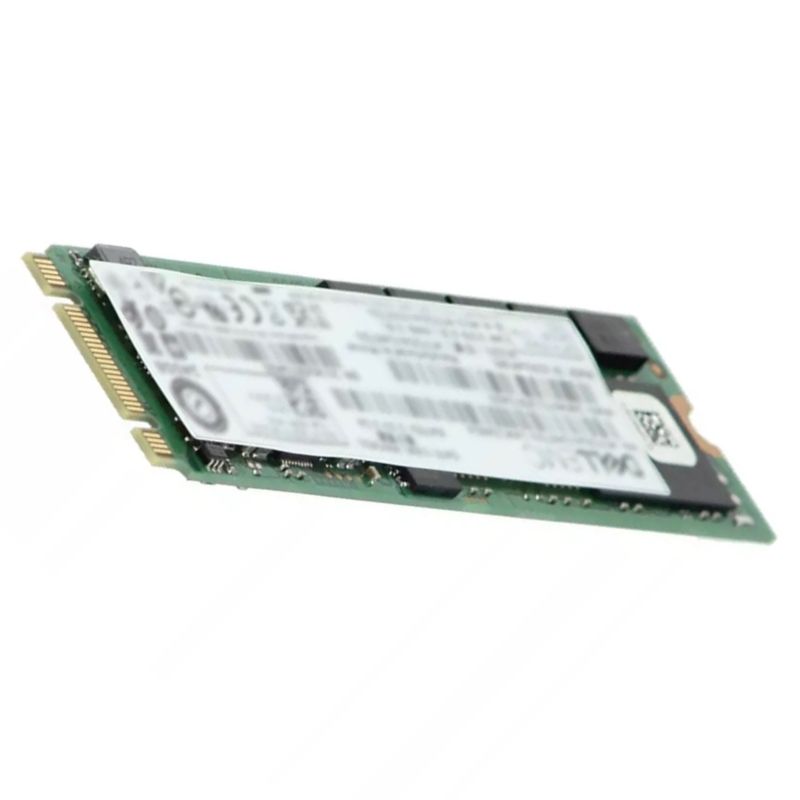
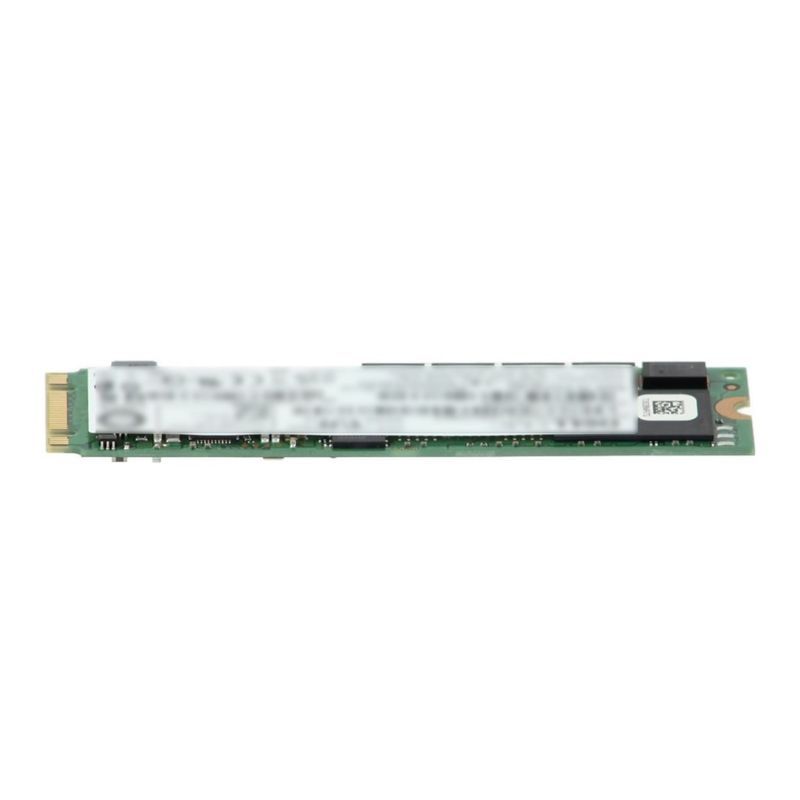
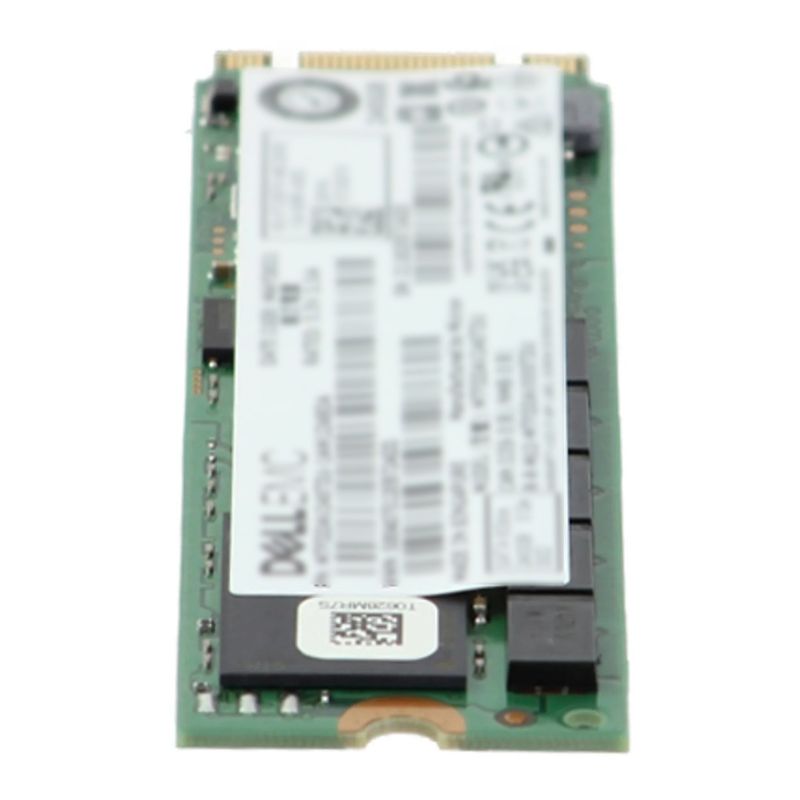
Dell 345-BLHM 480GB SATA-6GBPS M.2 Read-intensive TLC Solid State Drive. Excellent Refurbished with 1 year replacement warranty
Product Outline for the DELL 345-BLHM 480GB SSD
The DELL 345-BLHM 480GB SATA-6Gbps M.2 2280 SSD is engineered to serve as a durable, high-performance storage solution for Dell’s 14th-generation (14G) and 15th-generation (15G) PowerEdge servers, specifically optimized for Boot Optimized Storage Solution (BOSS) controller cards. With a focus on read-intensive workloads, efficient boot operations, and enterprise-level reliability, this SSD delivers significant improvements in storage responsiveness, system uptime, and long-term performance consistency. Its Triple Level Cell (TLC) 3D NAND flash memory architecture ensures optimal endurance and cost efficiency, making it ideal for server booting, hypervisor hosting, system-level logging, and stable OS performance.
Dell 345-BLHM 480GB SATA-6Gbps M.2 Read-Intensive TLC Solid State Drive (SSD) represents an enterprise-oriented category of M.2 form-factor storage engineered for high read workload reliability, low latency, and rapid system responsiveness. This category covers 480GB capacities and similar mid-range capacities suited for read-heavy server applications, boot/system acceleration, caching layers, and storage tiering in Dell PowerEdge platforms (14G/15G) and compatible M.2 slots. The drives are typically Triple-Level Cell (TLC) 3D NAND with a SATA III (6Gbps) electrical interface but offered in the M.2 2280 physical size with B+M keying for broad compatibility with many server and OEM controllers.
The M.2 2280 form factor denotes a module 22mm wide and 80mm long — the de facto standard for modern single-sided and double-sided SSDs used in servers, workstations, and high-density systems. The B+M keying offers mechanical compatibility with a variety of M.2 sockets and enables insertion into both B and M keyed sockets on server motherboards and riser cards.
Although packaged in M.2, these drives use the SATA III electrical protocol (6.0 Gbit/s) over M.2 B+M pinout. That means sequential throughput ceilings are bound by SATA III limits (roughly 550–600 MB/s sequential reads/writes in ideal conditions). For many read-intensive workloads, SATA III offers a cost-effective balance of performance, compatibility, and power consumption compared to NVMe.
TLC (Triple-Level Cell) 3D NAND stores three bits per cell, enabling higher capacities at lower cost-per-GB than SLC or MLC. All enterprise TLC SSDs in this category are tuned for read-intensive workloads: firmware algorithms, overprovisioning, and wear-leveling parameters are optimized to favor read latency stability and lower write amplification for the occasional writes typical in these deployments.
Controller choice and firmware matter significantly. Drives intended for server use include controllers that expose SMART attributes, implement power-loss protection strategies (where possible within SATA M.2 limitations), and support enterprise SMART thresholds and telemetry for integration with server management tools (iDRAC, OpenManage). Firmware tuning boosts consistent IOPS for random read operations, reduces latency spikes, and extends usable life under specified workload profiles.
The "Dell 345-BLHM" designation implies OEM qualification and compatibility with Dell PowerEdge server lines (particularly 14th and 15th generation systems). OEM firmware, qualification testing, and compatibility matrices are critical: enterprise buyers should verify the drive's compatibility list (Dell's official HCL/parts matrix) for their exact chassis and BIOS/iDRAC revision. OEM-branded SSDs often carry specific carrier firmware and certifications for RAID controllers and system management stacks.
M.2 SATA SSDs function as standard ATA devices in OS environments. Common server OS support includes RHEL, CentOS, Ubuntu Server, Windows Server (all modern versions), VMware ESXi (verify HCL), and other enterprise hypervisor distributions. When used behind RAID controllers or as boot devices, consult the controller firmware documentation; many M.2 SATA modules are intended as single-drive boot/cache devices rather than direct RAID members unless a compatible M.2-aware RAID adapter is present.
Read-intensive SSDs are tuned to prioritize low and predictable read latency, consistent random read IOPS, and high sustained read throughput. They typically achieve the most value in workloads where reads are far more frequent than writes (for example >90% read ratios). In such scenarios, controller algorithms postpone some write amplification behaviors in favor of read performance and endurance models that match expected duty cycles.
Overprovisioning is an important strategy for consistent QoS (Quality of Service). Vendors may ship drives with factory overprovisioning (e.g., additional internal spare area) or allow IT teams to set host-managed overprovisioning via partitioning. Increasing overprovisioning reduces write amplification, improves latency stability under sustained workloads, and increases effective endurance.
Endurance for read-intensive drives is specified differently than mixed-use or write-intensive classes. Typical metrics include TBW (Terabytes Written) and DWPD (Drive Writes Per Day). For a 480GB read-intensive drive, TBW numbers tend to be conservative—adequate for OS images, caching, and system workloads, but not for write-heavy database transaction logs. Always match endurance metrics with the write intensity of your workload.
While some enterprise SSDs include full power-loss capacitance and atomic write features, M.2 SATA modules in this category often provide firmware-level protections and volatile data flushing support. For mission-critical write integrity, prefer drives with documented power-loss protection, or configure RAID and backup strategies to mitigate the risk of write in-flight data loss.
M.2 modules are compact and can run hotter than 2.5" drives under sustained I/O. Thermal throttling protects NAND and controller components but can reduce throughput during hot-spots. In dense server environments or chassis with limited airflow, use thermal pads, heatsinks, or ensure adequate chassis airflow to maintain consistent performance.
Use manufacturer-recommended M.2 slots and avoid stacking M.2 modules without thermal mitigation. In PowerEdge servers, follow the platform guide for M.2 placement; many systems have dedicated M.2 sockets that benefit from chassis airflow or are located near system fans.
Security features vary by vendor and model. Typical capabilities may include:
ATA Security Set Password (device-level password)Secure Erase support for secure end-of-life data sanitization
Optional hardware encryption in some enterprise SSDs (verify model specifics)
When FIPS-level encryption or hardware-based cryptographic erasure is required, validate that the chosen model explicitly supports those certifications.
Use 480GB M.2 SATA read-intensive drives as boot volumes for hypervisors, operating systems, and management partitions. They deliver faster boot times, improved OS responsiveness, and reduced time-to-service during reboots. For clustered hyperconverged nodes, populating each node with an M.2 boot drive simplifies recovery and improves overall cluster agility.
The SSD market is segmented into read-intensive, mixed-use, and write-intensive classes. Choose based on write workload:
Read-Intensive: Best for heavy read, light write workloads. Lowest cost-per-GB among enterprise classes.
Mixed-Use: Balanced read/write endurance suitable for general-purpose server workloads and virtualization.
Write-Intensive: Highest endurance for logging, database, and heavy transactional systems—higher cost-per-GB.
NVMe SSDs utilize PCIe lanes and deliver significantly higher IOPS and lower latency than SATA; however, NVMe costs more and may require platform support. SATA M.2 (6Gbps) remains attractive where cost, compatibility, and adequate read performance are priority. For boot drives and read caches, SATA M.2 often provides the best price per GB while delivering excellent OS responsiveness.
M.2 SATA SSDs consume less power than 2.5" enterprise drives under idle and active states, aiding data center power efficiency. When scaling across many nodes, lower per-drive power translates to reduced cooling and energy costs. Consider device idle-time settings and host power management to balance performance with power savings.
Plan for secure disposal and reuse. Supported sanitization methods vary; many SSDs support ATA Secure Erase or vendor-specific sanitize commands. For regulatory compliance, perform cryptographic erasure where available or use certified data destruction services for end-of-life drives.


 Contact Us
 Information
 Catalog
 Solid State Drives (SSD)
 Network Switches
 Hard Disk Drives
 HBA & Controllers
 PC & Servers
 PC & Server Memory
 CPU & Processors
 Network Routers
 Power Supplies
 Tape Drives & Libraries
 Network Devices
 Computer & Network Cables