(7% discount is applied at checkout)
Cart is empty
Your go-to destination for cutting-edge server products
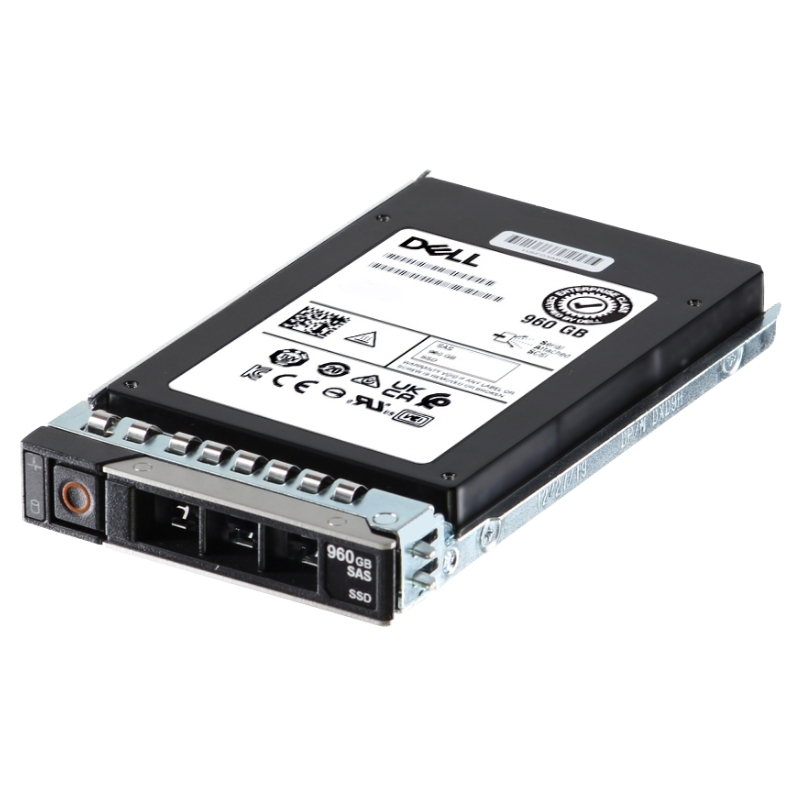


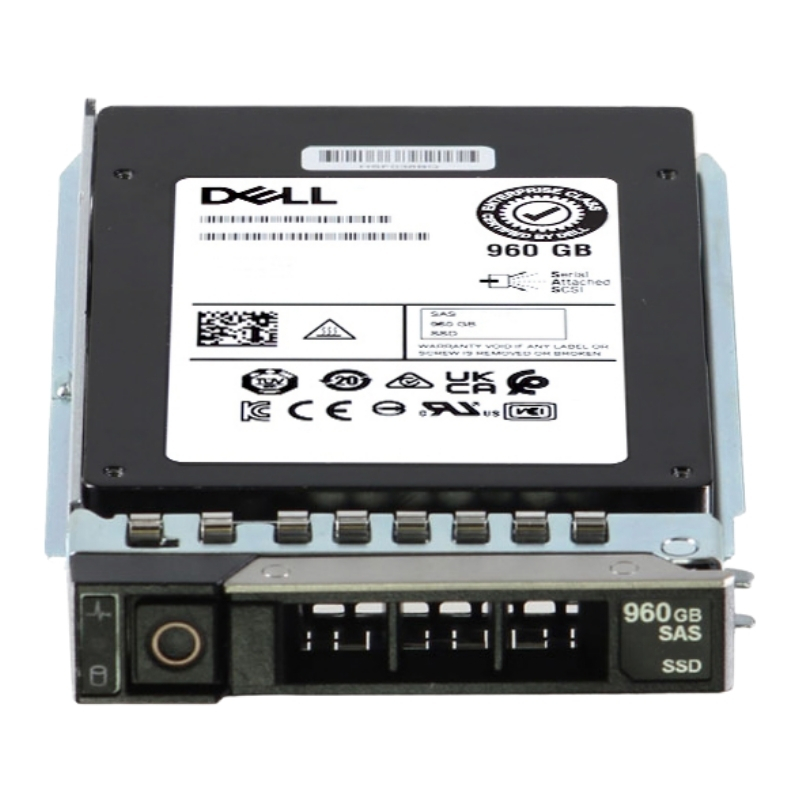
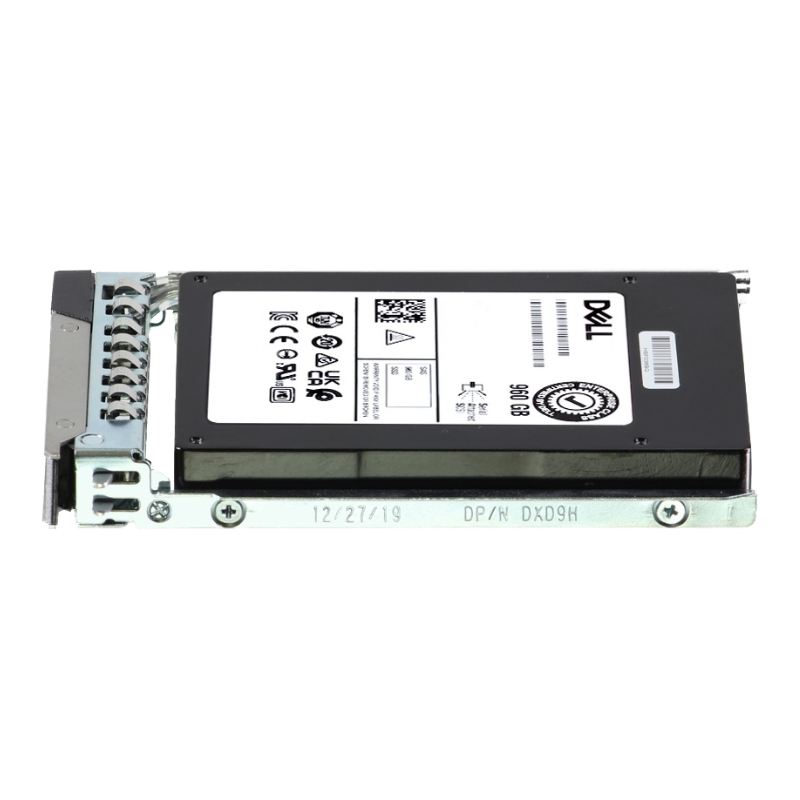
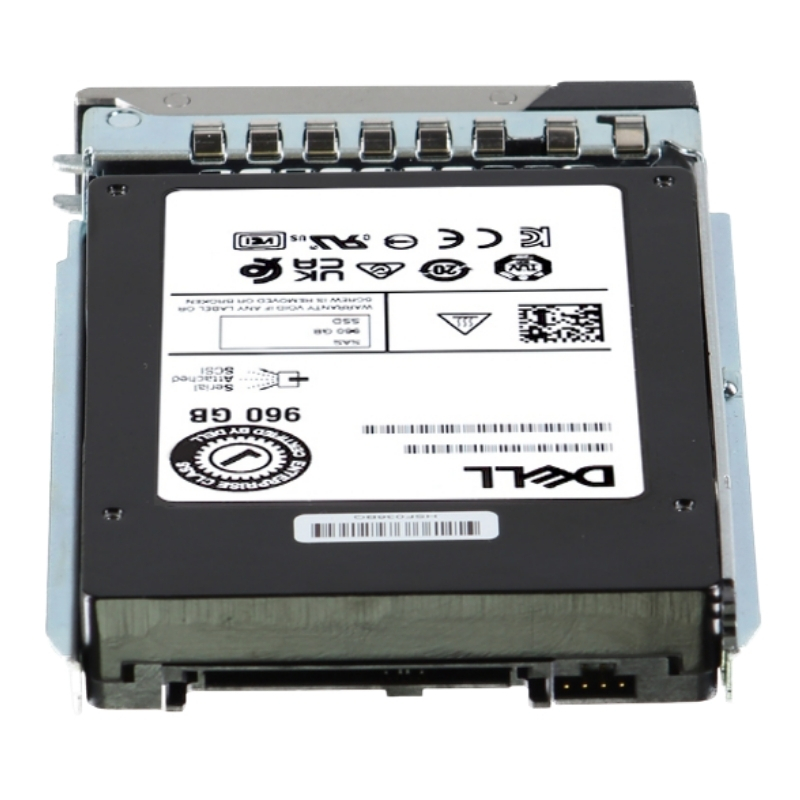
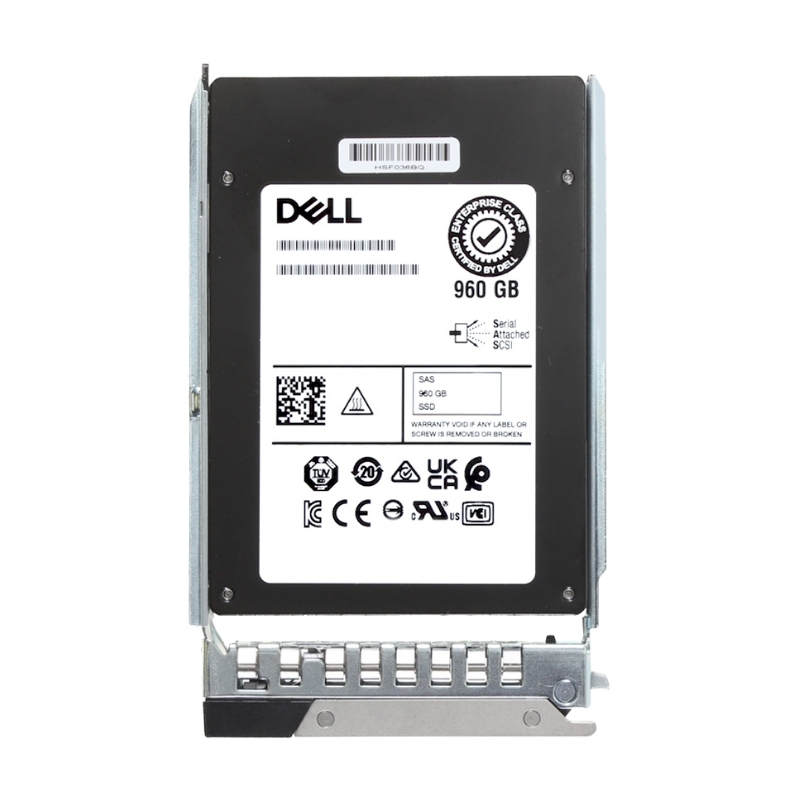
Dell 345-BLHW 960GB SED SAS-24Gbps 1DWPD Read-Intensive 2.5inch Solid State Drive for Server. New Sealed in Box (NIB) with 1 year Warranty
The Dell 345-BLHW 960GB Solid State Drive is a high-performance, read-optimized storage device designed for modern enterprise servers. With a SAS 24Gbps interface, advanced encryption, and hot-swap support, this 2.5-inch SSD delivers reliability, speed, and security for data-intensive workloads.
Engineered for read-heavy applications, this Dell SAS SSD ensures fast data access and consistent throughput for virtualization, databases, and cloud workloads.
The Dell 345-BLHW 960GB SAS SSD is fully compatible with a wide range of Dell PowerEdge and PowerVault systems, ensuring seamless integration and optimal performance.
The model number "345-BLHW" is a blueprint of the drive's capabilities. Each specification is a deliberate choice targeting enterprise-grade performance and integration.
Moving beyond the legacy 12Gbps SAS standard, the 24Gbps (or 24Gb/s) SAS interface doubles the available bandwidth per lane. This drive leverages this high-speed duplex channel to enable full-duplex communication—simultaneous read and write operations without contention. This is critical for reducing latency in multi-user, multi-threaded server environments where storage I/O queues are constantly deep. The 2.5-inch small form factor (SFF) allows for high-density storage configurations in rack servers and storage arrays, maximizing terabytes per rack unit and improving airflow for thermal management compared to larger drives.
The 1 Drive Write Per Day (DWPD) endurance rating is a key classifier for this read-intensive model. Over its 5-year warranty period, this 960GB drive is rated to endure 1 full drive write (960GB) every single day. This translates to a total lifetime write endurance of approximately 1.75 Petabytes (960GB x 365 days x 5 years). This specification guarantees the drive can handle significant write workloads typical of its target use cases—such as logging, metadata operations, and periodic data updates—while maintaining data integrity and a long service life, distinguishing it from lower-endurance consumer SSDs.
The 960GB user capacity is a strategic offering, sitting in the sweet spot for operating system drives, application binaries, and frequently accessed datasets in tiered storage environments. It utilizes enterprise-grade 3D TLC (Triple-Level Cell) or similar robust NAND flash memory, managed by a sophisticated controller that ensures wear leveling, bad block management, and consistent performance. The "over-provisioning"—a portion of the physical NAND reserved for the controller—is more substantial than in consumer drives, aiding in garbage collection, sustaining write speeds under load, and prolonging the drive's effective lifespan.
Beyond raw specs, the Dell 345-BLHW integrates features that are essential for deployment in secure, managed IT infrastructure.
Security is baked into the hardware. The SED functionality includes a dedicated AES-256 cryptographic processor on the drive's controller. This processor encrypts and decrypts all data written to and read from the NAND flash in real-time, with minimal performance overhead—a stark advantage over software-based encryption that taxes the server's CPU. The encryption is always on, protecting data at rest instantly. If the drive is physically removed from the server, the data remains encrypted and inaccessible without the proper authentication key, mitigating risks from data breaches, drive decommissioning, or theft.
Compliance with the TCG (Trusted Computing Group) OPAL 2.0 standard ensures interoperability with major management software suites like Dell OpenManage, Windows BitLocker, and other third-party security tools. A paramount benefit of an SED is the ability to perform a cryptographic erase (Crypto Erase) in seconds. Instead of overwriting every block of data (which is time-consuming and wears the NAND), the controller simply discards the old encryption key and generates a new one. The old data is instantly rendered permanently unreadable, enabling fast, secure drive repurposing or retirement, which is crucial for data center lifecycle management.
Enterprise SSDs must guard against data corruption during unexpected power loss. This drive incorporates a robust suite of Power Loss Protection (PLP) circuits, typically consisting of onboard capacitors. These capacitors store enough energy to provide "hold-up" power in the event of a sudden power failure. This critical window allows the drive's controller to complete any pending writes from its volatile cache (DRAM) to the non-volatile NAND flash and finalize its internal state, preventing "write tearing" or metadata corruption. This ensures data reaches its permanent state as intended, a non-negotiable feature for financial or transactional databases.
The "Read-Intensive" classification guides its optimal placement within server infrastructure. It is engineered for workloads where read operations constitute 70-80% or more of the total I/O.
An ideal application is as the primary drive for server operating systems (e.g., Windows Server, VMware ESXi, Linux distributions) and hypervisor installations. These environments demand fast boot times, quick loading of system files and drivers, and snappy responsiveness for host management operations, which are predominantly read-centric after initial installation. The high random read IOPS (Input/Output Operations Per Second) capability of this SAS SSD drastically reduces host boot and service times compared to traditional hard drives.
In virtualized server and Virtual Desktop Infrastructure (VDI) environments, storage is often the primary limiting factor for density and user experience. Using this drive to store the "gold image" master templates for virtual machines or desktop instances allows for rapid provisioning and cloning. When deployed in a pool for hosting active virtual machines, its high IOPS capability supports the "boot storm" scenario—where dozens or hundreds of VMs power on simultaneously and generate an intense burst of read requests for system files. This ensures consistent performance during peak operational periods.
Web servers hosting dynamic content (which often pulls data from a backend database) and static content delivery networks (CDNs) can leverage the drive's high sequential read speeds. Serving HTML pages, images, JavaScript files, and streaming media assets are classic read-intensive operations. The low latency of the SSD translates to faster page load times, improved user experience, and the ability to handle more concurrent connections per server, enhancing overall infrastructure efficiency.
While the SAS-24Gbps interface is backward compatible with 12Gbps and 6Gbps SAS infrastructures, to unlock its full performance potential, it should be paired with a compatible 24Gbps SAS host bus adapter (HBA) or RAID controller (e.g., Dell PERC series). The server's backplane must also support the higher data rate. Using it in a lower-generation slot will bottleneck the drive. Furthermore, for optimal performance in RAID configurations, it is recommended to use drives of the same model, capacity, and firmware level to ensure uniform behavior across the array.


 Contact Us
 Information
 Catalog
 Solid State Drives (SSD)
 Network Switches
 Hard Disk Drives
 HBA & Controllers
 PC & Servers
 PC & Server Memory
 CPU & Processors
 Network Routers
 Power Supplies
 Tape Drives & Libraries
 Network Devices
 Computer & Network Cables