(7% discount is applied at checkout)
Cart is empty
Your go-to destination for cutting-edge server products
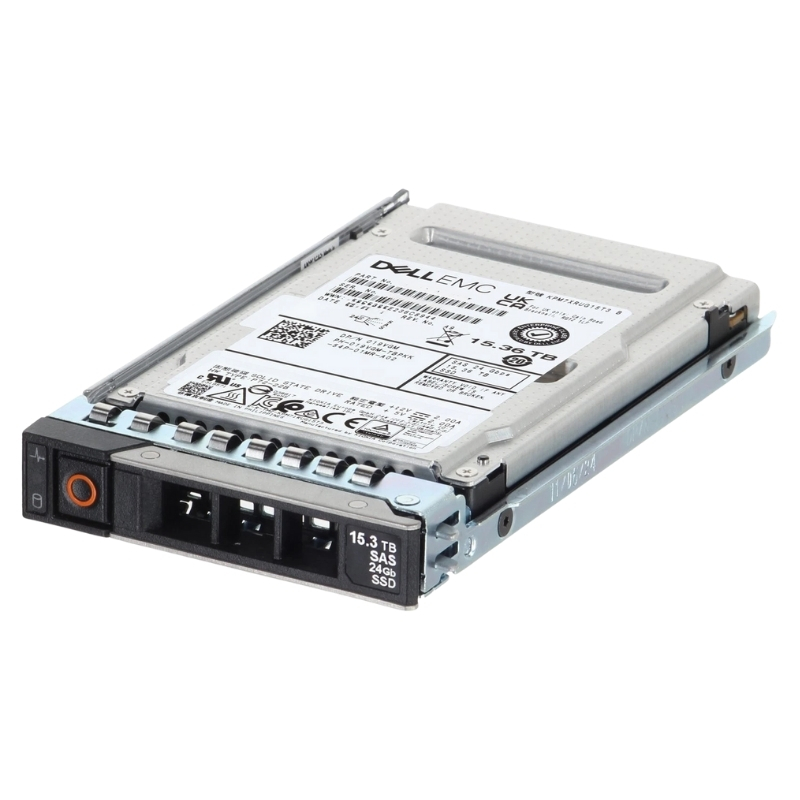


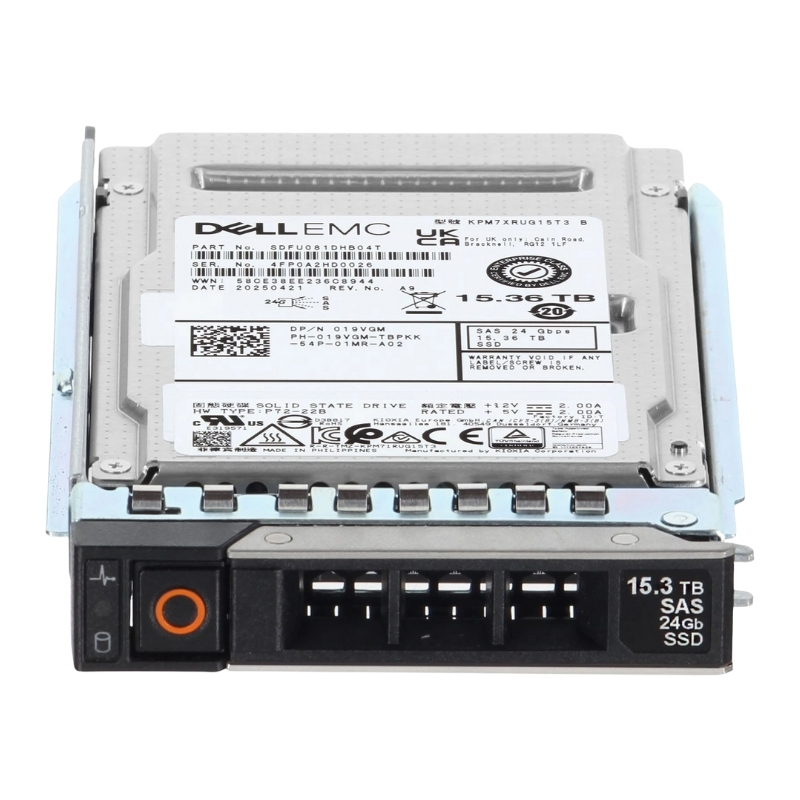
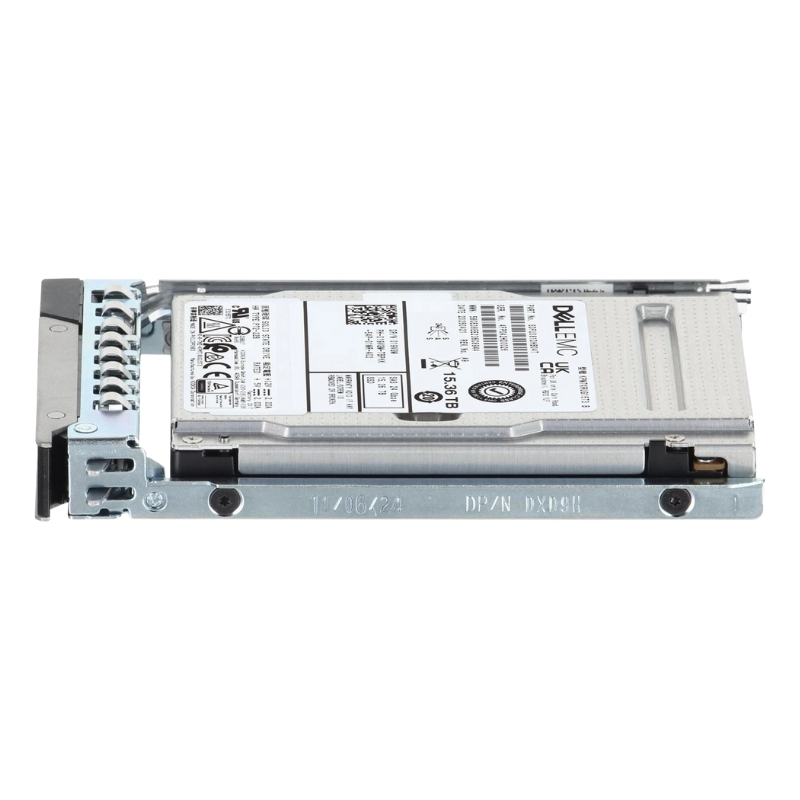
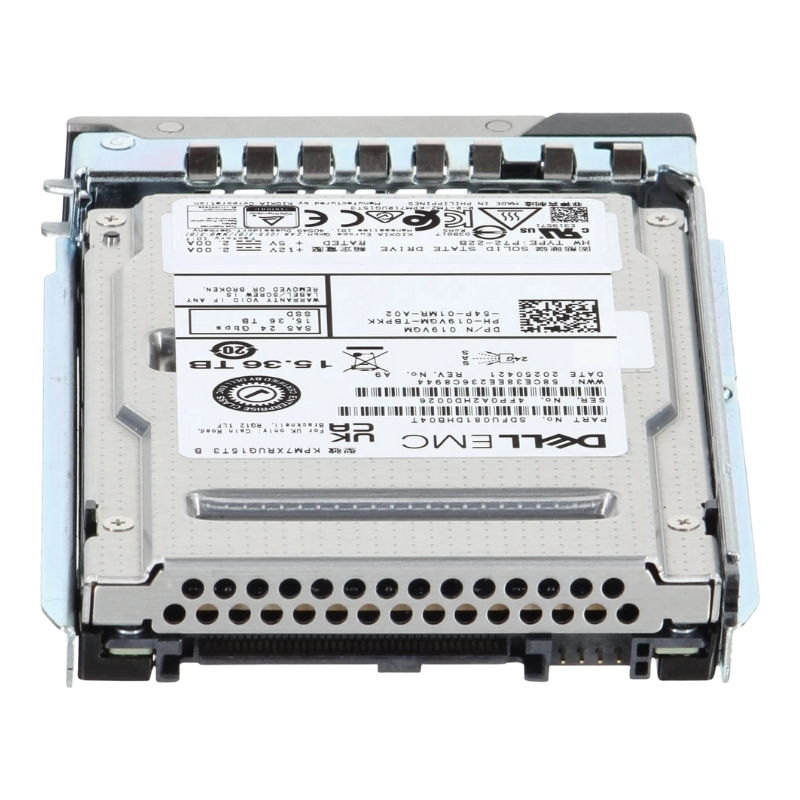
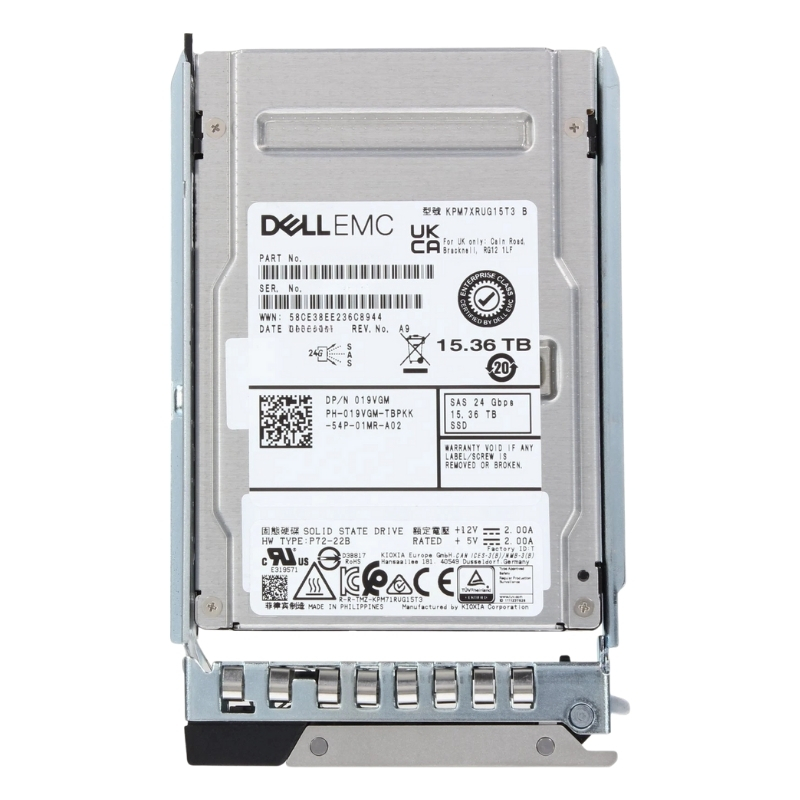
Dell 345-BLJF 15.36TB SAS-24Gbps 1DWPD Read-Intensive 2.5Inch Hot-Plug Solid State Drive for Server. New Sealed in Box (NIB) with 1 year Warranty
The Dell 345-BLJF is a high-capacity, read-optimized solid state drive designed for enterprise servers and data-center workloads. With a massive 15.36TB capacity and SAS 24Gbps interface, this hot-plug SSD delivers exceptional performance, reliability, and scalability for modern IT infrastructures.
In the realm of enterprise server infrastructure, storage is not merely a component; it is the critical foundation upon which data accessibility, application performance, and business continuity are built. The Dell 345-BLJF 15.36TB SAS-24Gbps 1DWPD Read-Intensive 2.5-Inch Hot-Plug Solid State Drive represents a pinnacle of purpose-engineered storage, designed for environments where relentless read performance and colossal capacity converge. This drive belongs to the category of enterprise SAS SSDs, specifically within the read-intensive workload segment, a category characterized by its optimal balance of endurance, speed, and value for data-heavy operations that prioritize reading over writing data.
Enterprises facing the challenges of big data analytics, content delivery networks (CDNs), web hosting, virtualization, and large-scale databases require storage that can deliver consistent, low-latency access to vast datasets. The Dell 345-BLJF meets this demand head-on with its formidable 15.36-terabyte capacity in the compact, hot-pluggable 2.5-inch form factor. Coupled with the blistering 24 gigabits per second SAS interface, it ensures that data bottlenecks are eliminated, enabling servers to process information at the speed demanded by modern business applications. This category of drive is the workhorse for data retrieval, ensuring that the ever-growing pools of enterprise data remain instantly actionable.
To fully appreciate the Dell 345-BLJF's role, one must delve into the significance of its core specifications. Each metric is a carefully chosen answer to a specific enterprise pain point.
The staggering 15.36TB capacity places this drive at the high end of available SSD storage for the 2.5-inch form factor. This density is transformative for server consolidation, allowing organizations to store more virtual machines, database instances, or analytical datasets on fewer physical drives. This translates directly to reduced rack space, lower power consumption, and simplified storage management. For software-defined storage (SDS) and hyper-converged infrastructure (HCI) deployments, such high-density drives are invaluable, maximizing the usable capacity per node and improving overall cluster efficiency.
The SAS (Serial Attached SCSI) interface, now in its 24Gbps generation, is the gold standard for enterprise server storage connectivity. It provides a critical advantage over SATA SSDs: full duplex communication. This means the drive can read and write data simultaneously on dedicated pathways, unlike SATA's half-duplex design. The 24Gbps bandwidth ensures the drive's high-performance NAND flash is never constrained by the interface, supporting faster data transfers, quicker application response times, and smoother handling of concurrent I/O requests from multiple servers when used in a switched SAS topology.
Inherent to the SAS protocol is dual-port capability, a non-negotiable feature for mission-critical environments. The Dell 345-BLJF can be connected to two separate host systems or HBAs simultaneously. This provides redundant paths for data access. In the event of a HBA failure, cable issue, or even planned maintenance on one server path, the second port seamlessly maintains connectivity, ensuring continuous data availability and zero downtime—a cornerstone of enterprise reliability.
The endurance rating of 1 Drive Write Per Day (DWPD) over its 5-year warranty period is the defining characteristic of its "Read-Intensive" classification. This means you can write the entire drive's capacity (15.36TB) once every day for five years. While this may seem lower than mixed-use or write-intensive drives, it is precisely calibrated—and often over-provisioned—for workloads where write operations are a fraction of total I/O. This intelligent engineering allows for a cost-optimized solution without sacrificing longevity for its intended use case.
The Dell 345-BLJF is not a general-purpose drive; it is a specialist. Its design excels in specific scenarios that dominate modern data centers.
In data warehouses, large volumes of historical data are queried for analytical insights. The workload pattern involves massive, sequential reads and relatively minor writes during ETL (Extract, Transform, Load) cycles. The high capacity of the 345-BLJF allows more data to be stored locally for analysis, while its high read throughput accelerates query performance, delivering business insights faster.
Boot storms and login storms in VDI environments create intense read pressure as hundreds or thousands of virtual desktops boot up simultaneously, loading operating system files and applications from a shared image. The read-optimized performance profile and low latency of this SAS SSD ensure a smooth, consistent user experience even during peak demand periods, preventing lag and user frustration.
For CDNs or streaming platforms, servers are primarily tasked with delivering static or streaming content (video, audio, software updates) to a vast number of users. This is an almost purely read-centric operation. The combination of high capacity and rapid read speeds makes drives like the 345-BLJF ideal for caching popular content at the edge, reducing origin server load and minimizing latency for end-users.
Using these drives as a boot device for high-end servers or for hosting large application binaries provides dramatically faster boot and load times compared to traditional HDDs. The reliability of SSDs also increases server uptime. In application hosting scenarios, frequently accessed code libraries and assets benefit from the drive's low access latency.
The 2.5-inch hot-plug form factor is a universal standard in today's servers and storage arrays. Its compact size allows for high storage density within a limited chassis space. The hot-plug capability is essential for maintaining system availability. A failed or failing drive can be identified (often via predictive analytics), and physically removed and replaced without powering down the server or interrupting services on other drives. This facilitates easy maintenance, upgrades, and scalability, allowing IT staff to add storage capacity on-the-fly as needs grow.
Choosing a Dell-branded drive like the 345-BLJF for a Dell PowerEdge server or compatible system offers integrated benefits beyond raw specifications.
Dell engineers and qualifies these drives for seamless compatibility with their server platforms. The drive's firmware is tested and optimized to work flawlessly with Dell's PERC (PowerEdge RAID Controller) and BOSS (Boot Optimized Storage Solution) technologies. This ensures stable performance, reliable SMART monitoring, and prevents potential compatibility issues that can arise from using non-qualified drives.
Understanding the 345-BLJF's position requires comparing it to its siblings in the enterprise SSD family.
Read-Intensive (1-3 DWPD): Optimized for reads. Offers the best cost per gigabyte within the SAS SSD family. Ideal for the workloads described above. The Dell 345-BLJF sits here.
Mixed-Use (3-10 DWPD): Balanced for environments with a closer 50/50 or 70/30 read/write ratio, such as transactional databases, email servers, and collaboration platforms. Higher endurance comes at a higher cost.
Write-Intensive (10+ DWPD): Built for the most demanding write workloads, like high-frequency trading logs, write caching, or real-time data analytics. Offers the highest endurance and performance for writes, at a premium price.
While NVMe drives using the PCIe interface offer lower latency and higher peak IOPS, the SAS ecosystem remains vital. SAS provides a mature, robust, and highly available architecture with advanced features like expansive scalability through SAS expanders and the critical dual-porting for redundancy. The Dell 345-BLJF offers a massive-capacity, reliable, and high-performance solution within this proven and trusted ecosystem, often at a different price-to-capacity point than NVMe.


 Contact Us
 Information
 Catalog
 Solid State Drives (SSD)
 Network Switches
 Hard Disk Drives
 HBA & Controllers
 PC & Servers
 PC & Server Memory
 CPU & Processors
 Network Routers
 Power Supplies
 Tape Drives & Libraries
 Network Devices
 Computer & Network Cables