(7% discount is applied at checkout)
Cart is empty
Your go-to destination for cutting-edge server products


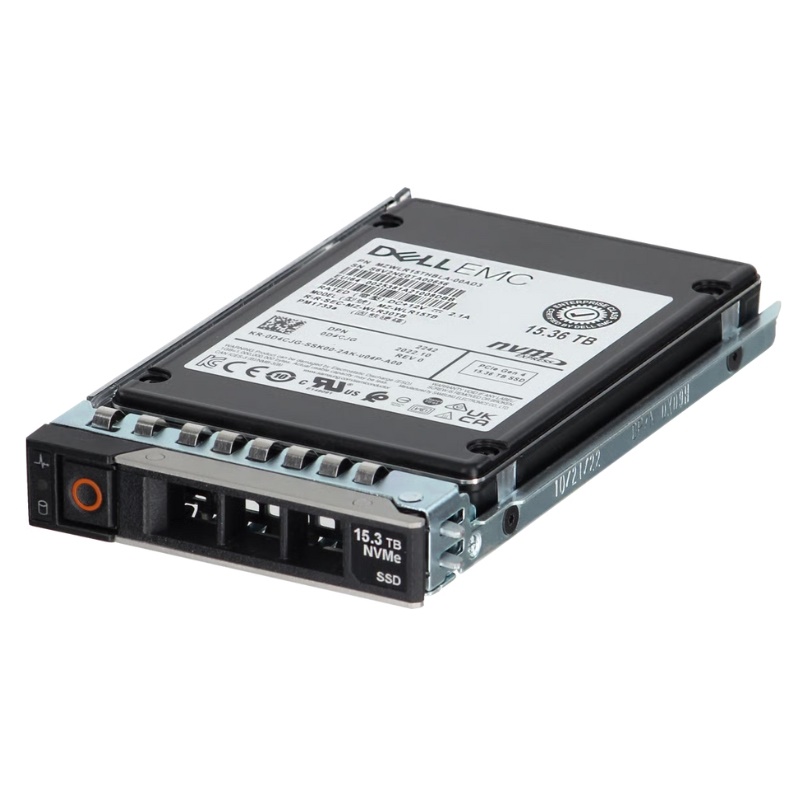
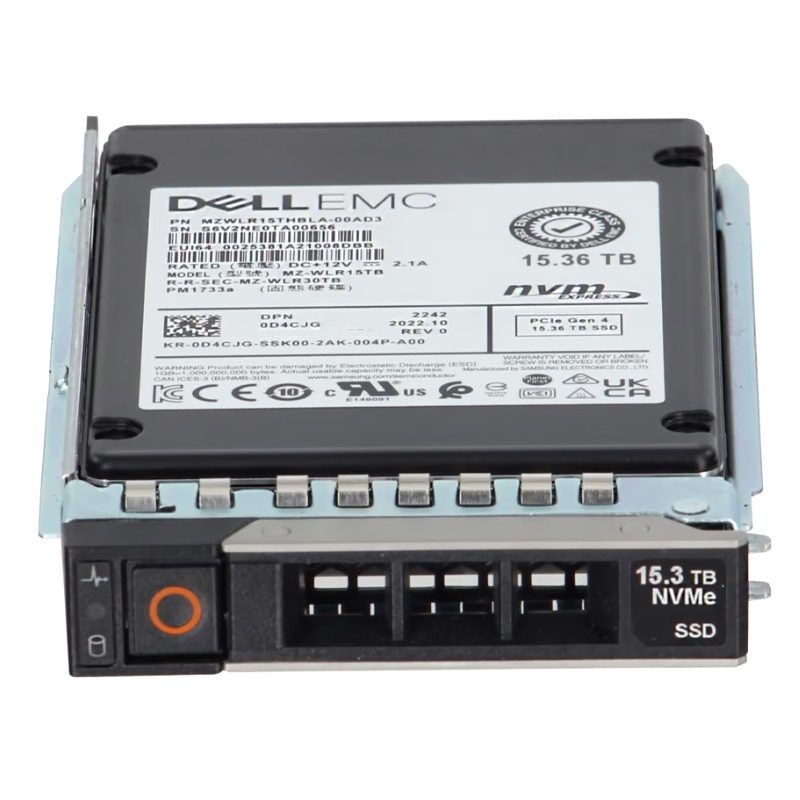
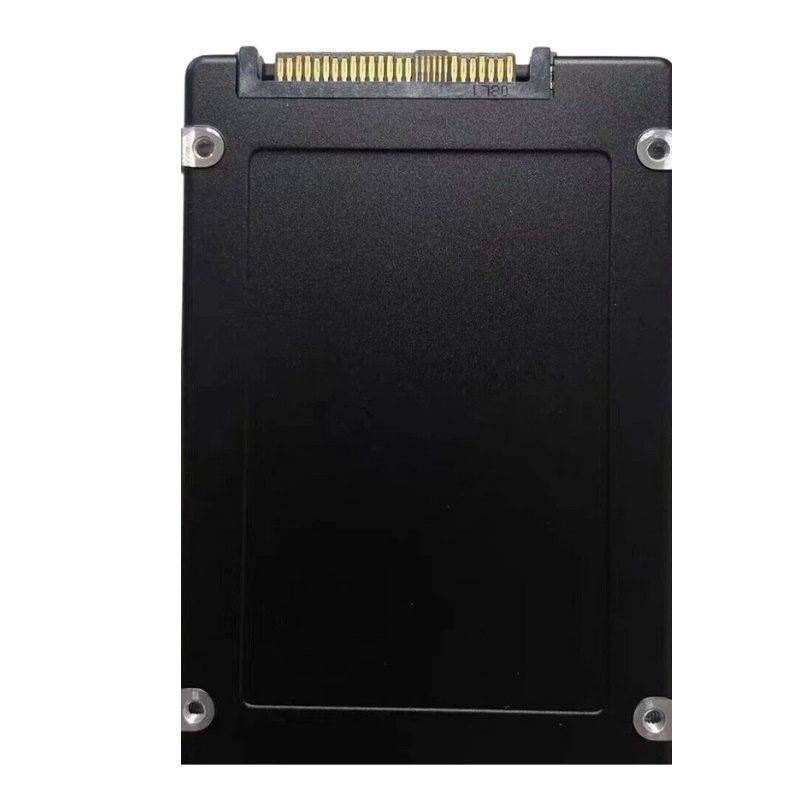
Dell 345-BLMY Read Intensive 15.36TB 2.5Inch PCI-E NVMe Gen4 U.2 SSD. New Sealed in Box (NIB) with 1 Year Warranty
The Dell 345-BLMY represents a significant advancement in enterprise storage technology, delivering exceptional capacity, performance, and endurance for modern data centers. This 15.36TB PCIe Gen4 NVMe 2.5-inch U.2 Solid State Drive is engineered specifically for read-intensive applications, offering a balanced solution for servers requiring high-throughput and low-latency storage. With its 1 Drive Writes Per Day (DWPD) endurance rating, it is built to handle sustained workloads in demanding enterprise environments, ensuring data integrity and reliability over its lifespan.
Understanding the core specifications of the Dell 345-BLMY is crucial for evaluating its fit within your server infrastructure. This drive is designed to meet the rigorous demands of enterprise storage, balancing massive capacity with the latest interface technology.
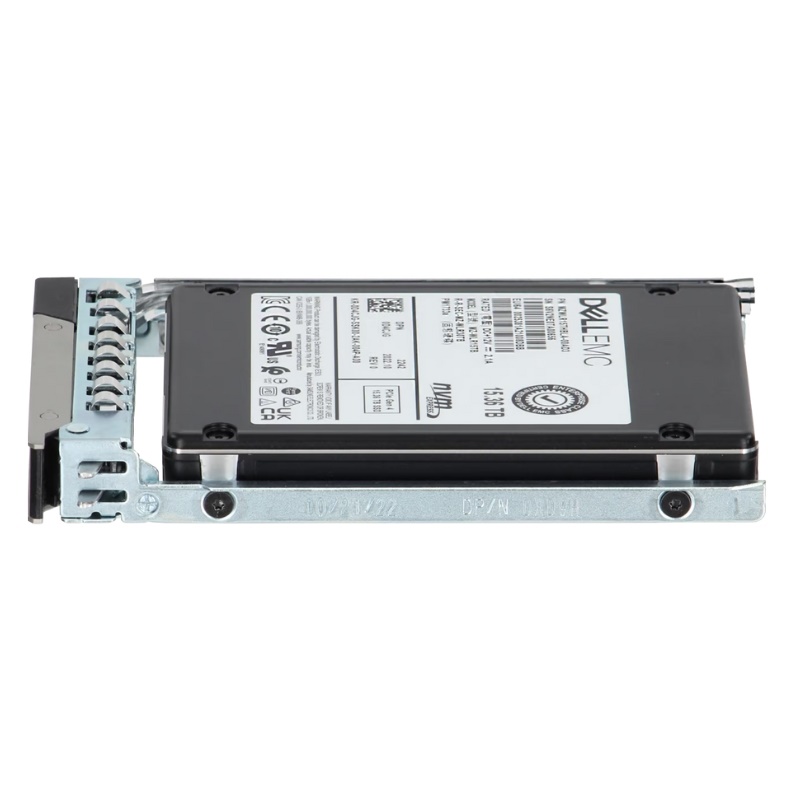
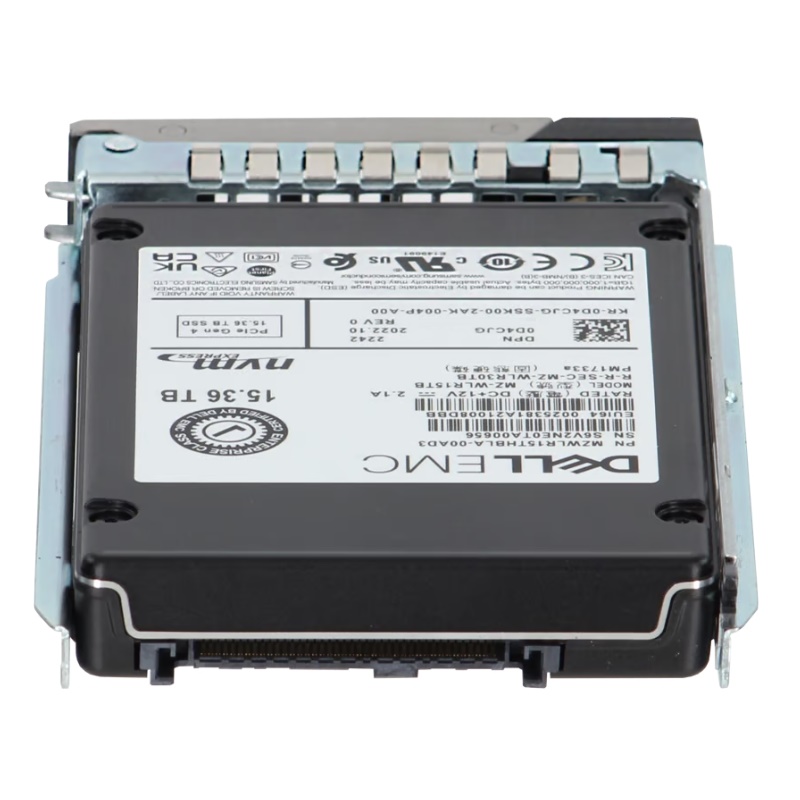
The drive offers a substantial 15.36 Terabytes (TB) of formatted NAND flash storage. This high capacity is housed in a standard 2.5-inch U.2 (SFF-8639) form factor, making it physically compatible with a wide range of enterprise server bays and hot-swap backplanes. The inclusion of a tray ensures seamless integration into Dell PowerEdge servers without requiring additional mounting hardware.
This SSD utilizes 3D TLC (Triple-Level Cell) NAND flash memory. This technology provides an optimal balance between cost, capacity, and performance, making it ideal for the drive's read-intensive workload classification. The advanced controller and firmware manage the NAND to ensure consistent performance and longevity.
The 345-BLMY leverages a PCI Express 4.0 x4 lane interface, doubling the bandwidth available compared to the previous PCIe 3.0 generation. It operates using the NVMe (Non-Volatile Memory Express) 1.4 protocol, which is designed from the ground up for high-performance flash storage. NVMe reduces protocol overhead and enables deep queue depths, resulting in significantly lower latency and higher IOPS (Input/Output Operations Per Second) compared to legacy SAS and SATA interfaces.
While actual performance can vary based on system configuration and workload, the drive is engineered to deliver high sequential and random read/write speeds. The PCIe Gen4 interface enables rapid data transfer, which is critical for accelerating data analytics, large-scale virtualization, and content delivery networks.
Integrated power loss protection circuits are a critical feature for enterprise storage. In the event of an unexpected power failure, this technology ensures that any data held in the volatile DRAM cache is committed to the non-volatile NAND flash. This prevents data corruption and maintains data consistency, a non-negotiable requirement for enterprise servers.
The Dell 345-BLMY is not a generic SSD; it is purpose-built and validated for seamless operation within Dell's ecosystem of enterprise hardware. This ensures optimal performance, manageability, and firmware compatibility.
This U.2 SSD is officially supported and certified for use in Dell PowerEdge 14th, 15th, 16th, and 17th Generation servers. This broad compatibility covers multiple server lifecycles, providing a reliable storage upgrade path for existing infrastructure and new deployments.
Compatible with various 14G PowerEdge models that support NVMe U.2 drives in their front-loading bays, often requiring a specific NVMe backplane for full functionality.
Designed to work with the 15G platform, leveraging improved PCIe lanes and server architecture to maximize the potential of the NVMe interface.
Fully validated for 16G servers, which offer enhanced storage controllers and firmware designed to handle the high performance of PCIe Gen4 NVMe devices.
Certified for the latest 17th Generation PowerEdge servers, ensuring compatibility with the most current BIOS, firmware, and system management tools from Dell.
The combination of high capacity, PCIe Gen4 speed, and read-intensive endurance makes the 345-BLMY ideal for a range of specific enterprise applications.
The high sequential read speeds and massive capacity are perfectly suited for data lakes, data warehouses, and analytics platforms. It allows for rapid querying and processing of large datasets, reducing the time-to-insight for business intelligence applications.
Using this drive as a boot device for hypervisors or operating systems results in incredibly fast boot times and responsive system operation. It is also excellent for hosting applications and virtual machines where fast read access to application binaries and VM images is paramount.
In database environments where read operations significantly outnumber writes, such as in reporting databases, data warehouses, or read replicas, this SSD can dramatically improve transaction times and user experience.
Typical power consumption under active use is measured in watts. While NVMe drives are generally efficient, the high performance of a PCIe Gen4 drive means power consumption can be higher during peak activity compared to SATA or SAS SSDs. Detailed power specifications are available in the official product datasheet for capacity planning.
It is important to distinguish the Read-Intensive (RI) 345-BLMY from other SSD classes to select the right drive for your workload.
Mixed-Use (MU) SSDs typically offer a higher DWPD rating (e.g., 3-5 DWPD) and are built with more robust write endurance. They are designed for workloads with a more balanced mix of read and write operations, such as transactional databases and virtualization. The 345-BLMY, as an RI drive, provides a more cost-effective solution for workloads dominated by read activity.
Write-Intensive (WI) SSDs are built for the most demanding write workloads, such as high-frequency trading, write caching, and logging. They feature the highest DWPD ratings (e.g., 10+ DWPD) and use specialized NAND to endure constant writing. For applications not requiring this extreme write endurance, the RI category offers significant cost savings at high capacities.


 Contact Us
 Information
 Catalog
 Solid State Drives (SSD)
 Network Switches
 Hard Disk Drives
 HBA & Controllers
 PC & Servers
 PC & Server Memory
 CPU & Processors
 Network Routers
 Power Supplies
 Tape Drives & Libraries
 Network Devices
 Computer & Network Cables