(7% discount is applied at checkout)
Cart is empty
Your go-to destination for cutting-edge server products
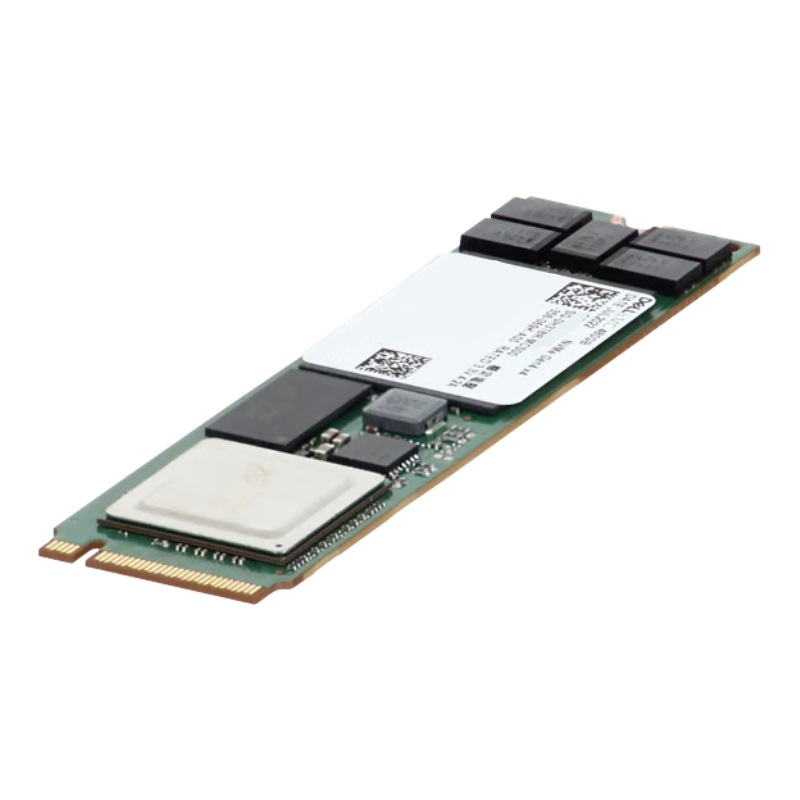


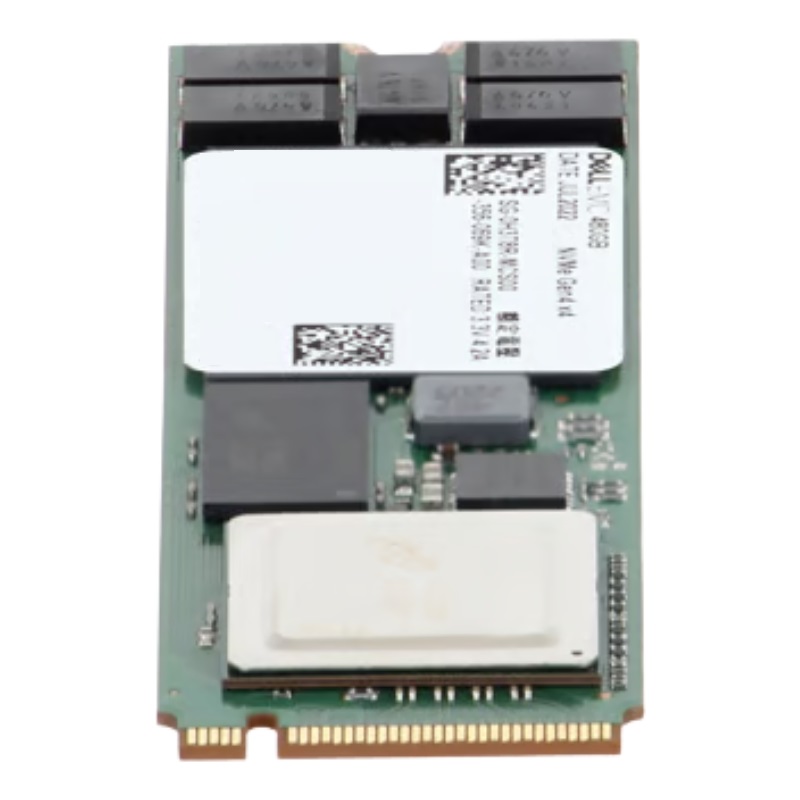
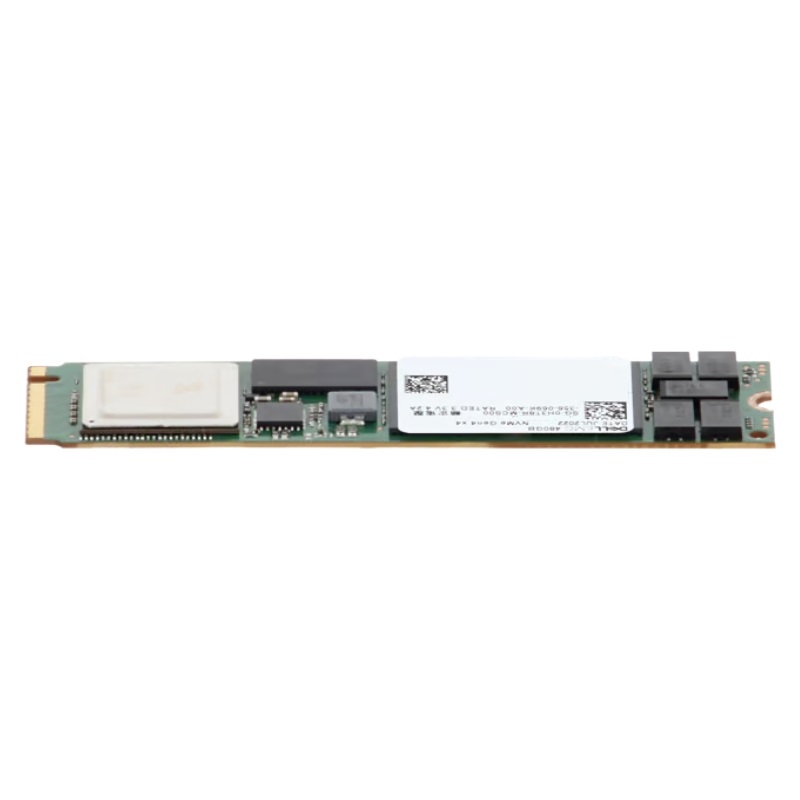
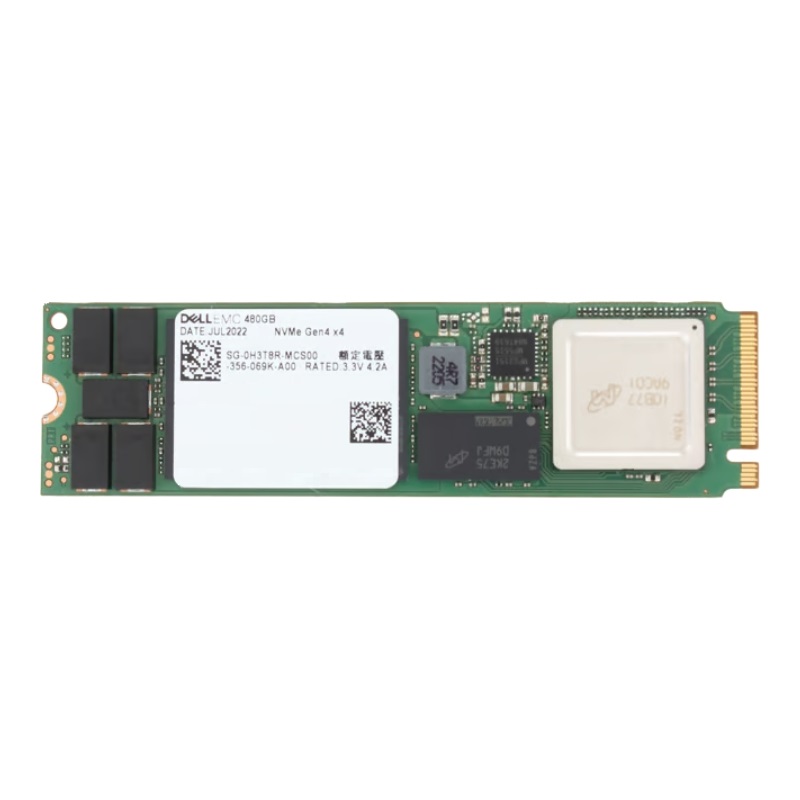
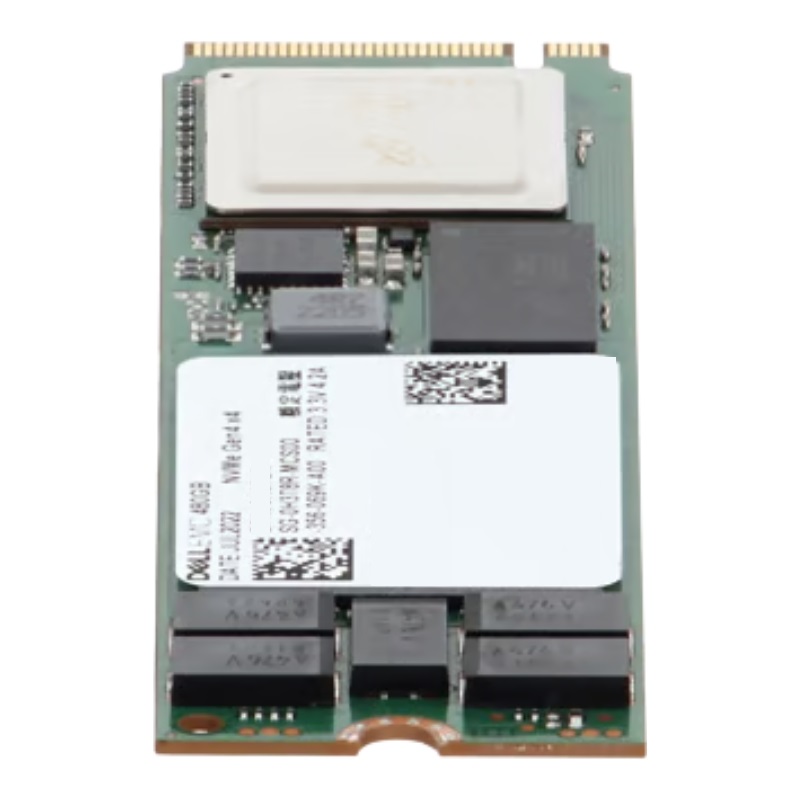
Dell 345-BMDR 480GB NVMe M.2 2280 PCIe 4.0 X4 Read Intensive TLC Enterprise Class Solid State Drive For Server. New Sealed in Box (NIB) with 1 year Replacement Warranty
The Dell 345-BMDR is a high-performance enterprise-grade solid state drive engineered for server environments. Designed with advanced TLC NAND technology, this storage solution ensures reliability, speed, and efficiency for read-intensive workloads.
The Dell 345-BMDR 480GB NVMe M.2 2280 PCIe 4.0 X4 Read Intensive TLC Enterprise Class Solid State Drive for Server is engineered for enterprise-grade server environments that require dependable storage performance, exceptional read efficiency, low latency operations, and advanced data handling capabilities. Built specifically for modern data center workloads, this enterprise SSD combines PCIe Gen4 speed with Dell-certified compatibility to deliver optimized storage acceleration across virtualization, cloud infrastructure, edge computing, database management, web hosting, and enterprise application environments.
As organizations continue to migrate toward high-performance server architectures, enterprise NVMe solid state drives have become essential for maintaining responsiveness and throughput in demanding IT ecosystems. The Dell 345-BMDR addresses these requirements by offering a balanced combination of capacity, endurance, energy efficiency, and enterprise reliability. Designed with a compact M.2 2280 form factor and leveraging PCIe 4.0 x4 bandwidth, the drive significantly outperforms traditional SATA SSDs and spinning hard drives while reducing power consumption and physical storage footprint.
The PCIe 4.0 x4 interface is one of the defining technologies behind the Dell 345-BMDR enterprise SSD. Compared to PCIe Gen3 storage solutions, PCIe Gen4 provides substantially increased throughput, enabling faster data transfer rates and lower latency communication between the storage subsystem and server processor. This increased bandwidth is especially valuable in enterprise environments where real-time analytics, virtualization clusters, AI workloads, and transaction-heavy applications demand uninterrupted performance.
Traditional SATA interfaces are constrained by older bus architectures that limit throughput and introduce higher latency. By contrast, NVMe over PCIe allows the Dell 345-BMDR to take full advantage of parallel command queues and optimized data paths. This architecture minimizes bottlenecks and improves server responsiveness during simultaneous application access, database queries, and high-volume data transactions.
The M.2 2280 form factor allows the Dell 345-BMDR to fit into compact server designs while maintaining enterprise storage capabilities. Data centers increasingly prioritize space efficiency and airflow optimization, making M.2 NVMe storage an attractive choice for modern server deployments.
With dimensions standardized at 22mm wide and 80mm long, the M.2 2280 design supports streamlined server configurations and improved internal cable management. The absence of bulky drive cages and SATA cabling contributes to cleaner system layouts and enhanced cooling efficiency inside enterprise server chassis.
The Dell 345-BMDR is categorized as a read intensive enterprise SSD, meaning it is specifically optimized for environments where read operations significantly outnumber write operations. Many enterprise applications, including web hosting platforms, content delivery systems, virtual desktop infrastructure, analytics dashboards, and reporting systems, generate large volumes of read requests on a continuous basis.
By tailoring endurance characteristics and NAND management for read-heavy operations, Dell ensures that the SSD delivers efficient long-term performance without excessive wear. Organizations deploying read-centric applications can achieve cost-effective storage acceleration while maintaining enterprise reliability standards.
The Dell 345-BMDR utilizes Triple-Level Cell NAND flash technology, commonly referred to as TLC NAND. TLC memory stores three bits of data per cell, providing an efficient balance between storage density, performance, and cost effectiveness. In enterprise environments, TLC SSDs are widely adopted for scalable deployment strategies that require dependable storage at optimized pricing.
Advanced firmware algorithms and enterprise-grade controllers help maximize TLC reliability and endurance. Dell integrates sophisticated wear leveling, bad block management, error correction, and garbage collection technologies to ensure data integrity and stable performance throughout the drive lifecycle.
Data integrity is essential in server environments where downtime or corruption can disrupt business operations. Enterprise SSDs such as the Dell 345-BMDR incorporate advanced reliability technologies to protect stored information against errors and operational inconsistencies.
Error correction mechanisms continuously monitor and validate data during read and write operations. Combined with enterprise firmware optimization, these protections help maintain operational consistency even during heavy workload conditions or prolonged runtime periods.
One of the major advantages of the Dell 345-BMDR SSD is its validated compatibility with Dell enterprise server platforms. Dell-certified storage devices are rigorously tested to ensure stable integration with PowerEdge servers and related enterprise infrastructure.
Compatibility validation helps minimize deployment risks while simplifying firmware management, hardware monitoring, and lifecycle maintenance. Organizations deploying Dell infrastructure can integrate the SSD into existing server ecosystems with confidence and reduced operational complexity.
Virtualization platforms generate substantial storage demands due to simultaneous VM access and dynamic resource allocation. The Dell 345-BMDR supports virtualization environments by delivering low-latency storage performance capable of handling multiple concurrent workloads.
Cloud service providers and enterprise private cloud deployments benefit from the SSD ability to accelerate VM boot times, improve storage responsiveness, and reduce bottlenecks in shared infrastructure environments. High-speed NVMe communication contributes to more efficient workload consolidation and improved resource utilization.
Enterprise applications rely heavily on storage speed for transaction processing, data retrieval, and operational continuity. The Dell 345-BMDR enhances application responsiveness by reducing access times and supporting high-speed data throughput.
Applications such as CRM systems, financial platforms, ERP environments, and business intelligence solutions benefit from reduced storage bottlenecks. Faster access to frequently used datasets enables smoother workflows and improved productivity for end users.
Databases often involve repetitive read operations across large datasets. The Dell 345-BMDR is particularly effective in accelerating read-intensive database environments where rapid retrieval speed is essential.
Lower query latency contributes to faster report generation, improved analytics performance, and enhanced responsiveness for customer-facing applications. Enterprise organizations handling high transaction volumes can benefit from reduced storage wait times and improved scalability.
Modern enterprise storage strategies increasingly prioritize energy efficiency. Compared to traditional spinning hard drives, NVMe SSDs consume less power while delivering dramatically higher performance levels. The Dell 345-BMDR contributes to reduced energy consumption in server environments, helping organizations optimize operational costs.
Lower power usage also supports cooler operating temperatures, which can reduce strain on data center cooling systems. Over time, these efficiencies contribute to improved sustainability and lower total cost of ownership.
The compact M.2 architecture of the Dell 345-BMDR enables denser server configurations without sacrificing performance. Organizations seeking to maximize rack utilization can deploy high-speed NVMe storage while minimizing physical infrastructure expansion.
Efficient use of rack space is especially valuable in colocation facilities, edge deployments, and enterprise data centers where physical space and cooling resources are limited.
Enterprise SSDs require robust reliability mechanisms to ensure long-term operational integrity. The Dell 345-BMDR incorporates advanced error correction technologies that help detect and correct data inconsistencies during operation.
Error correction systems continuously verify stored information to reduce the likelihood of corruption and maintain consistent storage reliability. These protections are particularly important in enterprise environments where data accuracy and uptime are critical business requirements.
Enterprise storage solutions must maintain consistent performance across extended deployment periods. The Dell 345-BMDR is engineered for durability and operational longevity in enterprise server environments where drives may run continuously for years.
Advanced wear leveling distributes write activity evenly across NAND cells, helping extend drive lifespan and maintain stable performance characteristics. Intelligent firmware management further supports endurance optimization and operational consistency.
Hybrid cloud architectures rely on efficient storage solutions that can support both on-premises and cloud-connected workloads. The Dell 345-BMDR contributes to hybrid infrastructure efficiency by providing fast local storage performance for synchronized applications, backup repositories, and caching layers.
Multi-cloud strategies often involve high-speed data movement between environments. Enterprise NVMe storage accelerates synchronization processes and improves operational continuity across distributed infrastructure ecosystems.
The transition from SATA SSDs to NVMe enterprise storage represents a major advancement in server performance capabilities. SATA interfaces are limited by legacy architecture constraints, whereas NVMe over PCIe unlocks substantially higher throughput and lower latency.
The Dell 345-BMDR leverages PCIe Gen4 bandwidth to deliver improved responsiveness compared to SATA alternatives. Applications that depend on rapid access to frequently requested data experience measurable improvements in operational efficiency.
Streaming services rely heavily on read intensive storage operations. The Dell 345-BMDR provides fast retrieval speed for media files, enabling smooth content delivery and reduced buffering during high-demand usage periods.
Enterprise-grade reliability ensures consistent availability for streaming platforms serving large user populations across distributed infrastructure environments.
Business intelligence platforms and analytics environments frequently process extensive read queries across large datasets. The Dell 345-BMDR accelerates reporting workflows by enabling rapid access to stored information and improving overall query responsiveness.
Organizations using analytics-driven decision-making systems benefit from faster report generation and reduced delays during complex data processing tasks.


 Contact Us
 Information
 Catalog
 Solid State Drives (SSD)
 Network Switches
 Hard Disk Drives
 HBA & Controllers
 PC & Servers
 PC & Server Memory
 CPU & Processors
 Network Routers
 Power Supplies
 Tape Drives & Libraries
 Network Devices
 Computer & Network Cables