(7% discount is applied at checkout)
Cart is empty
Your go-to destination for cutting-edge server products
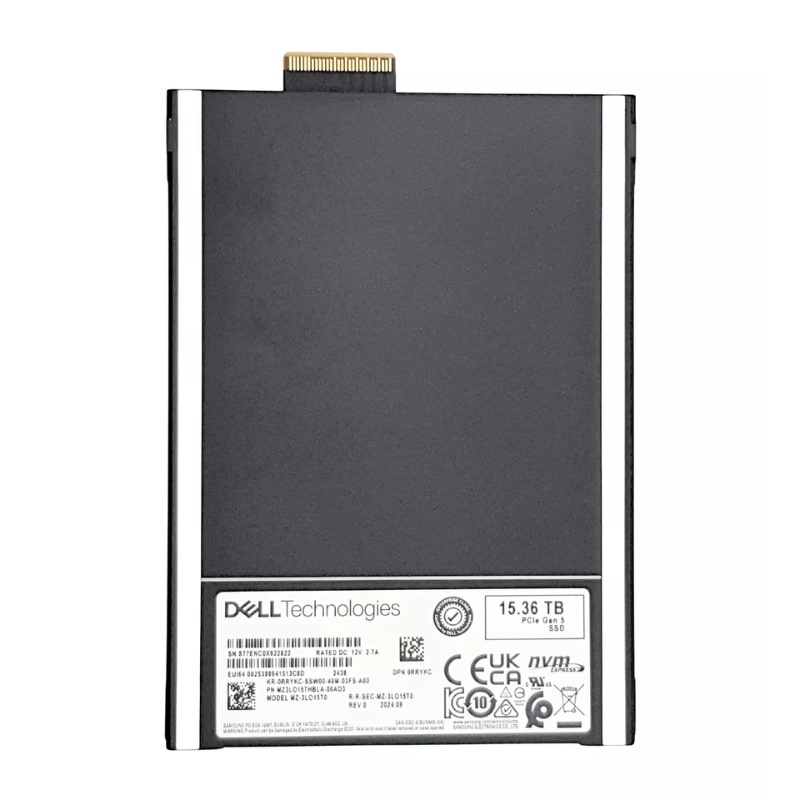


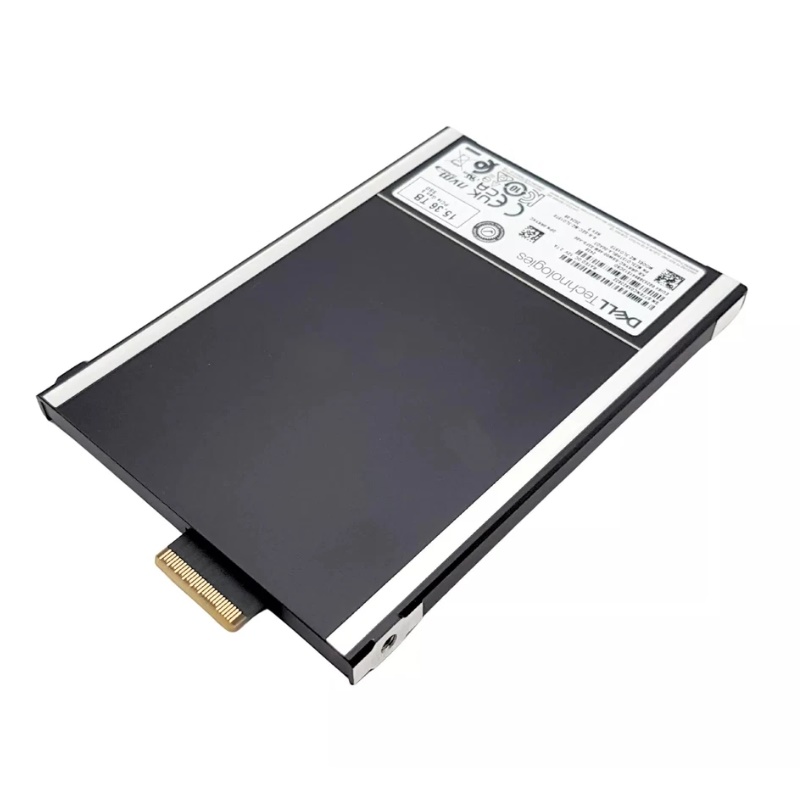
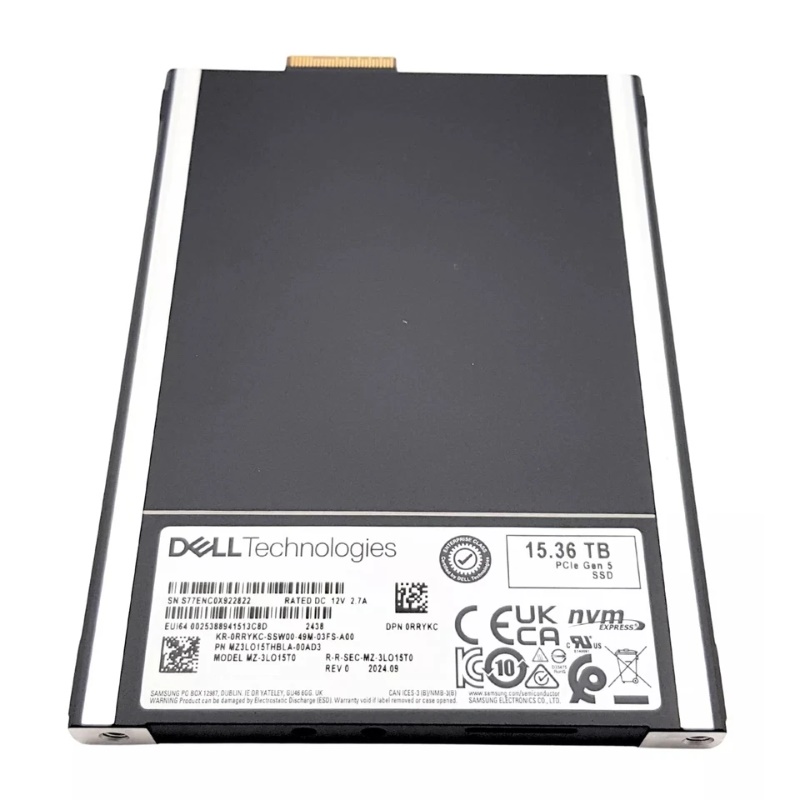
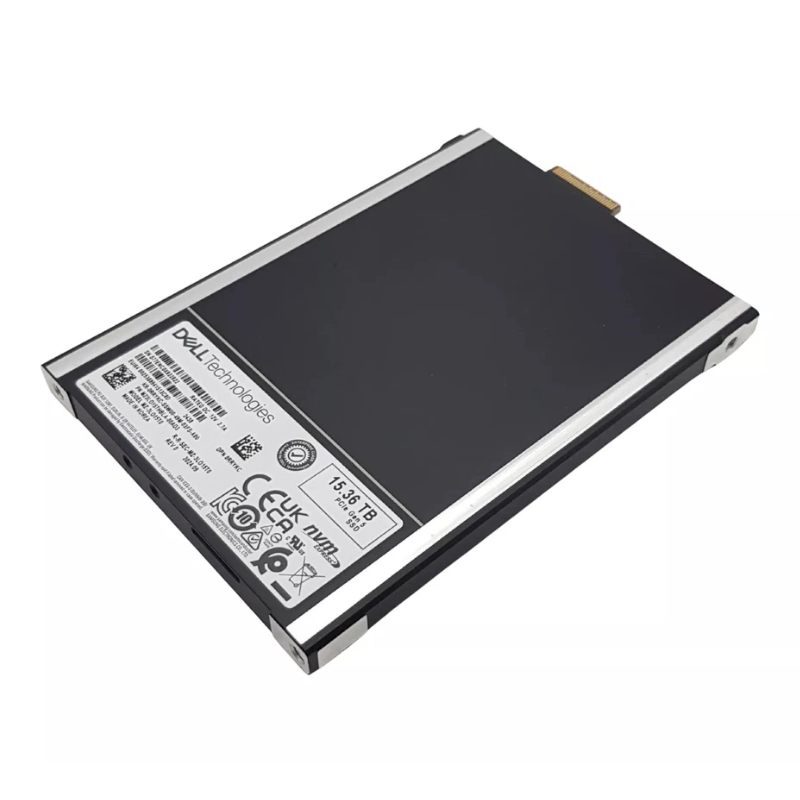
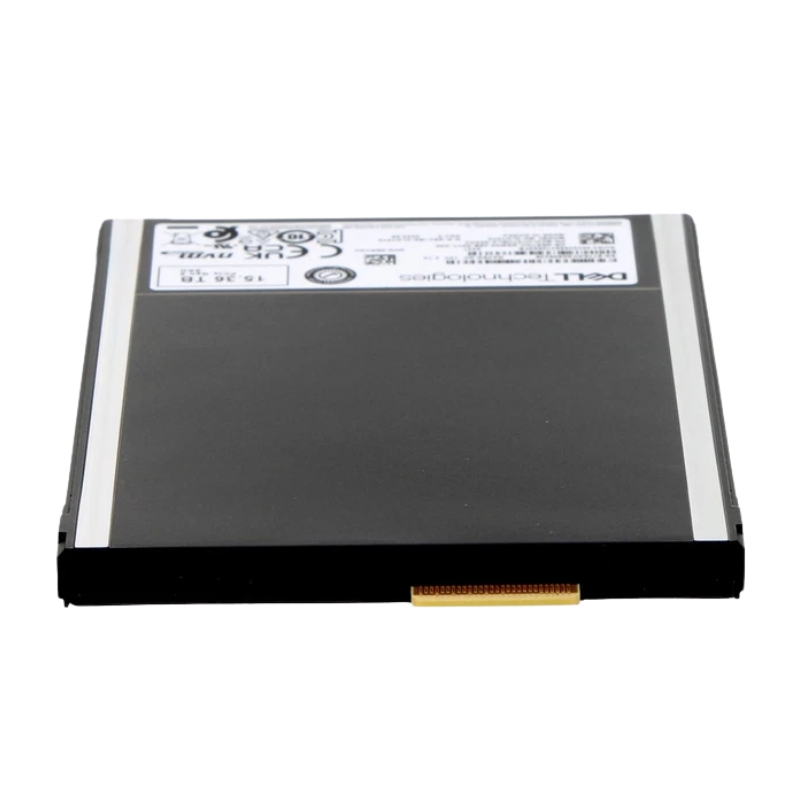
Dell 345-BMJS 15.36TB NVMe PCIe Gen5 Read Intensive TLC E3.S Solid State Drive. New Sealed in Box (NIB) with 1 Year Replacement Warranty
The Dell 345-BMJS 15.36TB NVMe SSD is a high-capacity, enterprise-class storage solution engineered for modern data centers and performance-driven workloads. Built with PCIe Gen5 technology and a compact E3.S form factor, this read-intensive solid state drive delivers exceptional speed, reliability, and efficiency for Dell PowerEdge servers.
The Dell 345-BMJS 15.36TB NVMe PCIe Gen5 Read Intensive TLC E3.S Solid State Drive is positioned within the enterprise storage ecosystem as a high-capacity, high-throughput solution designed to meet the escalating demands of modern data centers. This category encompasses next-generation solid state drives that leverage PCI Express Gen5 connectivity, non-volatile memory express protocols, and dense E3.S form factors to deliver unprecedented performance, efficiency, and scalability. Within this segment, the emphasis is placed on balancing read-intensive workloads with endurance characteristics suitable for continuous operation in mission-critical environments.
At the core of this category is the NVMe PCIe Gen5 interface, which serves as the communication backbone between the storage media and the host system. PCIe Gen5 offers a per-lane transfer rate that enables aggregate bandwidth levels well beyond previous standards, ensuring that high-density NAND flash arrays are no longer constrained by interface limitations. Drives in this category are optimized to exploit parallelism at both the hardware and protocol levels, allowing thousands of concurrent queues and commands to be processed with minimal overhead. The NVMe protocol further enhances efficiency by reducing latency and CPU utilization compared to legacy storage interfaces. For read-intensive workloads, this translates into faster data access times, more predictable quality of service, and improved overall system responsiveness.
Enterprise NVMe SSDs in this class are designed with advanced controller architectures that prioritize low latency and intelligent queue management. The ability to maintain consistent response times under heavy read pressure is a defining characteristic of this category. By leveraging multi-core controllers and optimized firmware, drives such as the Dell 345-BMJS can sustain high IOPS levels while minimizing tail latency, which is crucial for applications that rely on predictable performance metrics. Queue depth scalability is another critical factor, enabling servers to handle multiple virtual machines or containerized workloads simultaneously without performance degradation.
The E3.S form factor represents a modern approach to enterprise SSD design, focusing on density, thermal efficiency, and serviceability. Drives in the Dell 345-BMJS category are engineered to fit seamlessly into next-generation server chassis that prioritize front-accessible storage bays and optimized airflow. The E3.S specification allows for higher power envelopes and improved cooling compared to traditional 2.5-inch drives, making it well-suited for PCIe Gen5 performance levels. Physical integration within Dell PowerEdge servers is a key aspect of this category. The mechanical and electrical design ensures compatibility with Dell’s tool-less drive carriers and hot-swap capabilities, enabling administrators to replace or upgrade drives without system downtime.
As PCIe Gen5 drives operate at higher data rates, thermal management becomes a critical consideration. The Dell 345-BMJS category incorporates advanced thermal design principles to dissipate heat effectively while maintaining stable performance. The E3.S form factor supports improved airflow patterns and allows for integrated heat spreaders that work in conjunction with server cooling systems. Power efficiency is equally important, particularly in large-scale deployments where energy consumption directly impacts operational costs. Drives in this category are optimized to deliver maximum performance per watt, leveraging power management features that dynamically adjust consumption based on workload intensity.
Enterprise environments demand storage solutions that can be serviced without interrupting business operations. The Dell 345-BMJS category emphasizes hot-swap functionality, allowing drives to be inserted or removed while the system remains online. This capability is supported by robust connectors, firmware safeguards, and system-level integration that recognizes and manages drive changes in real time. Serviceability extends beyond physical replacement to include monitoring and diagnostics. Drives in this category support health reporting and predictive failure analysis, enabling proactive maintenance strategies that reduce the risk of unexpected downtime.
The use of triple-level cell NAND flash in the Dell 345-BMJS category reflects a deliberate balance between capacity, cost efficiency, and endurance. TLC NAND allows for higher storage densities, making 15.36TB capacities feasible within a compact form factor. While TLC inherently offers lower write endurance than more expensive alternatives, the read-intensive classification of this category ensures that the drive’s endurance profile aligns with its intended use cases. Endurance metrics in this category are carefully calibrated to support sustained read operations with moderate write activity. This makes the drives suitable for applications where data is written once and read many times, such as content repositories, analytics datasets, and archival systems that require fast access rather than frequent modification.
Advanced wear-leveling algorithms are a defining feature of enterprise SSD categories that rely on TLC NAND. These algorithms distribute write operations evenly across the memory cells, preventing premature wear and extending the usable lifespan of the drive. The Dell 345-BMJS category incorporates firmware-level optimizations that continuously monitor usage patterns and adjust allocation strategies accordingly. Data integrity is further enhanced through error correction technologies and end-to-end data protection mechanisms. These features ensure that data remains accurate and accessible even under heavy read loads and over extended operational periods. For enterprises handling critical datasets, this reliability is a non-negotiable requirement.
Drives in this category are specifically tuned for read-intensive workloads, with firmware configurations that prioritize read performance and stability. This includes optimized caching strategies, read-ahead algorithms, and command scheduling that minimize access times. By focusing on read efficiency, the Dell 345-BMJS category delivers consistent performance in scenarios where rapid data retrieval is paramount. This specialization allows organizations to deploy storage resources more strategically, reserving higher-endurance drives for write-heavy tasks while leveraging read-intensive SSDs for workloads that benefit most from their performance characteristics.
The 15.36TB capacity offered by the Dell 345-BMJS category enables significant data density within a single drive. This high-capacity profile supports consolidation strategies that reduce the number of physical drives required to meet storage needs. By decreasing drive count, enterprises can simplify management, improve airflow, and reduce overall hardware complexity within server racks. High-capacity NVMe drives also facilitate more efficient use of server resources. With fewer drives occupying bays, organizations can allocate space for additional compute or networking components, optimizing the overall infrastructure footprint. This is particularly valuable in environments where rack space is limited or expensive.
In virtualized environments, high-capacity SSDs play a crucial role in storage pooling and resource allocation. The Dell 345-BMJS category supports dense storage pools that can be dynamically allocated to virtual machines or containers based on demand. This flexibility enhances resource utilization and allows IT teams to respond quickly to changing workload requirements. By providing consistent performance across large capacity ranges, drives in this category ensure that virtualization platforms can scale without encountering bottlenecks related to storage throughput or latency.
Large-capacity read-intensive NVMe SSDs are particularly well-suited for data analytics and content delivery applications. Analytics workloads often involve scanning large datasets repeatedly, making read performance a critical factor. The Dell 345-BMJS category delivers the throughput and latency characteristics needed to accelerate query execution and data processing tasks. Similarly, content delivery systems benefit from fast read access to large volumes of static data. Whether serving media files, software repositories, or web content, drives in this category ensure rapid response times and a smooth end-user experience.
Enterprise SSD categories are increasingly defined by the sophistication of their firmware. The Dell 345-BMJS category incorporates intelligent firmware that manages performance, endurance, and reliability in real time. This firmware continuously analyzes workload patterns, adjusting internal parameters to maintain optimal operation under varying conditions. Management capabilities extend to integration with server monitoring tools and management platforms. Drives in this category provide detailed telemetry data, including temperature, wear levels, and error rates, enabling administrators to maintain visibility into storage health across the data center.
Seamless compatibility with Dell PowerEdge servers is a hallmark of this category. The Dell 345-BMJS drive is designed to work harmoniously with Dell’s BIOS, RAID controllers, and management software, ensuring consistent behavior and simplified deployment. This integration reduces the risk of compatibility issues and streamlines the provisioning process for enterprise IT teams. Certified firmware and validated configurations provide assurance that the drive will perform as expected within supported server platforms. This level of compatibility is particularly important in enterprise environments where stability and predictability are paramount.
Lifecycle management is an integral aspect of enterprise storage categories. The Dell 345-BMJS category benefits from structured support models that include firmware updates, technical assistance, and long-term availability. These factors contribute to a predictable ownership experience and align with enterprise procurement and maintenance cycles. By offering consistent support and update paths, this category ensures that storage infrastructure can evolve alongside emerging technologies without compromising reliability or performance.
Security considerations are deeply embedded in enterprise SSD categories, particularly those deployed in environments handling sensitive or regulated data. The Dell 345-BMJS category incorporates features designed to protect data at rest and prevent unauthorized access. These features align with industry standards and organizational security policies. Data protection mechanisms extend beyond encryption to include secure erase capabilities and access controls that ensure data can be safely decommissioned or repurposed when drives reach the end of their service life.
Enterprise storage solutions are expected to operate continuously under demanding conditions. The Dell 345-BMJS category adheres to stringent reliability standards that ensure consistent performance over extended periods. Components are selected and tested to withstand the thermal, electrical, and mechanical stresses associated with data center environments. This reliability focus supports use cases where downtime is unacceptable and storage systems must remain available around the clock. By delivering predictable performance and durability, drives in this category become a foundational element of resilient IT infrastructures.
The adoption of PCIe Gen5 and E3.S form factors positions the Dell 345-BMJS category as a future-ready storage solution. As server architectures continue to evolve, this category provides a pathway for scaling performance and capacity without requiring wholesale infrastructure changes. Organizations can adopt these drives with confidence that they will remain relevant as workloads grow and technology advances. Scalability is further enhanced by the ability to integrate multiple drives within high-density server configurations, enabling linear performance growth as additional storage resources are added. This forward-looking design philosophy ensures that the category remains aligned with long-term enterprise storage strategies.


 Contact Us
 Information
 Catalog
 Solid State Drives (SSD)
 Network Switches
 Hard Disk Drives
 HBA & Controllers
 PC & Servers
 PC & Server Memory
 CPU & Processors
 Network Routers
 Power Supplies
 Tape Drives & Libraries
 Network Devices
 Computer & Network Cables