(7% discount is applied at checkout)
Cart is empty
Your go-to destination for cutting-edge server products
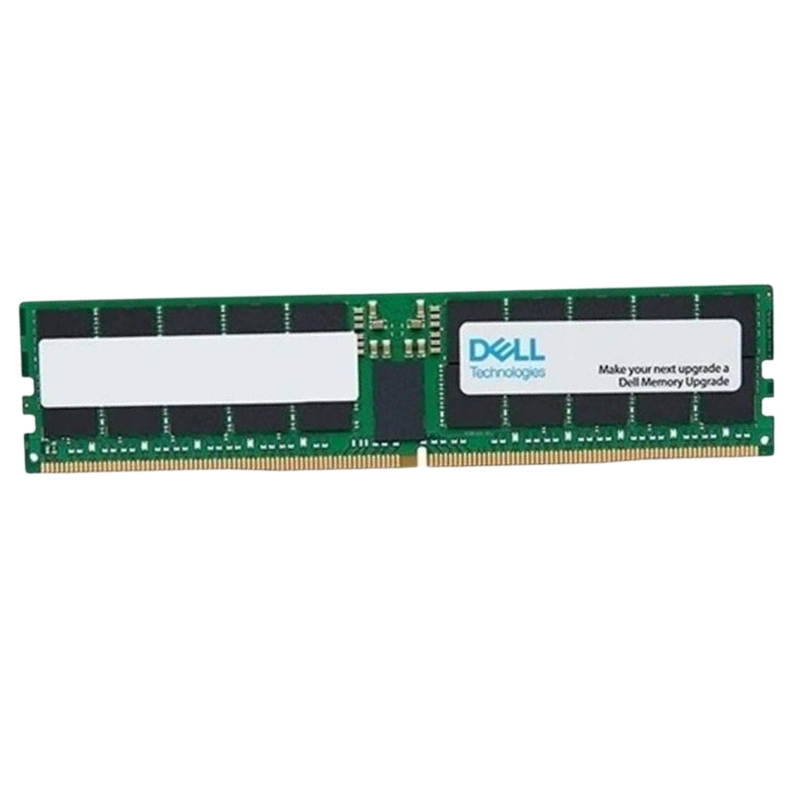


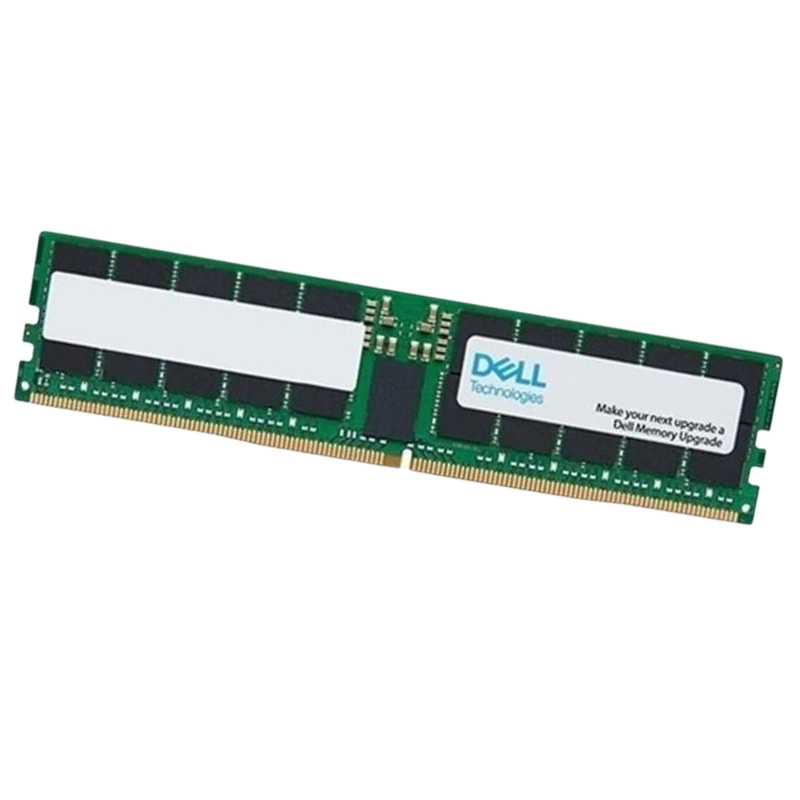
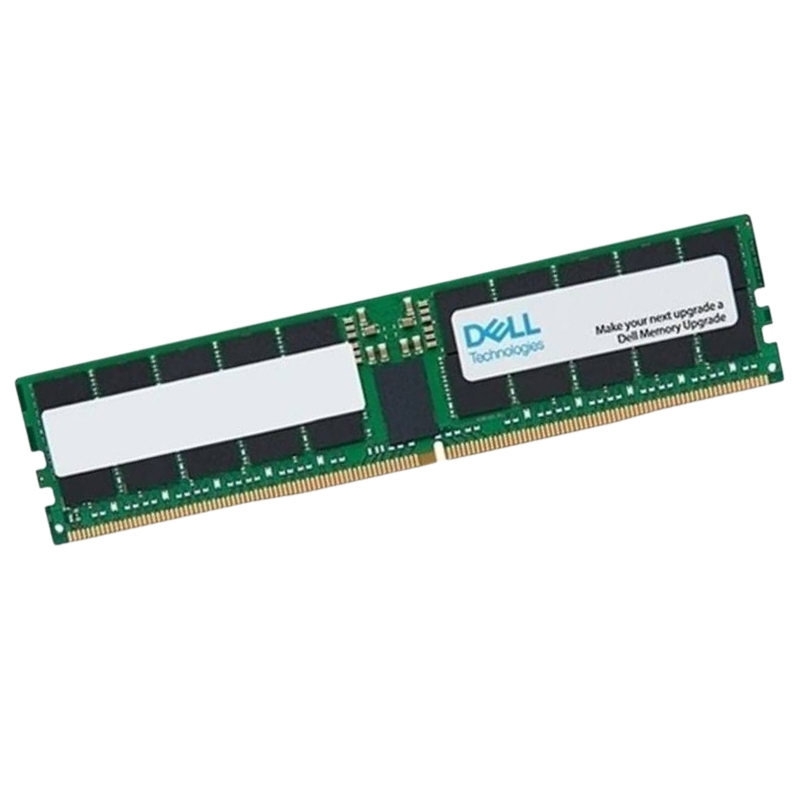
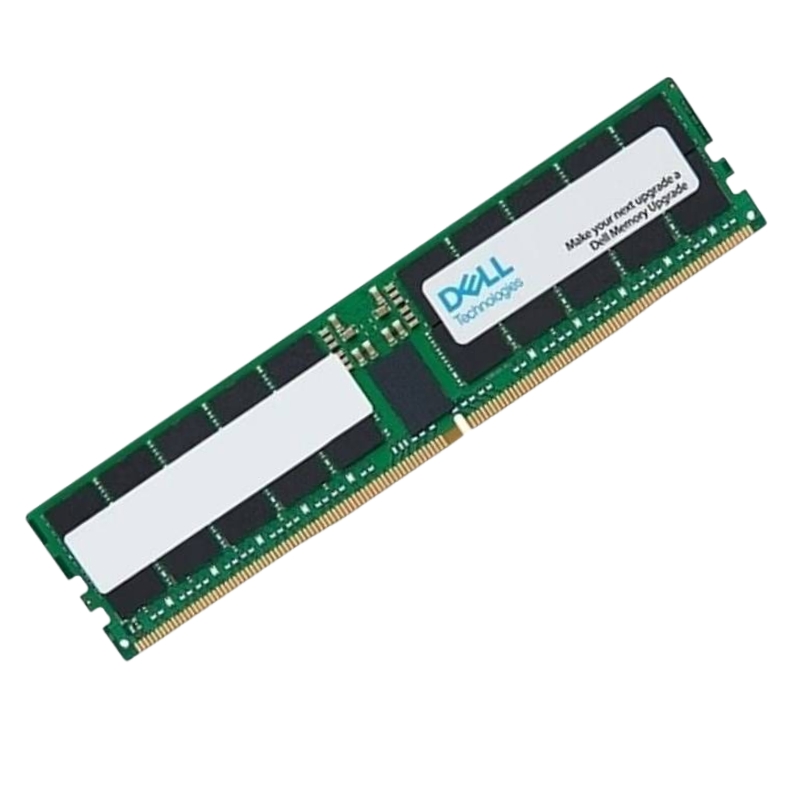
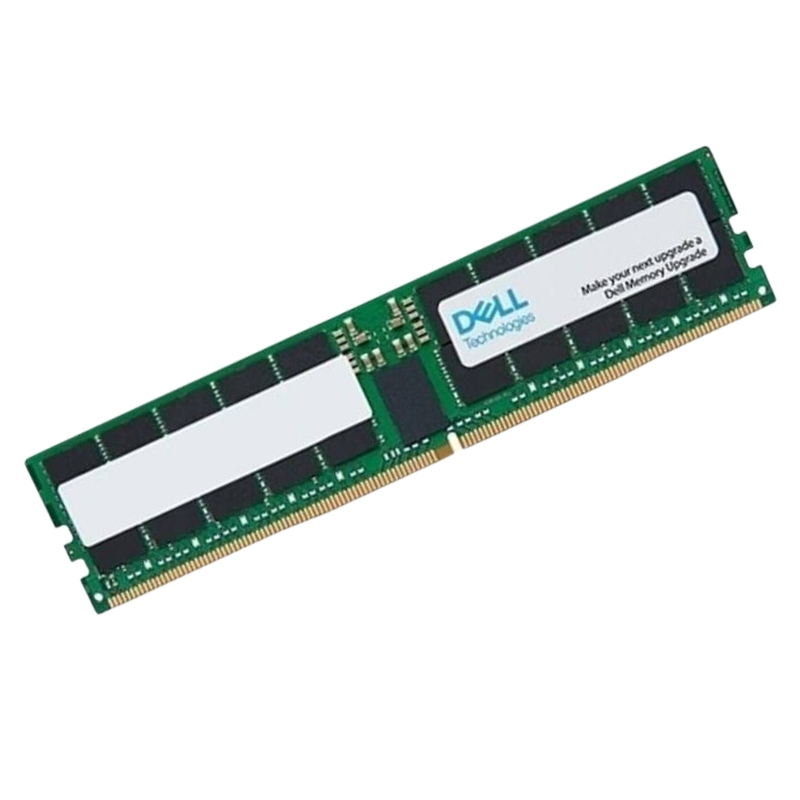
Dell 370-BDTN 64GB 6400MTS PC5-51200 CL52 Ecc Registered Dual Rank DDR5 SDRAM 288-Pin RDIMM Memory Module. New Sealed in Box (NIB) with 1 Year Warranty - Samsung Version
The Dell 370-BDTN 64GB DDR5 SDRAM memory module is engineered to deliver dependable server-grade performance for demanding enterprise workloads, virtualization platforms, cloud infrastructure, and high-capacity data processing environments. Built with advanced DDR5 technology, this ECC Registered RDIMM offers enhanced bandwidth, improved responsiveness, and optimized power efficiency for modern server systems.
The Dell 370-BDTN 64GB 6400MTS PC5-51200 CL52 ECC Registered Dual Rank DDR5 SDRAM 288-Pin RDIMM Memory Module is engineered for enterprise computing platforms that demand exceptional stability, scalable bandwidth, and reliable memory performance under continuous workloads. Built around advanced DDR5 memory technology, this module delivers substantial improvements in throughput, power management, memory density, and signal integrity when compared with previous server memory generations.
Designed specifically for enterprise-grade servers and workstation environments, this RDIMM memory module supports modern data center infrastructures that require dependable performance during virtualization, artificial intelligence processing, analytics computation, cloud infrastructure deployment, and database acceleration. The 64GB capacity enables large memory pools for multitasking server environments where applications consume substantial resources and require uninterrupted responsiveness.
The module operates at 6400MTS data transfer speeds, providing high-bandwidth memory communication for processors capable of utilizing next-generation DDR5 memory channels. With PC5-51200 classification, the module supports heavy computational workloads that rely on fast memory access, reduced latency overhead, and stable signal transmission across multiple DIMM configurations.
DDR5 technology introduces several architectural improvements that significantly enhance memory subsystem performance. Compared with DDR4 memory, DDR5 offers higher bandwidth, improved burst lengths, increased bank groups, and advanced channel efficiency. These enhancements improve data transfer consistency during concurrent workloads, enabling processors to communicate with memory more effectively.
The Dell 370-BDTN memory module incorporates these DDR5 advancements to support demanding server applications that process large datasets, machine learning operations, virtualization containers, and transactional databases. Higher transfer rates reduce bottlenecks that commonly appear in heavily utilized enterprise servers.
Another advantage of DDR5 architecture is improved power regulation. The onboard power management integrated circuit contributes to optimized voltage delivery, improved efficiency, and enhanced operational stability. Enterprise environments benefit from this refinement because stable power regulation supports long-term reliability in continuous operating conditions.
The 6400MTS specification represents a substantial increase in memory throughput for enterprise systems. Higher transfer rates improve the ability of servers to handle large-scale simultaneous operations, allowing processors to retrieve and process data more rapidly.
Applications involving virtualization clusters, enterprise resource planning systems, scientific simulations, and data-intensive analytics benefit directly from high-frequency memory operation. Faster memory speeds help reduce delays associated with memory access, enabling applications to maintain smoother execution under heavy demand.
Modern enterprise processors rely heavily on memory bandwidth to maintain computational efficiency. As core counts continue to increase in server CPUs, high-speed DDR5 memory becomes increasingly important for sustaining balanced performance across all processor cores.
Enterprise CPUs often feature dozens of cores operating simultaneously. Each core requires rapid access to memory resources in order to maintain high utilization rates. The Dell 370-BDTN RDIMM module helps provide the bandwidth required for modern multi-core processors to operate efficiently during parallel processing tasks.
High-speed memory performance is especially important in virtualization platforms where numerous virtual machines share physical memory resources. Faster transfer rates improve responsiveness for virtualized applications and reduce resource contention during peak usage periods.
Error correction capability is one of the defining characteristics of enterprise-class memory modules. The Dell 370-BDTN memory module integrates ECC technology to detect and correct memory data errors automatically. This capability is essential in environments where data integrity is critical.
ECC memory protects against memory corruption that may occur due to electrical interference, signal degradation, or hardware anomalies. By correcting single-bit errors and detecting more complex memory issues, ECC technology contributes to operational reliability and minimizes the risk of unexpected system crashes or corrupted datasets.
Servers supporting mission-critical workloads depend on ECC memory to maintain system stability during continuous operation. Industries such as finance, healthcare, cloud computing, scientific research, and enterprise database management often require ECC memory as part of their infrastructure standards.
Registered DIMM architecture introduces a register between the memory controller and memory chips. This register buffers command and address signals, improving signal integrity and enabling support for higher memory capacities in server systems.
The RDIMM design is particularly important in enterprise servers populated with multiple memory modules across several channels. Buffered communication reduces electrical load on the memory controller, contributing to stable operation in large memory configurations.
Compared with unbuffered memory, RDIMM modules are optimized for scalability and reliability rather than consumer desktop usage. Enterprise systems requiring extensive memory resources benefit significantly from the improved stability offered by registered memory architecture.
The 64GB capacity of the Dell 370-BDTN memory module provides substantial memory resources for modern server deployments. Large-capacity memory modules enable systems to host demanding applications without excessive reliance on slower storage-based paging operations.
Applications such as virtualization, enterprise database management, large-scale content processing, and advanced analytics benefit from increased memory availability. More memory capacity allows larger datasets to remain accessible within system memory, improving responsiveness and reducing latency associated with storage access.
Enterprise virtualization environments frequently allocate significant memory resources to multiple virtual machines operating simultaneously. High-capacity RDIMM modules help administrators maximize server density while maintaining stable application performance.
Modern database engines rely heavily on memory caching to accelerate query processing and transaction handling. The 64GB capacity supports large memory buffers that improve access to frequently requested information, reducing storage subsystem overhead.
Database servers handling high transaction volumes benefit from increased memory pools because more active data can remain in system memory for rapid retrieval. This capability improves overall system responsiveness and helps maintain consistent service levels.
The PC5-51200 classification identifies the module as a high-bandwidth DDR5 memory solution optimized for enterprise computing platforms. This classification reflects the theoretical maximum bandwidth supported by the memory module under ideal operating conditions.
Higher bandwidth contributes to improved communication between processors and memory subsystems. Enterprise applications involving simultaneous data processing tasks benefit from faster memory throughput and enhanced responsiveness.
Server platforms supporting DDR5 memory architectures can leverage PC5-51200 bandwidth capabilities to improve virtualization density, accelerate analytics operations, and support complex computational workloads more efficiently.
Enterprise systems frequently process multiple workloads concurrently. High-bandwidth memory modules help maintain balanced system performance during simultaneous application execution.
Applications involving rendering, engineering simulations, scientific modeling, financial analysis, and large-scale transactional processing require dependable memory bandwidth to sustain operational efficiency.
By delivering substantial data transfer capability, the Dell 370-BDTN module supports enterprise environments where continuous performance consistency is essential.
CAS latency influences how quickly memory responds to data requests from the processor. The CL52 specification represents timing characteristics aligned with high-frequency DDR5 enterprise memory operation.
While higher-frequency memory modules may feature larger numerical latency values than earlier memory generations, the overall performance gains associated with increased bandwidth and architectural efficiency contribute to superior real-world responsiveness.
The Dell 370-BDTN memory module balances transfer speed, reliability, and latency optimization to support enterprise workloads requiring stable and efficient memory access patterns.
The 288-pin DIMM design conforms to modern DDR5 server memory standards. This form factor ensures compatibility with enterprise server motherboards and workstation platforms designed for DDR5 RDIMM memory configurations.
The module layout supports efficient electrical communication, thermal management, and stable installation within enterprise systems. Proper DIMM architecture contributes to reliable signal integrity during high-speed operation.
Server manufacturers design enterprise motherboards with optimized memory traces and channel layouts to maximize DDR5 RDIMM performance. The standardized 288-pin configuration ensures integration consistency across supported platforms.
Dual rank memory architecture enables improved memory organization and performance optimization in enterprise environments. A dual rank module effectively contains two sets of memory chips accessible by the memory controller.
This configuration can improve memory efficiency by allowing the controller to alternate between ranks during operation. Dual rank designs often contribute to enhanced performance in multitasking server workloads where memory access patterns are highly dynamic.
The Dell 370-BDTN RDIMM module leverages dual rank architecture to support enterprise systems requiring balanced memory throughput, high capacity utilization, and stable workload distribution.
Large-scale enterprise deployments benefit from memory configurations that optimize bandwidth utilization and processing efficiency. Dual rank modules can contribute to improved memory subsystem responsiveness during concurrent application execution.
Server administrators frequently deploy dual rank RDIMM modules in environments where virtualization density, analytics processing, and database acceleration are operational priorities.
The Dell 370-BDTN memory module is well suited for modern data center infrastructure where performance consistency and reliability are essential. Data centers supporting cloud computing, virtualization, enterprise applications, and distributed workloads require memory solutions engineered for continuous operation.
High-capacity DDR5 RDIMM modules contribute to efficient server consolidation strategies by enabling systems to host larger workloads within fewer physical servers. This can improve operational efficiency and support scalable infrastructure growth.
Modern enterprise environments rely heavily on memory performance to sustain responsive service delivery across distributed applications and virtualized platforms.
Cloud computing environments depend on scalable memory resources to support dynamic workload allocation and resource balancing. DDR5 RDIMM memory helps maintain stable virtual machine performance while supporting increasing computational demands.
As organizations continue migrating services to cloud-based infrastructure, memory performance becomes increasingly important for maintaining user responsiveness and service continuity.
The Dell 370-BDTN RDIMM memory module is intended for compatible enterprise servers and workstations supporting DDR5 ECC Registered memory technology. System compatibility depends on motherboard architecture, processor support, BIOS configuration, and memory channel design.
Enterprise platforms designed for DDR5 RDIMM operation can leverage the module’s high-speed capabilities and large memory capacity for advanced computational workloads.
Organizations upgrading server infrastructure frequently select DDR5 RDIMM memory to support future scalability requirements and increasing application demands.
Enterprise servers commonly utilize multi-channel memory architectures to maximize throughput. Proper memory population across supported channels helps improve bandwidth efficiency and system responsiveness.
The Dell 370-BDTN module contributes to balanced memory performance when installed according to manufacturer-recommended channel configurations.
High-frequency DDR5 operation requires sophisticated signal management to maintain stable communication between memory modules and processors. The Dell 370-BDTN memory module incorporates enterprise-grade engineering techniques that help preserve signal integrity during high-speed data transfer.
Registered DIMM architecture contributes to cleaner signaling by buffering command and address communication. This helps maintain stability in systems populated with multiple high-capacity memory modules.
Improved signal integrity is especially important in enterprise servers operating under heavy workloads where stable communication directly influences system reliability.
Organizations investing in DDR5 RDIMM memory position their infrastructure for evolving computational demands and future application growth. The Dell 370-BDTN module supports modern enterprise architectures designed for increasing processor core counts, larger datasets, and advanced virtualization strategies.
As enterprise applications become more memory intensive, scalable DDR5 solutions help organizations maintain competitive infrastructure performance and operational efficiency.
Future-ready server environments benefit from memory technologies capable of supporting emerging workloads involving artificial intelligence, real-time analytics, distributed computing, and advanced automation platforms.


 Contact Us
 Information
 Catalog
 Solid State Drives (SSD)
 Network Switches
 Hard Disk Drives
 HBA & Controllers
 PC & Servers
 PC & Server Memory
 CPU & Processors
 Network Routers
 Power Supplies
 Tape Drives & Libraries
 Network Devices
 Computer & Network Cables