(7% discount is applied at checkout)
Cart is empty
Your go-to destination for cutting-edge server products
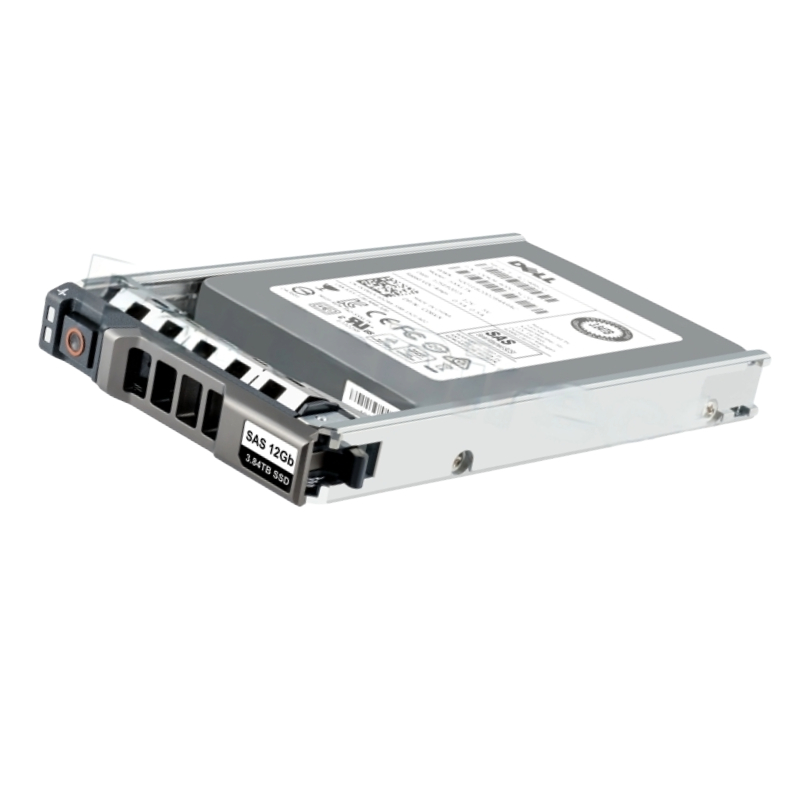


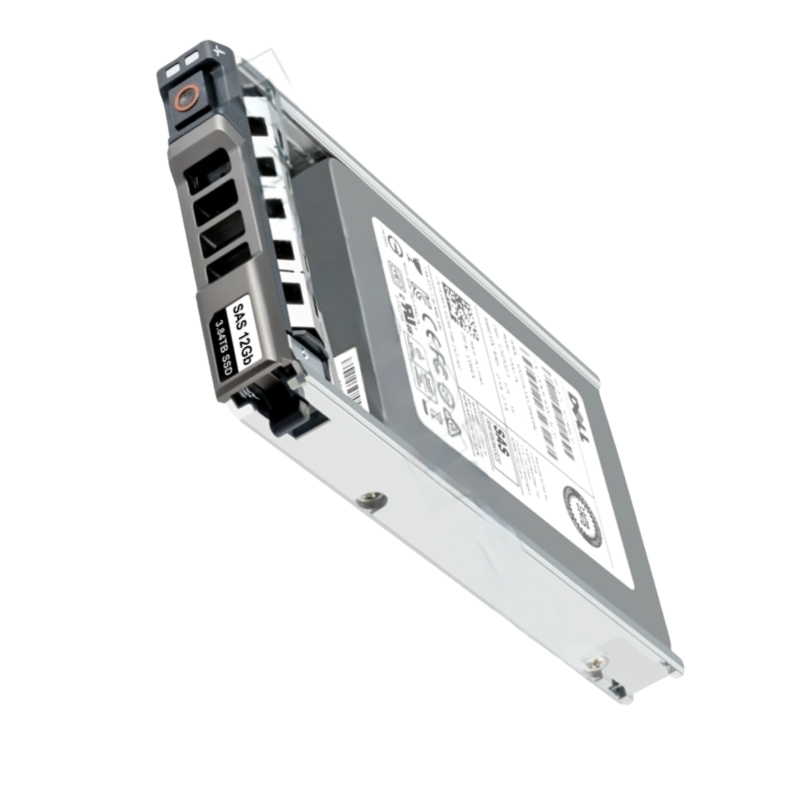
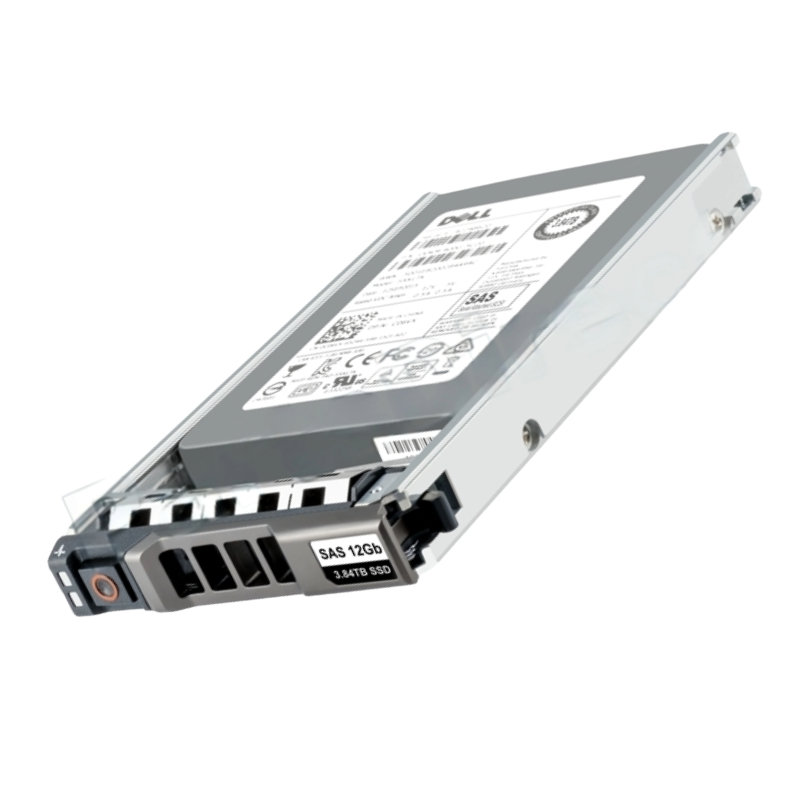
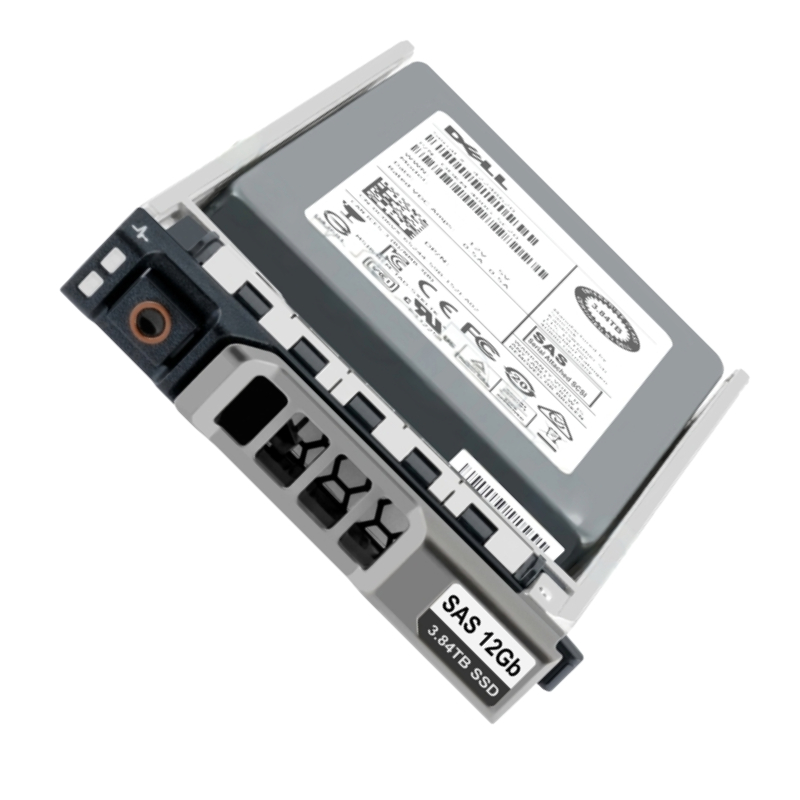
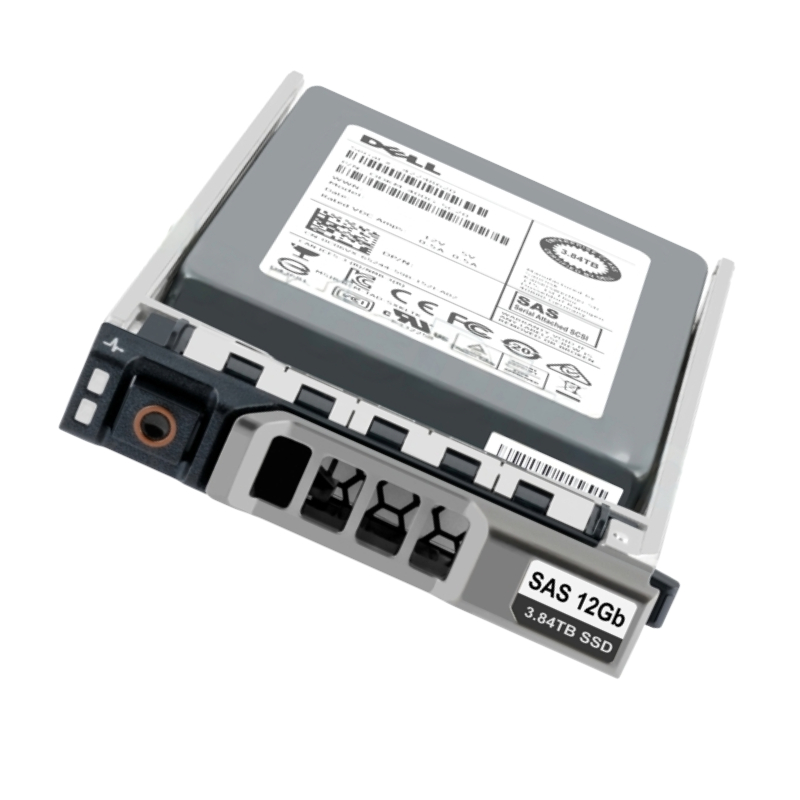
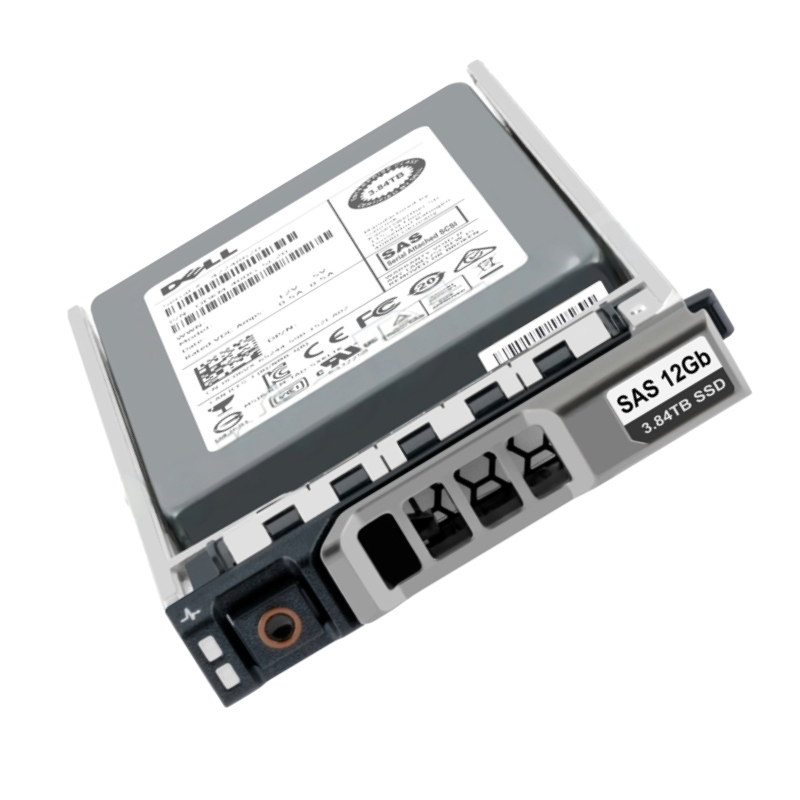
Dell 400-ANNZ 3.84TB Read Intensive SAS 12GBPS 512e 2.5inch SSD. Excellent Refurbished with 1 Year Replacement Warranty
The Dell 400-ANNZ 3.84TB Mixed-Use MLC SAS-12Gbps 2.5-inch hot-plug solid state drive is positioned within the enterprise-grade storage category aimed at medium to large data centers, high-availability server fleets, and mission-critical PowerEdge server deployments. As a mixed-use drive that leverages multi-level cell (MLC) flash technology and a SAS 12Gb/s interface, this category addresses workloads that require a balanced combination of high sustained throughput, consistent low latency, and greater write endurance than consumer-class or read-optimized SSDs. The category contains variants and compatible subcategories including different capacities, firmware-optimized models for specific PowerEdge generations, and alternate endurance profiles for read-intensive, mixed-use, and write-intensive applications. Placing these drives into the server storage hierarchy highlights their role as primary application storage, VM boot volumes, database log devices, and high-performance cache tiers where reliability and serviceability are essential.
The SAS (Serial Attached SCSI) 12Gbps interface used by the Dell 400-ANNZ family provides dual-port connectivity and enterprise-class command queuing, enabling predictable performance under heavy, concurrent multi-threaded I/O. The 2.5-inch form factor is industry standard for modern PowerEdge servers and hyperconverged platforms, permitting high drive density and compatibility with common hot-swap drive sleds. The hot-plug capability ensures that drives can be replaced or upgraded without taking the server offline, which is crucial for maintaining uptime in 24/7 production environments.
These 2.5-inch SAS drives are designed to be physically compatible with Dell PowerEdge drive bays and caddies. Firmware-level compatibility is equally important: firmware images may include vendor-specific optimizations to work seamlessly with Dell RAID controllers, backplanes, and server management utilities. Compatibility matrices for each PowerEdge generation clarify supported firmware revisions and controller versions. Integrators and administrators should cross-reference the drive part number and firmware build when planning firmware updates or when populating storage arrays to avoid firmware mismatch scenarios that could affect drive visibility or performance.
Within PowerEdge servers, the Dell 400-ANNZ drives are frequently deployed behind hardware RAID controllers or as part of software-defined storage arrays. When configuring RAID levels, administrators must consider the drive’s mixed-use endurance and performance profile to choose an optimal RAID level and stripe size. The dual-port nature of SAS drives supports multipathing and improved failover in multipath I/O configurations. RAID rebuild times, hot-spare selection, and the potential impact of background operations on live workloads must be evaluated to maintain predictable service levels.
Enterprise SSDs in this category implement SMART telemetry and vendor-specific health reporting that provide critical indicators such as media wear, bad block counts, power-on hours, and uncorrectable error counts. Dell systems can consume this telemetry within iDRAC and OpenManage frameworks to trigger alerts, schedule proactive replacements, and integrate with predictive failure analytics. Advance planning informed by SMART thresholds and historical trends reduces unexpected drive failures and supports capacity planning and procurement strategies.
To protect against incomplete writes and maintain data integrity during power interruptions, these enterprise drives include on-board power-loss protection circuitry, capacitors to flush volatile write caches to nonvolatile memory, and firmware safeguards to ensure consistent metadata updates. This protection is essential for transactional workloads and for preserving filesystem consistency when drives are used for database logs or journaling devices.
Manufacturers typically publish MTBF values and annualized failure rate estimates to help IT teams model reliability. While MTBF is a statistical estimate, the combination of enterprise-grade components, controller error management, and rigorous testing increases expected service life. Planning based on MTBF estimations should be combined with practical inventory management policies such as maintaining spare drive pools matched by firmware and capacity, and scheduling rolling replacements before drives reach critical wear thresholds.
Mixed-use SSDs are versatile and can support a range of workloads; however, optimal results stem from aligning drive profile to the application. For small-block, random I/O workloads common in OLTP databases and virtualized I/O, drives with strong steady-state random write performance and low latency are preferred. For logging or write-heavy caching layers, administrators should verify endurance ratings and consider over-provisioning to improve write amplification characteristics and sustained performance. For read-mostly analytical workloads, mixed-use drives still provide improved performance over HDDs, but read-optimized variants may offer cost benefits if endurance requirements are minimal.
In virtualization environments hosting aggregated virtual machine workloads, these Dell 400-ANNZ SSDs deliver the low-latency IOPS needed for responsive VM boot storms, high-concurrency multi-tenant operations, and storage backends for hyperconverged platforms. Mixed-use endurance supports the bursty write patterns that occur during snapshots, replication, and VM migrations. When used as local datastore devices or within software-defined storage pools, the drives can provide predictable transactional performance for multi-tenant environments.
Databases that require a blend of random reads and writes, such as relational databases and NoSQL systems, benefit from the Dell 400-ANNZ drive’s steady random performance. Storing database logs or write-ahead logs on dedicated SSDs accelerates commit latency and improves transaction throughput. For large OLTP workloads, administrators often segregate log and data volumes to maximize parallelism and reduce contention, leveraging the drive’s power-loss protection and consistent latency for integrity-critical operations.


 Contact Us
 Information
 Catalog
 Solid State Drives (SSD)
 Network Switches
 Hard Disk Drives
 HBA & Controllers
 PC & Servers
 PC & Server Memory
 CPU & Processors
 Network Routers
 Power Supplies
 Tape Drives & Libraries
 Network Devices
 Computer & Network Cables