(7% discount is applied at checkout)
Cart is empty
Your go-to destination for cutting-edge server products
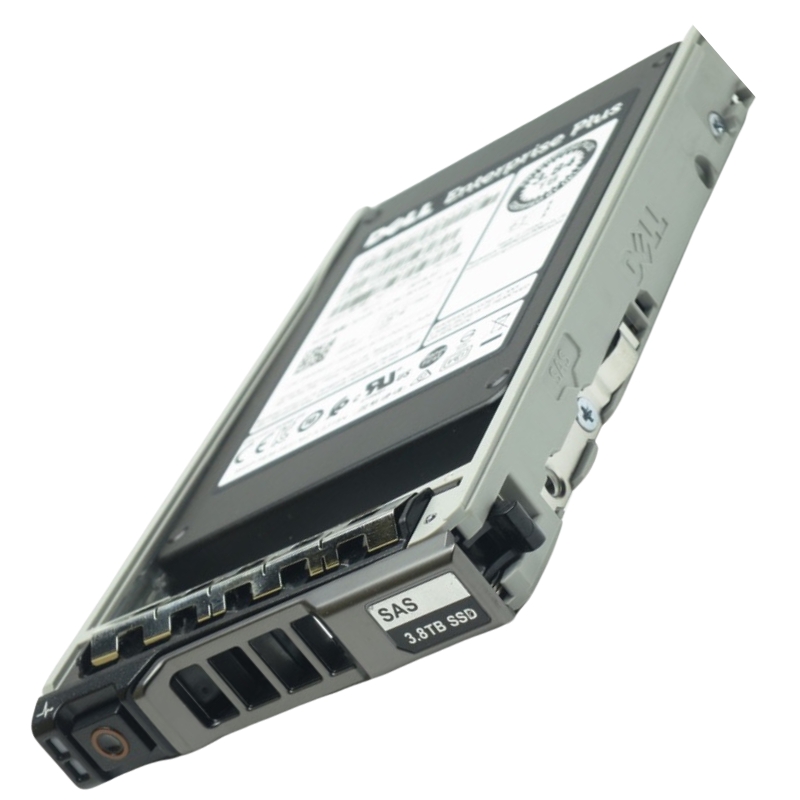


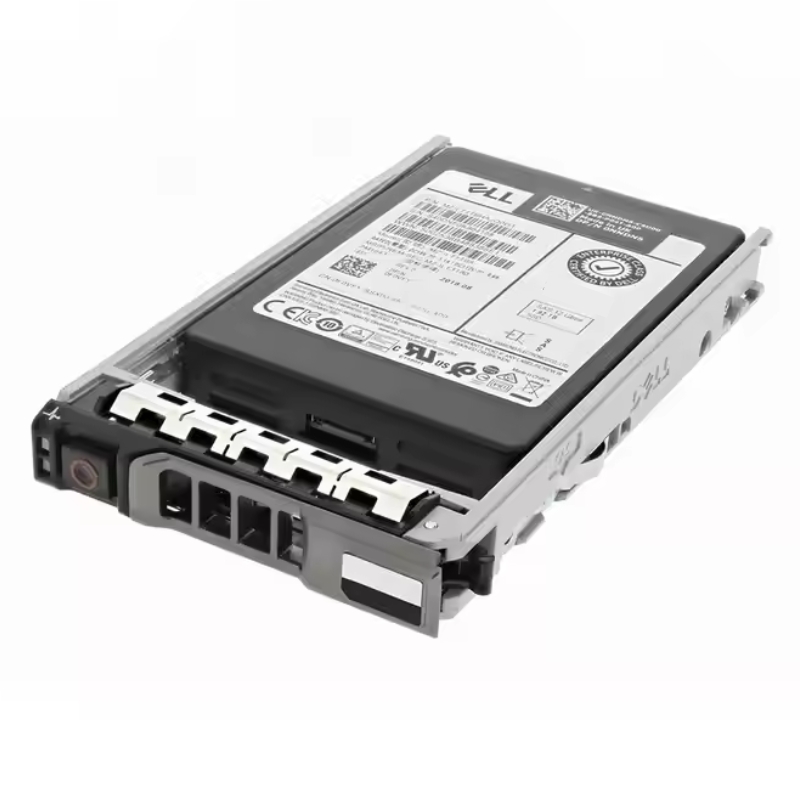
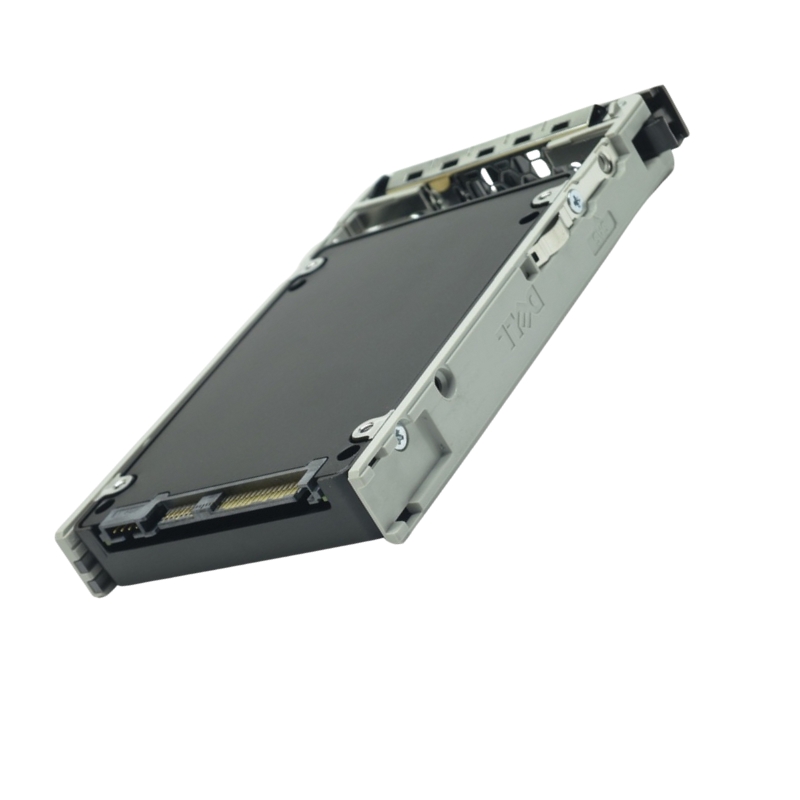
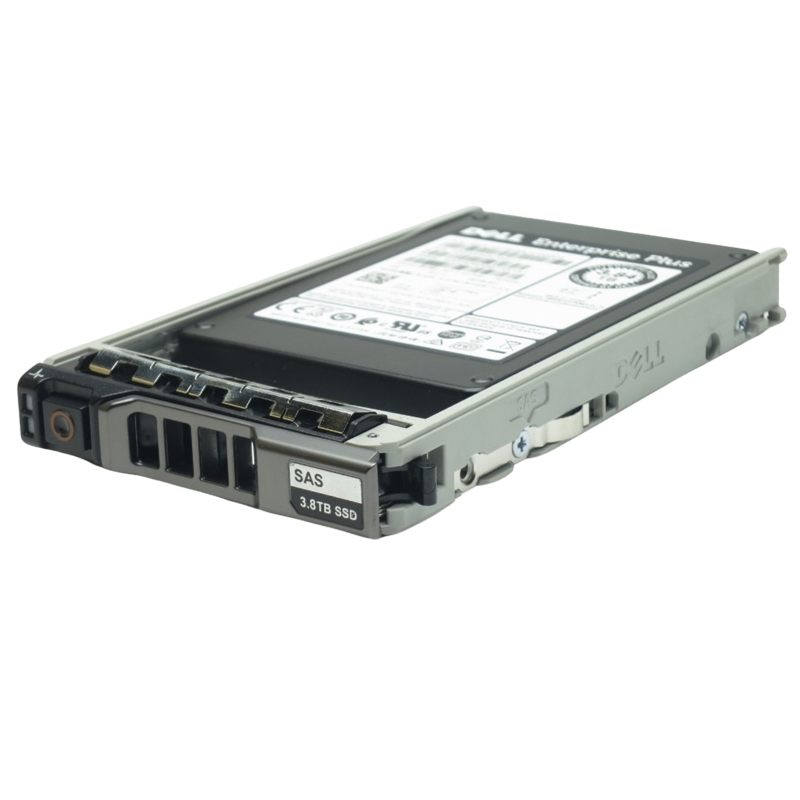
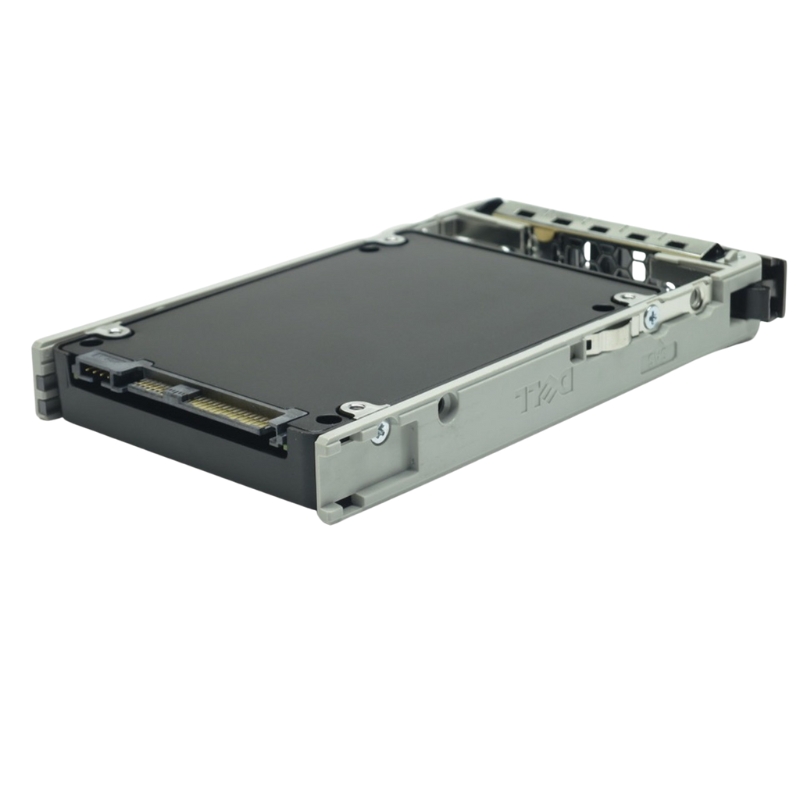
Dell 400-AQMO 3.84TB SAS 12Gbps 2.5inch Read Intensive Hot Plug TLC SSD. New Sealed in Box (NIB) with 1 Year Warranty
Designed for demanding read-centric workloads, the Dell 400-AQMO solid-state drive delivers exceptional performance and reliability for data-intensive environments.
This SSD is engineered to integrate seamlessly with a wide range of Dell PowerEdge servers, ensuring optimal performance and compatibility.
The Dell 400-AQMO 3.84TB Read-Intensive TLC SAS 12Gbps 512e 2.5-inch hot-plug solid state drive represents a focused enterprise category optimized for high-capacity, read-heavy server workloads. Positioned for datacenter installations, virtualized environments, and large-scale file-serving applications, this drive pairs dense flash capacity with a SAS-3 (12Gb/s) interface and an industry-standard 2.5-inch small form factor that supports hot-swap serviceability. The architecture prioritizes predictable, low-latency read performance over maximum write endurance, making it a clear fit for applications where reads outnumber writes by wide margins, such as content delivery, analytics query staging, large-scale cache layers, and boot/service volumes for virtual machines.
Using the 2.5-inch SFF footprint allows racks and storage bays to achieve higher drive density and improved thermal management compared with larger form-factor drives. The 12Gb/s SAS interface provides enterprise-class features that are essential in multi-path, redundant server architectures, including improved negotiation speeds, full-duplex data transfer potential, and broad backward compatibility with SAS and SATA controllers found in modern PowerEdge servers. Because the 400-AQMO is engineered for hot-plug operation, it supports rapid drive replacement without system downtime when used with a properly configured storage controller and chassis backplane, which helps operations teams maintain service-level agreements and reduces planned maintenance windows.
At 3.84 terabytes of usable flash capacity, drives in this category deliver a balance of high capacity and enterprise manageability while fitting a standard 512e logical sector format. The 512e format preserves compatibility with many existing server OS and storage stacks that expect 512-byte logical sectors while enabling higher physical sector sizes for improved storage efficiency and performance under certain workloads. For system architects planning dense arrays or tiered storage pools, the 3.84TB capacity point is a practical building block for creating large, read-optimized pools that reduce the physical footprint and simplify cabling, cooling, and power allocation when compared with many smaller form-factor configurations.
Compatibility with Dell PowerEdge systems is an explicit selling point for this category. Drives sold under the 400-AQMO designation are commonly offered with vendor-validated firmware and part-numbering that ensures full mechanical and electrical compatibility with the hot-swap sleds, backplanes and RAID controllers shipped in PowerEdge generations frequently deployed in enterprise datacenters. This ecosystem alignment reduces integration risk and enables features such as controller-level SMART reporting, vendor-specific secure erase functions, and firmware-level power management that cooperates with the server platform’s thermal and power policies. System administrators deploying arrays of 400-AQMO drives should consult Dell’s compatibility matrices and firmware advisories to match the drive firmware to the controller firmware and server generation to preserve warranty and ensure the best performance.
Because flash is sensitive to both extreme heat and repeated thermal cycling, enterprise SSDs in this category are designed and validated to operate within defined datacenter temperature ranges and vibration profiles. Proper chassis airflow, rack-level hot/cold aisle planning, and attention to cooling capacity per rack will materially impact sustained performance and reliability. When multiple high-density drives are populated in a chassis, administrators should use drive-level temperature telemetry and chassis-level alarms to ensure that thermal thresholds are not exceeded. In practical terms this means planning for sufficient front-to-rear airflow, avoiding rack overcrowding, and validating that the server thermal policy supports the mixed load of CPU, memory, and dense storage media.
Performance expectations for read-intensive TLC SAS drives center around predictable, low-latency reads and consistent throughput under typical datacenter queue depths. These drives typically exhibit very fast random and sequential read latencies compared with spinning media, and they can sustain high IOPS for read-heavy patterns. However, because TLC flash accepts fewer program/erase cycles than some higher-endurance flash technologies, write amplification and sustained heavy-write patterns should be avoided or offloaded to write-optimized tiers. Recommended architectures pair read-intensive drives like the 400-AQMO with higher-endurance write-oriented SSDs or NVMe cache layers to absorb short bursts of write activity and smoothly feed the read pool. This tiered approach preserves the cost advantages of TLC while maintaining overall system responsiveness and durability.
Real-world tuning for the SAS 12Gbps interface and enterprise controllers involves testing under realistic queue depths and I/O mixes. For small-block, random-read workloads typical of virtual desktop infrastructure and many database read-query scenarios, the drive’s low latency delivers measurable end-user performance improvements when compared to HDD tiers. For large-block sequential reads, throughput is largely limited by the aggregation of controller, backplane, and bus bandwidth across multiple drives in the array. Architects should determine the effective per-drive throughput at the queue depths and block sizes expected in production and plan controller and RAID stripe widths accordingly to avoid creating bottlenecks at the controller or HBA level.
Designing arrays with the 400-AQMO category requires attention to RAID level selection, stripe width, and overprovisioning. Read-intensive SSD pools often benefit from RAID levels that offer fast rebuild times and minimal write amplification, which can be achieved by carefully selecting stripe widths that balance rebuild load with the number of drives available. Overprovisioning the drive’s spare capacity at the array or controller level reduces write amplification and increases effective endurance; many administrators plan additional overprovisioning beyond the manufacturer defaults when managing large-scale deployments. Thoughtful array design also includes capacity planning for future growth and mapping retention and backup policies so that the read-optimized tier does not become a single point of failure for critical primary data.
Because read-intensive drives are often used for primary read pools or content stores, integration with backup and replication workflows is essential. Frequent snapshotting of read datasets can provide quick restore points without inducing heavy write cycles on the read-optimized tier, while asynchronous replication moves data to remote sites for disaster recovery without overloading the primary arrays. Coordinate snapshot frequency, retention windows and replication lag targets with recovery point objectives and recovery time objectives to ensure that the read tier does not become a bottleneck in recovery scenarios. Offloading heavy write-based operations like full backups to separate backup appliances or tape archives can reduce wear on the 400-AQMO drives and extend their operational life.
Solid state drives deliver meaningful power savings and reduced mechanical complexity compared with spinning disks, particularly in dense configurations. The 2.5-inch SAS SSD form factor enables higher density per rack, which reduces the number of chassis and the amount of network and power distribution infrastructure required for the same raw capacity. When planning deployments, include per-drive idle and active power figures in power and thermal load calculations so that UPS, PDU and cooling provisioning are accurate. Over time, the reduced mechanical failure rate and lower cooling needs can produce operational savings that partially offset the higher per-drive cost versus HDDs.


 Contact Us
 Information
 Catalog
 Solid State Drives (SSD)
 Network Switches
 Hard Disk Drives
 HBA & Controllers
 PC & Servers
 PC & Server Memory
 CPU & Processors
 Network Routers
 Power Supplies
 Tape Drives & Libraries
 Network Devices
 Computer & Network Cables