(7% discount is applied at checkout)
Cart is empty
Your go-to destination for cutting-edge server products
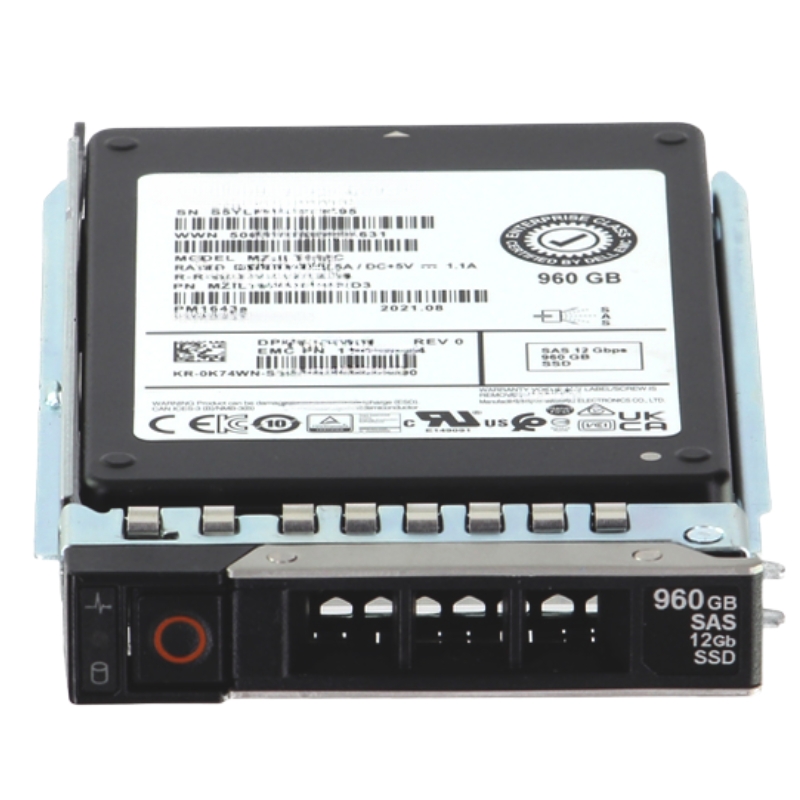


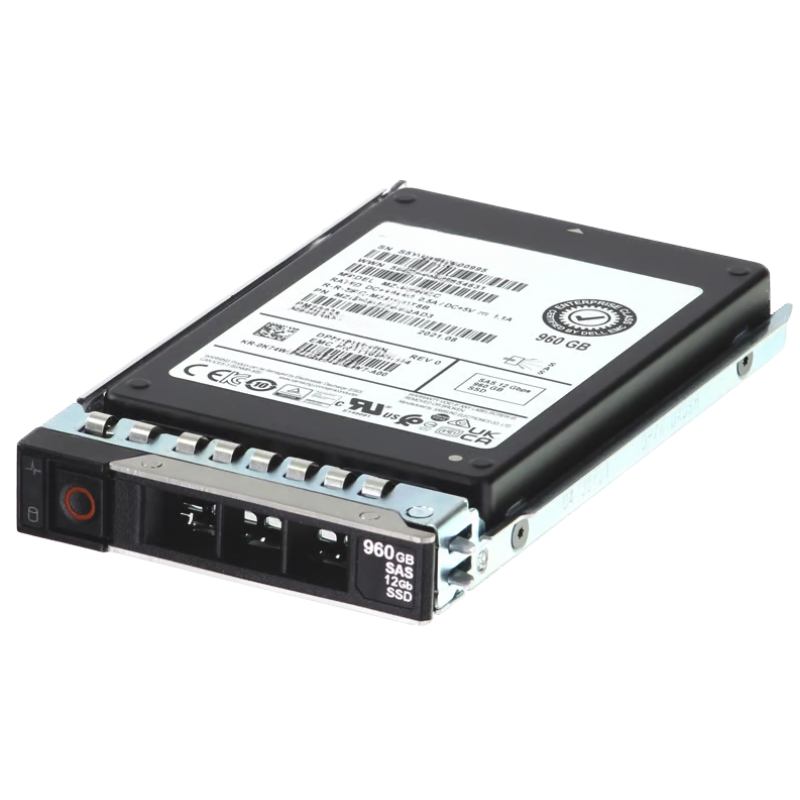
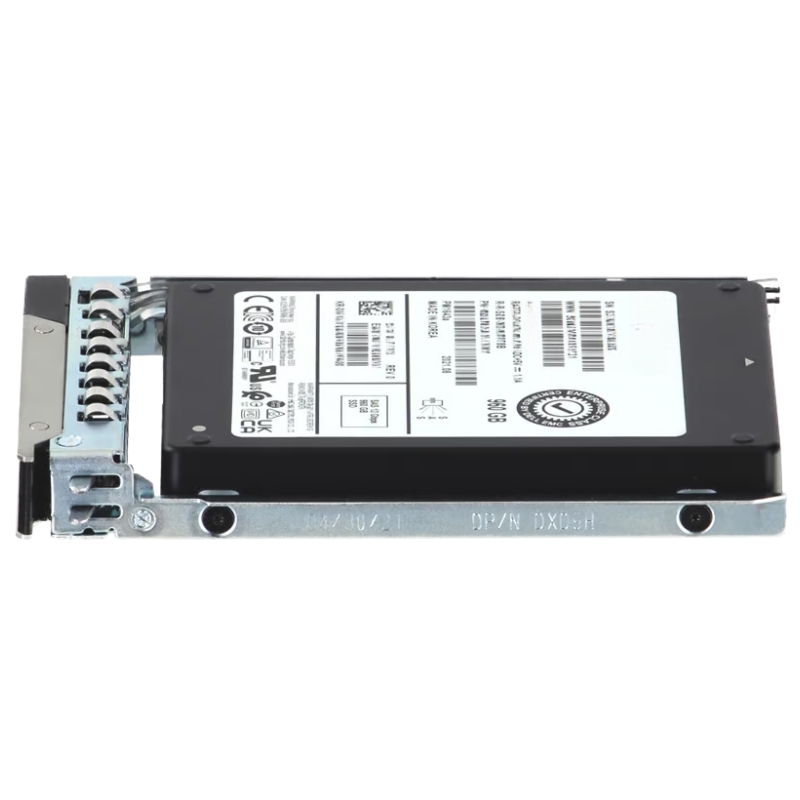
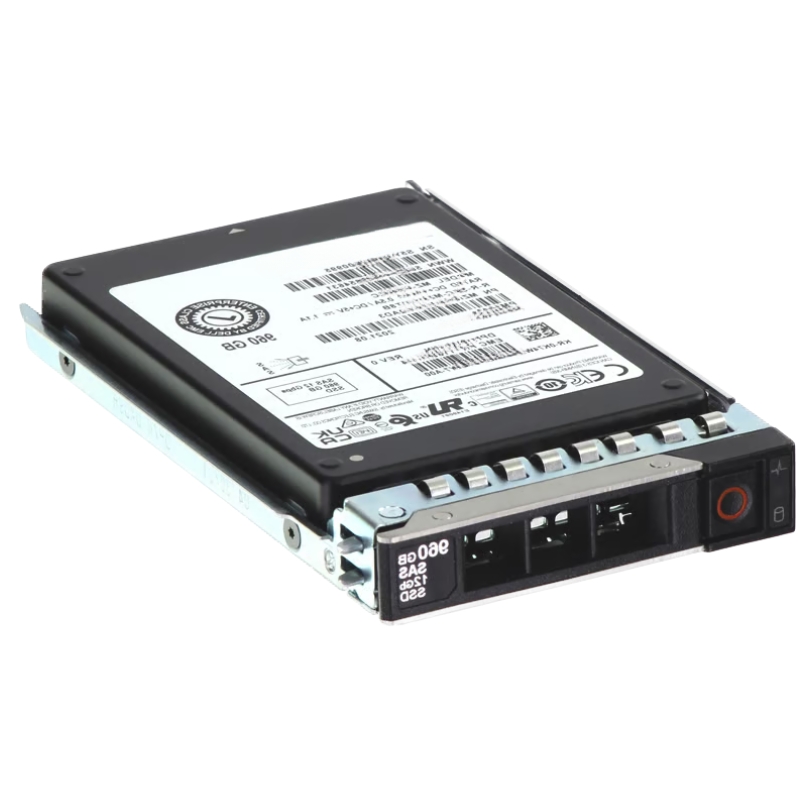
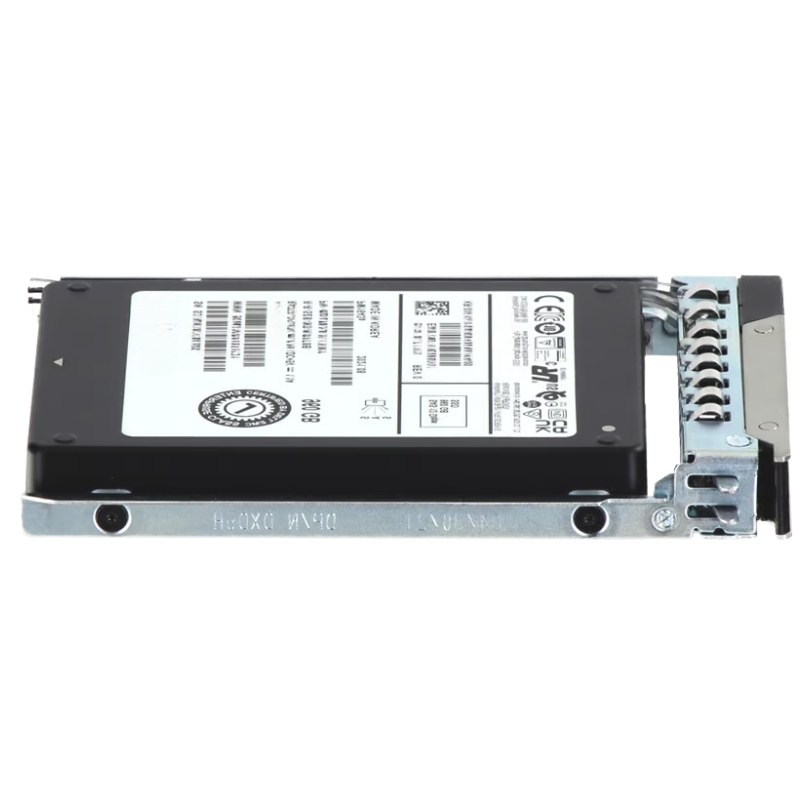
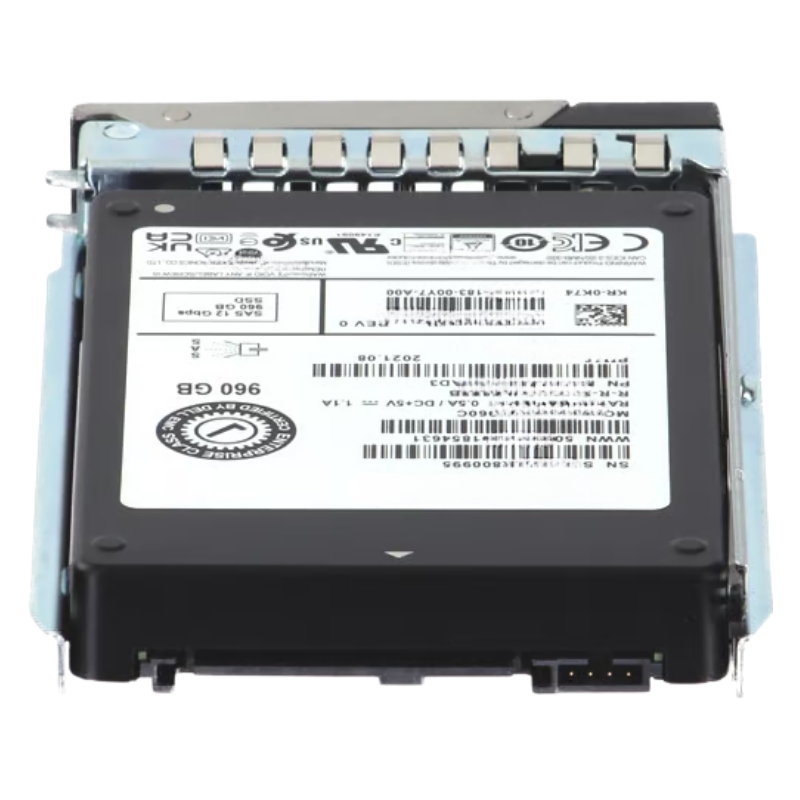
Dell 400-AQOS 960GB SAS 12GBPS 512E 2.5Inch Read Intensive Tlc Hot Swap SSD. Excellent Refurbished with 1 Year Replacement Warranty
The Dell 400-AQOS 960GB Read-Intensive MLC SAS-12GBPS 512e 2.5-inch hot-swap solid state drive category represents an enterprise-grade storage class engineered specifically for PowerVault server environments and compatible SAS storage arrays. This category centers on high-throughput, low-latency flash media optimized for read-heavy workloads where predictable response times, long-term endurance for read cycles, and server-class connectivity matter most. Built around multi-level cell (MLC) NAND and the 12Gb/s Serial Attached SCSI interface with 512e physical sector emulation, these 2.5-inch form factor SSDs deliver a balance of capacity, reliability, and cost-efficiency for virtualization hosts, database read replicas, content delivery, and large-scale caching layers within on-premises datacenters.
Under the hood, this SSD category leverages the SAS-12Gbps protocol to provide sustained sequential throughput and robust full-duplex communication suitable for enterprise controllers. The 512e sector emulation addresses compatibility with legacy sector expectations while enabling modern flash-friendly logical sector handling. The 2.5-inch 7mm or 15mm height (depending on SKU) ensures wide compatibility with server drive bays and hot-swap sleds, while the hot-swap capability permits drive replacement without powering down the PowerVault chassis. These drives are designed to deliver consistent read IOPS and low queue-depth latency that enterprise applications require, and they often include advanced firmware features such as power-loss protection, background media management, and thermal throttling safeguards to prolong media life and protect data integrity during transient power events.
As a 2.5-inch enterprise SSD family, the Dell 400-AQOS conform to the standard drive dimensions and carrier mounting architecture found in Dell PowerVault and many server vendors’ backplanes. The compact footprint increases drive density per shelf and allows storage architects to populate higher-capacity server nodes without the space penalty associated with 3.5-inch drives. The mechanical interface is intentionally aligned to support hot plug and hot swap protocols commonly used in enterprise arrays, enabling maintenance and replacement during service windows with minimal disruption. Careful attention to connector robustness and kinematic guides within the drive sled minimizes vibration transfer and ensures secure electrical mating even under heavy rack vibration conditions.
Performance for this category is optimized around read-intensive use cases; sequential and random read throughput are prioritized in the controller firmware and flash translation layer. Typical enterprise metrics for these drives emphasize high steady-state read throughput, competitive read IOPS at various queue depths, and consistent latency under mixed workload patterns dominated by reads. The choice of MLC NAND supports higher endurance than consumer-grade TLC when weighted toward read-heavy patterns, enabling longer service life under continuous read-dominant access. Wear-leveling algorithms, background garbage collection, and over-provisioning strategies are tuned to maintain performance across the drive’s lifecycle and to reduce latency spikes that can harm latency-sensitive workloads such as OLTP read replicas and virtual desktop infrastructure read caches.
Compatibility is a central selling point for this category: Dell labels and validates these SSDs for PowerVault servers and Dell-certified enclosures, ensuring that firmware interplays, SMART reporting, and predictive failure signals integrate with Dell’s systems management tools. Systems administrators running PowerVault MD-series shelves or similar SAS backplanes will find firmware-level compatibility for enclosure management and firmware update delivery. While generic SAS-12Gbps SSDs may appear functionally similar, using the Dell 400-AQOS category drives guarantees the correct attribute reporting to OpenManage and related monitoring stacks, simplifying lifecycle management and reducing unexpected incompatibility when performing firmware updates or storage tiering operations.
Manufacturers provide MTBF figures and annualized failure rates to allow storage planners to expected device reliability across large fleets. In practice, these drives are intended to meet enterprise MTBF standards and to survive sustained data center operating conditions over multi-year deployments. The combination of validated components, industrial-grade NAND, and firmware-level mitigations contributes to an operational profile that supports 24/7 datacenter use. Architects typically include these metrics in capacity planning and replacement scheduling to ensure appropriate spares stocking and to avoid extended rebuild windows that can strain array performance in degraded modes.
Use cases for Dell 400-AQOS 960GB read-oriented SSDs include database read replicas, search indexes, virtualization read caches, analytics nodes where query-read dominance exists, and content delivery where throughput for serving static or semi-static objects is critical. They are particularly effective when paired with tiering strategies that offload reads to SSD tiers while writes are funneled to higher endurance devices or hybrid arrays. In scale-out architectures, placing these SSDs as an accelerated read tier in front of high-capacity spinning disks greatly improves the end-user experience for large datasets while controlling capital expenditure by avoiding over-provisioning of higher-endurance write-optimized SSDs across the entire dataset.
Storage administrators commonly use these drives within automated tiering policies, deploying them as the upper tier for frequently-accessed data or as dedicated read caches at the controller level. When combined with intelligent heat-mapping and hot-block identification, the 960GB read-optimized SSDs reduce read latency for the most frequently accessed dataset slices while keeping colder data on cost-effective magnetic media. Caching layers implemented using these drives can accelerate random read workloads significantly, improving query response times and reducing CPU wait states on application hosts.
Power consumption for MLC-based, read-optimized SAS drives is typically lower than high-write endurance variants, which benefits thermal design and overall rack power budgets. However, in dense PowerVault or blade environments, aggregated power and heat generation must be considered. The drives’ firmware often includes thermal throttling to prevent overheating; however, architects should worst-case throughput conditions because sustained high read throughput will elevate drive temperatures and may cause throttling if ambient cooling is insufficient. Planning for adequate airflow, monitoring drive temperatures via management tools, and adhering to manufacturer-specified temperature ranges ensures the drives operate within optimal thermal envelopes and deliver sustained performance across the deployment.
Within an SSD selection matrix, the Dell 400-AQOS 960GB read-focused SAS-12Gbps family is compared against mixed-use and write-intensive categories. Compared to write-optimized NVMe or higher-endurance SAS SSDs, this category favors cost-effective read throughput while sacrificing some write endurance and absolute write throughput. Compared to commodity SATA SSDs, the enterprise SAS interface offers better link-level reliability, dual-port redundancy in some implementations, and better integration with server-class RAID controllers. Choosing this category depends on workload profiling: for systems where reads dominate and predictable response time is paramount, these drives often represent the best value and operational fit for PowerVault-centric infrastructures.


 Contact Us
 Information
 Catalog
 Solid State Drives (SSD)
 Network Switches
 Hard Disk Drives
 HBA & Controllers
 PC & Servers
 PC & Server Memory
 CPU & Processors
 Network Routers
 Power Supplies
 Tape Drives & Libraries
 Network Devices
 Computer & Network Cables