(7% discount is applied at checkout)
Cart is empty
Your go-to destination for cutting-edge server products
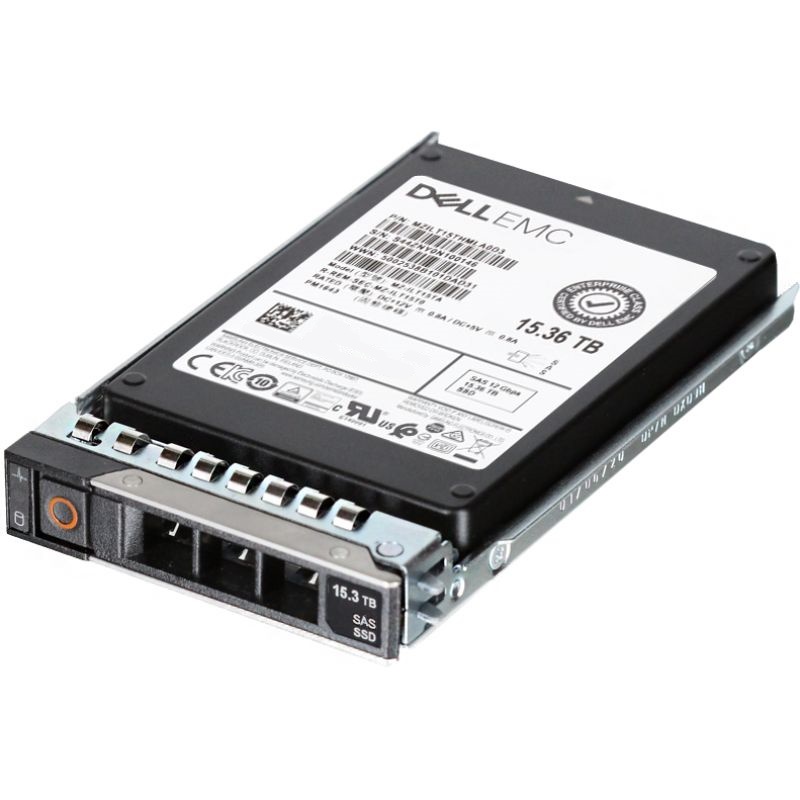


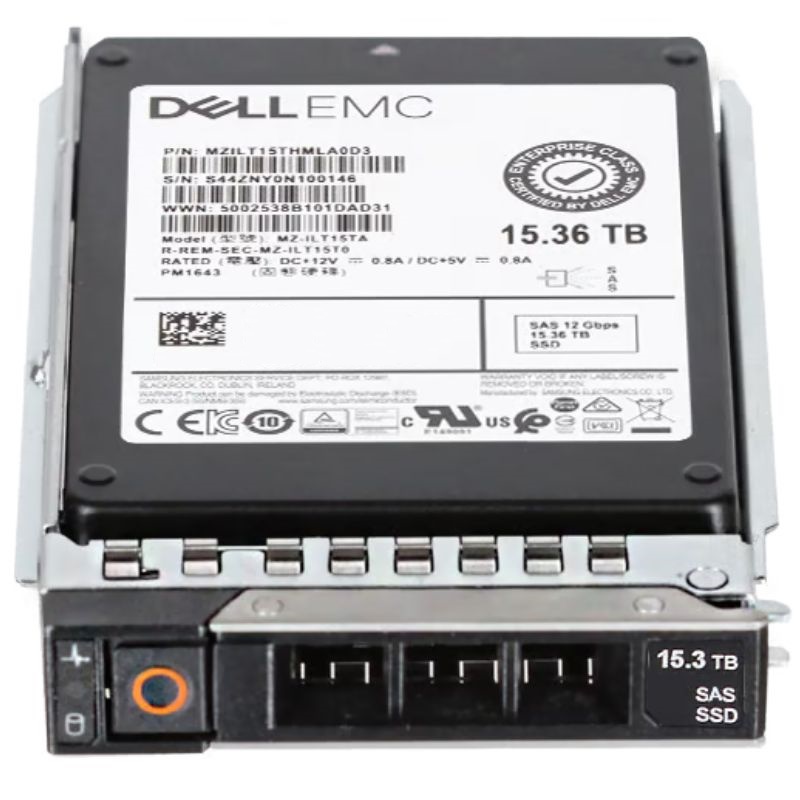
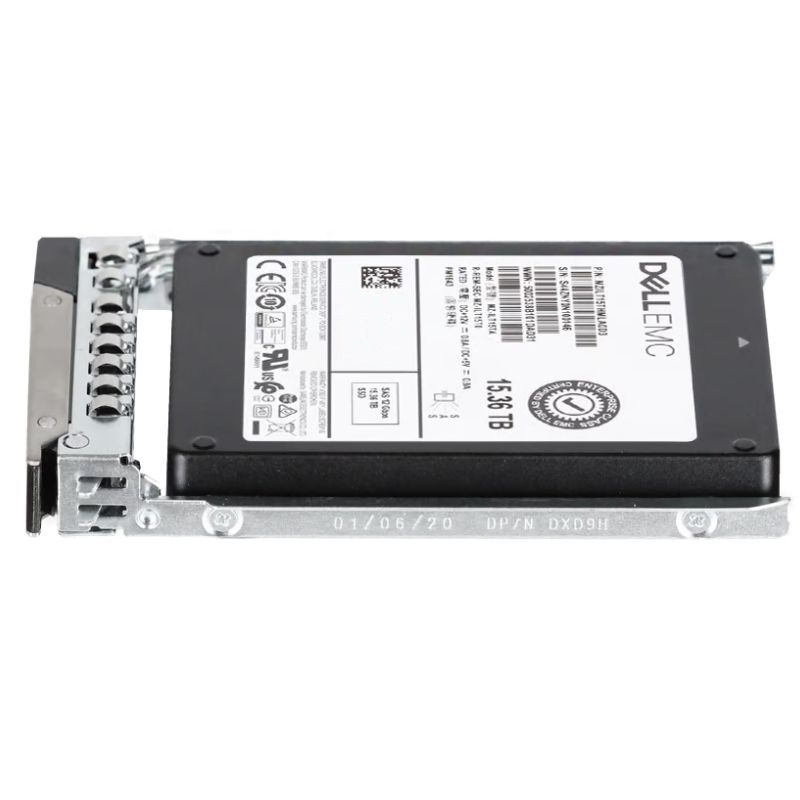
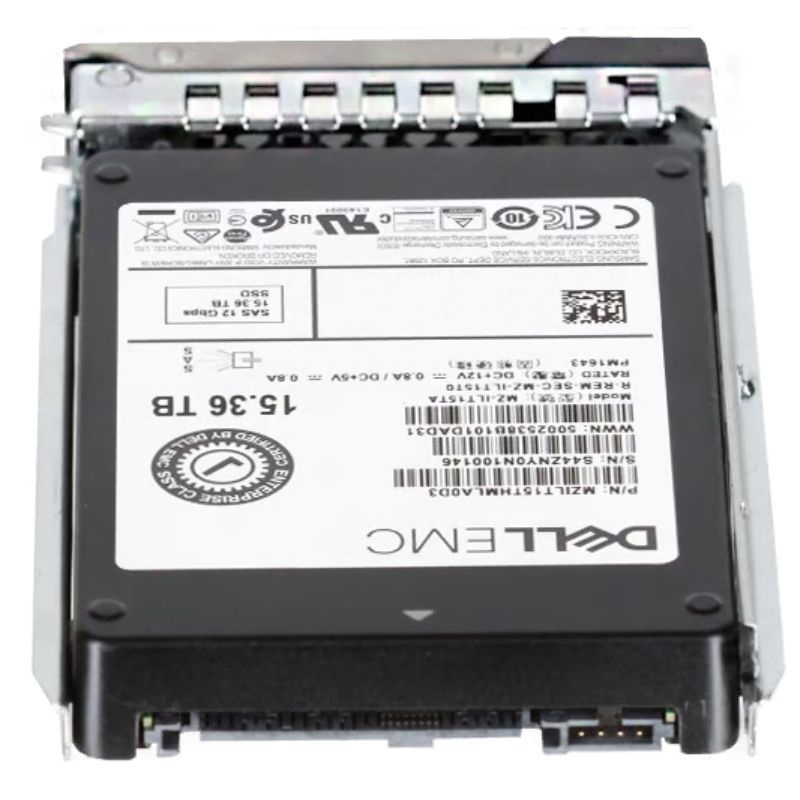
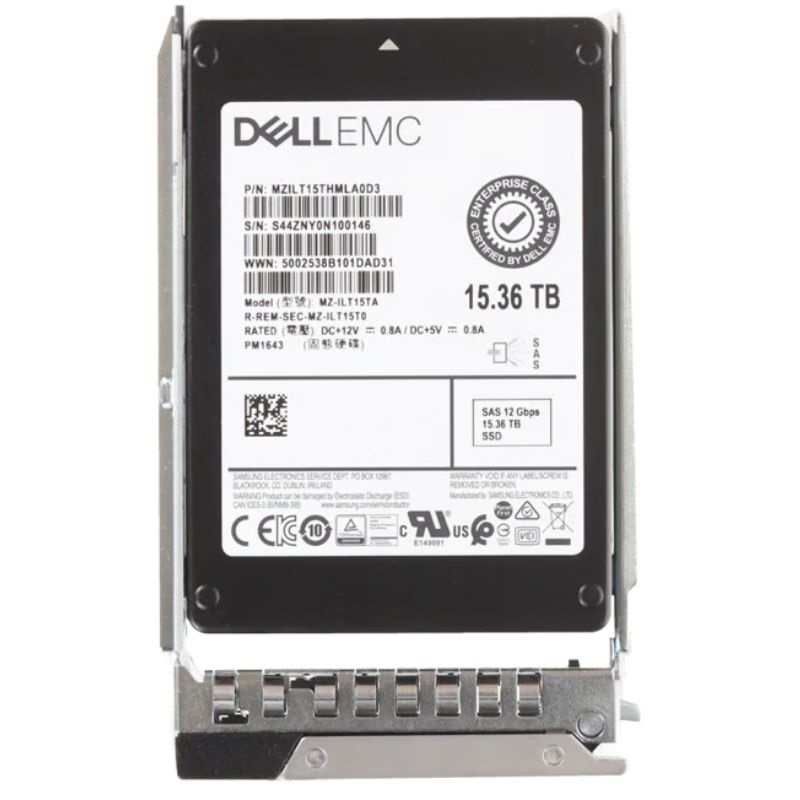
Dell 400-ARJN 15.36TB SAS-12GBPS Read-Intensive 1 DWPD TLC SFF Hot-Plug Certified with tray for Poweredge Server Solid State Drive. New Sealed in Box (NIB) with 1-Year Replacement Warranty
The Dell 400-ARJN solid state drive delivers exceptional storage capacity of 15.36TB, engineered for enterprise-grade performance. Designed with SAS 12Gbps interface, this hot-plug SFF drive ensures seamless integration with PowerEdge servers, offering reliability and efficiency for read-intensive workloads.
This enterprise SSD is certified for multiple Dell PowerEdge and PowerVault models, ensuring smooth deployment across diverse infrastructures.
The Dell 400-ARJN is a high-capacity, enterprise-grade 2.5-inch solid-state drive built to deliver dense storage for read-heavy server workloads. With a raw capacity of 15.36 terabytes and a SAS 12Gb/s interface in a small form factor, this drive is positioned for large scale caching, virtual machine image stores, distributed file systems and any environment where high capacity and predictable read performance are the priority. The 400-ARJN is offered as a hot-pluggable drive with a PowerEdge-compatible tray so it installs cleanly into Dell PowerEdge chassis and is validated to operate within those server ecosystems.
Engineered as a 2.5-inch small form factor (SFF) device, the 400-ARJN uses the standard enterprise SAS connector and supports 12Gb/s SAS links that are common in modern generation PowerEdge servers. Its hot-plug design and bundled carrier/tray options simplify deployment in blade, rack and modular systems by enabling tool-less serviceability and fast swaps during maintenance windows. The drive’s mechanical and electrical compatibility with Dell PowerEdge families — including many R- and C-series models — reduces integration risk and lets storage architects standardize on a single drive SKU across multiple server generations.
Classified as a read-intensive SSD, the 400-ARJN is optimized for workloads where reads heavily outnumber writes. The drive uses Triple-Level Cell (TLC) NAND and is specified at an endurance rating around 1 drive write per day (1 DWPD), which aligns with enterprise read-centric applications such as object stores, content delivery systems, cold/hot data tiers in software-defined storage, and large analytic repositories. This endurance point gives a solid balance of capacity and cost per TB while maintaining predictable write tolerance for routine background operations and metadata updates.
Read-intensive SSDs are chosen when the cost-per-TB economics of TLC can be leveraged without the higher endurance cost of write-optimized drives. In multi-node clusters where hot blocks are cached in memory and writes are sequentialized or buffered, read-intensive drives provide the bulk of storage capacity without over-investing in write endurance. They are particularly attractive for capacity-dense tiers in scale-out storage arrays and archive tiers where read latency and throughput influence application responsiveness but everyday rewrite volumes remain modest.
Although exact peak numbers vary by firmware and platform, enterprise SAS SSDs in this family are designed to sustain high sequential bandwidth and strong random read I/O rates while delivering low, consistent latency under mixed traffic. The 12Gb/s SAS interface provides the signaling headroom necessary for large sequential transfers and multi-queue enterprise I/O patterns. In dense deployments where many drives operate in parallel, the aggregate throughput and predictable latency profile of each 400-ARJN contribute directly to application SLAs for database aggregation queries, VM boot storms and large file reads.
Power-loss protection on enterprise SSDs preserves in-flight data and protects internal metadata tables that track wear-leveling and bad block mapping. With TLC flash at high capacity, robust power-loss firmware safeguards are essential to avoid expensive rebuilds or data inconsistencies after an unexpected outage. Combined with SMART telemetry and drive health alerts, administrators can incorporate the 400-ARJN into predictive maintenance processes to avoid unplanned downtime.
Dell certifies specific SSD SKUs to ensure they are recognized by server firmware, RAID controllers and management stacks. The 400-ARJN is offered with PowerEdge-compatible trays and is documented on reseller and distributor lists as compatible with a broad swath of Dell PowerEdge generations, making it straightforward to deploy across data center fleets without the driver or firmware mismatches that sometimes occur with non-validated parts.
Typical use cases include: storing VM templates and images that are read frequently, serving large-scale content repositories, providing capacity for analytics clusters where scans generate read-heavy traffic, and acting as a capacity tier in multi-tiered object stores. For backup target servers and snapshot stores where retention and read retrieval are common, 15.36TB drives reduce rack footprint and simplify storage management when compared to many smaller drives. These drives are also a practical choice in scenarios where dense archival space is required but occasional reads must still be fast and reliable.
At 15.36TB per drive, the 400-ARJN dramatically alters capacity planning formulas versus contemporary smaller SSDs or spinning media. Each bay filled with a 15.36TB SSD contributes a substantial amount of usable capacity when used with appropriate redundancy (RAID, erasure coding or replication); this reduces raw bay counts, power consumption and cooling requirements. When calculating cost per usable TB, planners should include overheads for parity or mirroring and consider the lower power draw and higher mean time between failures for SSDs compared to mechanical drives — factors that often offset a higher unit price for enterprise SSDs over a multi-year service window.


 Contact Us
 Information
 Catalog
 Solid State Drives (SSD)
 Network Switches
 Hard Disk Drives
 HBA & Controllers
 PC & Servers
 PC & Server Memory
 CPU & Processors
 Network Routers
 Power Supplies
 Tape Drives & Libraries
 Network Devices
 Computer & Network Cables