(7% discount is applied at checkout)
Cart is empty
Your go-to destination for cutting-edge server products
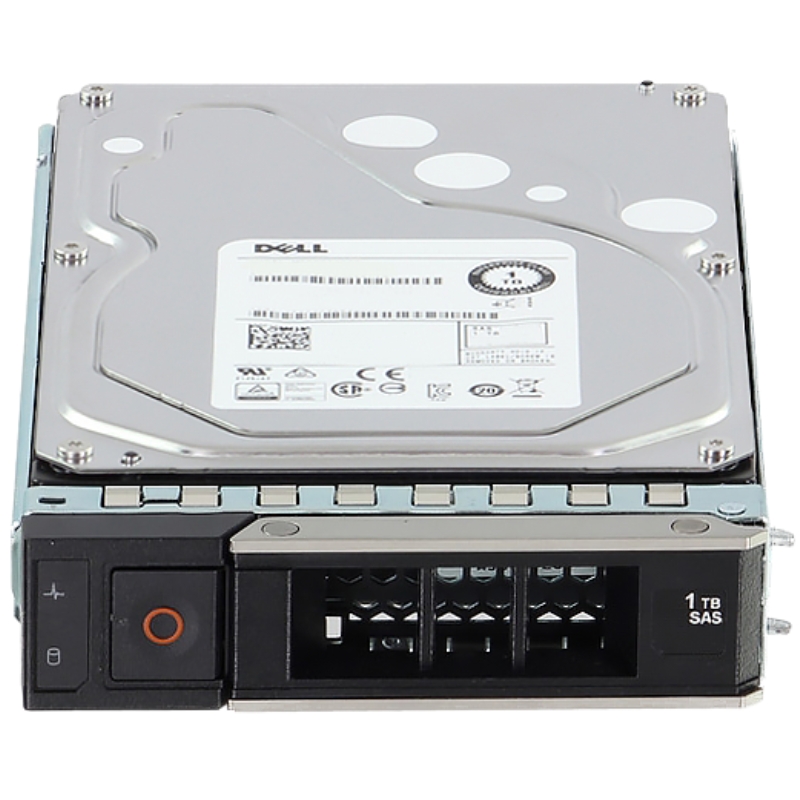


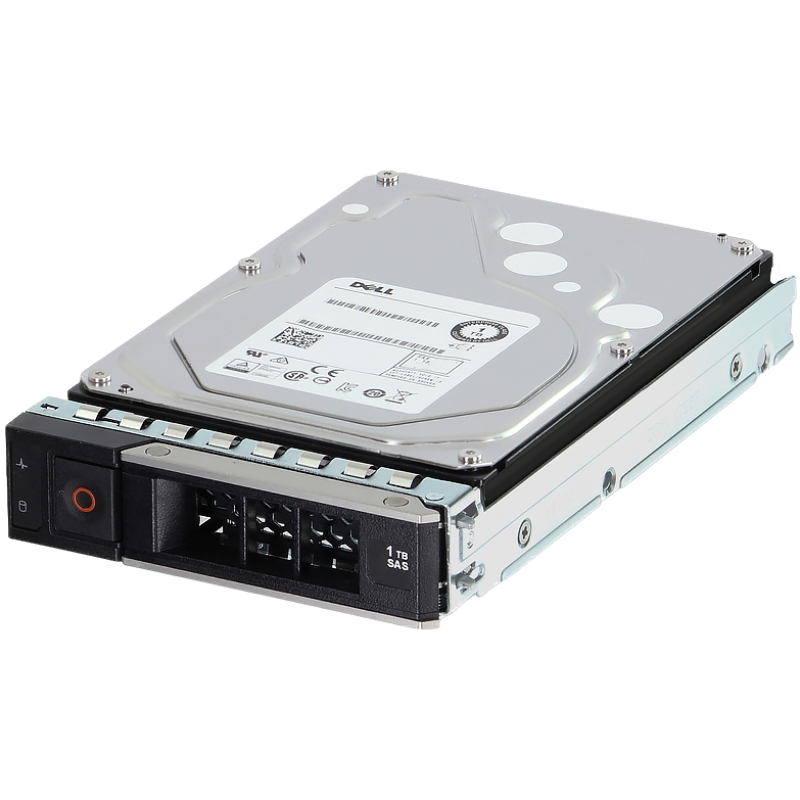
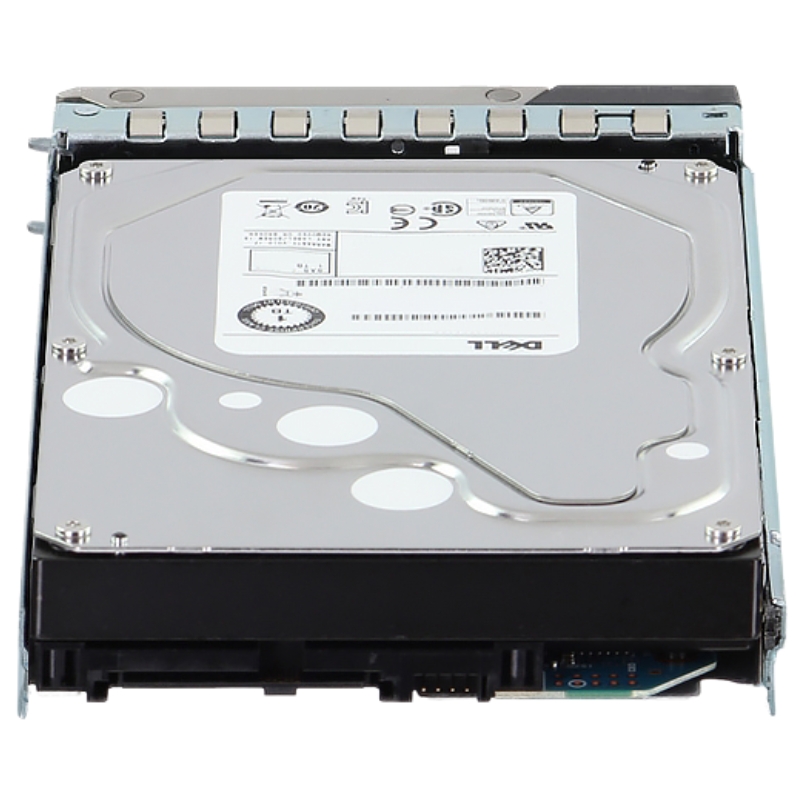
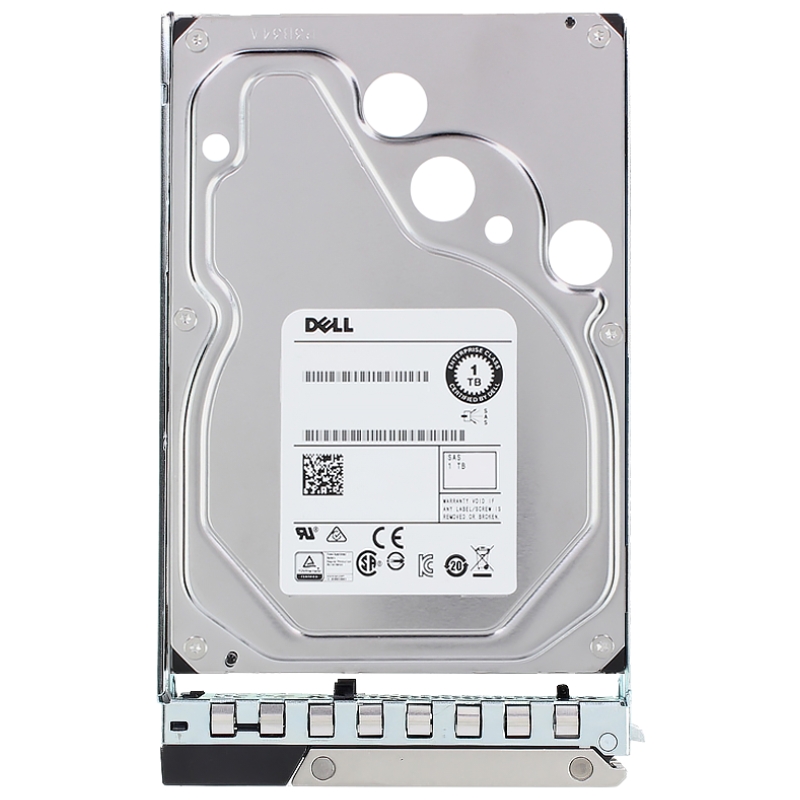
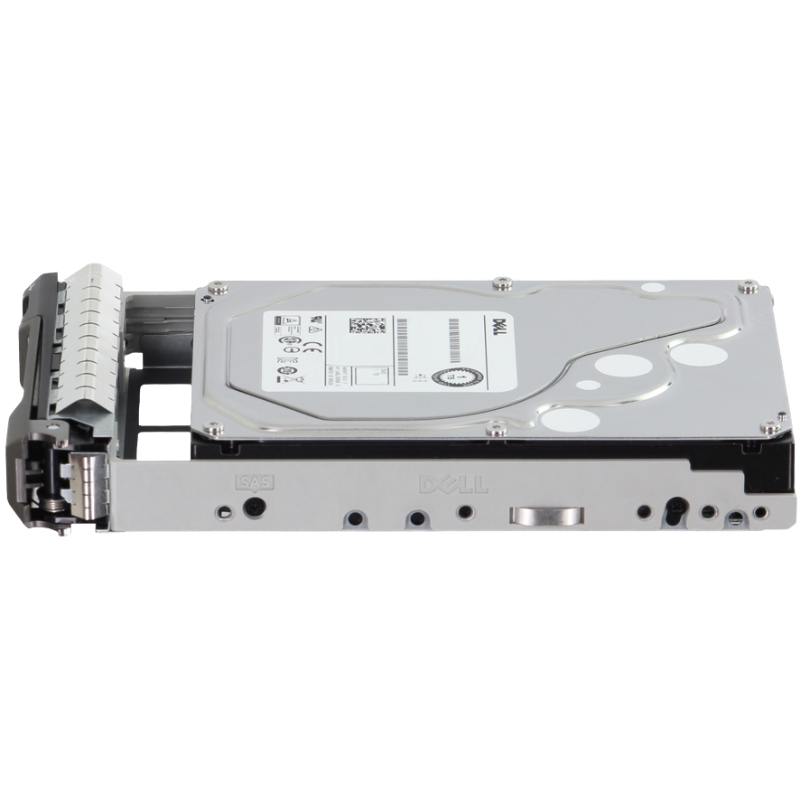
Dell 400-ATJD 1TB 7.2K RPM Near Line SAS 12GBPS 512n 2.5inch Form Factor Hot-plug Hard Drive With Tray. New Sealed in Box (NIB) with 1-Year Replacement Warranty
The Dell 400-ATJD 1TB 7.2K RPM SFF NL SAS 12Gbps Hot-Plug HDD is a robust enterprise-class storage drive engineered for server environments. With hot-swap capability, advanced formatting, and reliable performance, it is ideal for data-intensive workloads and scalable infrastructure.
The Dell 400-ATJD 1TB 7.2K RPM Near Line SAS hard drive belongs to a specialized enterprise storage category designed to balance capacity, durability, and cost efficiency for data center and business-critical server environments. Near Line SAS, often abbreviated as NL-SAS, is positioned between high-performance SAS drives and high-capacity SATA drives, offering the physical robustness and command set of SAS technology while operating at rotational speeds optimized for reliable bulk data storage. This category is widely adopted in enterprise servers, storage arrays, and hybrid infrastructures where consistent uptime, predictable performance, and long-term reliability are required.
Within modern IT ecosystems, Near Line SAS drives are commonly used for data repositories, backups, archives, and applications that require dependable throughput without the premium cost of high-RPM performance disks. The Dell 400-ATJD hard drive exemplifies this category by delivering enterprise-grade engineering, compatibility with Dell PowerEdge servers, and a design that aligns with hot-swappable storage architectures. Its presence in this category highlights the importance of scalable storage solutions capable of handling growing data volumes while maintaining operational efficiency.
The Dell 400-ATJD 1TB hard drive is classified as an enterprise Near Line SAS storage component built specifically for Dell server and storage platforms. This classification ensures that the drive meets stringent Dell validation standards for firmware, thermal performance, vibration tolerance, and interoperability. Positioned as a 2.5-inch small form factor hard drive, it addresses space optimization needs in dense rack-mounted environments where maximizing storage per rack unit is critical.
As part of Dell’s enterprise storage ecosystem, this hard drive is delivered with a factory-installed tray that supports hot-plug functionality. This positioning makes it suitable for environments where system uptime is essential and drive replacement or expansion must occur without powering down the server. The Dell 400-ATJD is not merely a standalone disk but a fully integrated storage component designed to operate seamlessly within Dell-certified infrastructures.
Near Line SAS drives like the Dell 400-ATJD occupy a unique position between performance-oriented SAS drives and consumer-oriented SATA drives. While traditional SAS drives often operate at 10K or 15K RPM for high transaction workloads, Near Line SAS drives use a 7.2K RPM rotational speed to prioritize capacity and endurance. Compared to SATA drives, Near Line SAS benefits from dual-port capability, higher reliability ratings, and improved error handling.
This distinction is critical for enterprise users who require storage devices capable of sustained operation in multi-drive configurations. Near Line SAS drives are engineered to handle continuous workloads, vibration from adjacent drives, and advanced command queuing. The Dell 400-ATJD leverages these attributes to provide dependable performance for large data sets, making it an ideal solution for secondary storage tiers and capacity-focused deployments.
The 1TB capacity of the Dell 400-ATJD hard drive reflects a balanced approach to enterprise storage density. In environments where multiple drives are deployed across server bays or storage enclosures, this capacity allows organizations to scale storage incrementally while maintaining control over cost and power consumption. The 2.5-inch form factor further enhances data density by enabling more drives to be installed within a single chassis compared to traditional 3.5-inch drives.
High data density is particularly valuable in modern data centers where physical space and cooling efficiency are critical concerns. By utilizing 2.5-inch Near Line SAS drives, administrators can design storage configurations that maximize capacity per rack while minimizing the footprint. The Dell 400-ATJD supports these objectives by delivering reliable 1TB storage in a compact, enterprise-ready design.
The Dell 400-ATJD utilizes a 512n sector format, which refers to native 512-byte sectors. This format ensures compatibility with a wide range of operating systems, RAID controllers, and legacy applications. Maintaining native sector alignment is essential for avoiding performance penalties and ensuring smooth integration into existing infrastructures.
In enterprise environments, data integrity is a top priority. The 512n format simplifies data handling and reduces the complexity associated with sector translation. Combined with the robust error correction mechanisms inherent in SAS technology, this sector format contributes to consistent data reliability across long operational lifecycles.
The 7.2K RPM rotational speed of the Dell 400-ATJD is optimized for sustained throughput rather than peak input/output operations per second. This performance profile is well-suited for workloads such as file storage, backup repositories, data warehousing, and sequential data access patterns. While not intended for latency-sensitive transactional databases, Near Line SAS drives excel in scenarios where large volumes of data must be read and written reliably over extended periods.
By operating at 7.2K RPM, the drive achieves a balance between performance, energy efficiency, and thermal output. Lower rotational speeds compared to high-RPM SAS drives result in reduced power consumption and heat generation, which in turn contributes to improved overall system efficiency. The Dell 400-ATJD aligns with these performance characteristics, making it a practical choice for cost-conscious enterprise deployments.
The Serial Attached SCSI 12Gbps interface is a defining feature of the Dell 400-ATJD hard drive. This high-speed interface provides ample bandwidth for data transfers, ensuring that the drive can operate efficiently even in multi-drive RAID configurations. The 12Gbps link speed supports faster data access compared to earlier SAS generations, reducing bottlenecks in storage-intensive environments.
In addition to raw speed, the SAS interface offers enterprise-class features such as dual-port connectivity, advanced error recovery, and enhanced command queuing. These features improve fault tolerance and system resilience, particularly in mission-critical applications where uninterrupted data access is essential. The Dell 400-ATJD benefits from these SAS capabilities, reinforcing its suitability for professional IT infrastructures.
The 2.5-inch form factor of the Dell 400-ATJD reflects modern trends in enterprise storage design. Small form factor drives enable higher storage density and improved airflow within server chassis. This design is particularly advantageous in blade servers and high-density rack systems where space optimization is a key consideration.
Smaller drives also contribute to reduced vibration and improved mechanical stability when deployed in large arrays. Enterprise-grade 2.5-inch Near Line SAS drives are engineered to withstand the operational stresses of continuous use, including rotational vibration from neighboring drives. The Dell 400-ATJD is built to meet these requirements, ensuring consistent performance and longevity in demanding environments.
Thermal management is a critical factor in enterprise storage deployments. The Dell 400-ATJD is designed to operate efficiently within specified temperature ranges, minimizing the risk of overheating. Its 7.2K RPM speed and optimized mechanical components contribute to lower heat output compared to higher-RPM alternatives.
Power efficiency is equally important in large-scale data centers. By reducing power draw at the drive level, organizations can achieve significant energy savings across hundreds or thousands of deployed drives. The Dell 400-ATJD supports these goals by offering an energy-efficient storage solution without compromising enterprise reliability.
Hot-plug functionality is a cornerstone of enterprise storage management, and the Dell 400-ATJD fully supports this capability. The included drive tray enables administrators to install or replace the drive while the system remains powered on. This feature is essential for maintaining uptime in environments where service interruptions can result in operational or financial impact.
Hot-plug drives simplify maintenance procedures and reduce the time required for hardware upgrades or replacements. In RAID-configured systems, failed drives can be swapped quickly to initiate rebuild processes without disrupting active workloads. The Dell 400-ATJD is designed to integrate seamlessly into these workflows, enhancing overall system availability.
The inclusion of a Dell-certified tray ensures precise mechanical fit and secure installation within compatible server bays. This tray is engineered to align with Dell PowerEdge server designs, providing proper airflow and vibration damping. Using manufacturer-approved trays also reduces the risk of installation errors and compatibility issues.
Dell validates its hard drives extensively to ensure firmware alignment with server controllers and management tools. The Dell 400-ATJD benefits from this validation process, offering peace of mind to IT administrators who require predictable behavior and consistent performance across their infrastructure.
Reliability is a defining characteristic of the enterprise Near Line SAS category. Drives like the Dell 400-ATJD are engineered for continuous operation, often rated for 24x7 workloads in multi-drive environments. Enhanced mechanical components, robust error correction, and strict quality control processes contribute to extended operational lifespans.
In enterprise scenarios, data loss or downtime can have significant consequences. Near Line SAS drives are designed to mitigate these risks by providing stable performance under sustained workloads. The Dell 400-ATJD embodies this reliability through its adherence to enterprise standards and Dell’s rigorous testing protocols.
The Dell 400-ATJD is well-suited for a variety of enterprise use cases that prioritize capacity and reliability over ultra-low latency. Common applications include file servers, backup systems, archival storage, and data lakes. These workloads benefit from the drive’s consistent throughput and ability to handle large sequential data transfers.
In hybrid storage architectures, Near Line SAS drives often complement solid-state drives by serving as a cost-effective capacity tier. The Dell 400-ATJD integrates smoothly into such architectures, enabling organizations to optimize performance and cost across different storage layers.
Scalability is a key requirement for modern IT environments, and the Dell 400-ATJD supports this need through its standardized form factor and interface. Organizations can deploy multiple drives across servers and enclosures, expanding storage capacity as data demands grow. The SAS interface ensures consistent performance even as the number of connected drives increases.
In clustered and distributed storage systems, Near Line SAS drives provide a reliable foundation for data replication and redundancy. The Dell 400-ATJD’s enterprise-grade design makes it suitable for these complex architectures, where predictable behavior and long-term stability are essential.
RAID configurations are commonly used to enhance data protection and performance in enterprise storage systems. The Dell 400-ATJD is compatible with a wide range of Dell RAID controllers, supporting various RAID levels depending on the desired balance between redundancy and capacity. Its consistent performance characteristics contribute to stable RAID array operation.
Proper integration with storage controllers also enables advanced monitoring and management features. Administrators can track drive health, performance metrics, and predictive failure indicators through Dell management tools. This level of visibility supports proactive maintenance and reduces the risk of unexpected failures.


 Contact Us
 Information
 Catalog
 Solid State Drives (SSD)
 Network Switches
 Hard Disk Drives
 HBA & Controllers
 PC & Servers
 PC & Server Memory
 CPU & Processors
 Network Routers
 Power Supplies
 Tape Drives & Libraries
 Network Devices
 Computer & Network Cables