(7% discount is applied at checkout)
Cart is empty
Your go-to destination for cutting-edge server products
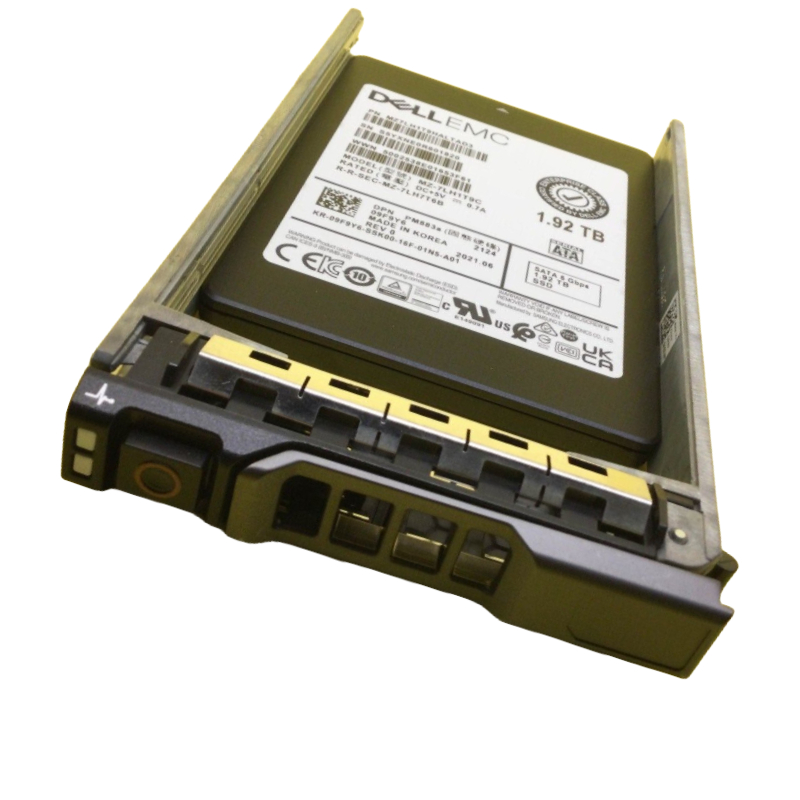


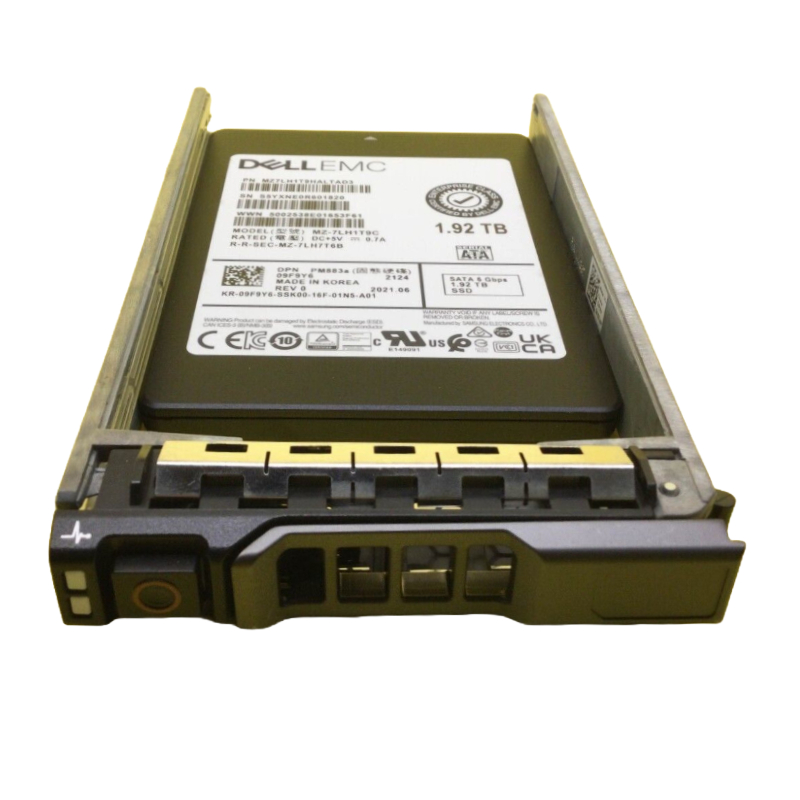
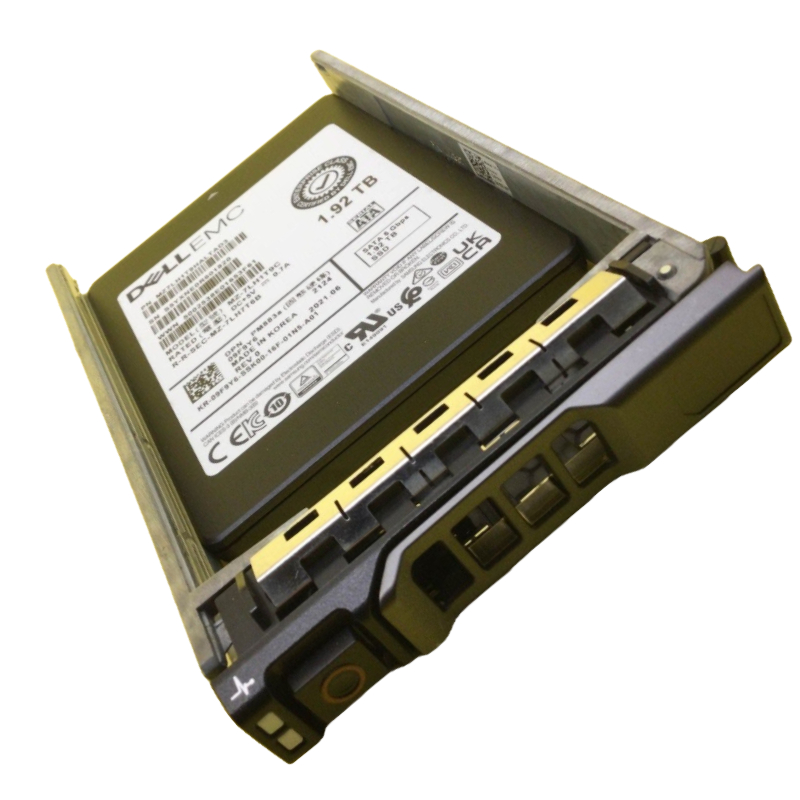
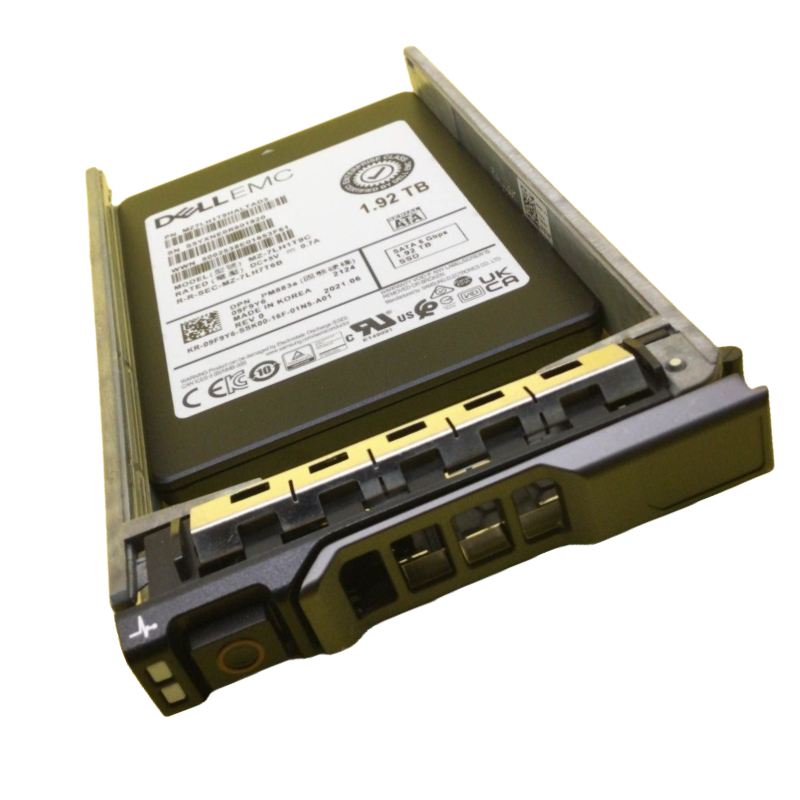
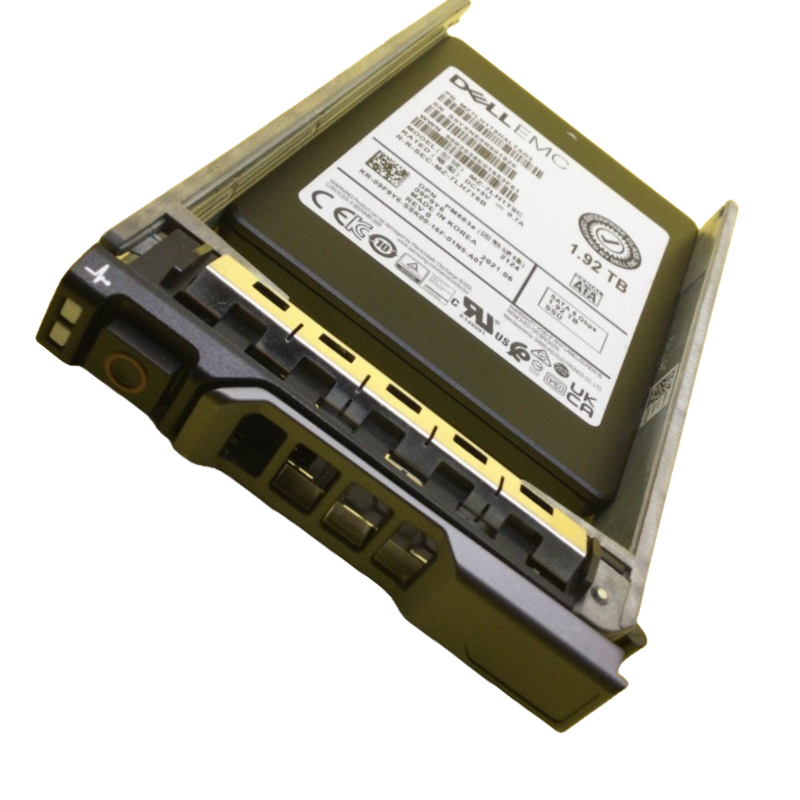
Dell 400-ATNS 1.92TB TLC SATA 6GBPS SSD Hot Swap Read Intensive 2.5inx15mm SFF Server Drive. Excellent Refurbished with 1 Year Replacement Warranty
| SKU/MPN | Warranty | Price | Condition | You save |
|---|---|---|---|---|
| 400-ATNS | 1 Year Warranty | $592.00 | Excellent Refurbished | You save: $207.20 (26%) |
| 400-ATNS | 1 Year Warranty | $940.00 | New Sealed in Box (NIB) | You save: $329.00 (26%) |
Dell 400-ATNS 1.92TB Read-Intensive SATA Enterprise SSD
The Dell 400-ATNS is a high-capacity, read-optimized solid state drive engineered for data-center workloads and enterprise servers. This 1.92TB 2.5-inch hot-swap SSD delivers reliable read performance, low latency and efficient power use thanks to its 3D NAND TLC flash memory. Ideal for database queries, virtual desktop infrastructure (VDI) and read-heavy storage tiers, the 400-ATNS combines enterprise-grade durability with cost-effective performance.
Built as a read-focused enterprise drive, the Dell 400-ATNS emphasizes sustained read throughput and consistent I/O responsiveness. Its TLC 3D NAND provides a balance between density and cost-effectiveness, while firmware and enterprise-level validation help maintain predictable performance under heavy read workloads.
The 400-ATNS is validated for use with numerous Dell PowerEdge platforms. Confirm compatibility with your server firmware and RAID/controller configuration before deployment.
The compact 2.5-inch, 7 mm drive height and hot-swap tray compatibility make the 400-ATNS easy to install in dense server environments. Its mechanical dimensions and standard SATA interface allow straightforward integration into existing SATA backplanes and drive cages.
The Dell 400-ATNS is targeted at enterprise customers looking to accelerate read-heavy workloads while keeping costs reasonable. Typical deployments include:
In today's data-driven enterprise environments, storage performance and reliability are paramount. The Dell 400-ATNS 1.92TB Read Intensive TLC Solid State Drive represents a specialized storage solution engineered specifically for server environments where read operations dominate the workload. This enterprise-class SSD delivers the perfect balance of performance, endurance, and value for organizations seeking to upgrade from traditional hard disk drives while optimizing their storage tiering strategy.
Enterprise storage solutions are categorized based on their intended workload patterns and endurance characteristics. Understanding these classifications is crucial for selecting the appropriate storage medium for your specific server applications and workload demands.
Read-intensive solid state drives are specifically engineered for applications where read operations constitute the majority of storage activity, typically representing 80-90% of total operations. These drives optimize performance for scenarios where data is frequently accessed and retrieved but written less frequently, making them ideal for boot drives, web servers, and database query operations.
While read-intensive SSDs excel at read-dominant scenarios, write-intensive drives are built for environments with substantial write operations, featuring higher endurance ratings and different wear-leveling algorithms. Mixed-use drives strike a balance between read and write performance, suitable for workloads with relatively equal distribution of read and write operations. The Dell 400-ATNS positions itself strategically in the read-intensive segment, offering cost-effective performance for the appropriate use cases.
The Dell 400-ATNS incorporates sophisticated engineering and premium components to deliver consistent enterprise-grade performance. Each technical specification contributes to the overall reliability and efficiency of the storage solution in server environments.
The 1.92TB capacity point represents a strategic balance between available storage space and over-provisioning requirements. Enterprise SSDs typically include additional NAND flash memory beyond the advertised capacity to enhance performance and longevity. This extra space, typically ranging from 7-28%, enables more efficient garbage collection, wear leveling, and bad block management, ultimately extending the drive's operational lifespan.
Over-provisioning provides several critical benefits in enterprise environments. It improves write amplification factor (WAF), enhances consistent performance under sustained workloads, increases the drive's endurance by distributing writes across more NAND cells, and ensures the drive maintains performance consistency throughout its lifecycle, even as NAND cells begin to wear.
The Dell 400-ATNS utilizes Triple-Level Cell (TLC) NAND flash memory, which stores three bits of data per memory cell. This technology represents the optimal balance between cost, capacity, and endurance for read-intensive applications. While offering higher density and lower cost per gigabyte compared to SLC (Single-Level Cell) and MLC (Multi-Level Cell) alternatives, TLC NAND requires sophisticated controller algorithms to maintain performance and reliability.
Modern TLC NAND, when coupled with advanced controllers and sufficient over-provisioning, delivers enterprise-grade reliability suitable for many server workloads. The technology has matured significantly, with endurance characteristics that comfortably meet the requirements of read-intensive applications while providing substantial cost savings compared to MLC alternatives.
The SATA 6Gbps interface provides a robust, widely compatible connection standard that ensures broad compatibility with existing server infrastructure. While NVMe interfaces offer higher theoretical performance, SATA remains relevant for many enterprise applications due to its maturity, reliability, and cost-effectiveness, particularly when the performance ceiling of NVMe isn't required.
When comparing SATA and NVMe interfaces, organizations must consider their specific performance requirements, infrastructure compatibility, and budget constraints. While NVMe offers significantly higher IOPS and lower latency through PCIe connectivity, SATA SSDs like the Dell 400-ATNS provide substantial performance improvements over traditional HDDs without requiring infrastructure changes in SATA-compatible systems.
The 2.5-inch form factor with hot-swap capability represents the industry standard for modern server storage configurations. This compact design allows for high storage density in limited rack space, while the hot-swap functionality enables drive replacement without system shutdown, a critical feature for maintaining service availability in 24/7 operational environments.
The Dell 400-ATNS delivers performance characteristics specifically tuned for read-intensive server workloads. Understanding these performance metrics helps organizations properly deploy these drives in appropriate scenarios to maximize their investment.
With sequential read speeds typically reaching up to 560MB/s and write speeds up to 510MB/s, the Dell 400-ATNS approaches the theoretical limits of the SATA 6Gbps interface. These performance levels ensure rapid data access for large file operations, database queries, and content delivery scenarios where large blocks of data are accessed sequentially.
Random I/O performance, measured in Input/Output Operations Per Second (IOPS), represents a critical metric for server applications where multiple concurrent requests access small blocks of data scattered across the drive. The Dell 400-ATNS delivers robust random read performance, typically exceeding 90,000 IOPS, ensuring responsive performance under multi-user and multi-application workloads.
The 4K random read performance specifically measures how efficiently the drive handles small (4KB) random read operations, which are common in database applications, virtual machine operations, and file system metadata access. The Dell 400-ATNS optimizes controller algorithms and NAND management for these operation types, delivering low latency and high throughput for random read patterns.
Consistent low latency is a hallmark of enterprise SSDs. The Dell 400-ATNS maintains predictable response times even under varying workload conditions, ensuring consistent application performance. Quality of Service (QoS) metrics guarantee that performance remains within specified parameters, preventing performance degradation during peak usage periods.
Enterprise storage demands higher reliability standards than consumer-grade solutions. The Dell 400-ATNS incorporates multiple technologies and design considerations to ensure data integrity and extended operational lifespan in demanding server environments.
The Terabytes Written (TBW) rating quantifies the total amount of data that can be written to the drive over its lifetime while maintaining data integrity. For the Dell 400-ATNS 1.92TB model, this rating typically reaches approximately 3,500 TBW, representing the drive's endurance capability for write operations before potential performance degradation.
With an MTBF rating typically exceeding 2 million hours, the Dell 400-ATNS demonstrates exceptional reliability through robust component selection, thorough testing, and advanced error correction capabilities. This metric represents the statistical probability of failure during continuous operation, providing organizations with predictability for maintenance and replacement planning.
The Uncorrectable Bit Error Rate measures data integrity by quantifying the probability of encountering an error that cannot be corrected by the drive's error correction mechanisms. The Dell 400-ATNS achieves enterprise-standard UBER ratings, typically 1 sector per 10^17 bits read, ensuring extremely low probability of data corruption during normal operation.
The specific characteristics of the Dell 400-ATNS make it particularly suitable for certain server applications and workload patterns. Understanding these ideal deployment scenarios ensures organizations maximize the value and performance of their storage investment.
As server boot drives, read-intensive SSDs provide fast system startup, rapid application loading, and responsive management operations. The read-dominant nature of boot processes aligns perfectly with the strengths of the Dell 400-ATNS, while the limited write activity during normal operation preserves drive endurance.
Web servers and content delivery systems primarily serve static content and database queries, generating predominantly read operations. The high random read performance of the Dell 400-ATNS ensures fast page loads and responsive user experiences, even during traffic spikes and concurrent user access.
When deployed as caching or acceleration layers in front of slower storage systems, read-intensive SSDs can dramatically improve application performance. The Dell 400-ATNS serves as an ideal cache for frequently accessed data, reducing latency and improving throughput for critical business applications.
In database environments where read queries dominate, such as reporting databases, data warehouses, and business intelligence systems, the Dell 400-ATNS delivers exceptional performance for data retrieval operations. The consistent low latency ensures predictable query response times, enhancing user productivity and application responsiveness.
Virtualization hypervisors generate significant read activity during host boot and virtual machine operation, while write activity remains relatively limited. The Dell 400-ATNS provides excellent performance for these scenarios, enabling rapid host boot times and responsive management operations while maintaining cost efficiency.
Ensuring compatibility with existing server infrastructure is crucial for successful storage deployment. The Dell 400-ATNS is designed for broad compatibility with Dell PowerEdge servers and storage systems, along with industry-standard server platforms.
The Dell 400-ATNS is validated and certified for use across multiple generations of Dell PowerEdge servers, ensuring optimal performance and management integration. Compatibility spans tower, rack, and modular infrastructure, providing deployment flexibility across various data center configurations.
Through integration with Dell OpenManage and iDRAC management systems, the Dell 400-ATNS provides comprehensive health monitoring, predictive failure analysis, and firmware management capabilities. This tight integration simplifies storage administration and enhances proactive maintenance planning.
While optimized for Dell infrastructure, the Dell 400-ATNS maintains compatibility with industry-standard servers from other manufacturers, provided they support 2.5-inch SATA hot-swap drive bays. The drive operates within the standardized SATA specification, ensuring broad interoperability across server platforms.
The Dell 400-ATNS incorporates multiple enterprise-specific features that distinguish it from consumer-grade SSDs and ensure reliable operation in critical business environments.
Enterprise-grade power-loss protection circuits ensure data integrity during unexpected power failures. The Dell 400-ATNS includes capacitors that provide sufficient temporary power to complete in-progress write operations and flush cache data to non-volatile storage, preventing data corruption.
Comprehensive data protection mechanisms safeguard information throughout its journey within the storage system. From host interface to NAND flash memory, the Dell 400-ATNS employs multiple layers of error detection and correction, including advanced ECC algorithms and CRC checks, ensuring data integrity at every transfer point.
Sophisticated wear-leveling algorithms distribute write operations evenly across all available NAND flash cells, preventing premature wear on specific memory blocks. This technology extends the drive's usable lifespan and maintains consistent performance throughout its operational lifetime.
Enterprise environments demand stable operation under varying thermal conditions. The Dell 400-ATNS incorporates thermal sensors and dynamic throttling mechanisms that adjust performance to maintain safe operating temperatures, preventing thermal-related degradation or damage during extended heavy workloads.
Modern data centers implement sophisticated storage tiering strategies to optimize performance and cost. The Dell 400-ATNS plays a specific role within these tiered storage architectures, balancing performance requirements with budgetary considerations.
Read-intensive SSDs often occupy what industry experts call "Tier 1.5" storage - positioned between high-performance NVMe storage (Tier 0/1) and capacity-optimized SAS/SATA HDDs (Tier 2). This positioning makes them ideal for warm data that requires faster access than HDDs can provide but doesn't justify the premium cost of NVMe storage.
When deployed within storage arrays supporting automated tiering, the Dell 400-ATNS can dynamically host frequently accessed data while less frequently accessed data migrates to more cost-effective storage tiers. This automated optimization ensures optimal performance without manual administration overhead.
Beyond initial acquisition costs, enterprise storage decisions must consider the total cost of ownership, including performance benefits, reliability, power consumption, and administrative overhead.
The Dell 400-ATNS delivers exceptional read performance at a competitive price point, offering superior performance per dollar compared to write-intensive and mixed-use alternatives for read-dominant workloads. This value proposition makes it an economically attractive option for organizations seeking to balance performance and budget.
Compared to traditional hard disk drives, the Dell 400-ATNS consumes significantly less power and generates less heat, reducing data center operating costs. The solid-state design requires less cooling capacity and contributes to lower PUE (Power Usage Effectiveness) metrics, enhancing overall data center efficiency.
The reliability and management features of the Dell 400-ATNS reduce administrative overhead through predictive failure alerts, health monitoring, and extended service intervals. These features minimize unplanned downtime and reduce the staffing requirements for storage maintenance, contributing to lower total cost of ownership.
Enterprise storage demands robust security and maintainability features to protect sensitive data and ensure operational stability through firmware updates and security enhancements.
The Dell 400-ATNS supports industry-standard secure erase methods that thoroughly sanitize the drive by cryptographically erasing all user data. This feature is essential for data security during drive repurposing, retirement, or return for service, ensuring confidential information cannot be recovered.
For organizations requiring enhanced security, the Dell 400-ATNS offers optional TCG Opal 2.0 compliance, enabling hardware-based encryption and comprehensive security management capabilities. This standard provides robust data protection without significant performance impact, meeting stringent security requirements.
Dell provides streamlined firmware update processes through integrated management tools, ensuring drives maintain optimal performance, security, and compatibility. These updates address potential issues, enhance performance characteristics, and maintain interoperability with evolving server platforms.
Understanding how the Dell 400-ATNS compares to alternative solutions from other manufacturers helps organizations make informed purchasing decisions based on their specific requirements and constraints.
When compared to similar read-intensive SSDs from HP, the Dell 400-ATNS typically demonstrates competitive performance metrics while offering advantages in Dell infrastructure integration and management consistency. Organizations standardized on Dell hardware typically benefit from the tighter integration and simplified support structure.
While third-party compatible SSDs may offer lower initial acquisition costs, the Dell 400-ATNS provides validated compatibility, comprehensive firmware support, and assured reliability through Dell's quality assurance processes. These benefits often justify the premium for organizations prioritizing system stability and vendor support.
As storage technology evolves, the position of SATA read-intensive SSDs continues to adapt within the broader storage ecosystem. Understanding the technology trajectory helps organizations plan their storage strategy effectively.
Despite the emergence of NVMe technology, SATA interfaces continue to serve important roles in enterprise storage due to their maturity, reliability, and cost-effectiveness. Industry analysts project continued SATA relevance for specific workload types through at least the next server generation cycle.
Organizations implementing Dell 400-ATNS drives today can anticipate straightforward migration paths to future storage technologies. The standardized 2.5-inch form factor and hot-swap compatibility ensure these investments remain usable even as organizations gradually adopt newer storage interfaces in heterogeneous environments.


 Contact Us
 Information
 Catalog
 Solid State Drives (SSD)
 Network Switches
 Hard Disk Drives
 HBA & Controllers
 PC & Servers
 PC & Server Memory
 CPU & Processors
 Network Routers
 Power Supplies
 Tape Drives & Libraries
 Network Devices
 Computer & Network Cables