(7% discount is applied at checkout)
Cart is empty
Your go-to destination for cutting-edge server products
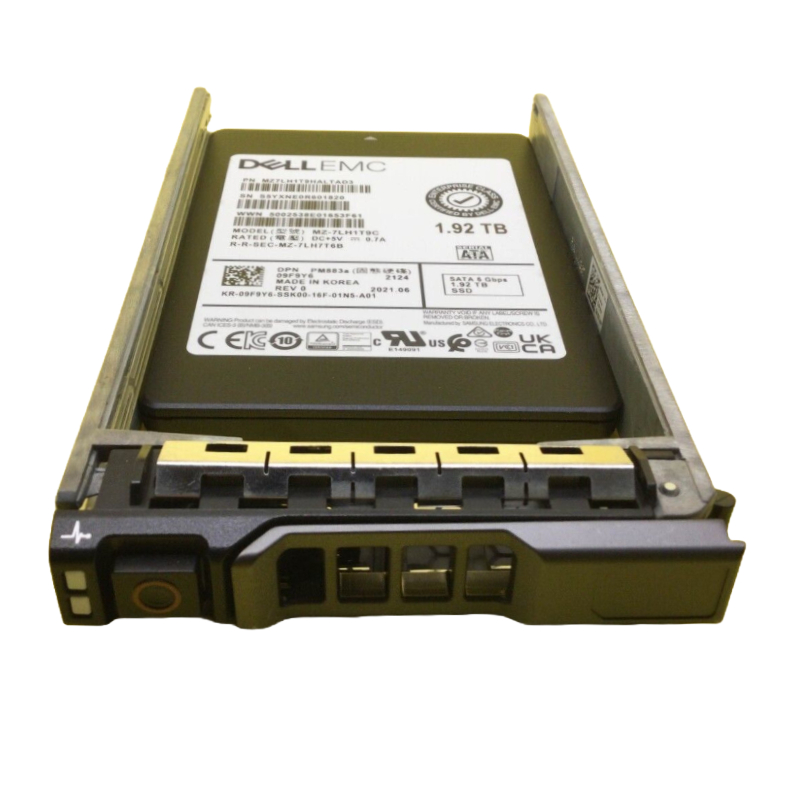


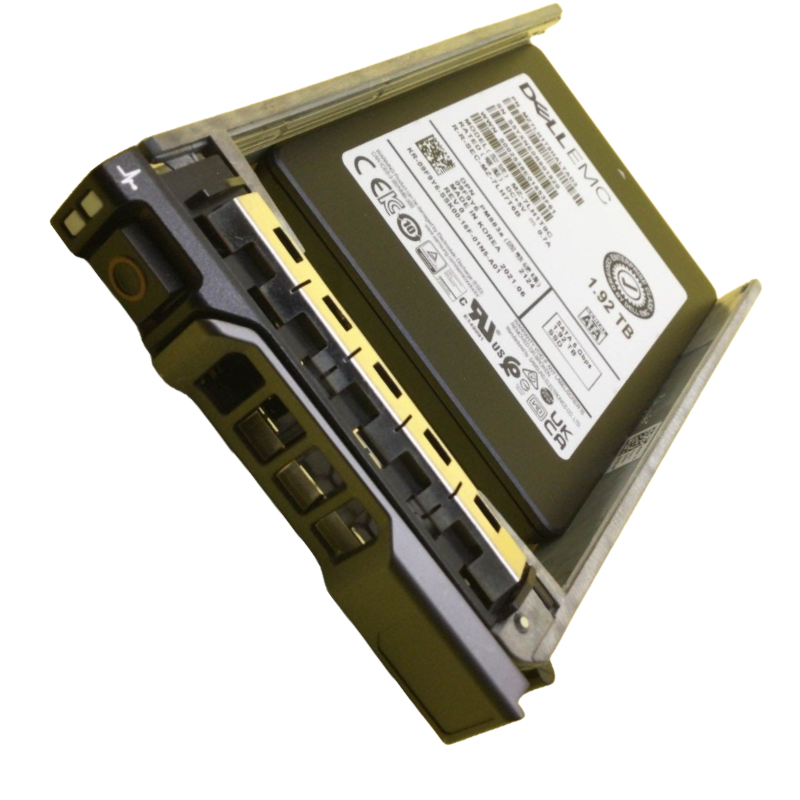
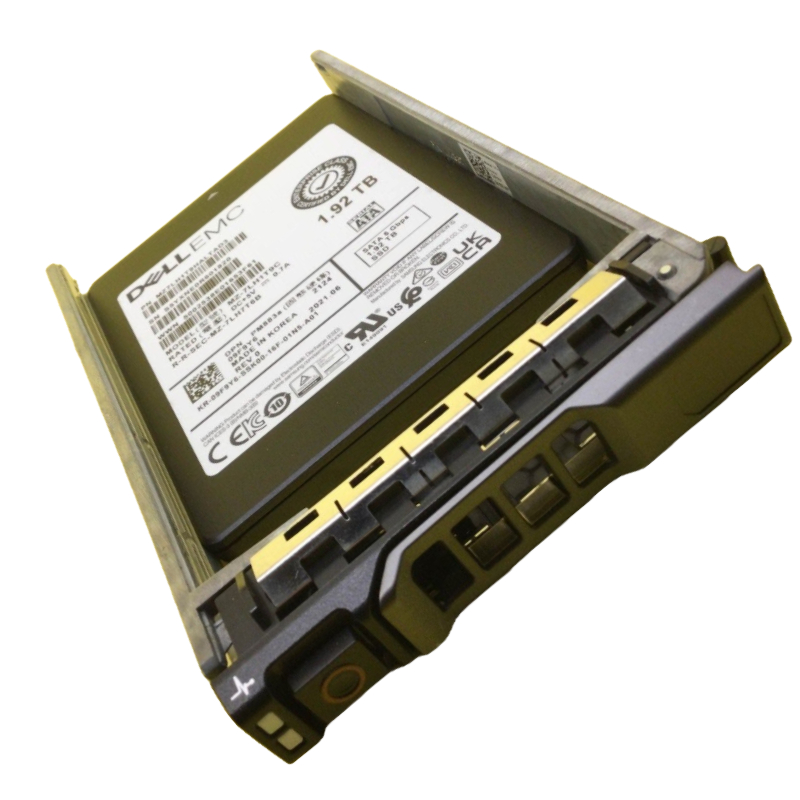
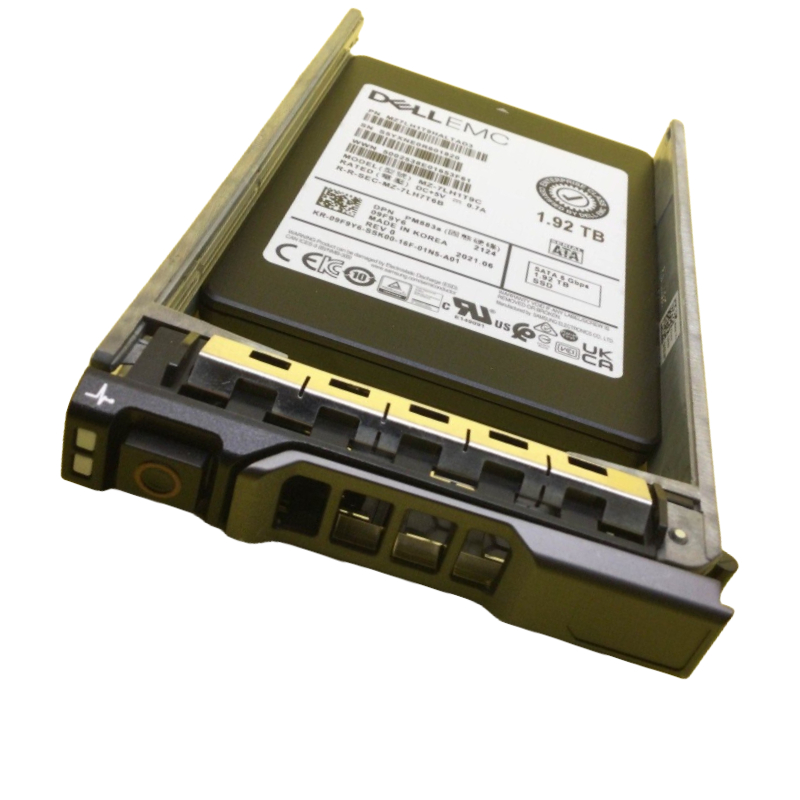
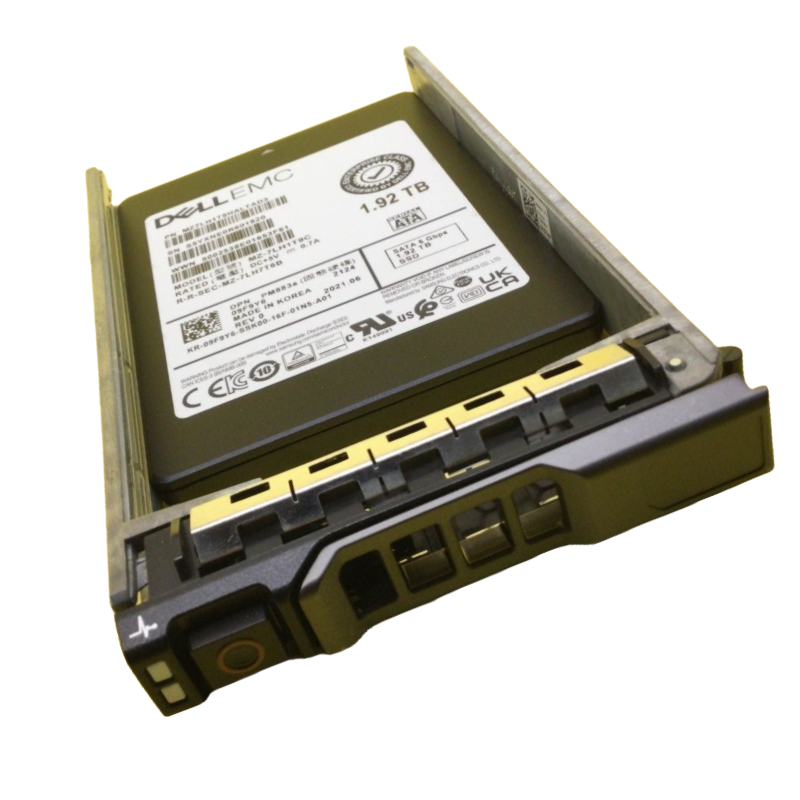
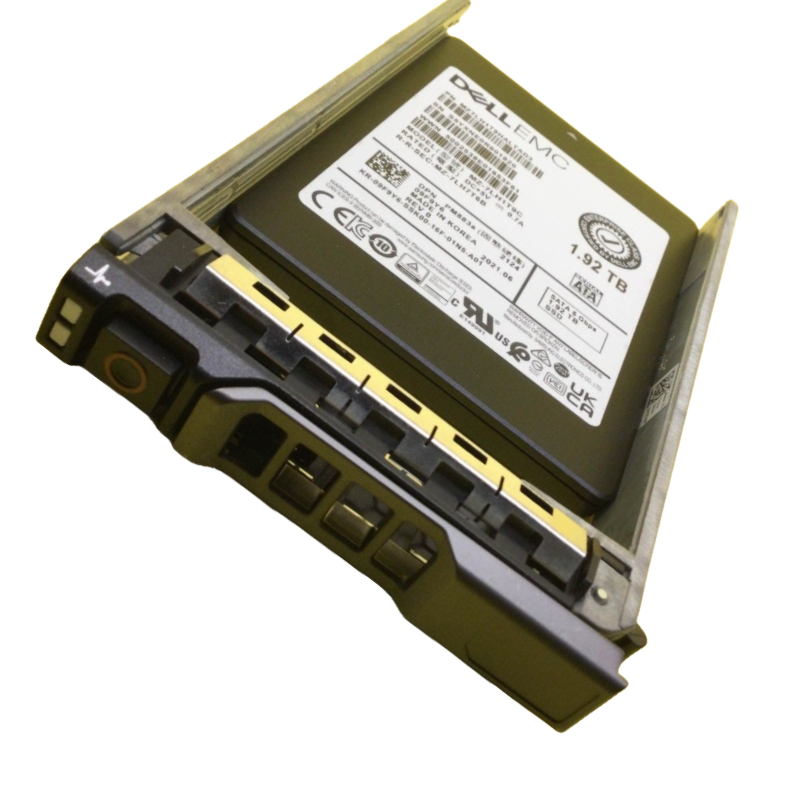
Dell 400-ATNS 1.92TB TLC SATA 6GBPS Solid State Drive 2.5inch Hot Swap Read Intensive Internal. New Sealed in Box (NIB) with 1 Year Warranty
| SKU/MPN | Warranty | Price | Condition | You save |
|---|---|---|---|---|
| 400-ATNS | 1 Year Warranty | $592.00 | Excellent Refurbished | You save: $207.20 (26%) |
| 400-ATNS | 1 Year Warranty | $940.00 | New Sealed in Box (NIB) | You save: $329.00 (26%) |
Optimize your server storage with the Dell 400-ATNS, a high-capacity, read-optimized solid-state drive (SSD) engineered for enterprise-class infrastructure. Built with 3D NAND TLC and a SATA 6Gb/s interface, this 2.5-inch, 7mm hot-swap drive provides dependable read performance and efficient density for database caching, virtualization read caches, content delivery and other read-heavy workloads.
The 400-ATNS is especially well suited for environments where reads dominate activity and capacity matters. Typical deployments include:
This Dell SSD integrates cleanly with many PowerEdge platforms — plug-and-play in supported chassis and trays. Tested compatibility includes but is not limited to:
In the realm of enterprise storage solutions, the Dell 400-ATNS 1.92TB Read Intensive Solid State Drive stands as a pinnacle of performance, reliability, and efficiency. Designed specifically for server environments, this 2.5-inch hot-swappable drive leverages advanced TLC NAND technology and the ubiquitous SATA interface to deliver a robust storage workhorse. It is engineered to excel in read-centric applications, offering a compelling balance between cost-effectiveness and high-performance characteristics that modern data centers demand. This category encompasses drives built for sustained operation, data integrity, and seamless integration into existing server infrastructure, making it an ideal choice for businesses looking to upgrade from traditional hard disk drives or optimize their storage tiering strategies.
Before delving into the specifics of the Dell 400-ATNS, it is crucial to understand the category it belongs to: Read-Intensive SSDs. Unlike consumer-grade SSDs or even write-intensive enterprise models, read-intensive SSDs are optimized for workloads where the vast majority of operations are data reads. This design philosophy influences every aspect of the drive, from the type of NAND flash memory used to the endurance rating and the internal controller algorithms.
The cornerstone of the Dell 400-ATNS's value proposition is its use of Triple-Level Cell (TLC) NAND flash memory. TLC NAND stores three bits of data per memory cell. Compared to Single-Level Cell (SLC, one bit per cell) and Multi-Level Cell (MLC, two bits per cell) used in more write-heavy drives, TLC offers a higher storage density. This translates to a lower cost per gigabyte, making high-capacity enterprise storage more accessible. While early TLC NAND had limitations on write endurance and speed, advancements in technology, sophisticated error-correcting code (ECC), and intelligent wear-leveling algorithms in modern enterprise TLC drives like the 400-ATNS have closed the performance and reliability gap significantly for read-intensive use cases. This allows organizations to benefit from the cost savings of TLC without compromising on the performance needs of their primary server storage.
The Dell 400-ATNS is more than just a label; it's a set of precise technical specifications that define its capabilities and ensure compatibility and performance within a Dell server ecosystem.
The drive utilizes the 2.5-inch form factor with a 7mm height, making it a standard fit for a vast majority of Dell PowerEdge servers and storage arrays. The "Hot Swap" capability is a critical feature for enterprise environments, allowing system administrators to remove and replace the drive without powering down the server. This enables maintenance, upgrades, and failure recovery with zero downtime, a non-negotiable requirement for mission-critical systems. The interface is SATA 6.0 Gbps (SATA III). While newer NVMe interfaces offer higher speeds, SATA remains a dominant, reliable, and cost-effective standard for many server applications, ensuring broad compatibility with existing server backplanes and controllers without requiring a costly infrastructure overhaul.
The 1.92TB capacity is a strategic sweet spot in the enterprise market. It provides ample space for operating systems, applications, and large datasets while often being more performance-consistent and cost-effective than higher-capacity models. The "512n" designation refers to the native sector size of 512 bytes, which is the traditional standard, ensuring compatibility with a wide range of operating systems and hypervisors. Underpinning this capacity is the 1.92TB of TLC NAND flash, managed by a high-performance controller that handles data placement, wear leveling, and garbage collection to maintain optimal speed and longevity.
Endurance is a key metric for any SSD, especially in an enterprise setting. It is typically measured in Terabytes Written (TBW) and Drive Writes Per Day (DWPD). The Dell 400-ATNS, as a read-intensive drive, is rated for a lower DWPD compared to a mixed-use or write-intensive drive. For example, a drive with a 1 DWPD rating over a 5-year warranty can have its entire capacity rewritten once every day for five years. A read-intensive drive might have a rating of 0.5 or 0.3 DWPD. This is perfectly aligned with its intended workload. The 1.92TB model is engineered to handle the write demands of its target applications reliably throughout its warranty period, offering the right endurance for the right price.
The true value of the Dell 400-ATNS 1.92TB SSD is realized when it is deployed in the correct scenarios. Its performance profile makes it an exceptional component in several key server roles.
Replacing traditional hard drives with the Dell 400-ATNS as a boot drive for servers can dramatically reduce boot times and improve overall system responsiveness. In large-scale deployments with dozens or hundreds of servers, faster boot times can significantly accelerate provisioning, maintenance cycles, and disaster recovery procedures. The read-intensive nature of the boot process—where the operating system kernel and services are loaded into memory—is a perfect match for this drive's strengths.
VDI environments are notoriously I/O-intensive, especially during "boot storms" when many users log in simultaneously. In non-persistent VDI setups, each user's desktop is launched from a shared golden image. This process generates an enormous amount of read I/O. The Dell 400-ATNS can store these VDI images, delivering the high random read performance needed to ensure a smooth and responsive user experience, even during peak load times. It alleviates I/O bottlenecks that are common with HDD-based storage.
Web servers delivering HTML, images, JavaScript, and CSS files, and application servers running code and serving content, are primarily read-heavy. Caching layers and frequently accessed data benefit immensely from the low latency and high read IOPS (Input/Output Operations Per Second) of the Dell 400-ATNS. Integrating this drive can lead to faster page load times, improved application response times, and a better end-user experience.
In data analytics, business intelligence, and data warehousing applications, large datasets are frequently queried. These queries are predominantly read operations. Storing these datasets, or even the tempdb for SQL Server, on high-performance read-intensive SSDs can drastically reduce query times, allowing analysts and decision-makers to get insights faster. The 1.92TB capacity provides substantial room for large tables and indices.
Opting for the genuine Dell 400-ATNS, as opposed to a third-party or generic SSD, provides several critical advantages that are essential for enterprise stability and support.
Dell integrates its server firmware and drivers tightly with its branded components. The Dell 400-ATNS is certified to work flawlessly with Dell PowerEdge servers. Firmware updates for the drive are delivered through standardized Dell channels, such as the Dell OpenManage Server Administrator (OMSA) or the Integrated Dell Remote Access Controller (iDRAC). This ensures that the drive's firmware is always compatible with the server's BIOS and RAID controller firmware, preventing potential compatibility issues, performance degradation, or system instability that can occur with non-certified drives.
Genuine Dell drives are fully visible and manageable within the Dell server ecosystem. System administrators can monitor the drive's health, temperature, wear indicators, and predicted failure analysis through iDRAC and OMSA. This proactive monitoring allows for the early detection of potential issues, enabling planned maintenance and replacement before an actual failure causes downtime. This level of integration is often lost with third-party drives.
Modern data centers often employ a tiered storage strategy to balance performance, capacity, and cost. Understanding where the Dell 400-ATNS sits in this hierarchy is key to designing an efficient infrastructure.
Enterprise SSDs are generally categorized into three tiers based on endurance:
The Dell 400-ATNS represents the logical successor to 10,000 RPM and 15,000 RPM SAS hard drives in the server market. It offers orders of magnitude higher IOPS, significantly lower latency, silent operation, better power efficiency, and greater resistance to physical shock and vibration. For any application where performance is a concern, replacing a SAS HDD with a read-intensive SSD like the 400-ATNS is one of the most impactful upgrades possible.
Successfully integrating the Dell 400-ATNS into a server environment requires attention to a few technical details.
When deploying multiple Dell 400-ATNS drives in a RAID array (e.g., RAID 1, RAID 5, RAID 10), it is important to use a battery-backed or flash-backed write cache on the RAID controller. SSDs can perform writes so quickly that they can overwhelm a controller's cache flushing mechanism during a power loss event without proper protection. Additionally, ensure that the RAID controller's stripe size is aligned with the workload for optimal performance.
Modern operating systems like Windows Server and Linux distributions, as well as hypervisors like VMware vSphere and Microsoft Hyper-V, are well-tuned for SSDs. However, it is always good practice to verify that features like TRIM (or UNMAP in SCSI parlance) are enabled. TRIM allows the operating system to inform the SSD which blocks of data are no longer in use and can be wiped internally, helping to maintain write performance over time by assisting the drive's garbage collection process.
While SSDs consume less power and generate less heat than HDDs, proper airflow within the server chassis is still critical for maintaining performance and longevity. Enterprise SSDs can throttle their performance if they overheat. Dell servers are designed with cooling zones that ensure components like the 400-ATNS receive adequate airflow to operate within their specified temperature range.
The Dell 400-ATNS 1.92TB Read Intensive SSD is not just a component for today's needs; it is a strategic investment. Its SATA interface ensures compatibility with current and legacy systems for years to come. As workloads inevitably grow, the performance headroom provided by this SSD over traditional HDDs will continue to deliver value. Furthermore, by establishing a performance tier with the 400-ATNS, organizations can build a scalable storage architecture, ready to incorporate newer technologies like NVMe as specific workloads demand, while the bulk of read-centric data remains efficiently and cost-effectively stored on these reliable TLC SATA workhorses.


 Contact Us
 Information
 Catalog
 Solid State Drives (SSD)
 Network Switches
 Hard Disk Drives
 HBA & Controllers
 PC & Servers
 PC & Server Memory
 CPU & Processors
 Network Routers
 Power Supplies
 Tape Drives & Libraries
 Network Devices
 Computer & Network Cables