(7% discount is applied at checkout)
Cart is empty
Your go-to destination for cutting-edge server products
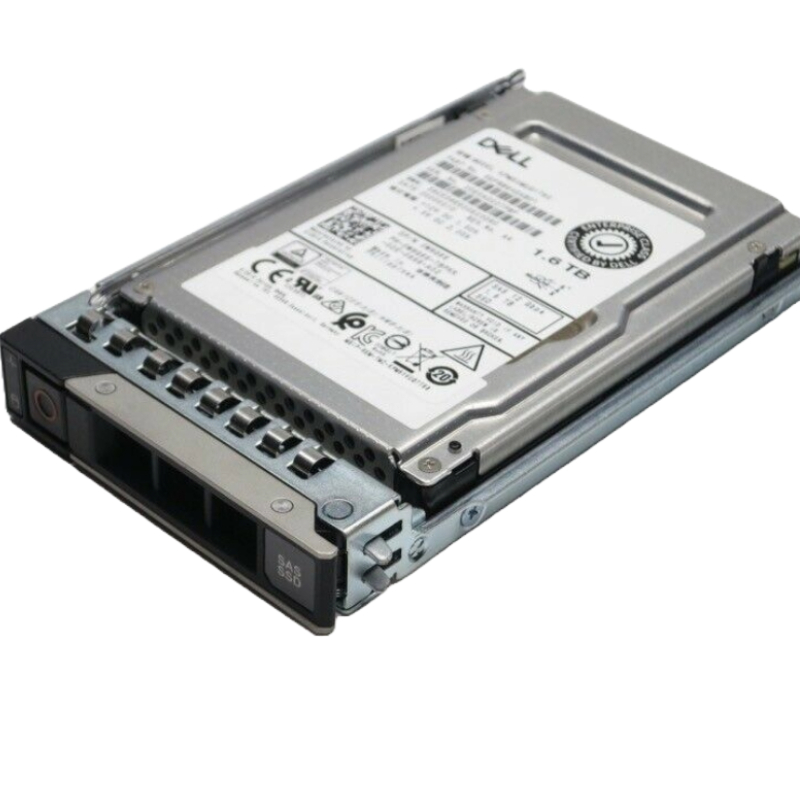


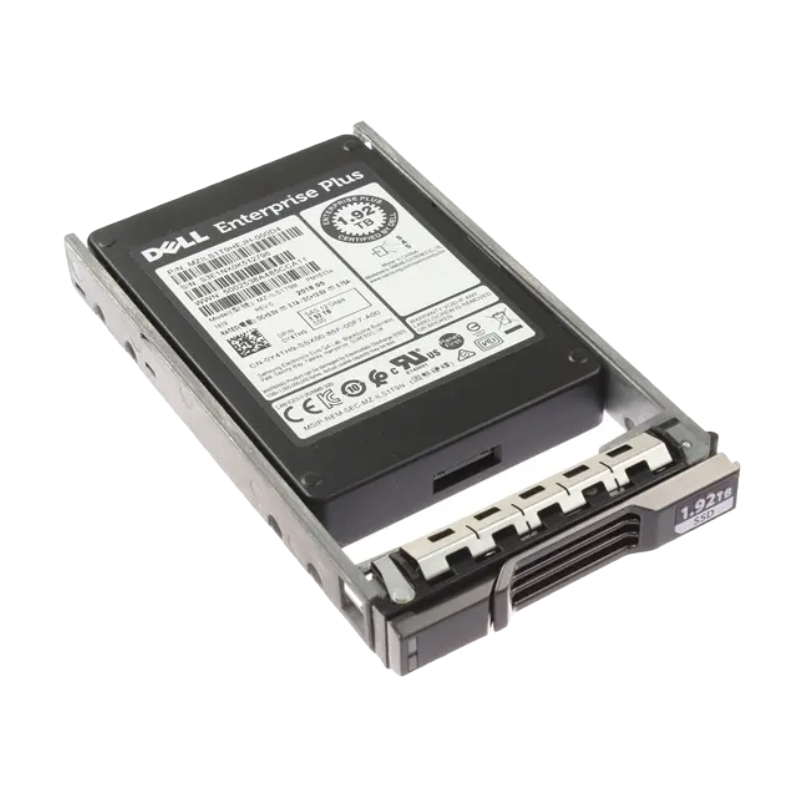
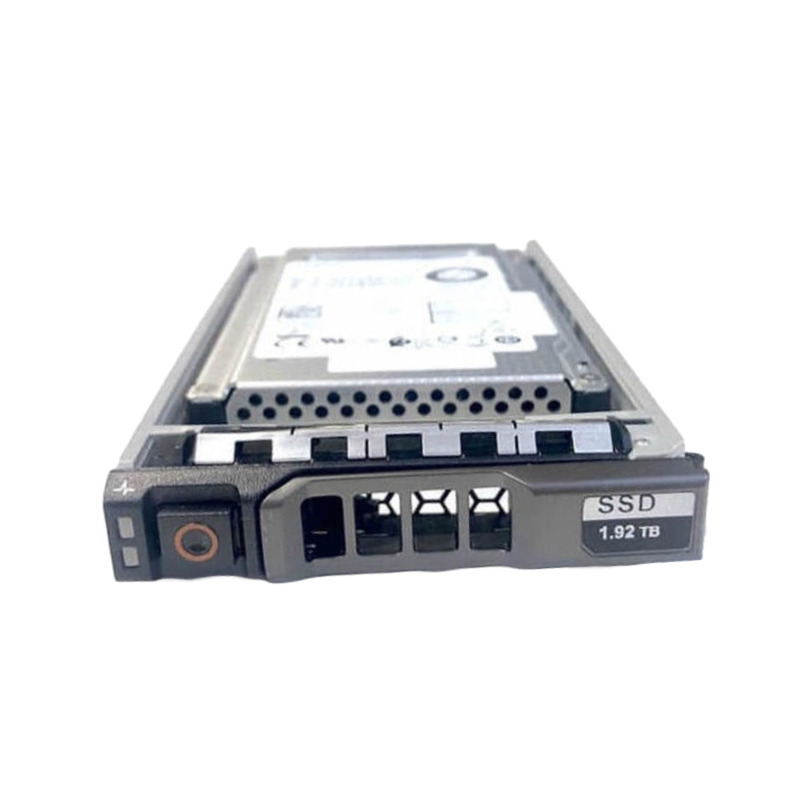
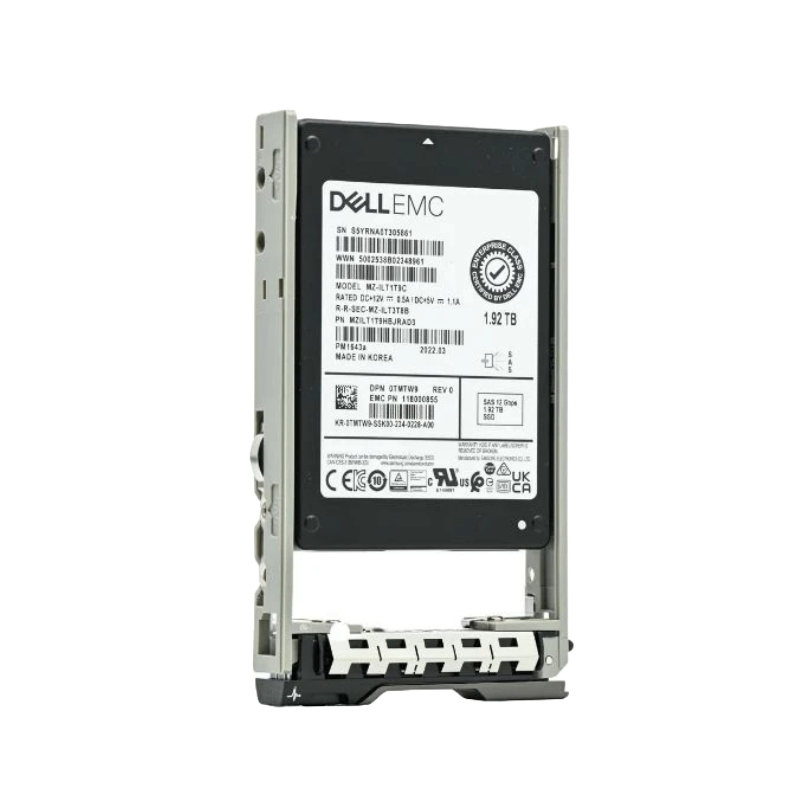
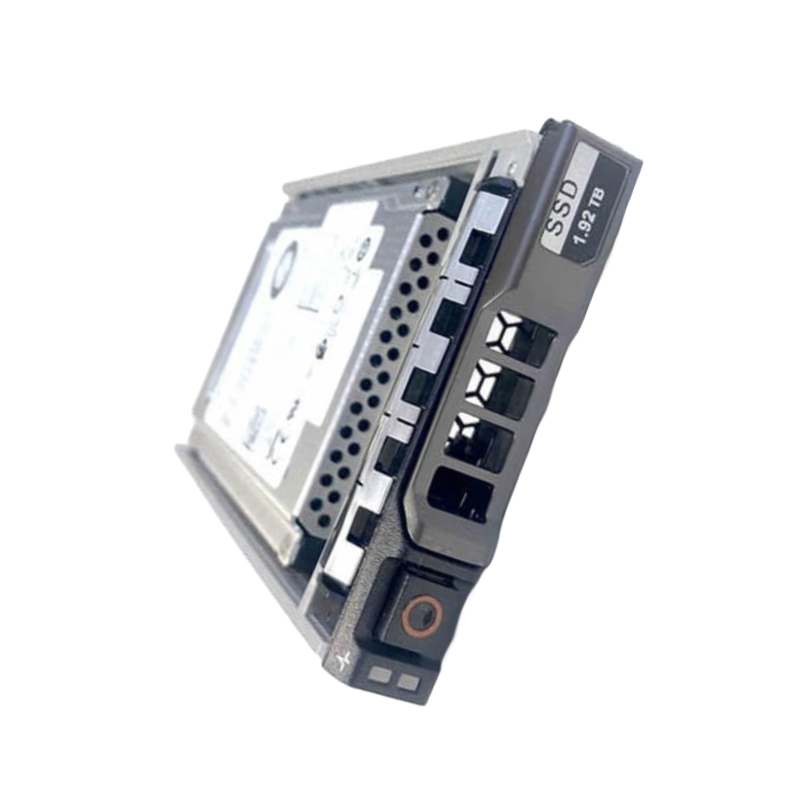
Dell 400-AUBH 1.9TB SAS-12GBPS Solid State Drive Mixed Use MLC 2.5inch Hot Plug for Server. Excellent Refurbished with 1 Year Replacement Warranty
The Dell 400-AUBH 1.9TB Mix Use MLC SAS 12Gbps 2.5-inch Hot Plug SSD is engineered for enterprise-grade servers and data centers. It provides reliable performance, high endurance, and superior scalability for critical business applications. Designed to handle a variety of workloads, this drive ensures efficient data storage and quick access speeds in demanding IT environments.
This enterprise-grade SSD is designed to maintain fast read and write speeds while ensuring endurance under heavy workloads.
The Dell 400-AUBH SSD is compatible with a wide range of Dell PowerEdge systems, providing seamless installation and optimized storage solutions:
The drive is tailored to handle a mix of read and write operations, making it suitable for transactional applications, virtualized environments, and business-critical databases.
With SAS 12Gbps connectivity and hot-swap support, the SSD is built to deliver performance at scale while reducing downtime during replacements or upgrades.
Whether used for expanding storage in existing Dell PowerEdge servers or implementing in new infrastructure, the Dell 400-AUBH SSD provides scalability and consistent performance for evolving IT needs.
Combines high capacity with strong performance for mission-critical business operations.
Ensures rapid data transfer, superior throughput, and stable connectivity in enterprise servers.
Employs MLC flash memory, offering reliability and endurance for demanding workloads.
To fully appreciate the capabilities of the Dell 400-AUBH, it is essential to understand the advanced technologies that form its foundation. Each component, from the NAND flash type to the interface protocol, is selected to meet the rigorous standards of enterprise storage.
The Serial-Attached SCSI (SAS) interface is the lifeblood of enterprise storage, offering significant advantages over the more common SATA interface found in consumer drives.
A critical feature of the SAS interface is its inherent support for dual-porting. This means the Dell 400-AUBH has two independent physical paths to the server. In a configured redundant setup, if one host bus adapter (HBA) or cable fails, the second port instantly takes over, ensuring continuous data availability with zero downtime. This is a non-negotiable requirement for mission-critical applications where even seconds of downtime can result in significant financial loss or service disruption.
Unlike SATA, which operates in half-duplex (data can only be sent or received at one time), SAS 12Gbps operates in full-duplex mode. This allows the drive to simultaneously read and write data at speeds up to 12 gigabits per second, effectively doubling the potential bandwidth of a single lane. Combined with a more robust electrical signaling system, SAS ensures superior data integrity over longer cable distances, which is crucial in large-scale server and storage array deployments.
The term "MLC" in the drive's description refers to Multi-Level Cell NAND flash. In the enterprise context, this does not mean consumer-grade MLC but rather high-grade, enterprise-level MLC that is specifically binned and tuned for durability and performance.
The "Mixed Use" classification is paramount. It indicates that the Dell 400-AUBH is engineered to handle a balanced ratio of read and write operations, typical of server workloads like database transaction processing (OLTP), email servers, and collaborative platforms. Mixed Use drives have a significantly higher write endurance rating compared to "Read-Intensive" drives, as they are designed to withstand the constant wear of data writes without degrading prematurely. This 1.9TB model offers an optimal balance, providing ample capacity alongside the durability needed for write-heavy tasks.
While TLC (Triple-Level Cell) and QLC (Quad-Level Cell) NAND offer higher densities and lower costs, they generally have lower write endurance and can suffer from performance slowdowns under sustained writes. The enterprise MLC NAND in the 400-AUBH stores fewer bits per cell, resulting in faster write speeds, lower latency, and a much longer operational lifespan, making it a more reliable and performant choice for critical server applications.
Let's delve into the specific numbers and features that define the performance profile of this enterprise SSD.
The 2.5-inch small form factor allows for high storage density within modern server chassis, such as Dell PowerEdge racks and blades. The hot-plug capability is an essential feature for maintaining 24/7 operations. A failing or outdated drive can be safely removed and replaced without powering down the entire server, ensuring continuous service availability and simplifying maintenance and upgrades.
The specific blend of capacity, endurance, and performance makes the Dell 400-AUBH exceptionally well-suited for a range of demanding server roles.
Enterprise Resource Planning (ERP) systems and high-transaction databases (e.g., Microsoft SQL Server, Oracle) are characterized by frequent, small, random read and write operations. The high random IOPS and low latency of this drive ensure that queries are processed rapidly, reports are generated faster, and user experience remains smooth even during peak load times.
In virtualized environments, a single physical server runs multiple virtual machines (VMs), each generating its own storage I/O. This creates a highly randomized and intense workload. The Dell 400-AUBH can support a high VM density, reducing I/O wait times and preventing the "I/O blender" effect from slowing down the entire host. Its performance is also critical for HCI platforms like VMware vSAN, where storage performance directly impacts the entire cluster's efficiency.
For public or private cloud providers, consistent and predictable performance is key to meeting service level agreements (SLAs). The mixed-use endurance of this drive ensures it can handle the varied and unpredictable workloads of multiple tenants without performance degradation over time, making it a reliable building block for scalable cloud infrastructure.
Applications involving real-time analytics, financial modeling, and scientific simulations often require rapid access to large datasets. The combination of high sequential throughput and high random IOPS allows the 400-AUBH to serve as a fast cache or primary storage tier, accelerating data processing and reducing time-to-insight.
Beyond raw speed, enterprise drives incorporate a suite of features designed to protect data and simplify management in a data center context.
Enterprise SSDs, including the Dell 400-AUBH, are equipped with sophisticated Power Loss Protection circuits. This typically involves a bank of capacitors that, in the event of a sudden power failure, provide enough residual energy to complete any in-progress writes from the volatile DRAM cache to the non-volatile NAND flash. This prevents data corruption and ensures write operations are atomic, a critical feature for maintaining database integrity.
Advanced error correction codes (ECC) and data path protection schemes are employed. Data is protected by checksums from the moment it leaves the host system, through the drive's DRAM, and onto the NAND media. If corruption is detected at any stage, the drive can correct the error or report it to the system, preventing silent data corruption.
As a genuine Dell drive, the 400-AUBH is designed for seamless integration with Dell's system management tools like OpenManage Enterprise. This allows for centralized monitoring of drive health, temperature, remaining lifespan, and predictive failure analysis, enabling proactive maintenance and replacement before a drive fails catastrophically.
Understanding where the Mixed Use 400-AUBH fits in the broader ecosystem of enterprise SSDs is crucial for making an informed purchasing decision.
These drives are optimized for workloads with a high percentage of read operations (e.g., 80/20 read/write). They often use lower-endurance TLC NAND to achieve a lower cost per gigabyte. They are ideal for boot drives, web servers, or as a read cache, but would wear out prematurely under the sustained write load of a database or virtualization host.
At the opposite end of the spectrum, Write-Intensive drives are built for extreme write endurance, often using the most durable SLC or eMLC NAND. They are designed for write-caching, logging, and data streaming applications where write operations vastly outnumber reads. They offer the highest endurance but at a significantly higher cost per gigabyte.
The Dell 400-AUBH occupies the strategic middle ground. It offers substantially higher write endurance than Read-Intensive drives at a more accessible price point than Write-Intensive models. This makes it the most versatile and commonly deployed drive for general-purpose server applications where the workload is a balanced mix of reads and writes.
Ensuring compatibility and understanding the support structure is the final step in the selection process.
The 400-AUBH is certified and validated for use in a wide array of Dell PowerEdge servers. It is crucial to verify compatibility with your specific server model (e.g., R740xd, R750, MX740c, etc.) and generation, as well as the required firmware and driver versions, through the Dell support website. Using a genuine Dell drive ensures optimal performance and avoids potential compatibility issues that can arise with third-party drives.
This drive is designed to work in harmony with Dell's Boot Optimized Storage Solution (BOSS) controllers and other Dell SAS HBAs. Keeping the drive's firmware up to date is essential for security, performance, and reliability, as updates often include bug fixes and optimizations specifically for the Dell ecosystem.


 Contact Us
 Information
 Catalog
 Solid State Drives (SSD)
 Network Switches
 Hard Disk Drives
 HBA & Controllers
 PC & Servers
 PC & Server Memory
 CPU & Processors
 Network Routers
 Power Supplies
 Tape Drives & Libraries
 Network Devices
 Computer & Network Cables