(7% discount is applied at checkout)
Cart is empty
Your go-to destination for cutting-edge server products
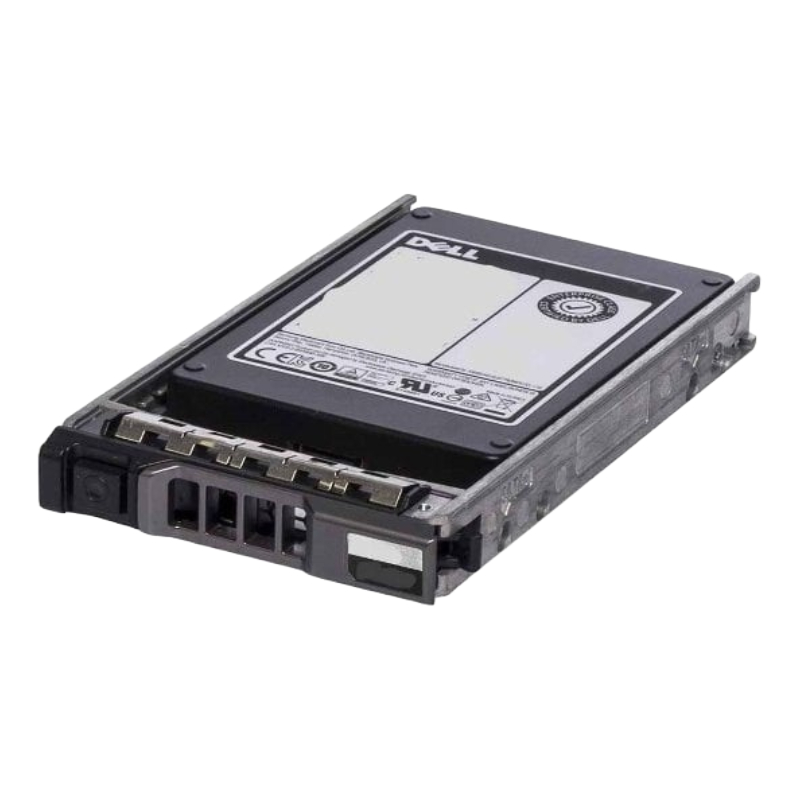


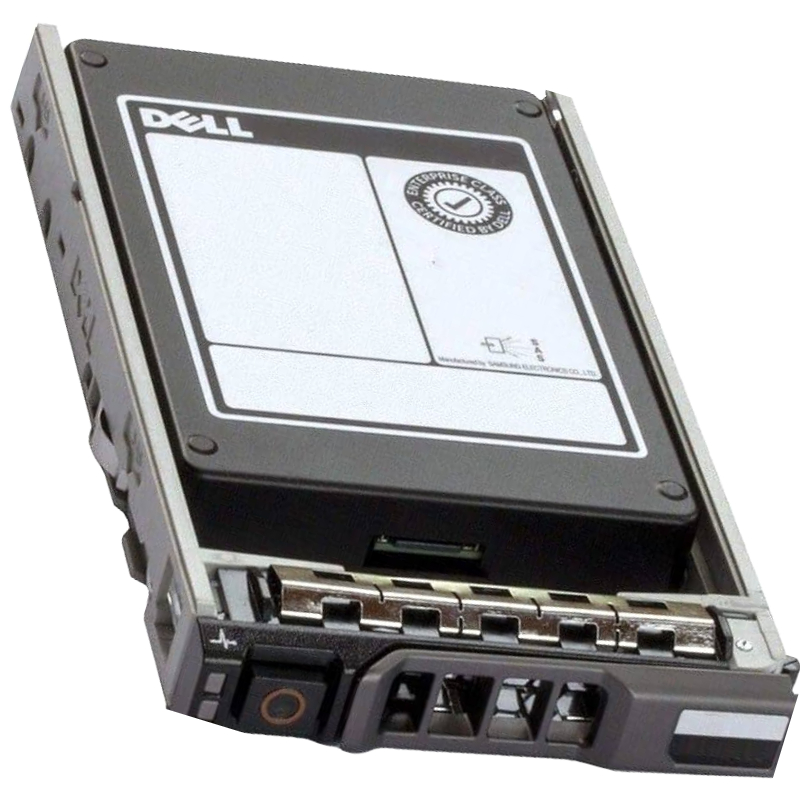
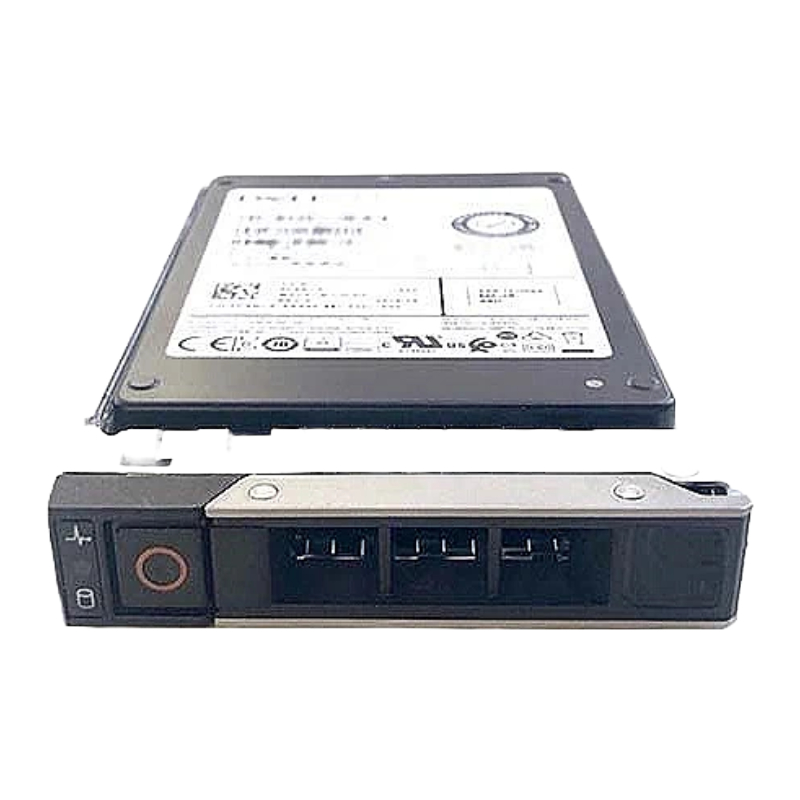
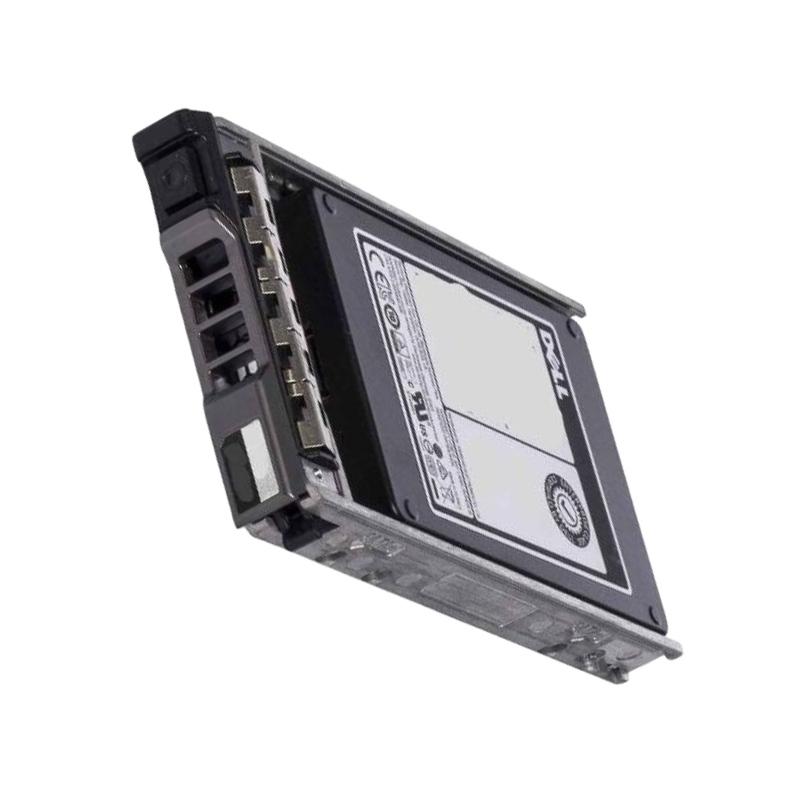
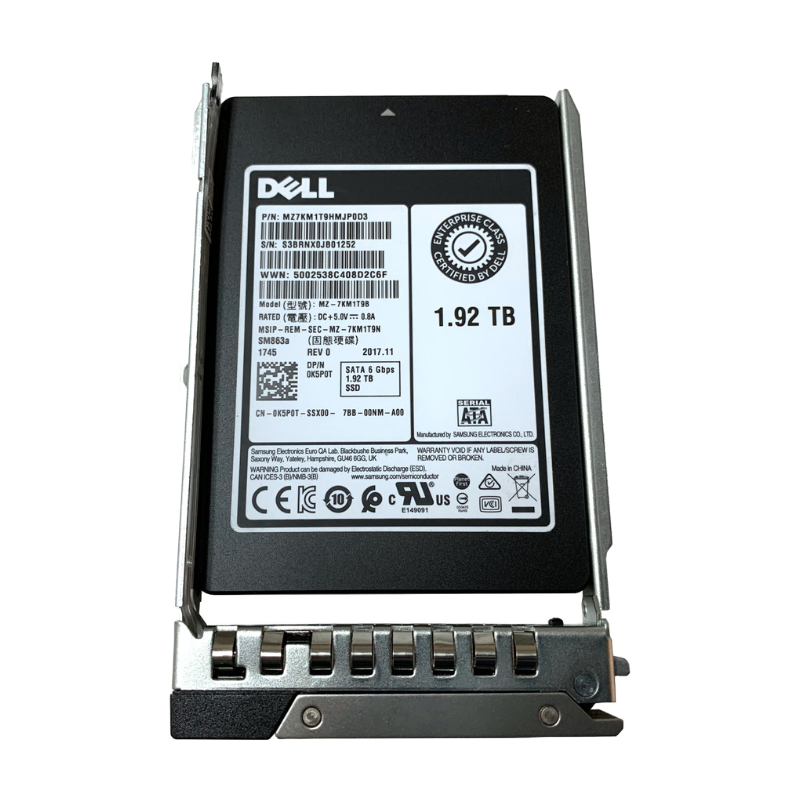
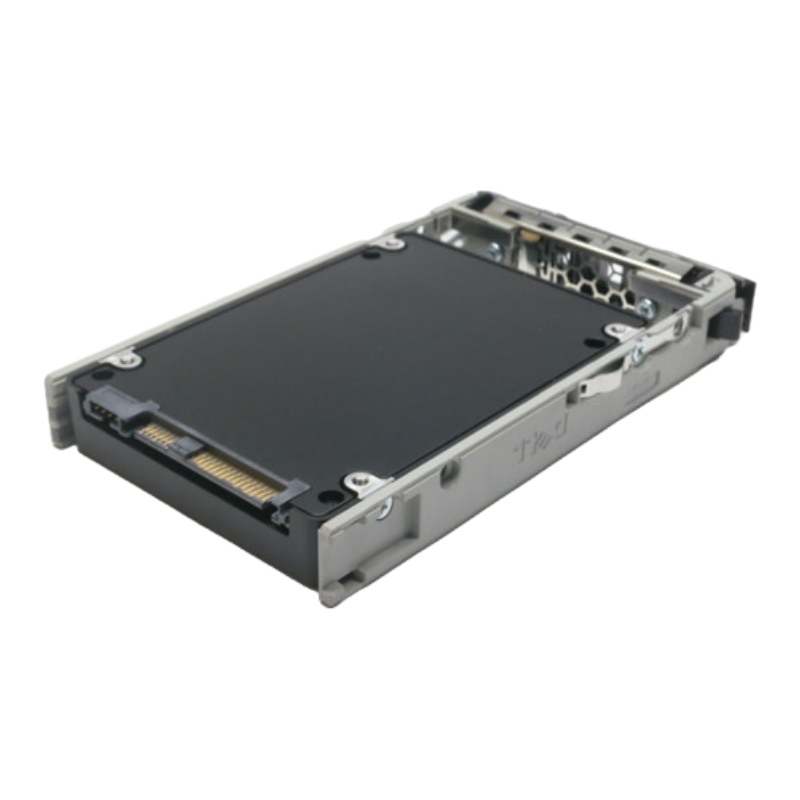
Dell 400-AXSG 1.92TB Read Intensive TLC SATA-6GBPS 2.5inch Hot Plug SSD. New Sealed in Box (NIB) with 1 Year Warranty
The Dell 400-AXSG 1.92TB solid state drive is a high-performing, enterprise-grade storage solution designed for read-intensive applications. Built with advanced TLC NAND flash technology, this SATA-6Gbps 2.5-inch hot plug SSD ensures seamless compatibility with Dell PowerEdge and PowerVault servers while providing exceptional reliability and consistent data transfer speeds.
The Dell 400-AXSG SSD offers wide compatibility across various Dell PowerEdge and PowerVault platforms, ensuring easy deployment and scalability for business workloads.
Best suited for scenarios with heavy read operations such as online transaction processing, cloud infrastructure, and data analytics.
Provides dependable performance for large-scale data storage with robust reliability features.
The Dell 400-AXSG 1.92TB Read Intensive SSD represents a specialized category of enterprise storage designed specifically for read-heavy workloads in data center environments. This 2.5-inch hot-pluggable solid-state drive combines TLC NAND technology with SATA 6Gbps interface to deliver optimal performance for applications requiring high read throughput with consistent latency. As part of Dell's enterprise storage portfolio, this drive is engineered to meet the rigorous demands of modern data centers while maintaining compatibility with existing server infrastructure.
With a formatted capacity of 1.92TB, this SSD provides substantial storage space while utilizing TLC NAND architecture balanced for both performance and endurance. The SATA 6Gbps interface ensures broad compatibility with existing server platforms, while the 2.5-inch hot-plug form factor allows for seamless integration and maintenance in live environments. The drive operates within standard enterprise temperature ranges and includes advanced power management features for optimized energy consumption in data center deployments.
The Dell 400-AXSG utilizes Triple-Level Cell NAND flash memory, specifically optimized for read-intensive applications. This technology allows three bits of data to be stored per memory cell, providing an excellent balance between storage density, performance, and cost-effectiveness. The read-intensive designation indicates that the drive's architecture and wear-leveling algorithms are tuned specifically for workloads where read operations significantly outnumber write operations, making it ideal for applications such as database querying, content delivery, and virtual desktop infrastructure.
Advanced NAND management techniques including wear leveling, bad block management, and garbage collection are implemented to extend the drive's operational lifespan. The controller employs sophisticated algorithms to distribute write operations evenly across all available memory cells, preventing premature wear on specific sectors. This proactive management ensures consistent performance throughout the drive's lifespan while maintaining data integrity across the entire storage capacity.
The Serial ATA 6Gbps interface provides a mature, stable connection protocol that ensures compatibility with a wide range of server systems and storage enclosures. While newer NVMe interfaces offer higher theoretical speeds, SATA remains relevant for many enterprise applications due to its widespread adoption, proven reliability, and cost-effectiveness. The interface delivers sequential read speeds up to 560MB/s and sequential write speeds up to 510MB/s, providing ample performance for read-intensive enterprise workloads without requiring infrastructure upgrades.
One of the significant advantages of the SATA interface is its backward compatibility with previous SATA generations. The Dell 400-AXSG will operate seamlessly in servers supporting SATA 3.0, 2.0, and 1.0 specifications, automatically negotiating the highest supported speed. This flexibility makes the drive suitable for infrastructure refresh projects where newer storage technology needs to integrate with existing server hardware, providing immediate performance improvements without requiring complete system replacement.
The "Read Intensive" classification indicates that this SSD is engineered specifically for applications where read operations constitute 70-90% of total I/O activity. The drive's controller, firmware, and cache management are all tuned to prioritize read latency and throughput. This optimization results in consistently low read latency, typically under 100 microseconds, which is critical for applications requiring rapid data access such as database servers, web serving, and data analytics platforms.
Unlike consumer-grade SSDs that may experience performance degradation under sustained workloads, the Dell 400-AXSG maintains consistent input/output operations per second throughout extended operation periods. The drive incorporates dynamic thermal throttling mechanisms and power management features to prevent performance drops due to overheating, ensuring reliable operation even in densely populated server configurations with limited airflow.
While optimized for read operations, the drive still delivers respectable write performance with advanced write acceleration technologies. The drive features a specific endurance rating, typically measured in total bytes written over its lifespan, which for read-intensive models is balanced to provide adequate write capability without the cost premium of write-optimized designs. The controller employs sophisticated write amplification reduction techniques to maximize the effective write endurance while maintaining data integrity.
The integrated DRAM cache and sophisticated write buffering algorithms help absorb write bursts and manage background operations without impacting foreground performance. The drive utilizes a combination of static and dynamic caching techniques to optimize both sequential and random write patterns, ensuring that even during peak write activity, read performance remains consistently responsive for critical applications.
The 2.5-inch form factor has become the standard for enterprise server storage, offering an optimal balance between storage density, power consumption, and thermal management. The hot-plug capability allows for drive installation, removal, and replacement while the host system remains operational, a critical feature for maintaining high availability in enterprise environments. The drive carrier and connector design ensure secure physical connection and proper airflow for cooling.
Measuring 100.2mm x 69.85mm x 7mm, the drive conforms to the standard 2.5-inch form factor specifications, ensuring compatibility with most server drive bays and storage enclosures. The thickness of 7mm allows installation in both traditional 15mm server bays and newer ultra-slim configurations, providing deployment flexibility across different server generations and models. The mounting holes align with standard positions for secure installation in various carrier designs.
The Dell 400-AXSG is designed to operate within enterprise-grade environmental parameters, typically supporting temperatures from 0°C to 70°C during operation and wider ranges during non-operation. The drive can withstand specified levels of shock and vibration, making it suitable for deployment in various data center environments, including high-density server racks where multiple drives operate in close proximity.
Power efficiency is a critical consideration in modern data centers, and the Dell 400-AXSG incorporates multiple power states to optimize energy usage based on workload demands. Typical active power consumption ranges between 3-5 watts during operation, with lower power states available during idle periods. These power management features help reduce overall data center power consumption and heat generation while maintaining responsiveness to I/O requests.
The drive implements advanced error correction code technologies capable of correcting multiple bit errors per memory page. This robust ECC implementation ensures data integrity even as NAND cells approach their endurance limits. Additional protection mechanisms include end-to-end data path protection, which safeguards data from the host interface through the controller to the NAND media and back, preventing corruption during transmission and processing.
Enterprise SSDs often operate in RAID configurations, and the Dell 400-AXSG includes features specifically designed for RAID environments. These include enhanced error recovery controls that prevent drive dropout from RAID arrays due to temporary read errors, and power-loss protection that ensures data in transit is preserved during unexpected power interruptions. These features maintain array integrity and reduce administrative overhead in managed storage systems.
Advanced wear-leveling algorithms distribute write operations evenly across all available memory blocks, preventing specific regions from wearing out prematurely. The drive continuously monitors block health and proactively retires blocks approaching their endurance limits, remapping data to spare blocks maintained in an over-provisioned area. This proactive management occurs transparently to the host system, maintaining performance and capacity throughout the drive's operational life.
The Dell 400-AXSG incorporates strategic over-provisioning, where a portion of the physical NAND capacity is reserved for background operations, wear leveling, and bad block replacement. This over-provisioning improves write performance, extends drive endurance, and ensures that the advertised capacity remains available even as blocks are retired throughout the drive's lifespan. The over-provisioning percentage is carefully calibrated based on the read-intensive workload profile.
In tiered storage architectures, the Dell 400-AXSG occupies an optimal position as a performance tier for read-intensive applications. Its balance of capacity, performance, and cost makes it suitable for hosting frequently accessed data that doesn't require the extreme performance of NVMe storage but benefits from SSD speeds compared to traditional hard drives. Common implementations include database indexing, frequently accessed file shares, and application binaries.
Virtualized environments benefit significantly from the consistent low latency of SSDs for host operating system storage and virtual machine templates. The Dell 400-AXSG provides excellent performance for hypervisor installations and VM template libraries where read operations dominate. In cloud infrastructure, these drives can serve as cost-effective storage for instance images and frequently accessed customer data where read performance is more critical than write performance.
Web servers, content delivery nodes, and media streaming platforms typically generate heavily read-biased workloads. The Dell 400-AXSG's read-optimized architecture delivers fast response times for content retrieval while handling the concurrent read requests common in these environments. The drive's capacity point of 1.92TB provides substantial storage for web content, media files, or application data while maintaining consistent performance under high concurrent access patterns.
In database systems, read-intensive SSDs excel at hosting database indices, read-only table spaces, and reporting databases where query performance is critical. The consistent low latency improves query response times, while the adequate write performance handles occasional index updates and data modifications. Similarly, in analytics platforms, these drives efficiently store processed data sets for rapid querying and analysis by business intelligence tools.
As a Dell-branded component, the 400-AXSG is fully tested and validated across Dell's server and storage portfolio, including PowerEdge servers, PowerVault storage systems, and Dell EMC storage solutions. This validation ensures optimal performance, compatibility, and management integration when deployed within Dell infrastructure. The drive firmware includes Dell-specific enhancements that optimize performance and reliability when used in recommended configurations.
While optimized for Dell systems, the drive maintains standard SATA interface compliance, ensuring broad compatibility with third-party servers and storage enclosures. However, certain advanced management features or performance optimizations may require Dell-specific management controllers or firmware. Organizations deploying these drives in mixed-vendor environments should verify specific compatibility requirements for their intended use cases.
The drive supports all major operating systems and hypervisors through standard SATA device drivers included in most modern operating systems. No special drivers are typically required for basic functionality, though vendor-specific management tools may provide enhanced monitoring and management capabilities. The drive's standard block device interface ensures compatibility with file systems, volume managers, and storage applications across the supported platform ecosystem.
The 2.5-inch SATA form factor makes the Dell 400-AXSG an ideal replacement for older SSDs or hard drives in existing infrastructure. The hot-plug capability facilitates straightforward replacement during technology refresh cycles or capacity expansion projects. When replacing existing drives, compatibility considerations should include physical dimensions, connector type, and any specific carrier or caddy requirements for the target system.
Enterprise SSDs are typically categorized by their workload optimization: read-intensive, mixed-use, and write-intensive. The Dell 400-AXSG occupies the read-intensive segment, offering the best cost-per-gigabyte for read-dominant workloads while providing adequate write performance for occasional modifications. This positioning makes it more cost-effective than mixed-use or write-intensive drives for applications where write endurance requirements are moderate but read performance is critical.
Compared to traditional hard disk drives, the Dell 400-AXSG offers significantly higher IOPS performance, lower latency, and better power efficiency despite a higher initial cost per gigabyte. The value proposition centers on performance density—the ability to serve more transactions or users from a single drive—and reduced latency for responsive applications. For read-intensive workloads, the performance advantage often justifies the premium over HDDs, particularly when considering total cost of ownership including power, cooling, and space utilization.
While NVMe SSDs offer higher performance through the PCIe interface, SATA SSDs like the Dell 400-AXSG remain relevant for many enterprise applications. The SATA interface provides sufficient performance for many read-intensive workloads without requiring infrastructure changes or consuming PCIe lanes that might be needed for other components. The widespread compatibility and mature ecosystem of SATA make it a practical choice for balanced performance and compatibility requirements.


 Contact Us
 Information
 Catalog
 Solid State Drives (SSD)
 Network Switches
 Hard Disk Drives
 HBA & Controllers
 PC & Servers
 PC & Server Memory
 CPU & Processors
 Network Routers
 Power Supplies
 Tape Drives & Libraries
 Network Devices
 Computer & Network Cables