(7% discount is applied at checkout)
Cart is empty
Your go-to destination for cutting-edge server products
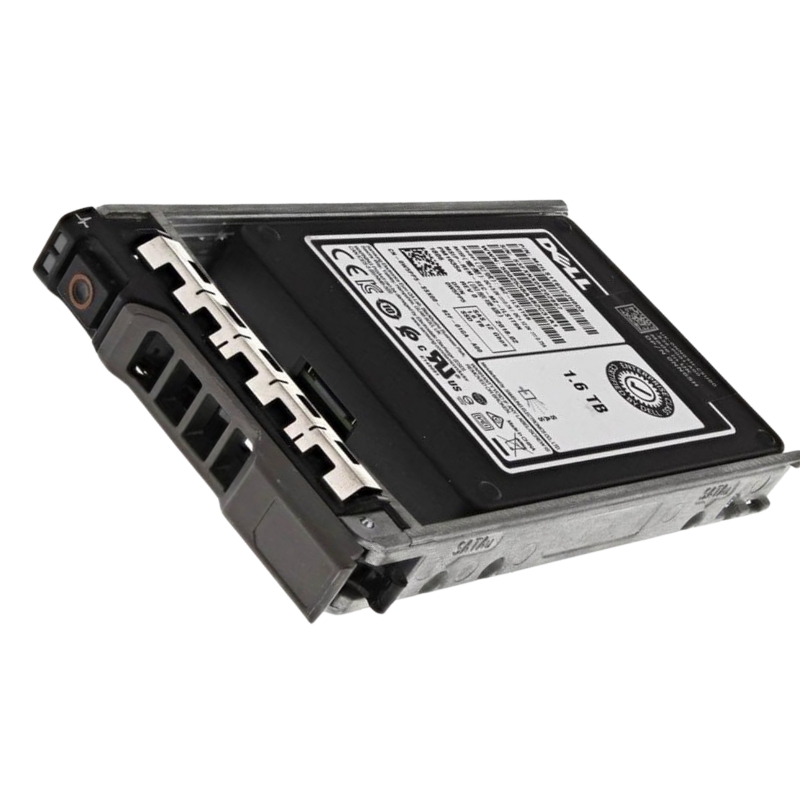


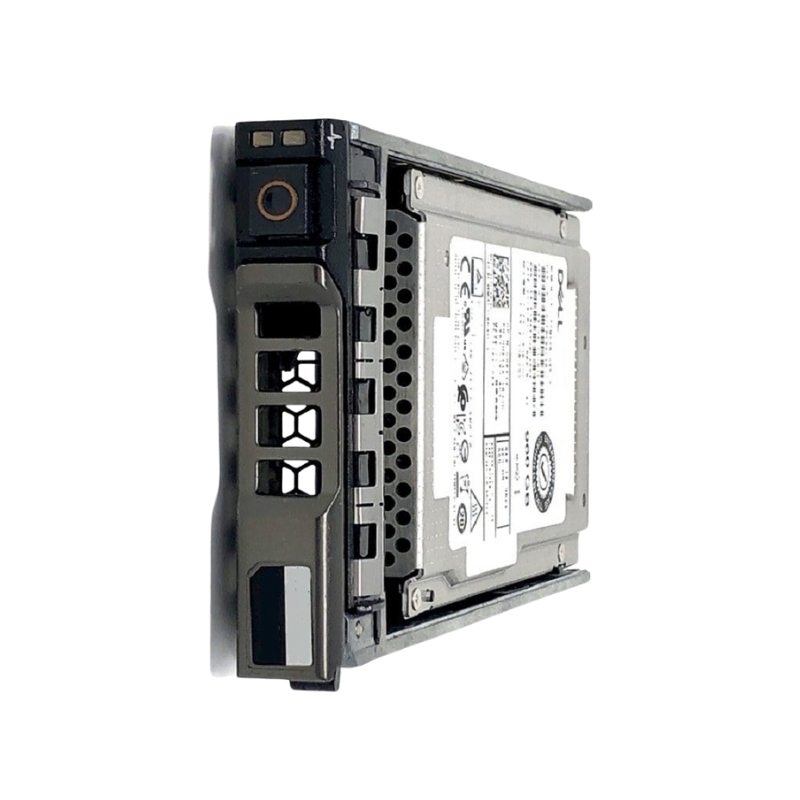
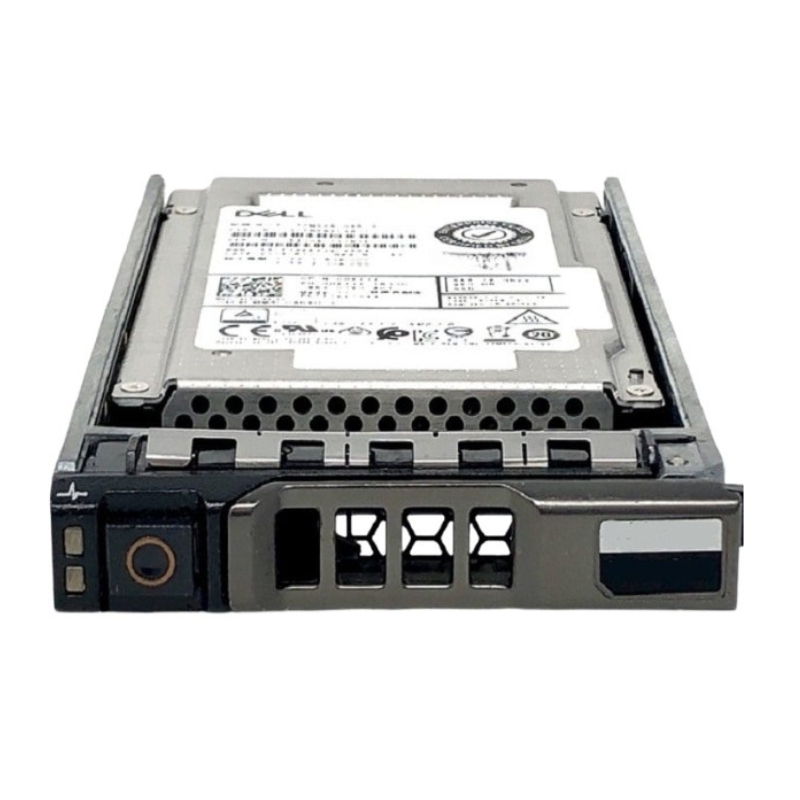
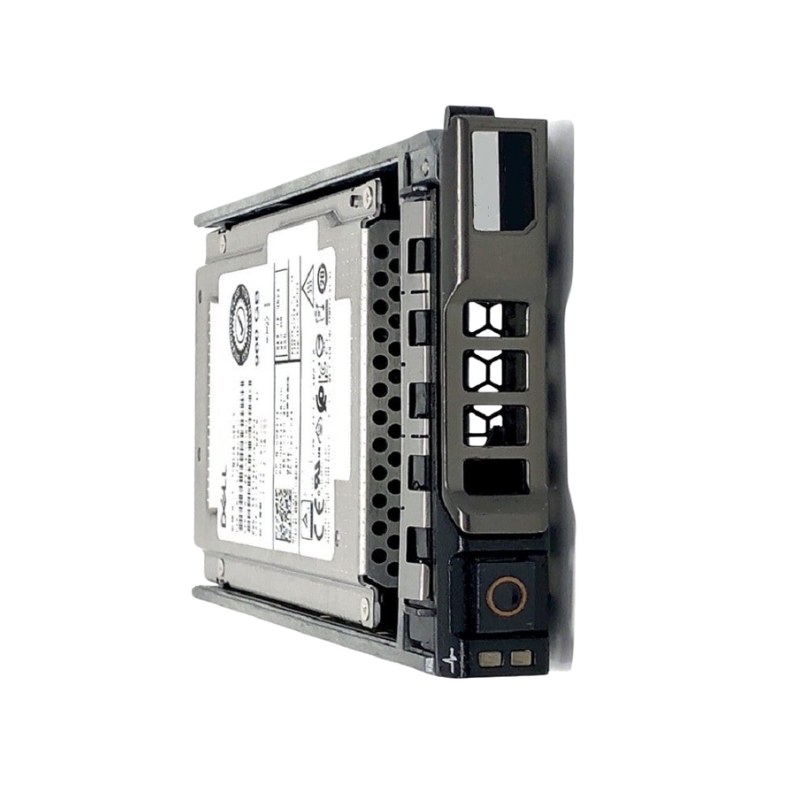
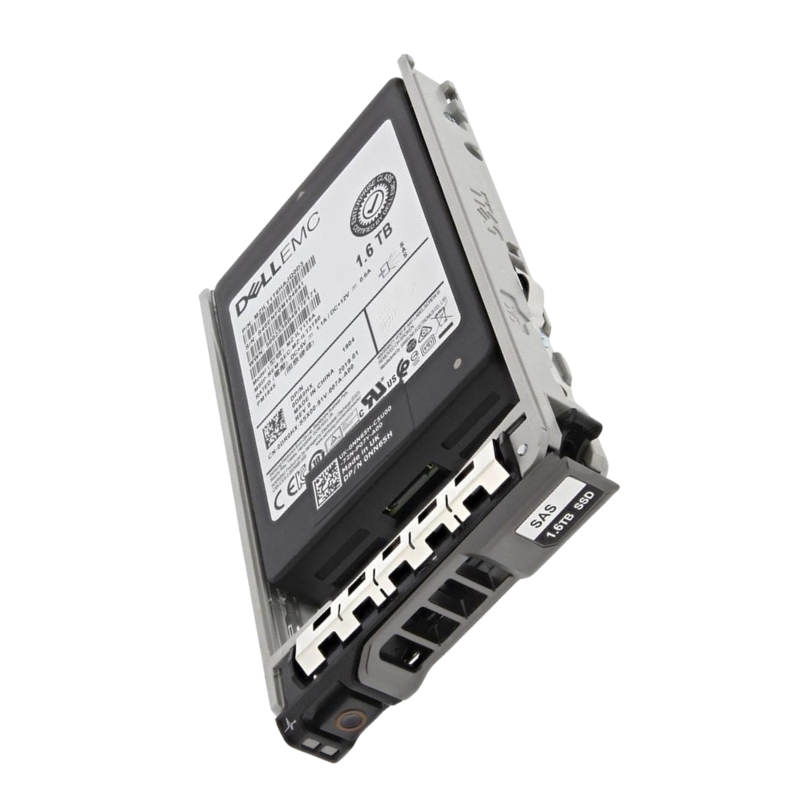
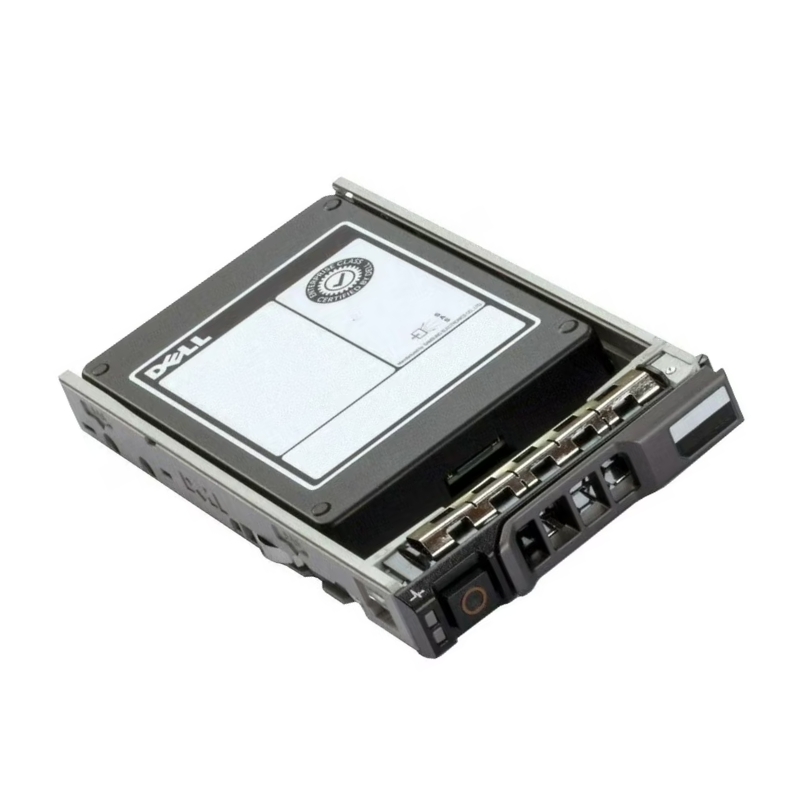
Dell 400-AZHK 1.6TB Mixed Use Tlc SAS-12GBPS Hot-plug With Tray For SSD. New Sealed in Box (NIB) with 1-Year Replacement Warranty
Optimize your server storage with the Dell 400-AZHK 1.6TB Mixed-Use TLC SAS 12Gb/s 2.5-inch SFF hot-plug solid state drive. This enterprise-grade SSD delivers a balanced blend of sustained throughput, consistent I/O performance, and operational endurance — ideal for mixed workload environments such as virtualization, databases, and general-purpose server storage.
The Dell 400-AZHK is engineered as a mixed-use (MU) device — a middle ground between read-intensive and high-endurance data center SSDs. It’s designed to handle sustained mixed read/write workloads while keeping latency low and throughput predictable.
This SSD ships with a server tray and fits standard 2.5-inch hot-plug bays. It uses the 512e sector emulation (Advanced Format) which ensures compatibility with many enterprise operating systems and storage arrays.
The 400-AZHK is validated for use in a wide range of Dell server models and storage arrays. Using Dell-qualified SSDs helps ensure firmware compatibility and smoother firmware updates through Dell lifecycle controllers.
Because it balances endurance and affordability, this 1.6TB mixed-use SSD is well suited for:
The Dell 400-AZHK represents a significant advancement in enterprise storage technology, specifically engineered for demanding server environments where reliability, speed, and endurance are paramount. This 1.6TB Mixed Use TLC SAS SSD delivers exceptional performance for read-intensive and write-intensive workloads alike, making it an ideal solution for modern data centers, cloud infrastructure, and enterprise applications.
With a formidable 1.6TB capacity and cutting-edge Triple-Level Cell (TLC) NAND flash memory, this solid-state drive operates through a high-speed 12Gbps SAS interface. The drive features 512e (512-byte emulation) sector formatting and comes in a standardized 2.5-inch Small Form Factor (SFF) design with an integrated hot-plug tray, ensuring seamless integration into existing server infrastructure.
The Serial Attached SCSI (SAS) 12Gbps interface represents the pinnacle of enterprise storage connectivity, offering substantial advantages over SATA alternatives. With full-duplex capability, the SAS interface enables simultaneous read and write operations at maximum bandwidth, effectively doubling throughput compared to half-duplex SATA drives. This bidirectional communication capability is crucial for enterprise environments where continuous data access is mandatory.
One of the most significant enterprise features of the Dell 400-AZHK is its dual-port SAS implementation. This critical redundancy feature allows the drive to maintain operations even if one host connection fails, providing continuous availability for mission-critical applications. The dual-port architecture enables multiple servers to access the same storage device simultaneously, facilitating advanced clustering and high-availability configurations that are essential for enterprise environments with zero-downtime requirements.
Designed specifically for mixed-use scenarios, the Dell 400-AZHK strikes an optimal balance between read-intensive and write-intensive operations. Unlike read-optimized SSDs that sacrifice write endurance for cost efficiency, or write-optimized drives that prioritize endurance over performance, this mixed-use drive delivers consistent performance across diverse workload types. This versatility makes it suitable for applications ranging from database management and virtualization to content delivery networks and transaction processing systems.
The implementation of Triple-Level Cell (TLC) NAND flash represents a sophisticated balance between cost, capacity, and performance. Each memory cell stores three bits of data, enabling higher storage densities compared to Single-Level Cell (SLC) and Multi-Level Cell (MLC) alternatives. Advanced error correction algorithms, wear leveling, and over-provisioning techniques ensure that TLC reliability meets enterprise standards while providing substantial cost advantages per gigabyte.
Dell employs sophisticated flash management controllers that implement advanced error correction code (ECC), garbage collection, and read-retry algorithms. These technologies work in concert to maintain data integrity and extend the drive's operational lifespan. The controller architecture includes dedicated processors for wear leveling, ensuring even distribution of write operations across all available NAND cells to prevent premature wear-out of specific memory blocks.
The 512e (512-byte emulation) sector format provides compatibility with legacy systems while leveraging the benefits of advanced format technology. Traditional hard drives used 512-byte sectors, but modern storage technologies benefit from larger 4KB sectors for improved error correction and storage efficiency. The 512e implementation emulates 512-byte sectors for the host system while physically organizing data in 4KB blocks, ensuring backward compatibility without sacrificing modern storage advantages.
The 2.5-inch Small Form Factor design represents the current standard for enterprise server storage, offering significant advantages over traditional 3.5-inch drives. The compact dimensions enable higher storage density within server chassis, allowing organizations to maximize their storage capacity per rack unit. The hot-plug capability ensures that drives can be replaced or added without powering down the entire system, a critical feature for maintaining continuous operations in 24/7 environments.
Each Dell 400-AZHK SSD includes a precision-engineered tray that facilitates secure mounting within Dell PowerEdge servers and compatible storage enclosures. The tray design incorporates vibration dampening features that protect the drive from mechanical stress during operation, while ensuring optimal thermal contact with the server's cooling infrastructure. The tool-less design enables rapid deployment and replacement, reducing maintenance time and operational overhead.
The Dell 400-AZHK delivers exceptional IOPS performance across various workload profiles. For random read operations, the drive achieves performance levels that significantly outperform traditional hard drives and SATA SSDs, making it ideal for database applications and virtualized environments. Random write performance maintains consistently high levels thanks to the sophisticated write acceleration technology and intelligent cache management.
Unlike consumer-grade SSDs that may experience performance degradation under sustained workloads, the Dell 400-AZHK maintains consistent performance levels through advanced thermal management and workload balancing. The drive controller dynamically adjusts operation parameters to prevent thermal throttling while ensuring that performance Service Level Agreements (SLAs) are maintained even during extended periods of intensive activity.
With ultra-low latency measured in microseconds rather than milliseconds, this SAS SSD dramatically reduces application response times compared to traditional storage media. The 12Gbps SAS interface provides ample bandwidth for demanding sequential workloads, enabling rapid data transfer for backup operations, data analytics processing, and large-scale file operations. The combination of low latency and high throughput makes this drive suitable for performance-sensitive applications where storage responsiveness directly impacts business operations.
The Dell 400-AZHK is engineered for exceptional reliability with a Mean Time Between Failures rating that exceeds 2 million hours. This impressive MTBF figure reflects the drive's robust construction, quality components, and sophisticated error management systems. Enterprise environments benefit from this reliability through reduced maintenance requirements and lower total cost of ownership over the drive's operational lifespan.
With an Uncorrectable Bit Error Rate of 1 sector per 10^17 bits read, the Dell 400-AZHK provides exceptional data integrity protection. This rating signifies that the drive's advanced error correction capabilities can handle an extensive number of correctable errors before encountering an uncorrectable error, ensuring data remains intact even in the presence of moderate media degradation or transient electrical issues.
The drive's mixed-use designation is supported by its substantial Total Bytes Written rating, which quantifies the amount of data that can be written to the drive over its lifetime while maintaining reliable operation. This endurance metric accounts for the wear characteristics of TLC NAND flash and incorporates substantial over-provisioning to extend the drive's usable life in write-intensive environments.
The Dell 400-AZHK is extensively validated for use across the Dell PowerEdge server portfolio, including rack servers, tower servers, and modular infrastructure. The drive firmware includes Dell-specific optimizations that enhance performance and reliability when deployed in Dell environments. Compatibility extends across multiple generations of PowerEdge systems, providing investment protection and upgrade flexibility for existing Dell infrastructure.
Beyond direct server attachment, this SAS SSD is compatible with Dell storage arrays and Just a Bunch Of Disks (JBOD) enclosures that support the 2.5-inch SAS form factor. The drive's dual-port capability enables sophisticated storage configurations including shared storage clusters and high-availability pairs. Compatibility with industry-standard SAS protocols ensures interoperability with third-party storage systems that adhere to SAS specification requirements.
Comprehensive operating system support includes all major enterprise platforms including Windows Server, Linux distributions, VMware ESXi, and other hypervisor environments. The drive presents itself as a standard SAS device to the operating system, requiring no special drivers for basic functionality. Advanced management features may leverage Dell-specific utilities that provide enhanced monitoring, health reporting, and predictive failure analysis capabilities.
For relational database management systems like Microsoft SQL Server, Oracle Database, and MySQL, the Dell 400-AZHK provides the low latency and high IOPS necessary for optimal transaction processing performance. The drive's consistent performance under mixed read/write workloads aligns perfectly with database operations that involve both transaction logging and data retrieval activities. The dual-port SAS capability ensures continuous availability for critical database applications.
In virtualized environments running VMware vSphere, Microsoft Hyper-V, or other hypervisors, this mixed-use SAS SSD delivers the performance density required to support multiple virtual machines simultaneously. The drive's ability to handle random I/O patterns efficiently makes it ideal for virtualization workloads where multiple operating systems and applications generate diverse storage access patterns. The hot-plug capability facilitates maintenance without disrupting virtual machine operations.
High-performance computing applications benefit from the drive's high throughput and low latency characteristics. Scientific computing, financial modeling, and engineering simulations often involve substantial temporary storage requirements and intermediate data sets that benefit from SSD performance. The 1.6TB capacity provides ample space for working data sets while the SAS interface ensures minimal data transfer bottlenecks during computation cycles.
While SATA SSDs offer cost advantages for certain applications, the Dell 400-AZHK SAS SSD provides significant performance and reliability benefits that justify the premium for enterprise workloads. The dual-port capability, higher queue depths, and full-duplex operation of SAS provide tangible advantages for mission-critical applications where availability and performance cannot be compromised.
NVMe drives offer superior performance through the PCIe interface but come with different infrastructure requirements. The Dell 400-AZHK provides an optimal balance of performance, capacity, and compatibility with existing SAS infrastructure. For organizations with substantial investment in SAS backplanes and controllers, this drive offers a performance upgrade path without requiring complete infrastructure overhaul.
Unlike specialized read-intensive or write-intensive SSDs, the mixed-use designation of the Dell 400-AZHK provides versatility across diverse workload types. This eliminates the need for precise workload characterization and separate procurement processes for different application types. The balanced endurance characteristics ensure consistent performance regardless of the read/write ratio, simplifying storage planning and management.
Despite its high-performance capabilities, the Dell 400-AZHK incorporates advanced power management features that optimize energy consumption based on workload demands. The drive supports multiple power states that balance performance requirements with energy efficiency, including active, idle, and standby modes. These power management capabilities contribute to reduced operational costs in large-scale deployments where energy consumption represents a significant portion of the total cost of ownership.
The 2.5-inch form factor and efficient controller design minimize heat generation compared to traditional hard drives and larger SSDs. However, the drive's sustained performance capabilities necessitate proper airflow within the server chassis to maintain optimal operating temperatures. Dell provides comprehensive thermal guidelines to ensure adequate cooling in various deployment scenarios, preventing thermal throttling and maintaining consistent performance.


 Contact Us
 Information
 Catalog
 Solid State Drives (SSD)
 Network Switches
 Hard Disk Drives
 HBA & Controllers
 PC & Servers
 PC & Server Memory
 CPU & Processors
 Network Routers
 Power Supplies
 Tape Drives & Libraries
 Network Devices
 Computer & Network Cables