(7% discount is applied at checkout)
Cart is empty
Your go-to destination for cutting-edge server products
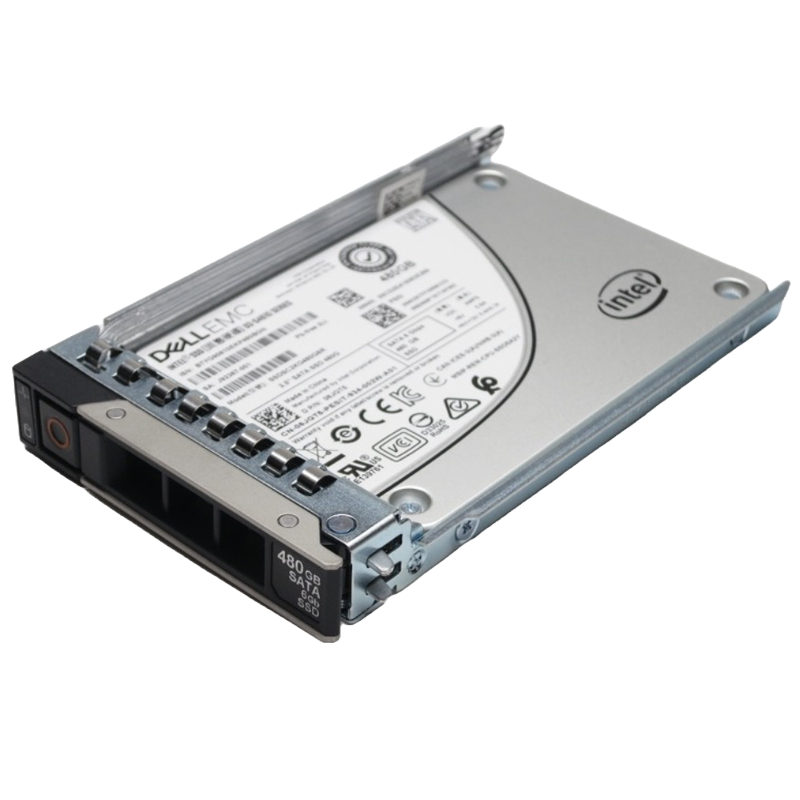


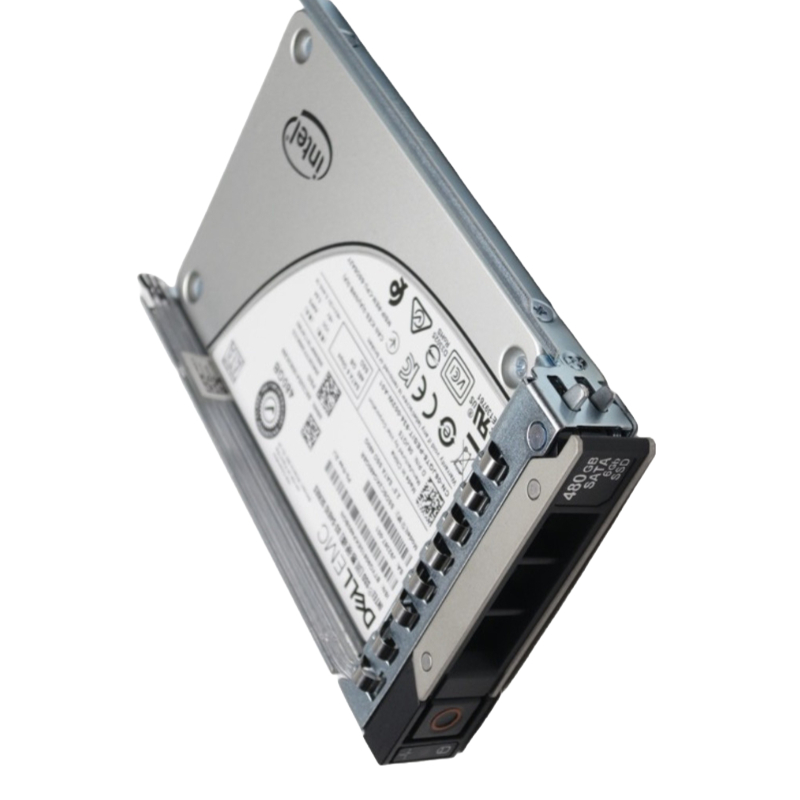
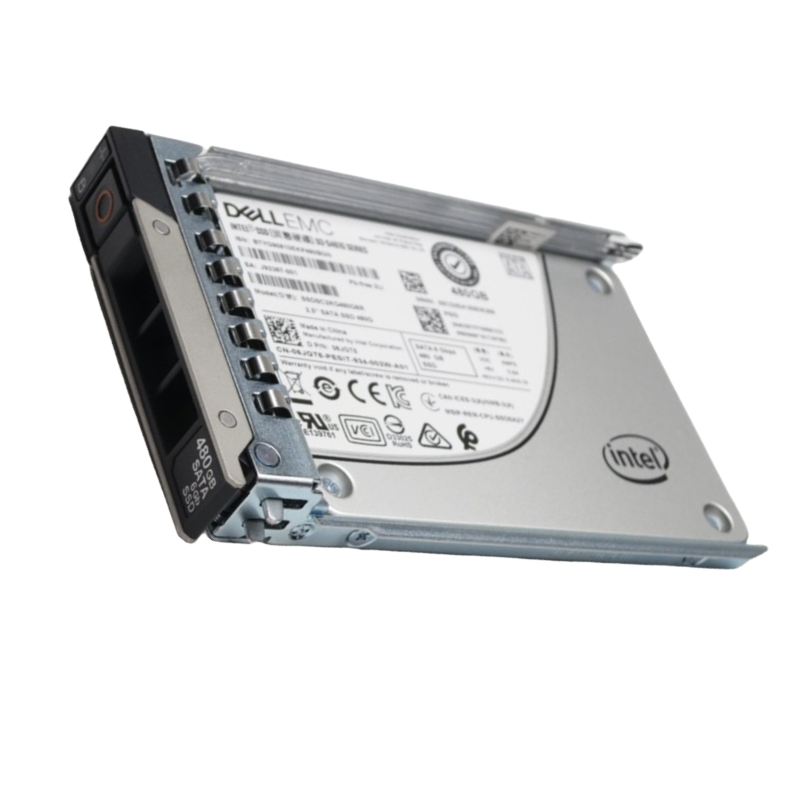
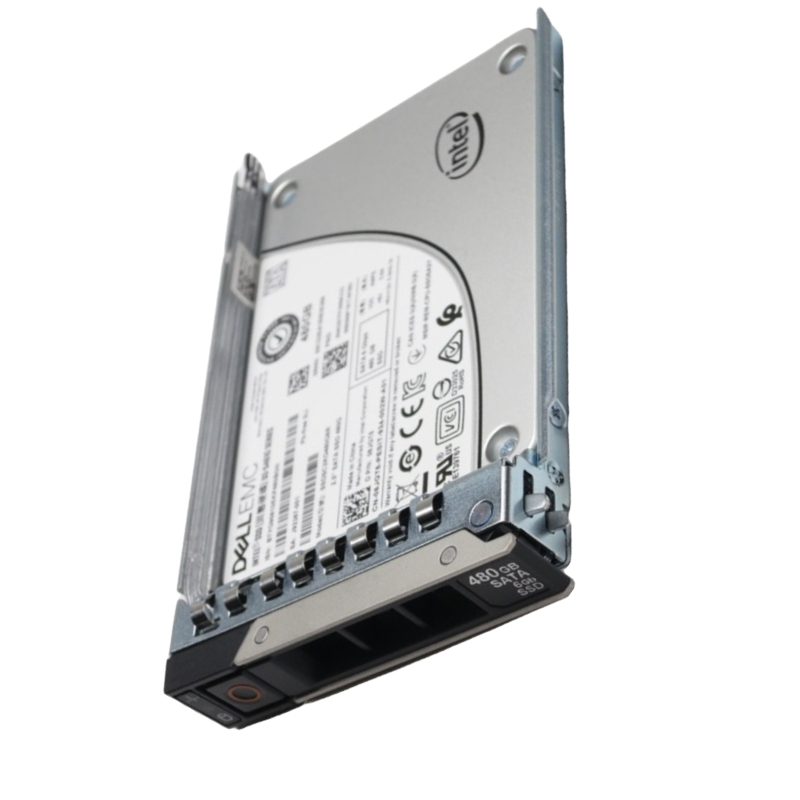
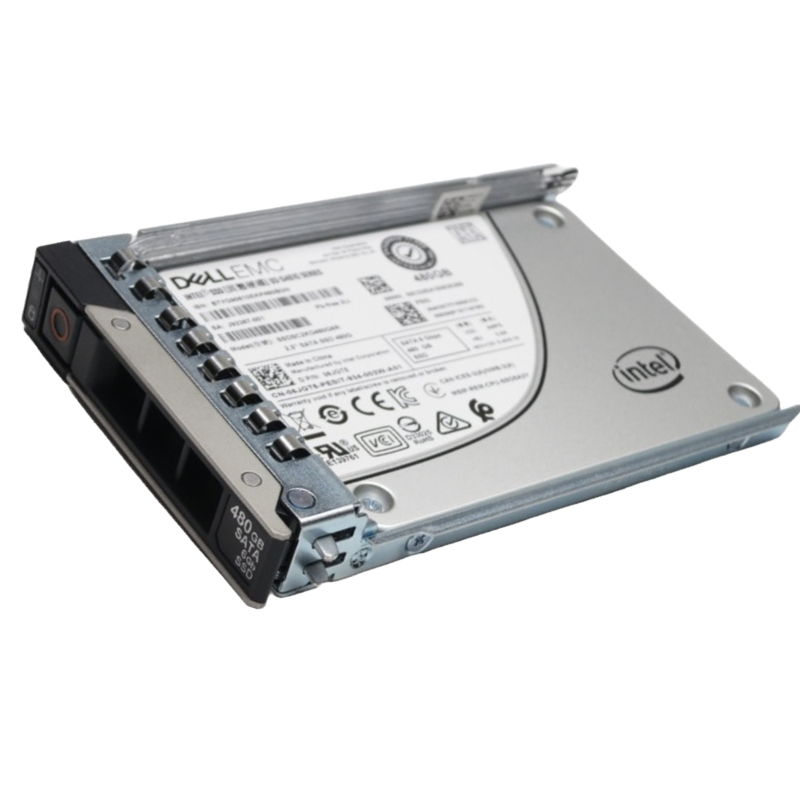
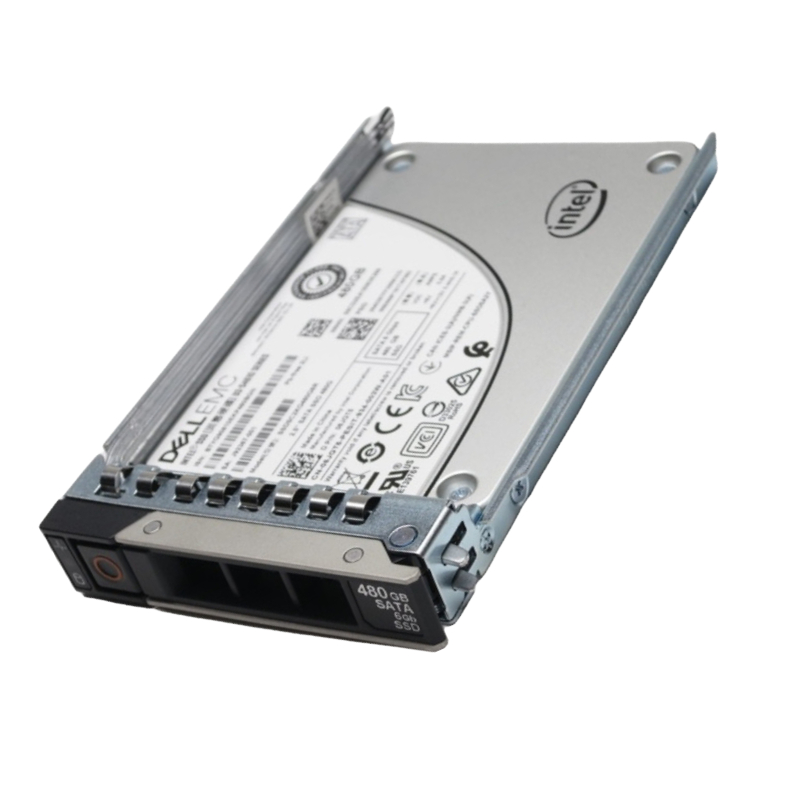
Dell 400-AZTT 480GB Mix Use TLC SATA 6GBPS 2.5inch Hot Plug SSD. New Sealed in Box (NIB) with 1 Year Warranty
High-performance, enterprise-grade solid state storage engineered for Dell PowerEdge servers. The Dell 400-AZTT 480GB Mixed-Use TLC SATA 6Gb/s 2.5-inch hot-plug SSD delivers dependable I/O, balanced endurance and energy-efficient operation for virtualization, database caching, and general-purpose server workloads.
Tested and validated for a wide range of Dell PowerEdge server models. Ideal for in-rack deployments, blade and dense compute nodes where hot-swap capability and predictable performance matter.
Enterprise SSDs represent a significant advancement over consumer-grade solid state drives, specifically engineered to meet the rigorous demands of data center environments, server applications, and high-transaction workloads. Unlike consumer SSDs that prioritize burst performance for gaming or personal computing, enterprise SSDs like the Dell 400-AZTT are built for sustained performance, exceptional endurance, and maximum reliability under constant operation.
Enterprise SSDs feature robust NAND flash memory with advanced wear-leveling algorithms, ensuring even distribution of write operations across all memory cells. This significantly extends the drive's operational lifespan compared to consumer alternatives.
While consumer SSDs may experience performance degradation during sustained writes, enterprise SSDs maintain consistent input/output operations per second (IOPS) and latency profiles even under heavy, continuous workloads.
Enterprise drives incorporate sophisticated error correction code (ECC) technologies, power-loss protection circuits, and end-to-end data path protection to prevent data corruption and ensure data integrity.
The Dell 400-AZTT 480GB represents a carefully engineered storage solution designed specifically for mixed-use enterprise applications requiring balanced read and write performance with exceptional endurance characteristics.
The drive utilizes the industry-standard 2.5-inch form factor with a 7mm z-height profile, ensuring compatibility with most enterprise servers and storage arrays. The hot-plug capability allows for drive replacement or addition without system shutdown, crucial for maintaining continuous operations in 24/7 environments.
Utilizing the SATA Revision 3.0 interface (6Gbps), the 400-AZTT delivers maximum theoretical transfer speeds of up to 600MB/s, while maintaining backward compatibility with previous SATA generations (3Gbps and 1.5Gbps).
The Dell 400-AZTT delivers consistent read performance up to 500MB/s and write performance up to 435MB/s, with random read IOPS reaching 72,000 and random write IOPS up to 23,000. This performance profile ensures responsive application performance even during peak demand periods.
At the heart of the 400-AZTT lies a sophisticated SSD controller featuring multiple processing cores, dedicated DRAM cache, and advanced NAND management algorithms that optimize performance while extending flash memory lifespan.
Mixed-use SSDs represent a specialized category designed to handle balanced combinations of read and write operations, typically found in general-purpose server applications, database systems, and virtualization environments.
Mixed-use drives are optimized for workloads where read and write operations occur in relatively balanced proportions, typically ranging from 30% writes/70% reads to 50% writes/50% reads. This distinguishes them from read-intensive (typically 5-15% writes) and write-intensive (typically 65%+ writes) drive categories.
Mixed-use environments often feature unpredictable I/O patterns with alternating periods of heavy read activity and substantial write operations, requiring the storage medium to adapt quickly to changing demands without performance degradation.
Database management systems typically generate mixed workloads with frequent reads for queries and regular writes for transaction commits, making the Dell 400-AZTT an ideal storage solution for SQL servers, Oracle databases, and other transactional systems.
Virtualized environments with multiple virtual machines generate diverse I/O patterns simultaneously, requiring storage that can handle both boot operations (read-heavy) and application data writes (write-heavy) efficiently.
Email servers, collaboration software, and content management systems typically generate balanced read/write patterns as users access, modify, and store information continuously throughout the workday.
Drive endurance represents one of the most critical differentiators between enterprise and consumer SSDs, quantifying the total amount of data that can be written to the drive over its operational lifetime.
The Dell 400-AZTT features a 3 DWPD (Drive Writes Per Day) endurance rating, meaning the drive can withstand having its entire capacity rewritten three times every day throughout its warranty period. For a 480GB drive, this translates to 1.44TB of writes per day (480GB × 3).
With a 3 DWPD rating over a 5-year warranty period, the 400-AZTT can endure approximately 2.628 petabytes (PB) of total writes: 480GB × 3 writes/day × 365 days × 5 years = 2,628,000GB or 2.628PB.
The high endurance rating ensures that the drive maintains consistent write performance even under heavy, continuous write workloads, without triggering performance-throttling mechanisms that protect the NAND flash from premature wear.
While higher-endurance drives typically command a premium price, their extended operational lifespan and reduced replacement frequency often result in lower total cost of ownership for write-intensive applications.
Despite the emergence of NVMe interfaces offering higher theoretical bandwidth, SATA-based SSDs continue to play a vital role in enterprise storage architectures due to their maturity, compatibility, and cost-effectiveness.
The SATA interface enjoys nearly universal support across server platforms, storage arrays, and operating systems, eliminating compatibility concerns and simplifying integration into existing infrastructure.
With decades of refinement and deployment in enterprise environments, SATA technology offers exceptional stability, comprehensive management capabilities, and predictable performance characteristics.
While NVMe offers higher theoretical bandwidth, many enterprise applications don't saturate SATA III bandwidth in practice. The 6Gbps interface provides sufficient performance for numerous mixed-use scenarios while offering better cost efficiency.
Though SATA introduces higher protocol latency compared to NVMe, advanced SATA SSDs like the 400-AZTT deliver significantly lower latency than traditional hard drives, providing substantial performance improvements for most workloads.
The hot-plug functionality of the Dell 400-AZTT represents a critical feature for maintaining continuous operations in enterprise environments where system downtime translates directly to business impact.
Successful hot-plug operation requires compatible hardware (backplanes, controllers) and proper software configuration (operating system support, driver implementation). Most modern enterprise servers and storage systems fully support SATA hot-plug functionality.
While hot-plug capable, proper procedures must be followed to ensure data integrity and hardware safety, including proper notification to the operating system, waiting for activity indicators to signal readiness for removal, and following manufacturer-specific guidelines.
Hot-plug capability enables drive replacement, addition, or upgrades without system shutdown, allowing for continuous operation during maintenance windows and storage capacity expansions.
In RAID configurations, failed drives can be replaced immediately without system interruption, minimizing exposure to secondary failures and accelerating rebuild processes.
The Dell 400-AZTT incorporates numerous enterprise-specific features that enhance reliability, monitor drive health, and integrate with data center management ecosystems.
Comprehensive S.M.A.R.T. (Self-Monitoring, Analysis and Reporting Technology) attributes provide detailed insight into drive health, wear indicators, and potential failure prediction, enabling proactive maintenance and replacement.
Integrated temperature sensors and dynamic thermal throttling mechanisms protect the drive from performance degradation or damage due to excessive operating temperatures common in dense server configurations.
The drive implements comprehensive data protection across the entire data path from host interface to NAND flash, detecting and correcting errors that may occur during data transmission or storage.
Advanced power-loss protection ensures that in-flight data is preserved and the drive maintains structural integrity during unexpected power interruptions, preventing data corruption and filesystem damage.
Proper integration of the Dell 400-AZTT into existing infrastructure requires consideration of compatibility factors, performance optimization, and configuration best practices.
The 400-AZTT is extensively validated with Dell PowerEdge server families, ensuring optimal performance, comprehensive management integration, and reliable operation within Dell ecosystem.
While optimized for Dell infrastructure, the drive maintains standard SATA interface compatibility with most enterprise servers and storage systems from other manufacturers, though specific management features may vary.
Most modern operating systems including Windows Server, Linux distributions, and VMware ESXi include native drivers that fully support the advanced features of enterprise SATA SSDs without requiring additional software.
Dell provides comprehensive firmware updates and management utilities through their support portal, ensuring ongoing compatibility, performance optimization, and security vulnerability mitigation.
Maximizing the performance and lifespan of the Dell 400-AZTT requires implementation of proper configuration practices and understanding of enterprise SSD operational characteristics.
Proper partition alignment ensures that filesystem structures align with SSD erase block boundaries, reducing write amplification and improving both performance and endurance.
Enterprise SSDs typically include substantial built-in over-provisioning, but additional capacity reservation at the filesystem level can further enhance performance consistency and extend drive lifespan.
Database workloads benefit from specific configurations including appropriate filesystem selection, log file placement considerations, and cache size adjustments to maximize transaction throughput.
Virtualized environments may require specific queue depth adjustments, hypervisor storage policy configurations, and virtual machine filesystem optimizations to ensure optimal performance across multiple concurrent workloads.


 Contact Us
 Information
 Catalog
 Solid State Drives (SSD)
 Network Switches
 Hard Disk Drives
 HBA & Controllers
 PC & Servers
 PC & Server Memory
 CPU & Processors
 Network Routers
 Power Supplies
 Tape Drives & Libraries
 Network Devices
 Computer & Network Cables