(7% discount is applied at checkout)
Cart is empty
Your go-to destination for cutting-edge server products
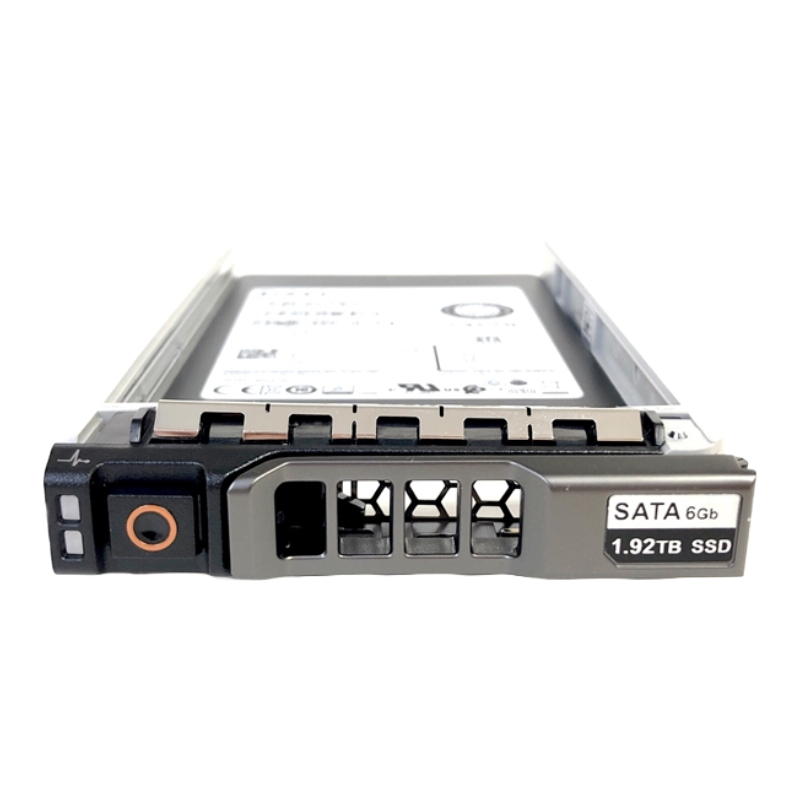


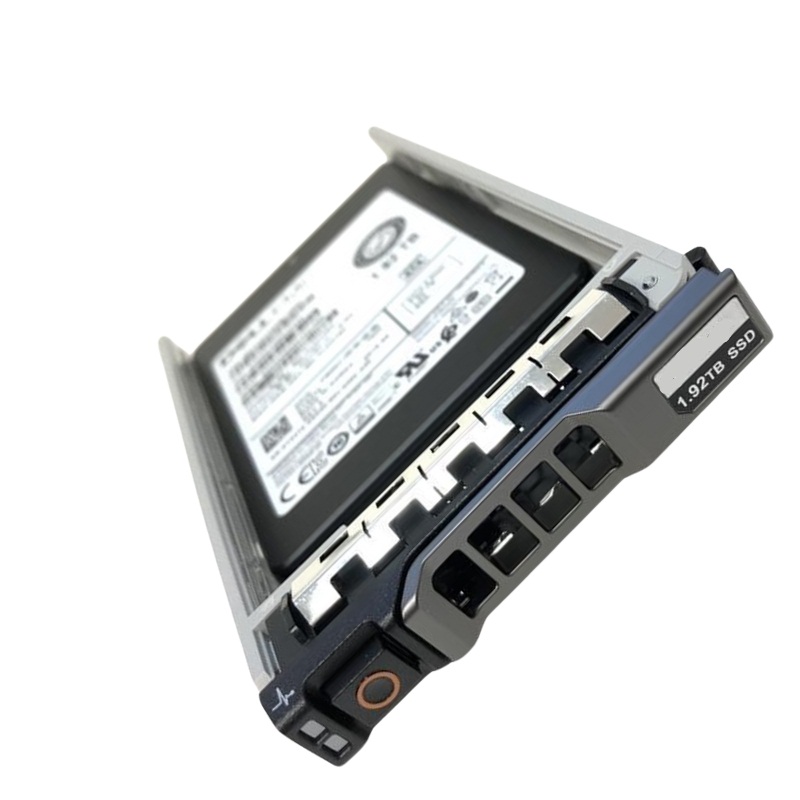
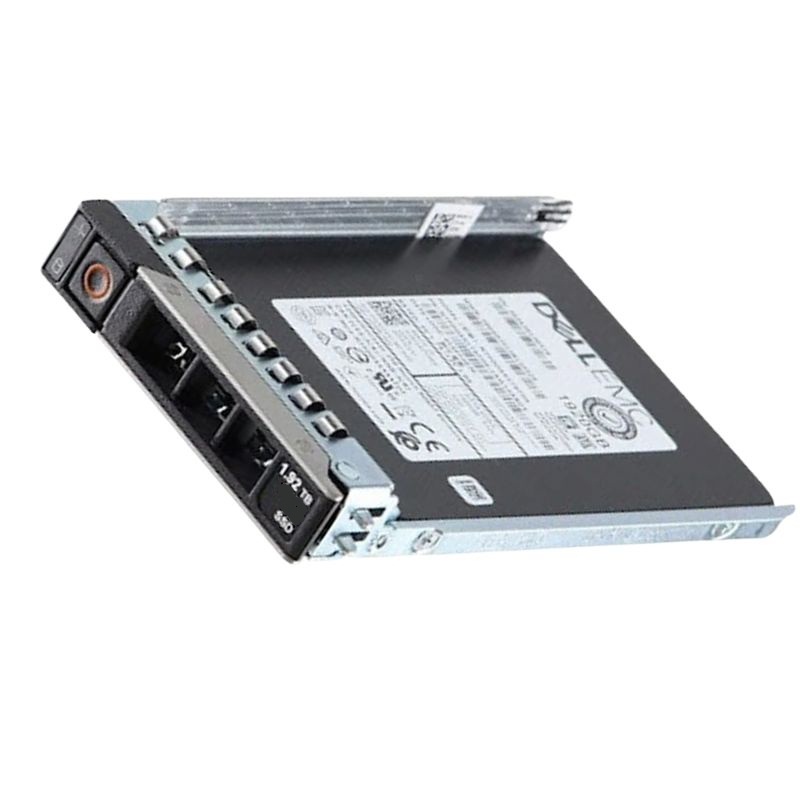
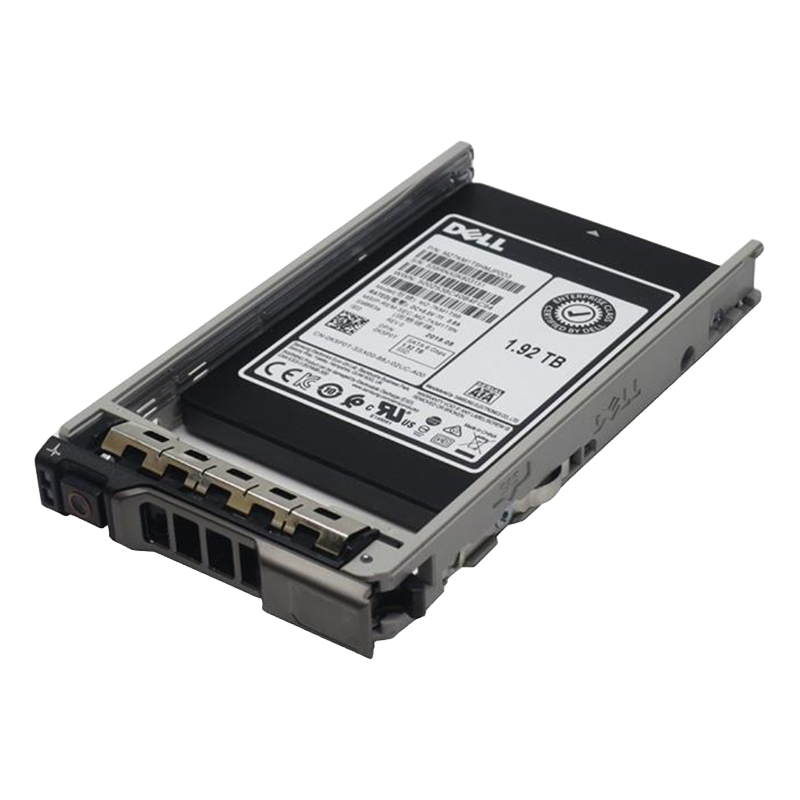
Dell 400-AZUC 1.92TB Mixed Use Tlc SATA 6GBPS Hot Plug For Server Solid State Drive. New Sealed in Box (NIB) with 1-Year Warranty
High-performance enterprise flash storage: the Dell 400-AZUC 1.92TB is a mixed-use TLC solid-state drive (SSD) built for 2.5" hot-swap bays in 14th-generation PowerEdge servers. Designed for demanding workloads, it delivers low latency, strong endurance and proven reliability for virtualization, database and tiered storage applications.
Technical Specifications
The drive is certified and commonly used with the following Dell PowerEdge models and storage arrays:
The Dell 400-AZUC 1.92TB Mixed Use TLC SATA Solid State Drive represents a significant advancement in enterprise-grade storage technology, specifically engineered to meet the rigorous demands of modern server environments. This high-capacity SSD combines the reliability of Triple-Level Cell (TLC) NAND flash with a Mixed Use endurance rating, making it an ideal solution for diverse server workloads that require both read-intensive and write-intensive operations.
Built with Dell's stringent quality standards, the 400-AZUC model features a sophisticated controller architecture that optimizes data flow and ensures consistent performance under heavy workloads. The drive's advanced wear-leveling algorithms and error correction capabilities provide exceptional data integrity, while the power-loss protection circuitry safeguards against data corruption during unexpected power interruptions.
The 1.92TB capacity point represents an optimal balance between storage density and performance characteristics. This specific capacity is strategically designed to accommodate enterprise applications requiring substantial storage while maintaining consistent input/output operations per second (IOPS). The 2.5-inch form factor with hot-plug capability ensures seamless integration into existing server infrastructure without requiring system downtime for installation or maintenance.
Utilizing the SATA 6Gbps interface, this SSD delivers maximum theoretical transfer speeds of up to 600MB/s, fully leveraging the SATA revision 3.0 specification. While not matching the raw speed of NVMe solutions, the SATA interface provides excellent compatibility with existing server architectures and offers sufficient performance for many enterprise applications at a competitive price point.
The Triple-Level Cell (TLC) NAND flash technology stores three bits of data per memory cell, providing an optimal balance between cost, capacity, and endurance. Dell's implementation of TLC in the 400-AZUC includes advanced management features that extend the drive's lifespan and maintain performance consistency throughout its operational life.
The "Mixed Use" designation indicates that this SSD is engineered to handle both read-intensive and write-intensive workloads effectively. Unlike read-intensive drives that prioritize read operations or write-intensive drives optimized for heavy writing tasks, Mixed Use SSDs provide balanced performance characteristics suitable for applications with varying I/O patterns.
With a Total Bytes Written (TBW) rating specifically calibrated for Mixed Use scenarios, the Dell 400-AZUC 1.92TB model offers substantial endurance for enterprise environments. The drive's wear-leveling technology distributes write operations evenly across all available memory cells, preventing premature wear on specific sectors and extending the overall lifespan of the storage device.
This Mixed Use SSD excels in server environments where workload patterns fluctuate throughout operational cycles. Typical applications include database servers experiencing both transactional writes and query reads, virtualization hosts running multiple virtual machines with diverse storage requirements, and content delivery networks balancing content storage with frequent access requests.
The hot-plug functionality allows system administrators to install, replace, or remove drives without powering down the entire server system. This feature is crucial for maintaining high availability in enterprise environments where uptime is critical. The hot-plug capability works in conjunction with RAID configurations to enable drive replacement while maintaining data accessibility.
Proper implementation of hot-plug functionality requires compatible server backplanes and appropriate storage controllers. System administrators should follow Dell's specific guidelines for safe hot-swap procedures, including proper notification to the operating system, verification of drive status indicators, and confirmation of successful recognition by the storage subsystem after insertion.
The Dell 400-AZUC incorporates sophisticated Error Correction Code (ECC) algorithms that detect and correct multi-bit errors, ensuring data accuracy and preventing corruption. The drive's end-to-end data protection mechanisms verify data integrity throughout the entire data path from the host interface to the NAND flash memory cells.
Enterprise-grade power-loss protection ensures that in-flight data is safely written to non-volatile storage during unexpected power failures. This feature includes capacitors that provide temporary power to complete ongoing write operations and maintain data consistency, preventing the data corruption that can occur with consumer-grade SSDs during power interruptions.
With an exceptionally high MTBF rating, the Dell 400-AZUC demonstrates the reliability expected from enterprise storage components. This statistical measure of reliability, combined with Dell's comprehensive warranty coverage, provides organizations with confidence in their storage infrastructure's long-term stability and performance.
Enterprise SSDs distinguish themselves from consumer models through their ability to maintain consistent performance during sustained heavy workloads. The Dell 400-AZUC utilizes advanced garbage collection algorithms and over-provisioning to prevent performance degradation over time, ensuring predictable response times for critical applications.
This Mixed Use SSD delivers balanced performance across both random and sequential access patterns. Random read/write operations benefit from the low latency of flash storage, while sequential operations leverage the full bandwidth of the SATA 6Gbps interface. These characteristics make the drive suitable for diverse application requirements within the same server environment.
Enterprise storage solutions prioritize consistent latency profiles to ensure predictable application performance. The Dell 400-AZUC implements QoS mechanisms that minimize performance variability, providing reliable I/O response times even during peak workload periods. This consistency is essential for meeting service level agreements in business-critical environments.
As a genuine Dell component, the 400-AZUC SSD is specifically validated for compatibility with Dell PowerEdge servers and storage arrays. This validation ensures optimal performance, proper management interface functionality, and seamless firmware updates through Dell's standardized maintenance procedures.
The drive supports industry-standard management protocols including S.M.A.R.T. (Self-Monitoring, Analysis and Reporting Technology) for health monitoring and predictive failure analysis. Integration with Dell OpenManage allows centralized management of storage components across the server infrastructure, simplifying administration and maintenance tasks.
Comprehensive compatibility with major server operating systems including Windows Server, Linux distributions, and VMware ESXi ensures broad deployment flexibility. The drive's standard SATA interface eliminates the need for specialized drivers in most environments, simplifying implementation and reducing configuration complexity.
While read-intensive SSDs prioritize cost-effectiveness for workloads dominated by read operations, Mixed Use drives like the Dell 400-AZUC offer superior write endurance without the premium cost of write-intensive models. This balanced approach provides organizations with versatile storage that adapts to changing workload demands.
Write-intensive SSDs feature higher endurance ratings specifically for write-heavy applications but command a significant price premium. The Dell 400-AZUC Mixed Use SSD delivers substantial write capability at a more accessible price point, making it suitable for environments where write operations are frequent but not continuously extreme.
Compared to traditional hard disk drives, the Dell 400-AZUC SSD consumes significantly less power during both active and idle states. This power efficiency translates to reduced operational costs and decreased heat generation within server enclosures, contributing to overall data center energy optimization.
Enterprise SSDs include thermal monitoring and throttling mechanisms to prevent overheating during sustained heavy workloads. Proper server airflow design ensures that the drive operates within optimal temperature ranges, maintaining performance while extending component lifespan through reduced thermal stress.
The Dell 400-AZUC 1.92TB Mixed Use SSD offers compelling total cost of ownership advantages through reduced power consumption, decreased cooling requirements, lower physical space utilization, and minimized maintenance overhead compared to traditional storage technologies. The drive's reliability and endurance further contribute to cost savings by reducing replacement frequency and associated labor costs.
Organizations can calculate ROI based on performance improvements, energy savings, reduced administrative overhead, and extended service life. The balanced characteristics of Mixed Use SSDs provide financial advantages for environments with diverse workload requirements where specialized read-intensive or write-intensive drives would represent either performance compromises or unnecessary expense.
While NVMe technology continues to advance, the SATA interface remains relevant in enterprise environments due to its widespread compatibility, cost-effectiveness, and sufficient performance for many applications. The Dell 400-AZUC leverages this established interface while incorporating modern NAND management techniques to deliver contemporary performance within a compatible form factor.
Dell's commitment to firmware updates ensures that the 400-AZUC SSD can receive performance optimizations, security enhancements, and compatibility improvements throughout its service life. This firmware support extends the drive's functional relevance and addresses potential issues discovered after product release.
When deploying multiple Dell 400-AZUC SSDs in RAID configurations, specific considerations apply to maximize performance and reliability. RAID levels should be selected based on the specific workload requirements, with RAID 10 often providing an optimal balance of performance and redundancy for Mixed Use scenarios.
Effective capacity planning accounts for both physical storage capacity and performance characteristics. The 1.92TB capacity point allows efficient storage pool design with appropriate over-provisioning to maintain performance consistency while meeting application storage requirements.
Proactive monitoring of SSD health indicators including wear level, available spare blocks, and uncorrectable error rates enables predictive maintenance and timely replacement before failure occurs. Dell's management tools provide comprehensive visibility into these metrics, facilitating informed decision-making regarding storage infrastructure maintenance.


 Contact Us
 Information
 Catalog
 Solid State Drives (SSD)
 Network Switches
 Hard Disk Drives
 HBA & Controllers
 PC & Servers
 PC & Server Memory
 CPU & Processors
 Network Routers
 Power Supplies
 Tape Drives & Libraries
 Network Devices
 Computer & Network Cables