(7% discount is applied at checkout)
Cart is empty
Your go-to destination for cutting-edge server products
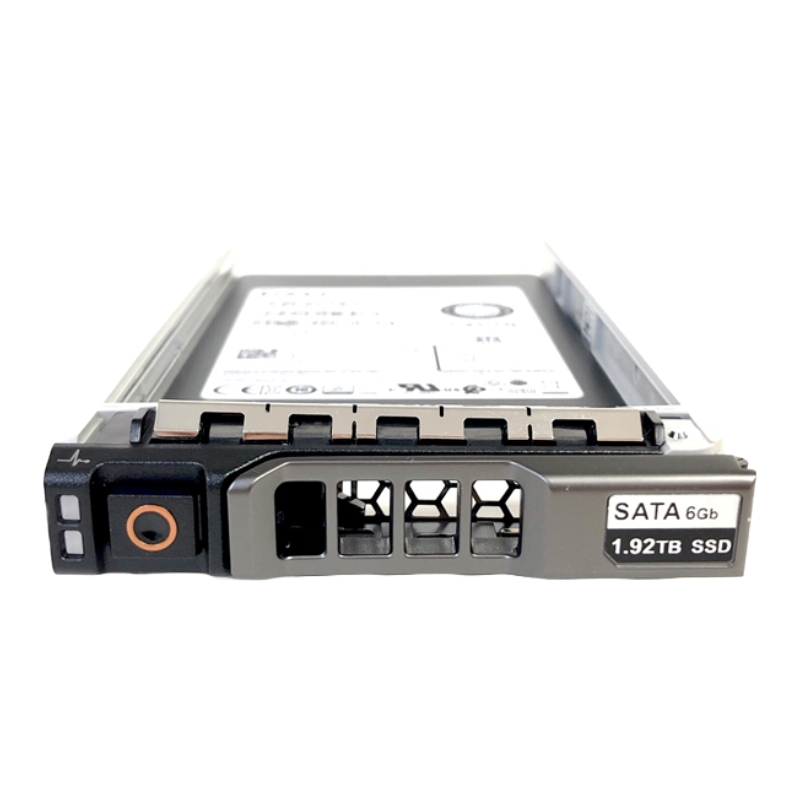


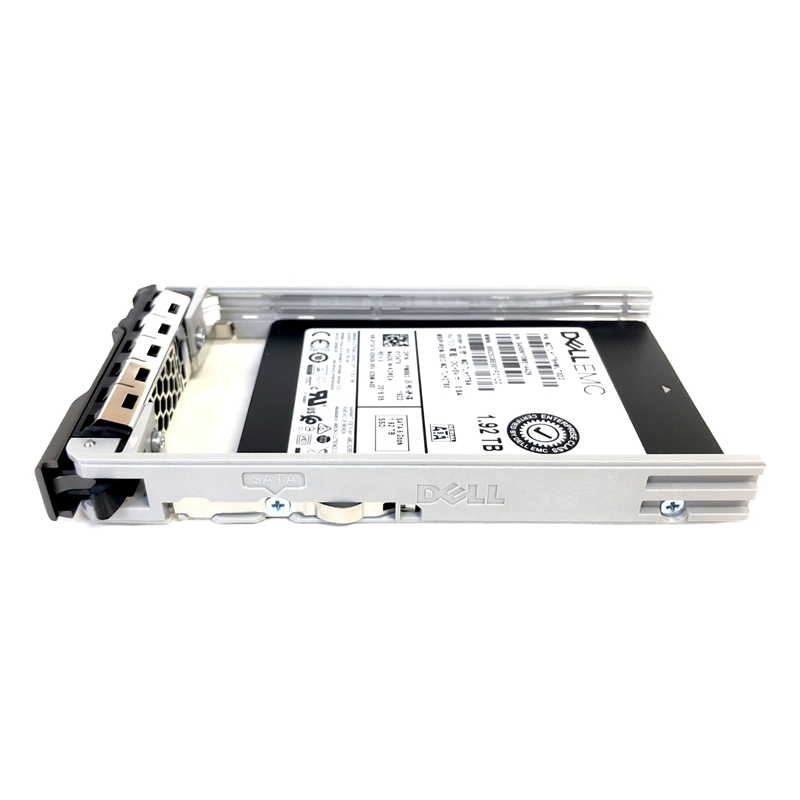
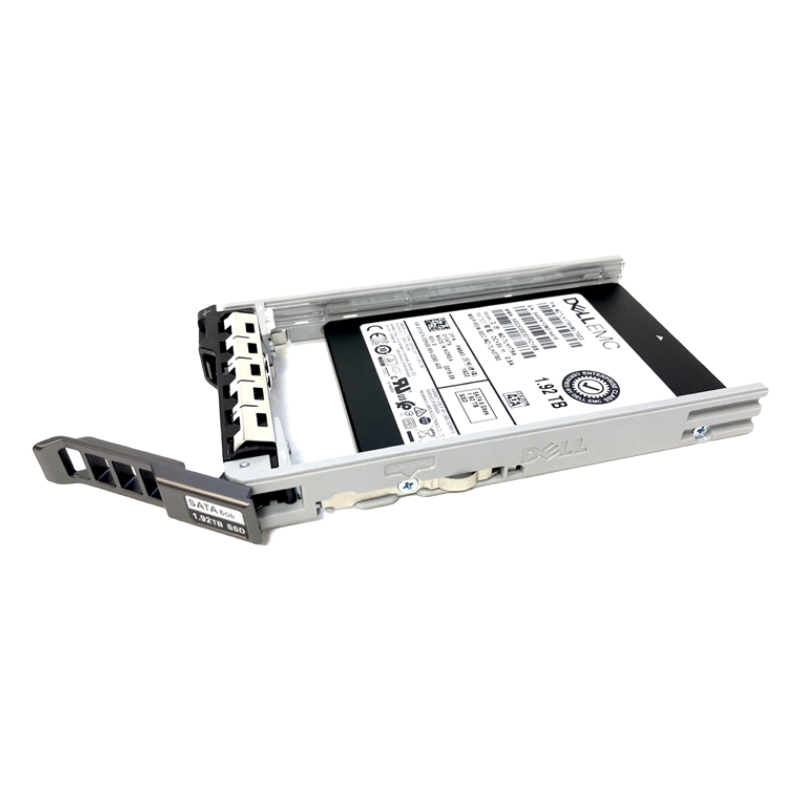
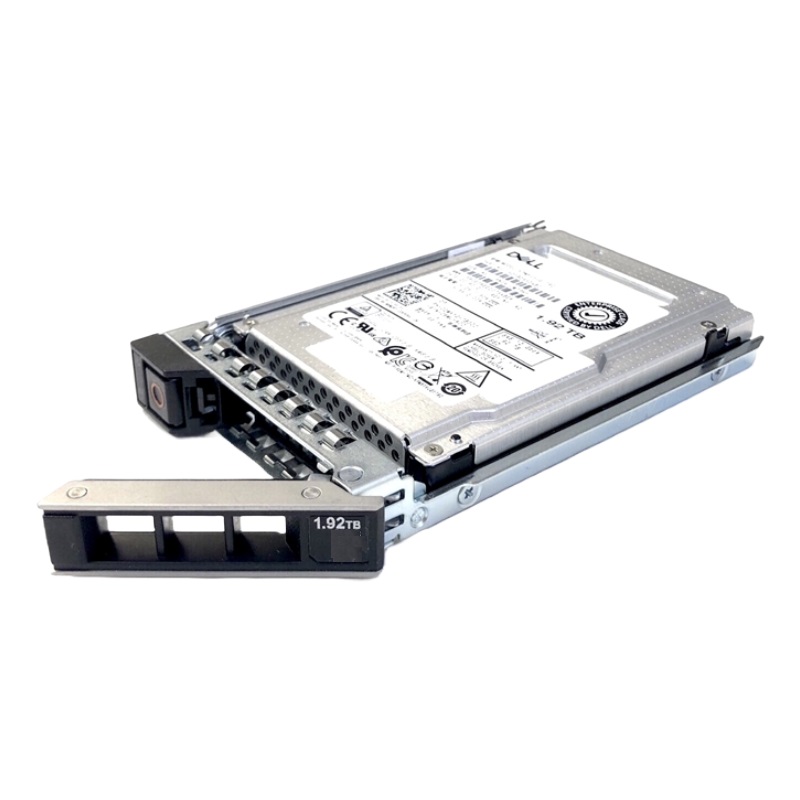
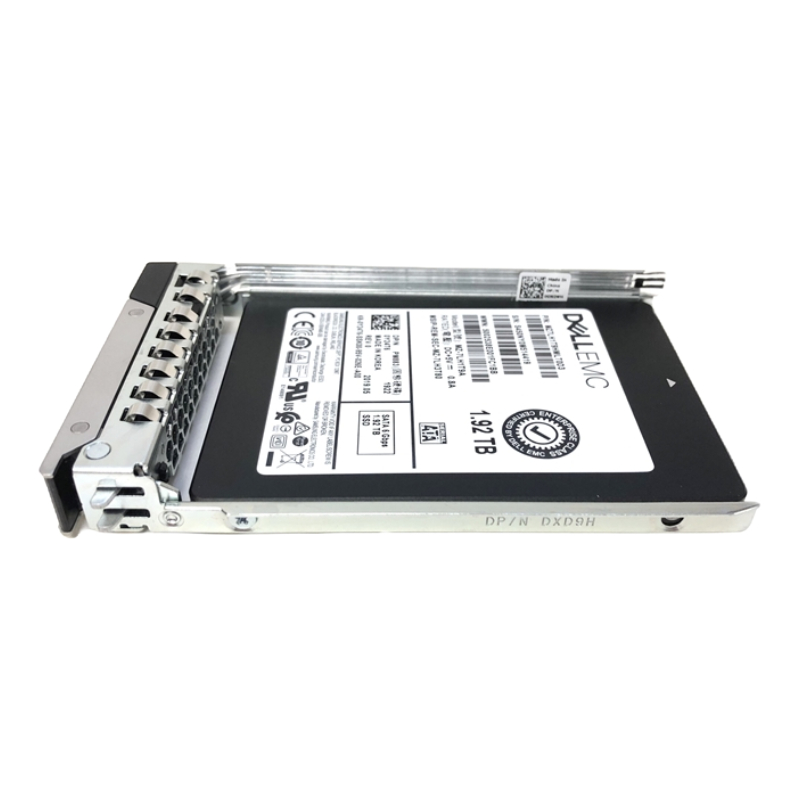
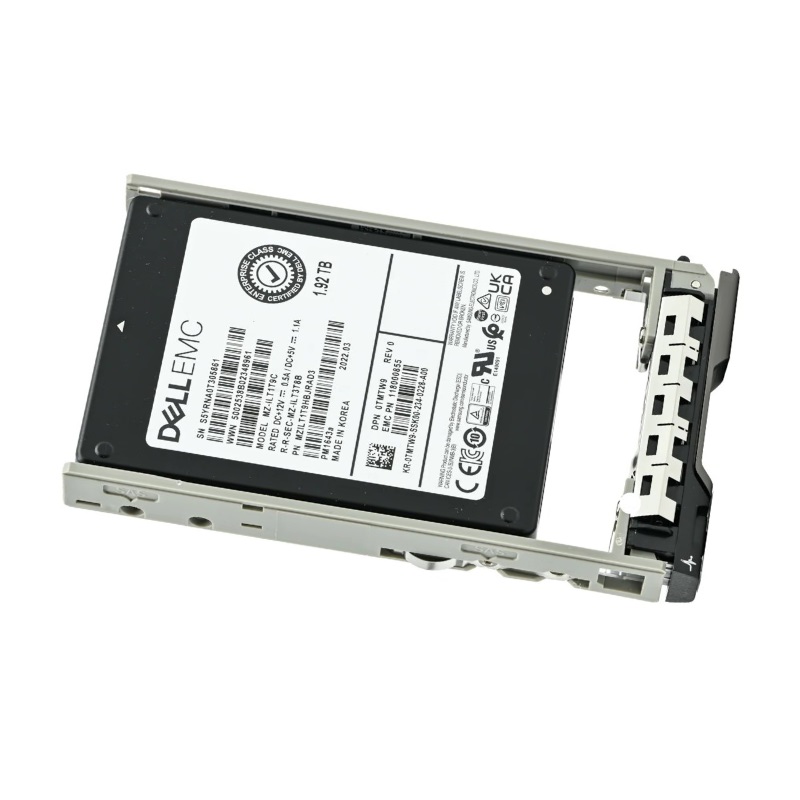
Dell 400-AZUU 1.92TB SATA 6GBPS Hot Swap SSD. New Sealed in Box (NIB) with 1 Year Warranty
High-performance Dell 400-AZUU solid-state drive (SSD) — 1.92 terabyte capacity, mixed-use TLC NAND, SATA 6Gb/s interface and 2.5" 7mm hot-swap form factor. Built for 14G PowerEdge servers and rack-mounted storage arrays, this drive balances endurance and cost for demanding datacenter workloads.
Designed and validated for a wide range of Dell PowerEdge servers and PowerVault appliances:
The Dell 400-AZUU represents the pinnacle of enterprise storage technology, specifically engineered for Dell PowerEdge 14th generation servers. This 1.92TB Mixed Use TLC SATA SSD combines exceptional performance, reliability, and endurance to meet the demanding requirements of modern data centers, cloud infrastructure, and enterprise applications.
Recognized by part numbers 400-AZUU, 0T1D4D, and 0T1D4C, this drive maintains full compatibility with Dell's 14G server platform while offering backward compatibility with select 13th generation systems. The drive's firmware and management capabilities are optimized specifically for Dell's proprietary infrastructure, ensuring seamless integration and optimal performance.
The 2.5-inch hot-plug form factor conforms to enterprise standard specifications, measuring 100.2mm x 69.85mm x 7mm. The SATA 6Gbps interface provides maximum theoretical transfer speeds of 600MB/s, while maintaining compatibility with existing SATA infrastructure. The hot-plug capability enables drive replacement and maintenance without system shutdown, crucial for 24/7 operational environments.
While newer NVMe interfaces offer higher speeds, SATA remains relevant for many enterprise applications due to its maturity, reliability, and cost-effectiveness. The SATA 6Gbps interface ensures broad compatibility and stable performance across diverse server configurations.
The utilization of 3D TLC NAND flash represents a balance between cost, density, and endurance. Unlike consumer-grade TLC, this enterprise-grade implementation incorporates advanced error correction, wear leveling, and over-provisioning to deliver reliability comparable to more expensive MLC alternatives.
The 3D NAND structure stacks memory cells vertically, increasing density without compromising reliability. This architecture enables the 1.92TB capacity while maintaining the 2.5-inch form factor, providing substantial storage in a compact package.
With sequential read speeds up to 560MB/s and write speeds up to 510MB/s, the 400-AZUU delivers consistent performance under varying workloads. Random performance reaches up to 97,000 IOPS for reads and 36,000 IOPS for writes, making it suitable for mixed application environments.
Average latency remains below 150 microseconds for reads and below 20 microseconds for writes, ensuring responsive application performance. The drive maintains consistent Quality of Service (QoS) with 99.9% of I/O operations completing within predictable latency thresholds.
Rated at 1.3 DWPD, the 400-AZUU can withstand having its entire 1.92TB capacity written 1.3 times per day throughout its 5-year warranty period. This translates to approximately 2.5TB of data written daily, significantly higher than read-intensive drives rated at 0.5-1 DWPD.
With a TBW rating of 4.2 petabytes, this SSD can endure extensive write operations over its lifespan. This endurance level makes it suitable for applications with moderate write requirements, including database operations, virtualization, and collaborative environments.
The controller implements sophisticated write caching algorithms that optimize performance for mixed workloads. A portion of the TLC NAND operates in pseudo-SLC mode during write-intensive operations, temporarily boosting write performance before background processes move data to TLC storage.
Advanced background garbage collection maintains optimal performance by proactively erasing unused memory blocks. TRIM command support ensures the operating system can inform the SSD about unused data blocks, improving both performance and endurance over time.
Integrated power loss protection circuits include capacitors that provide sufficient temporary power to complete in-progress writes and flush cache contents to non-volatile storage during unexpected power interruptions. This prevents data corruption and maintains data integrity.
The implementation of end-to-end data protection ensures data integrity from the host interface through the DRAM cache to the NAND flash. Each data transfer includes CRC verification, while the NAND flash incorporates advanced ECC capabilities to correct multiple bit errors per page.
Low-Density Parity Check (LDPC) error correction provides robust protection against data corruption, capable of correcting multiple bit errors within each memory page. This technology becomes increasingly important as NAND flash cells shrink and become more susceptible to read disturbs and retention errors.
Comprehensive SMART (Self-Monitoring, Analysis, and Reporting Technology) attributes monitor drive health, including wear level, bad block count, temperature history, and error rates. Dell's proprietary management tools leverage this data for predictive failure analysis and proactive maintenance scheduling.
Specifically validated for Dell PowerEdge 14G servers including R740, R740xd, T640, and similar models. The drive firmware includes optimizations for Dell's PERC controllers and system management architecture, ensuring optimal performance and compatibility.
While optimized for 14G systems, the 400-AZUU maintains compatibility with select 13th generation PowerEdge servers. However, performance may vary on older platforms, and certain advanced management features may require 14G hardware.
Ideal for hosting hypervisor boot images and virtual machine storage in VMware vSphere, Microsoft Hyper-V, and Citrix Hypervisor environments. The mixed-use endurance profile accommodates the varied I/O patterns typical of consolidated virtual workloads.
Well-suited for containerized applications and microservices architectures where consistent low-latency storage is required for both application binaries and persistent data volumes.
Provides excellent performance for relational database systems like Microsoft SQL Server, Oracle Database, and MySQL. The balanced read/write characteristics accommodate both OLTP and reporting workloads.
Capable of handling the mixed I/O patterns of NoSQL databases and big data platforms, including MongoDB, Cassandra, and Hadoop distributed file systems.
Serves as high-performance storage for NAS implementations, providing fast access to shared files and collaborative workspaces while handling the mixed read/write patterns of multi-user environments.
Accelerates content management systems and web applications where storage performance directly impacts user experience and application responsiveness.
Compared to read-intensive SSDs (typically rated at 0.5-1 DWPD), the 400-AZUU offers approximately 30-60% higher write endurance, making it suitable for more write-intensive applications without sacrificing read performance.
While carrying a moderate price premium over read-intensive models, the mixed-use classification provides better value for applications with balanced I/O profiles by eliminating the need for over-provisioning or premature replacement due to write endurance limitations.
Unlike consumer or entry-level enterprise SSDs that may throttle under sustained writes, the 400-AZUU maintains consistent performance through advanced thermal management and workload-adaptive performance optimization.
The inclusion of comprehensive Dell warranty, firmware support, and compatibility validation provides significant advantages over third-party or generic enterprise SSDs, particularly in mission-critical environments.
For optimal performance and data protection, configure in RAID 10 for high-performance applications or RAID 5/6 for capacity-optimized deployments. Dell PERC controllers include specific optimizations for SSD RAID arrays that maximize performance and reliability.
Proper stripe size configuration and partition alignment ensure optimal performance. Align partitions to 1MB boundaries and match stripe sizes to typical I/O patterns for the intended application workload.
Regularly update Dell PERC controller drivers and SSD firmware to ensure optimal performance, compatibility, and security. Dell's repository-based update system simplifies this maintenance process.
Configure operating system settings for enterprise SSD usage, including disabling defragmentation, enabling TRIM support (where supported in RAID configurations), and adjusting file system parameters for large-block sequential I/O.
The enterprise-grade multi-core controller manages NAND operations, error correction, wear leveling, and host interface communications simultaneously. Dedicated processing cores for specific tasks ensure consistent performance under mixed workloads.
Sophisticated firmware implements adaptive read retry, read disturb management, and background media scanning to maintain data integrity and maximize NAND lifespan. These algorithms continuously adjust to NAND characteristics as the drive ages.
Advanced thermal monitoring and throttling mechanisms maintain optimal operating temperatures without compromising performance. The drive dynamically adjusts power consumption and performance characteristics based on thermal conditions and workload demands.
With active power consumption typically under 5 watts and idle power below 1 watt, the 400-AZUU provides excellent performance-per-watt characteristics. Multiple power states enable further optimization for energy-efficient data center operations.
Compliance with TCG Enterprise security standards provides comprehensive data protection capabilities, including cryptographic erase and secure sanitization methods that render data unrecoverable during decommissioning or repurposing.
Enhanced security features integrated with Dell's overall server security architecture provide additional protection against unauthorized access and ensure compliance with enterprise security policies.


 Contact Us
 Information
 Catalog
 Solid State Drives (SSD)
 Network Switches
 Hard Disk Drives
 HBA & Controllers
 PC & Servers
 PC & Server Memory
 CPU & Processors
 Network Routers
 Power Supplies
 Tape Drives & Libraries
 Network Devices
 Computer & Network Cables