(7% discount is applied at checkout)
Cart is empty
Your go-to destination for cutting-edge server products
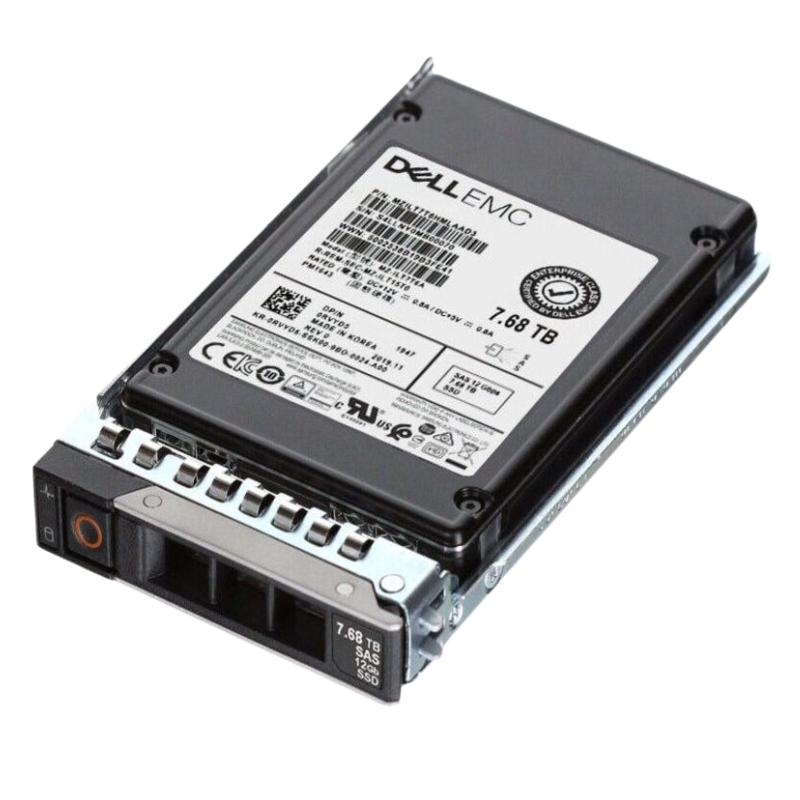


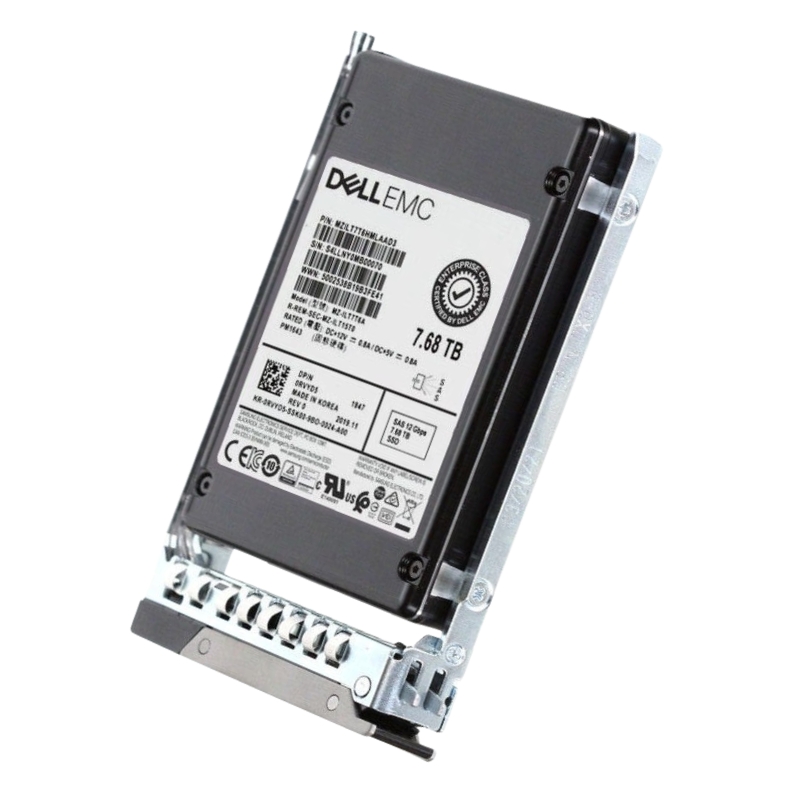
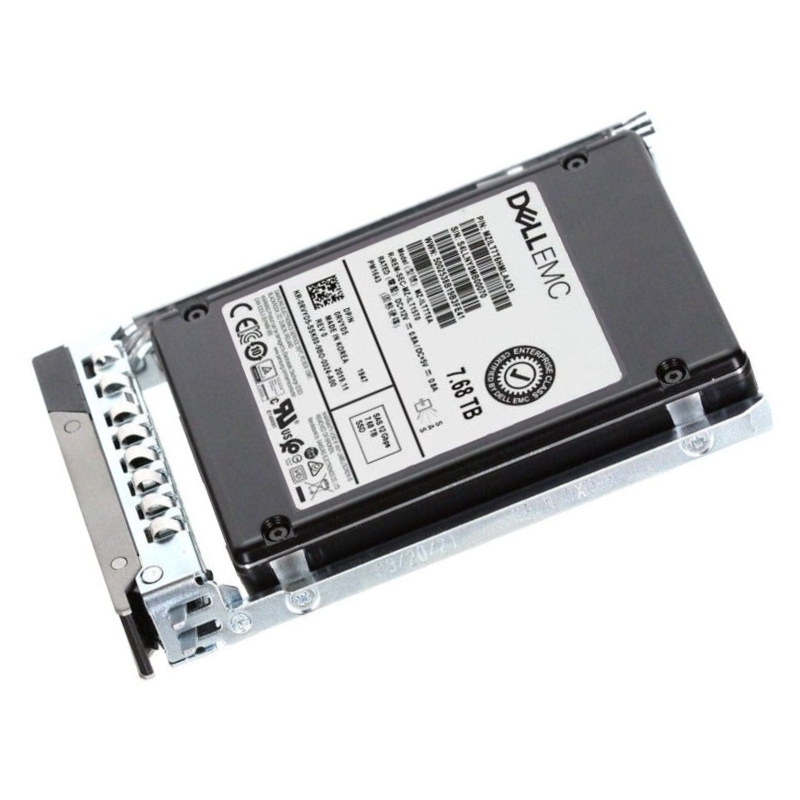
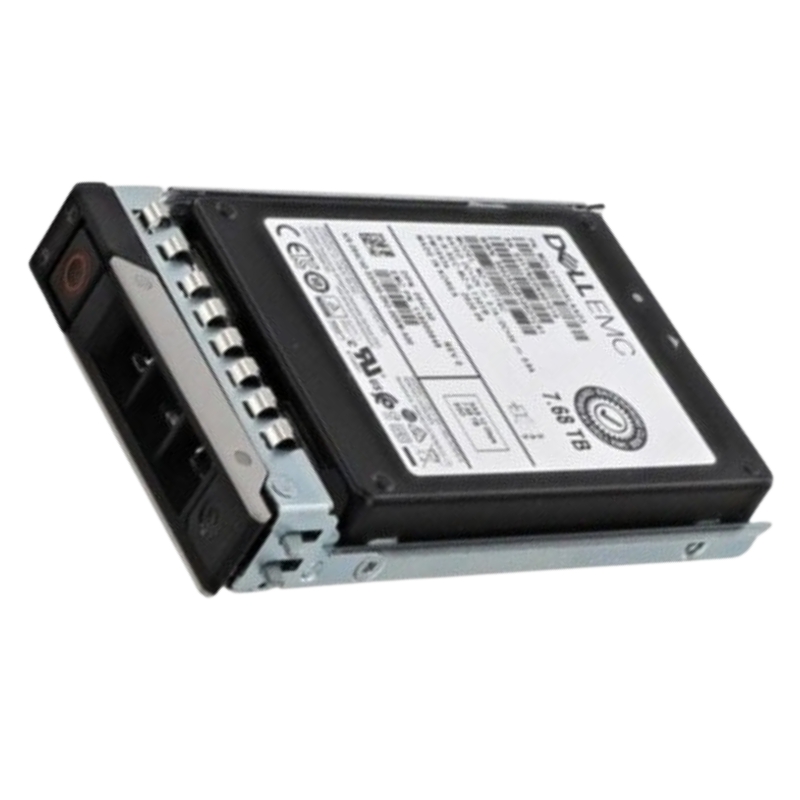
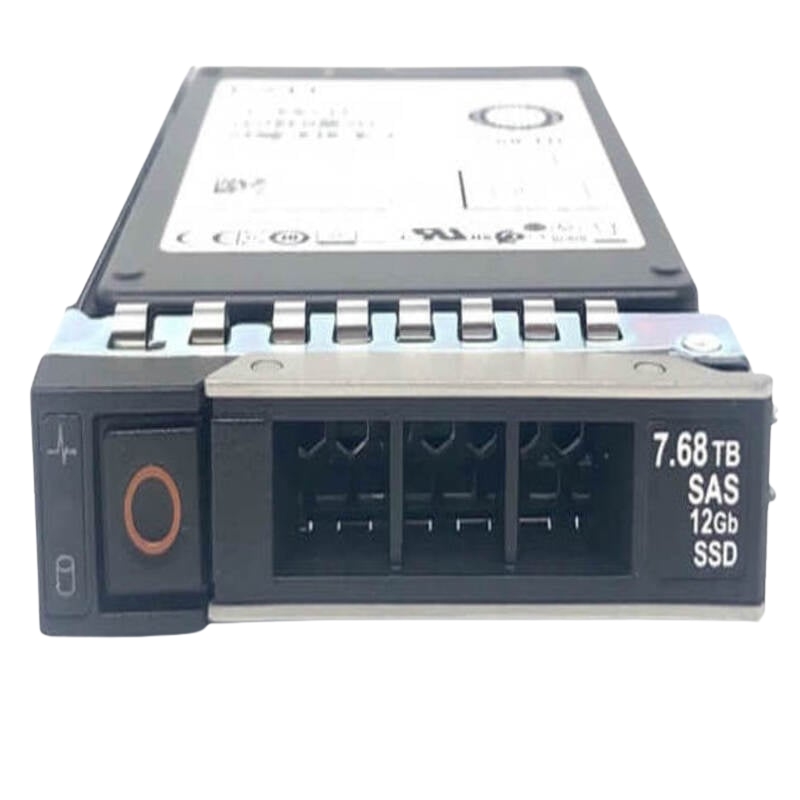
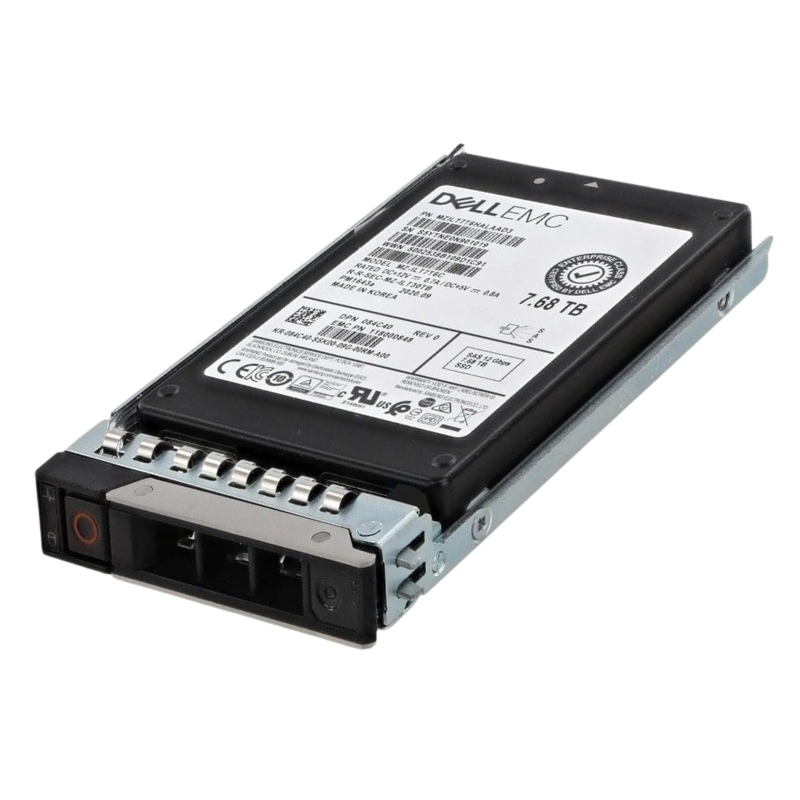
Dell 400-BBSM Hot Plug SSD 7.68TB SAS-12GBPS Read Intensive TLC. Excellent Refurbished with 1 Year Replacement Warranty
| SKU/MPN | Warranty | Price | Condition | You save |
|---|---|---|---|---|
| 400-BBSM | 1 Year Warranty | $3,705.00 | New Sealed in Box (NIB) | You save: $1,296.75 (26%) |
| 400-BBSM | 1 Year Warranty | $3,705.00 | Excellent Refurbished | You save: $1,296.75 (26%) |
High-capacity enterprise flash storage engineered for read-heavy workloads. This Dell-certified 7.68 TB SAS solid-state drive (SSD) combines V-NAND TLC media, 12 Gb/s SAS connectivity and a 2.5-inch hot-swappable form factor — delivering low latency, sustained throughput and reliable OEM validation for PowerEdge and PowerVault systems.
Optimized to deliver high sequential throughput and strong random I/O for read-dominant server applications.
Designed and validated for a wide range of Dell PowerEdge and PowerVault platforms — ideal for mixing into existing Dell server fleets.
In today's data-intensive enterprise environments, storage performance and reliability are paramount. The Dell 400-BBSM 7.68TB SAS-12Gbps Read Intensive 2.5-Inch Hot Plug SSD represents a specialized storage solution engineered specifically for read-heavy workloads where data access speed and endurance are critical to operational efficiency.
Enterprise solid-state drives are categorized based on their endurance characteristics and optimized performance profiles. Unlike consumer-grade SSDs, enterprise models are designed for continuous operation in demanding server and storage array environments.
Read-intensive SSDs are specifically engineered for workloads where data retrieval operations significantly outnumber write operations. These drives offer exceptional performance for read-centric applications while maintaining cost-effectiveness through optimized flash memory technology.
Typical read-intensive workloads feature a read-to-write ratio of approximately 70/30 to 90/10, making them ideal for applications where data is frequently accessed but infrequently modified. The Dell 400-BBSM with its 1 DWPD (Drive Writes Per Day) rating is perfectly suited for these operational patterns.
DWPD (Drive Writes Per Day) represents the amount of data that can be written to the drive daily over its warranty period. A 1 DWPD rating means the drive can withstand having its entire capacity rewritten once per day for the duration of its warranty, typically 5 years for enterprise drives.
The Dell 400-BBSM 7.68TB SAS SSD incorporates advanced technologies to deliver consistent performance in enterprise environments. Understanding these specifications is crucial for proper deployment and performance optimization.
The Serial Attached SCSI (SAS) interface at 12Gbps provides significant advantages over SATA alternatives in enterprise settings. This high-speed interface enables full-duplex communication, allowing simultaneous read and write operations without performance degradation.
One of the standout features of SAS technology is native dual-port capability, which provides redundant paths to the storage device. This architecture is essential for high-availability environments where continuous operation is mandatory, as it allows for multipath I/O and failover protection.
The SAS-12Gbps interface maintains backward compatibility with 6Gbps and 3Gbps SAS infrastructures, ensuring smooth integration into existing storage environments while providing a migration path for performance enhancement.
The 2.5-inch form factor has become the standard for modern enterprise storage due to its space efficiency and performance characteristics. The hot-plug capability ensures that drives can be replaced or added without system downtime, a critical feature for 24/7 operational requirements.
With dimensions of 69.85mm x 100.45mm x 14.8mm, the 2.5-inch form factor is compatible with most modern server and storage array chassis. The standardized mounting points and connector placement ensure interoperability across different hardware platforms.
Hot-plug functionality requires coordinated hardware and software support. The drive's staggered power and data contacts prevent electrical issues during insertion, while the storage controller manages the logical introduction of the new device to the operating system without interruption to services.
The Dell 400-BBSM 7.68TB SSD delivers exceptional performance metrics tailored for read-intensive applications. Understanding these performance characteristics helps in proper workload alignment and capacity planning.
With sequential read speeds typically exceeding 1,000 MB/s and write speeds appropriate for its workload classification, this drive excels in applications requiring large data transfers such as data analytics, video streaming, and database operations.
Random I/O performance is critical for database and virtualization workloads. The Dell 400-BBSM delivers high IOPS (Input/Output Operations Per Second) for random read operations, ensuring responsive performance even under heavy load conditions.
Consistent low latency is a hallmark of quality enterprise SSDs. The Dell 400-BBSM maintains predictable response times through advanced controller algorithms and quality NAND flash, ensuring consistent application performance.
The foundation of any SSD is its NAND flash memory, and the technology selection directly impacts performance, endurance, and cost-effectiveness.
The Dell 400-BBSM utilizes 3D NAND technology, which stacks memory cells vertically to achieve higher densities and better performance per watt compared to traditional planar NAND. This architecture enables the large 7.68TB capacity in a standard 2.5-inch form factor.
Read-intensive SSDs typically employ 3D TLC (Triple-Level Cell) NAND, which stores three bits per cell. While offering lower endurance than SLC or MLC alternatives, advanced wear-leveling algorithms and over-provisioning extend the usable life to meet enterprise requirements.
Enterprise SSDs include additional capacity beyond the advertised storage space. This over-provisioning improves performance and endurance by providing spare area for garbage collection, wear leveling, and bad block management.
The SSD controller is the brains of the drive, managing all operations from data placement to error correction. Dell's enterprise SSDs feature sophisticated controllers with specialized firmware for enterprise workloads.
Enterprise SSD controllers implement robust error correction codes (ECC) such as LDPC (Low-Density Parity Check) to maintain data integrity as NAND flash cells wear over time. These advanced algorithms can correct multiple bit errors per page, significantly extending drive lifespan.
Enterprise environments require protection against data corruption during unexpected power loss. The Dell 400-BBSM includes power-loss protection circuits that provide sufficient energy to complete in-progress writes and maintain data in the DRAM cache until power is restored.
The specific characteristics of the Dell 400-BBSM 7.68TB SAS SSD make it ideal for particular workload types and application scenarios in enterprise IT environments.
Read-intensive SSDs excel in database environments where frequently accessed data benefits from fast retrieval times. The high random read performance significantly reduces query response times for OLTP (Online Transaction Processing) and data warehouse applications.
Database indexes, which are read-intensive by nature, benefit tremendously from the low latency and high IOPS of the Dell 400-BBSM. Frequently accessed reference data and lookup tables also see performance improvements when stored on these drives.
Virtualized environments often feature read-intensive workload patterns, particularly for VDI (Virtual Desktop Infrastructure) and application hosting scenarios where multiple virtual machines access shared operating system images and application binaries.
In VDI implementations, boot storms occur when numerous virtual desktops start simultaneously. The high random read performance of the Dell 400-BBSM ensures rapid boot times and responsive user experiences during these peak load periods.
Media streaming applications and content delivery networks are inherently read-intensive. The large 7.68TB capacity allows for substantial media libraries to be stored on a single drive, while the high sequential read performance ensures smooth streaming even for high-bitrate content.
Analytics platforms often involve scanning large datasets for pattern recognition and business intelligence. The combination of high capacity and excellent read performance makes the Dell 400-BBSM well-suited for these data-intensive operations.
Enterprise storage demands exceptional reliability features to ensure continuous operation and data availability. The Dell 400-BBSM incorporates multiple technologies to meet these rigorous requirements.
With an MTBF rating typically exceeding 2 million hours, enterprise SSDs like the Dell 400-BBSM demonstrate exceptional reliability. This metric represents the predicted elapsed time between inherent failures of the device during operation.
The UBER specification for enterprise SSDs is typically 1 sector per 10^17 bits read, significantly better than consumer-grade drives. This extremely low error rate ensures data integrity even under continuous operation.
Dell provides comprehensive warranty coverage for enterprise SSDs, typically 5 years or until the drive reaches its rated endurance specification. This warranty is complemented by Dell's enterprise support services with rapid replacement options.
The Dell 400-BBSM SSD is designed to work seamlessly within Dell's ecosystem of servers and storage solutions, offering enhanced management and monitoring capabilities when deployed in compatible systems.
When installed in Dell PowerEdge servers, the 400-BBSM SSD can be managed through integrated tools like iDRAC (Integrated Dell Remote Access Controller), providing comprehensive health monitoring, predictive failure analysis, and firmware management.
The drive is certified for use in Storage Spaces Direct implementations, Microsoft's software-defined storage solution that allows building highly available storage systems using local server storage.
Enterprise storage equipment must operate reliably within specified environmental parameters while minimizing energy consumption.
Compared to traditional hard drives, SSDs consume significantly less power, reducing operational costs in large-scale deployments. The Dell 400-BBSM is optimized for power efficiency while maintaining performance.
Enterprise SSDs generate less heat than mechanical drives, reducing cooling requirements in densely populated storage enclosures. The 400-BBSM includes thermal monitoring and throttling capabilities to prevent overheating under extreme conditions.
Understanding how read-intensive SSDs compare to other storage categories helps in making informed technology selection decisions.
Mixed-use SSDs typically offer higher endurance (3-5 DWPD) but at a premium price point. For truly read-dominant workloads, read-intensive SSDs provide better value without sacrificing performance for read operations.
Write-intensive SSDs feature the highest endurance ratings (10+ DWPD) and are optimized for write performance, making them suitable for write-heavy applications like logging, but they come at a significant cost premium that isn't justified for read-centric workloads.
While enterprise hard disk drives offer competitive capacity per dollar, they cannot match the performance, especially in random I/O operations. The performance differential often justifies the SSD investment for tier-1 storage applications.
The storage industry continues to evolve, and understanding current trends helps in planning storage infrastructure investments.
While SAS remains relevant for many enterprise applications, NVMe (Non-Volatile Memory Express) is gaining traction for its lower latency and higher throughput. The Dell 400-BBSM represents a mature, cost-effective solution for organizations not yet ready to transition entirely to NVMe infrastructure.
QLC (Quad-Level Cell) NAND promises even higher capacities at lower cost points but with reduced endurance. The TLC NAND used in the 400-BBSM strikes an optimal balance for read-intensive enterprise workloads.
Proper implementation ensures optimal performance and longevity of enterprise SSDs in production environments.
Before deployment, conduct thorough workload analysis to confirm the read-intensive nature of the application. Monitoring tools can help characterize I/O patterns and ensure appropriate technology selection.
When deploying multiple Dell 400-BBSM SSDs in RAID configurations, consider the impact on write amplification and endurance. Some modern implementations use RAID geometries specifically optimized for SSD characteristics.


 Contact Us
 Information
 Catalog
 Solid State Drives (SSD)
 Network Switches
 Hard Disk Drives
 HBA & Controllers
 PC & Servers
 PC & Server Memory
 CPU & Processors
 Network Routers
 Power Supplies
 Tape Drives & Libraries
 Network Devices
 Computer & Network Cables