(7% discount is applied at checkout)
Cart is empty
Your go-to destination for cutting-edge server products
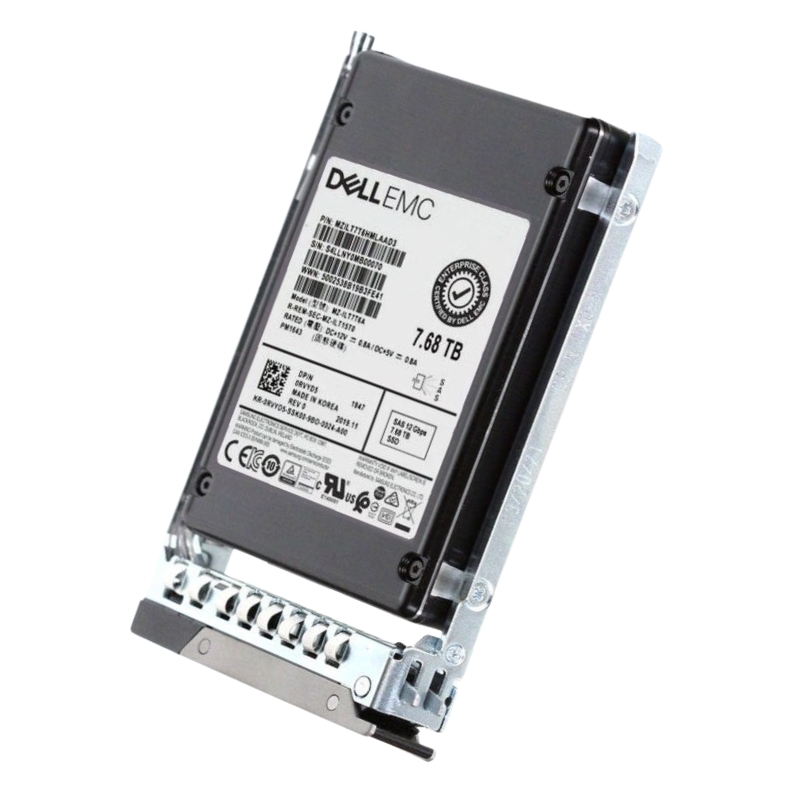


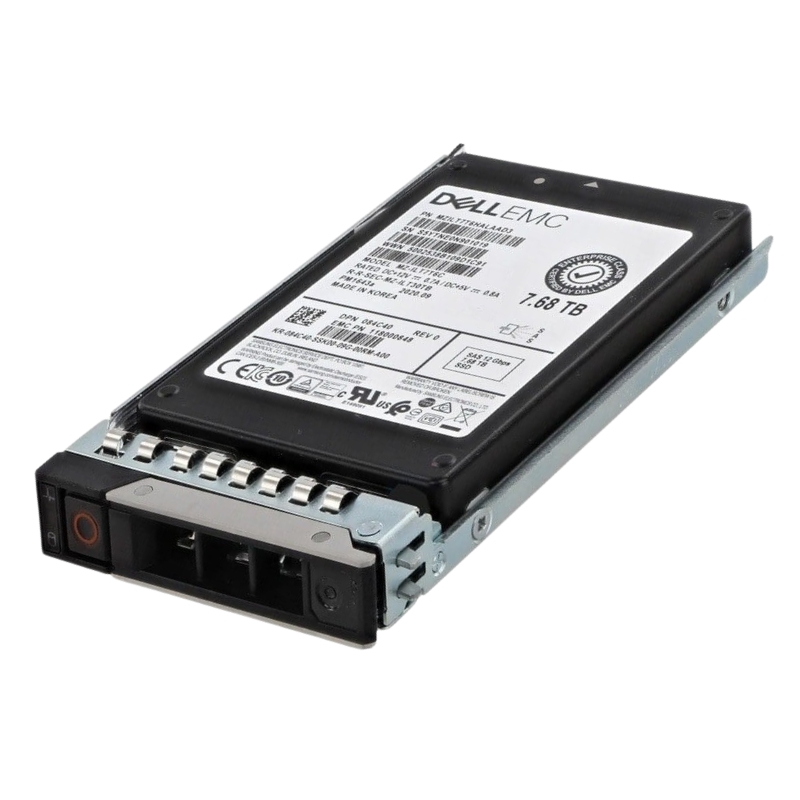
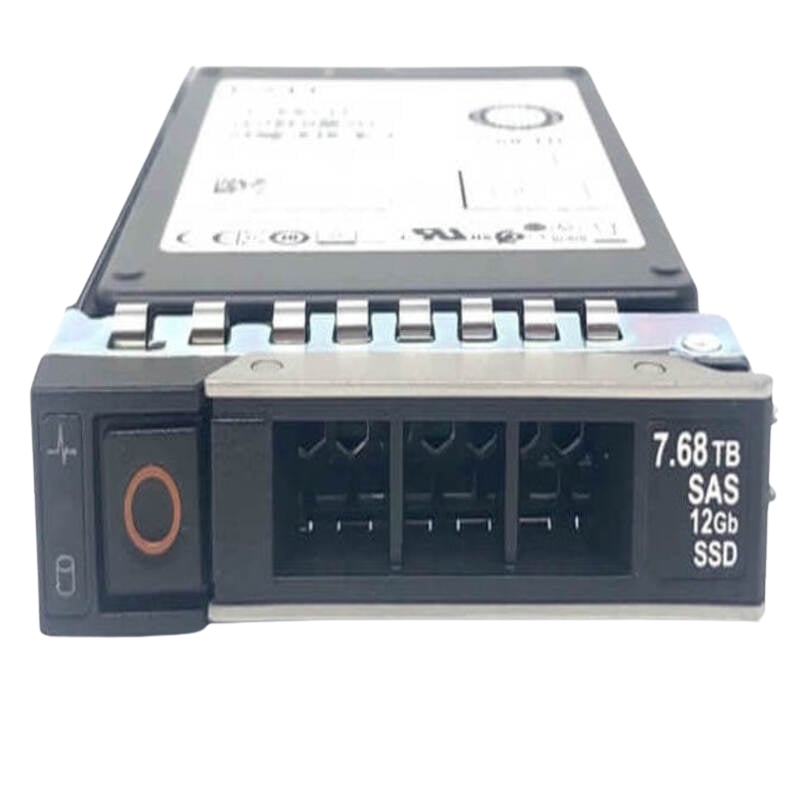
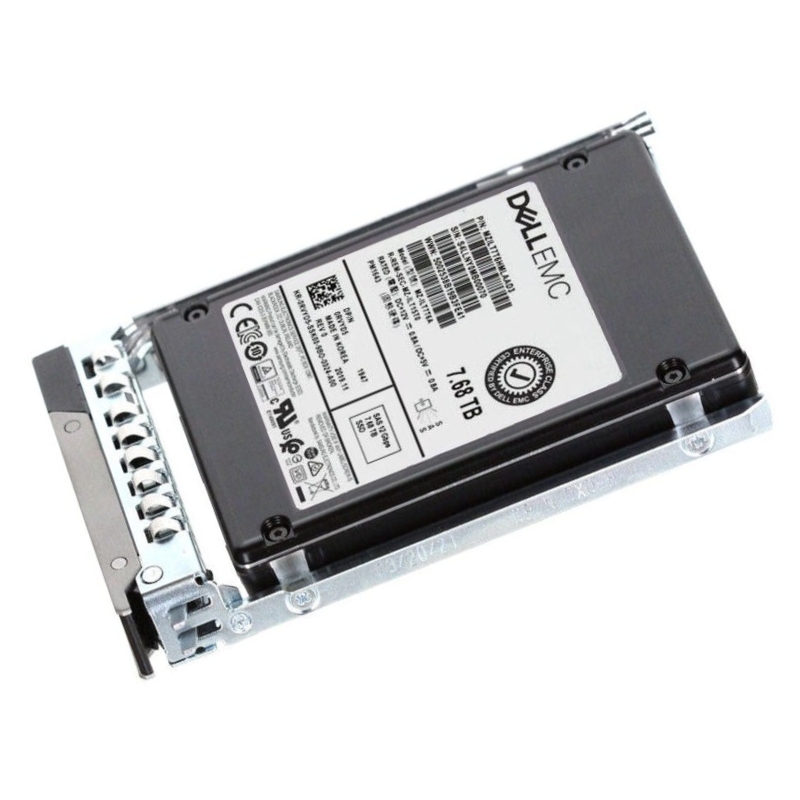
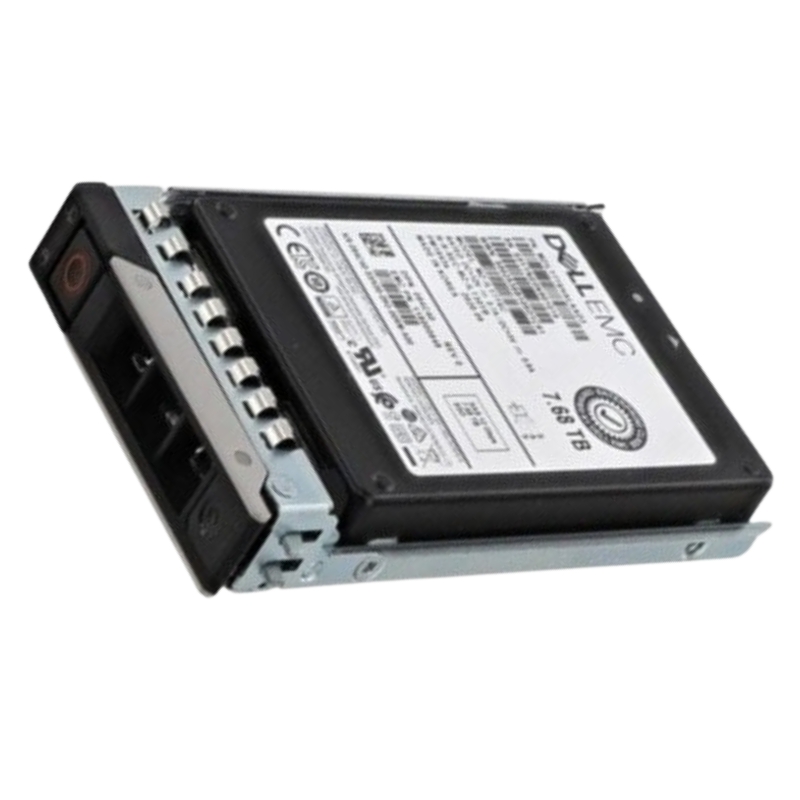
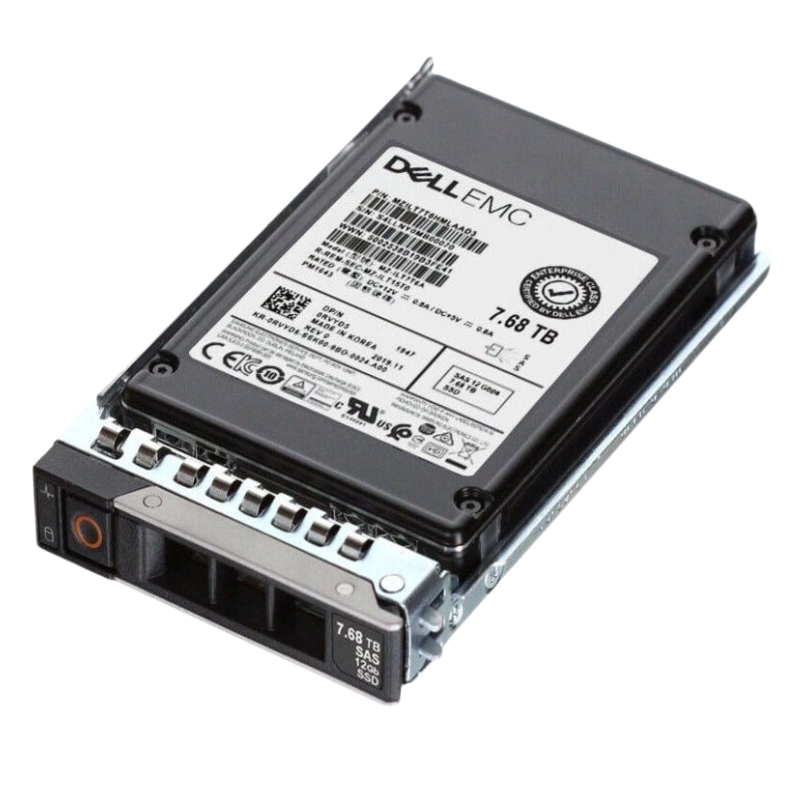
Dell 400-BBSM Hot Plug SSD 7.68TB SAS-12GBPS Read Intensive TLC 512e. New Sealed in Box (NIB) with 1 Year Warranty
| SKU/MPN | Warranty | Price | Condition | You save |
|---|---|---|---|---|
| 400-BBSM | 1 Year Warranty | $3,705.00 | New Sealed in Box (NIB) | You save: $1,296.75 (26%) |
| 400-BBSM | 1 Year Warranty | $3,705.00 | Excellent Refurbished | You save: $1,296.75 (26%) |
Enterprise-grade solid-state drive engineered for read-intensive workloads. This Dell-certified 2.5-inch NVMe-style SAS SSD delivers high throughput, low latency and reliable endurance — supplied with a hot-swap tray for rack-mounted servers.
Highlights & Overview
Designed for hot-swap server bays and storage arrays — ideal for data center scale-outs and high-availability configurations.
Validated across a broad range of Dell PowerEdge servers and PowerVault arrays for guaranteed interoperability and vendor support.
In today's data-driven enterprise environments, storage performance and reliability are paramount. The Dell 400-BBSM series represents a comprehensive lineup of SAS SSDs specifically engineered to meet the rigorous demands of modern data centers, cloud infrastructure, and business-critical applications.
Serial Attached SCSI (SAS) represents the evolution of parallel SCSI technology, offering significant advantages in speed, scalability, and reliability. Unlike consumer-grade SATA SSDs, SAS drives are built with enterprise workloads in mind, featuring enhanced error correction, dual-port capabilities for redundancy, and superior quality components designed for 24/7 operation.
While SATA SSDs serve adequately in many consumer and light business applications, SAS technology delivers critical advantages for enterprise environments:
SAS drives feature dual-port capability, allowing two hosts to connect to the same drive simultaneously. This enables redundant paths to storage, eliminating single points of failure and ensuring continuous data availability—a critical requirement for high-availability systems and mission-critical applications.
SAS maintains full compatibility with the robust SCSI command set, providing advanced features like atomic writes, command queuing with up to 256 commands, and tag command queuing. These capabilities significantly improve performance in multi-user environments and applications with high I/O demands.
SAS specifications include more rigorous error detection and correction protocols compared to SATA. This results in higher data integrity and reduced likelihood of silent data corruption, a crucial consideration for financial, healthcare, and scientific applications where data accuracy is non-negotiable.
The Dell 400-BBSM series represents Dell's commitment to delivering storage solutions that balance performance, capacity, and endurance. These drives are specifically engineered for read-intensive applications where high throughput and low latency are essential, but extreme write endurance is less critical.
Each drive in the 400-BBSM series shares common architectural advantages while offering varying capacities to meet different workload requirements:
With SAS-12Gbps interface technology, these drives deliver exceptional sequential read speeds up to 1,800MB/s and write speeds up to 1,200MB/s. The 12Gb/s SAS interface effectively doubles the bandwidth of previous-generation 6Gb/s SAS solutions, eliminating storage bottlenecks in performance-sensitive applications.
The 2.5-inch hot-plug form factor ensures broad compatibility with Dell PowerEdge servers and Dell EMC storage arrays. This standardized form factor simplifies integration into existing infrastructure while supporting hot-swap capability for maintenance and upgrades without system downtime.
With a 1 Drive Write Per Day (DWPD) endurance rating, these SSDs are optimized for read-centric workloads while maintaining sufficient write endurance for typical enterprise applications. This balanced approach delivers cost-effective performance without compromising reliability.
The 7.68TB variant of the Dell 400-BBSM represents the flagship capacity option in this series, offering substantial storage density for space-constrained environments while maintaining consistent performance characteristics across the entire capacity range.
This drive leverages high-quality 3D TLC NAND flash memory, carefully selected and validated for enterprise deployment. The controller architecture includes advanced features such as:
Sophisticated wear-leveling algorithms distribute write operations evenly across all available NAND cells, preventing premature wear on specific memory blocks and extending the operational lifespan of the drive beyond its rated endurance specification.
Integrated power-loss protection circuits with onboard capacitors ensure that in-flight data is safely committed to non-volatile memory during unexpected power interruptions. This critical feature prevents data corruption and maintains filesystem integrity.
Background garbage collection processes efficiently manage NAND block reclamation, while TRIM command support enables the operating system to inform the SSD about unused data blocks. These combined technologies help maintain consistent performance throughout the drive's lifespan.
The 7.68TB model delivers exceptional performance metrics that make it suitable for a wide range of enterprise applications:
With random read performance up to 250,000 IOPS and random write performance up to 55,000 IOPS (4K block size), this drive excels in database applications, virtualization environments, and other workloads requiring high transactional throughput.
Consistent low latency, typically under 100 microseconds for reads and 20 microseconds for writes, ensures responsive application performance even under heavy load conditions. This predictable low latency is crucial for real-time analytics and transaction processing systems.
Sequential read performance reaches up to 1,800MB/s, while sequential writes achieve up to 1,200MB/s. This high throughput makes the drive ideal for data warehousing, video streaming, backup targets, and other bandwidth-intensive applications.
The Dell 400-BBSM 7.68TB SAS SSD is strategically positioned for specific enterprise scenarios where its combination of high capacity, read-optimized performance, and cost-effectiveness delivers maximum value.
Modern analytics platforms require rapid access to large datasets for processing and query execution. The high sequential read performance of the 400-BBSM significantly reduces data retrieval times, accelerating analytical workflows and enabling faster business insights.
For database applications where read operations substantially outnumber writes, such as reporting databases, data warehouses, and content management systems, the 400-BBSM delivers optimal price-to-performance ratio while maintaining the reliability expected in database environments.
While write-intensive OLTP (Online Transaction Processing) systems might benefit from higher endurance drives, the 400-BBSM is ideally suited for OLAP (Online Analytical Processing) workloads where complex queries against large datasets dominate the I/O profile.
Virtualized environments present unique storage challenges, particularly in VDI (Virtual Desktop Infrastructure) implementations where boot storms and login events generate intense read activity. The 400-BBSM's high random read performance makes it excellent for:
As boot drives for hypervisor hosts, these SSDs provide fast system startup and responsive management operations, while their capacity allows for ample logging and diagnostic data retention.
Storing golden images and shared application binaries for VDI deployments, where multiple virtual desktops simultaneously read from common source images during boot and application launch sequences.
The combination of high capacity and excellent sequential read performance makes the 400-BBSM well-suited for content delivery applications:
Storing large media files for editing, transcoding, and distribution workflows, where fast access to source materials improves productivity and reduces processing bottlenecks.
Supporting video-on-demand platforms and live streaming infrastructure that require consistent high-bandwidth delivery to multiple concurrent users.
Proper integration into existing infrastructure is critical for maximizing the value of storage investments. The Dell 400-BBSM 7.68TB SAS SSD is designed for seamless compatibility with Dell ecosystem components.
These drives are fully tested and validated for use across the Dell PowerEdge server portfolio, including:
Compatible with PowerEdge Rx50, Rx40, and newer generations, supporting both front-backplane and rear-drive configurations where available. The hot-plug capability enables easy maintenance and capacity expansion without server downtime.
Supported in PowerEdge MX7000 chassis and compatible sleds, providing high-density storage for software-defined infrastructure and composable systems.
Ideal for PowerEdge Tx50 series towers deployed in remote office/branch office (ROBO) scenarios or as application-specific workhorses where local storage performance is critical.
Enterprise storage demands exceptional reliability, and the Dell 400-BBSM 7.68TB SAS SSD is engineered to meet these rigorous requirements through multiple layers of protection and robust design.
With an MTBF rating of 2 million hours, this drive demonstrates exceptional reliability statistics that translate to reduced replacement frequency and lower total cost of ownership in large-scale deployments.
The drive maintains an uncorrectable bit error rate of 1 sector per 10^17 bits read, significantly exceeding consumer-grade storage and ensuring data integrity under demanding conditions.
Understanding the 1 DWPD endurance rating is essential for proper workload placement and lifecycle planning:
With a 1 DWPD rating, the 7.68TB model can withstand approximately 7.68TB of writes per day over its 5-year warranty period. This translates to a total endurance of over 14 petabytes written (7.68TB × 365 days × 5 years).
Most read-intensive enterprise workloads generate write ratios well below the 1 DWPD threshold. Typical database applications, web serving, and content delivery often exhibit write ratios between 0.1 and 0.3 DWPD, leaving substantial endurance headroom.
Maximizing the value of storage investments requires proper configuration and deployment strategies. The following recommendations help ensure optimal performance from Dell 400-BBSM SSDs in enterprise environments.
Proper RAID configuration is essential for balancing performance, capacity, and data protection:
For read-intensive workloads, RAID 10 provides excellent read performance and fault tolerance, though at a 50% capacity overhead. RAID 5 offers better capacity utilization with good read performance, though with potential write penalty considerations.
Aligning RAID stripe sizes with application I/O patterns can significantly impact performance. Larger stripe sizes generally benefit sequential workloads, while smaller stripes may improve random I/O performance in specific scenarios.
Modern operating systems offer various tuning parameters that can optimize SSD performance:
Ensuring proper partition alignment eliminates cross-boundary writes that can degrade performance and increase write amplification. Modern operating systems typically handle this automatically, but verification is recommended.
Filesystems with native TRIM support (such as NTFS, ext4, XFS, and ZFS) help maintain consistent performance over time by enabling efficient garbage collection at the filesystem level.
Many enterprise applications include storage-specific configuration options that can enhance performance:
Database systems like Microsoft SQL Server, Oracle Database, and MySQL offer numerous storage-related parameters, including block sizes, log file placement, and tempdb configuration that can be tuned to maximize SSD benefits.
Hypervisors such as VMware vSphere and Microsoft Hyper-V provide storage-specific optimizations, including queue depth settings, VM disk controller selection, and storage I/O control policies that can improve performance in shared environments.
The Dell 400-BBSM series includes multiple capacity points to address different workload requirements and budget considerations. Understanding the performance and characteristics across the series helps in selecting the optimal drive for specific use cases.
While all drives in the 400-BBSM series share the same fundamental architecture and interface capabilities, performance characteristics may vary across capacity points:
Lower capacity models may exhibit slightly reduced write performance compared to the 7.68TB flagship, though read performance typically remains consistent across the series due to architectural optimizations.
The 1 DWPD rating applies consistently across the series, meaning total endurance (in terabytes written) scales linearly with capacity. This makes higher capacity models particularly cost-effective for applications requiring both high capacity and substantial write endurance.


 Contact Us
 Information
 Catalog
 Solid State Drives (SSD)
 Network Switches
 Hard Disk Drives
 HBA & Controllers
 PC & Servers
 PC & Server Memory
 CPU & Processors
 Network Routers
 Power Supplies
 Tape Drives & Libraries
 Network Devices
 Computer & Network Cables