(7% discount is applied at checkout)
Cart is empty
Your go-to destination for cutting-edge server products
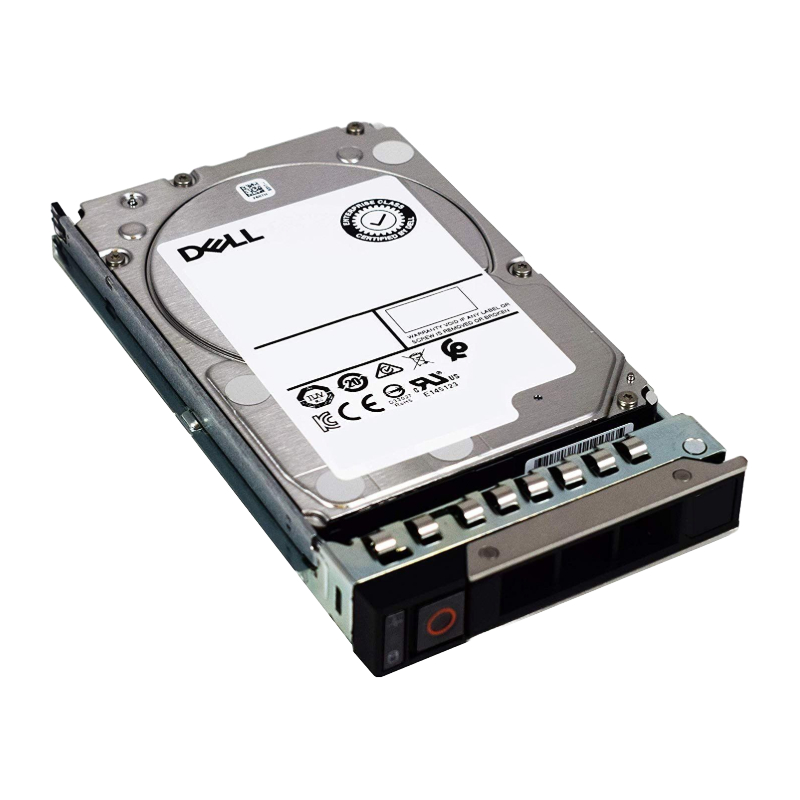


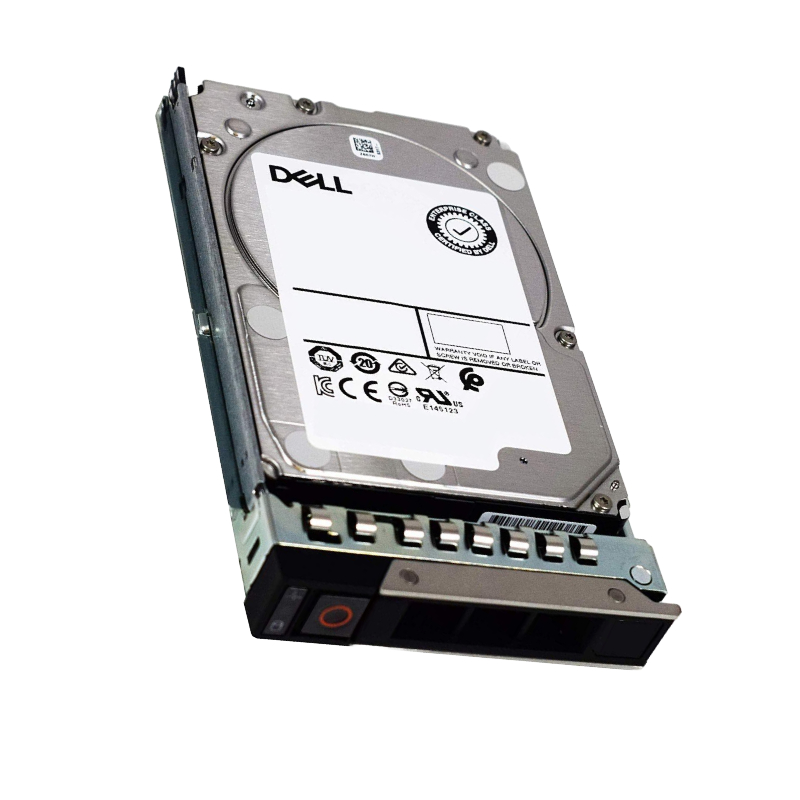
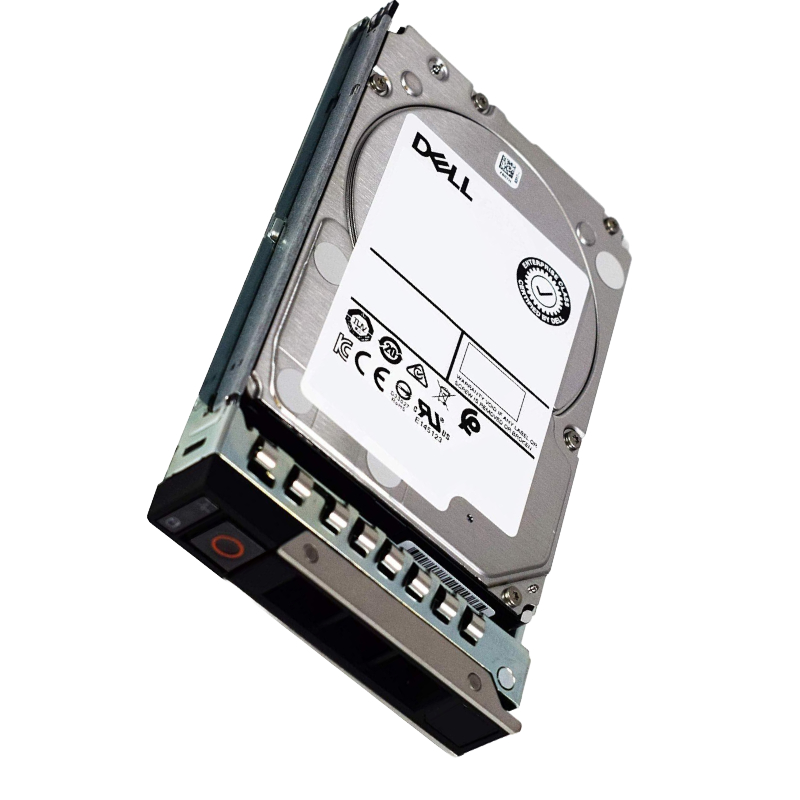
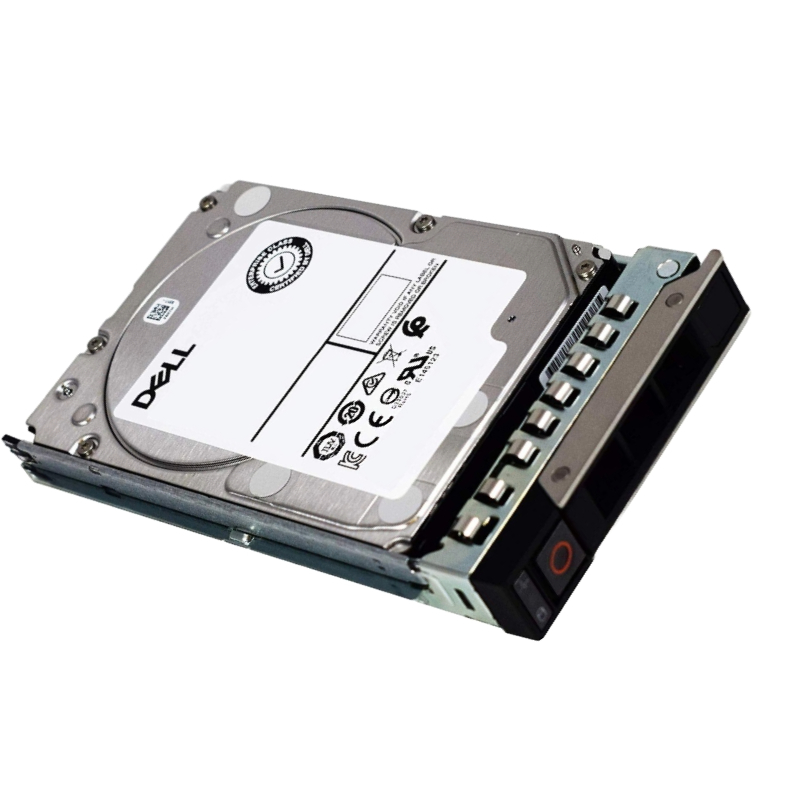
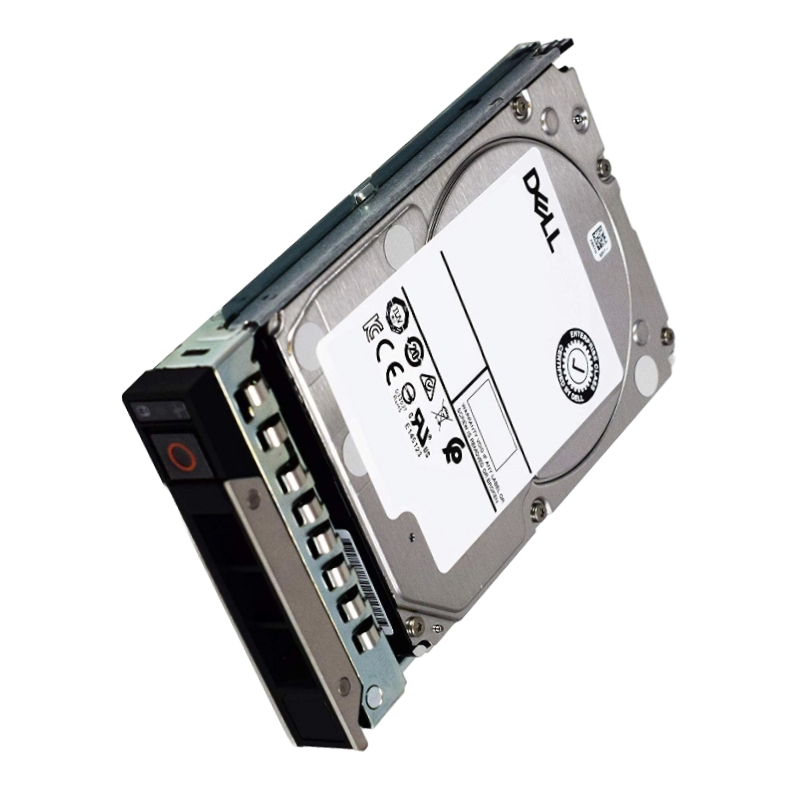
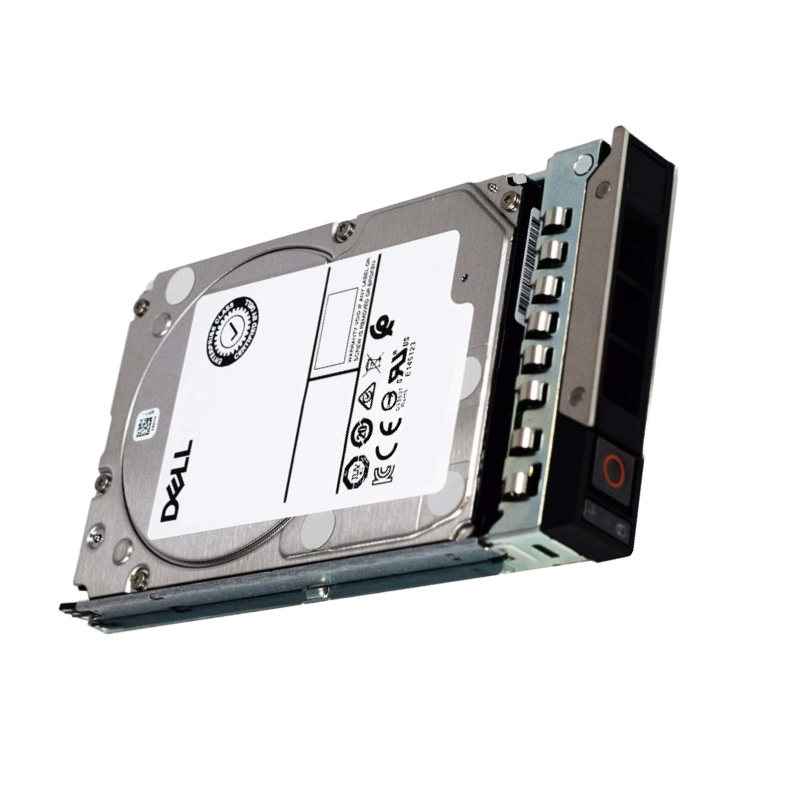
Dell 400-BBWE 3.84TB Mixed Use MLC SAS 12GBPS 512n SSD. Excellent Refurbished with 1 Year Replacement Warranty
High-performance enterprise storage: the Dell 400-BBWE is a 3.84TB mixed-use multi-level cell (MLC) solid-state drive designed for Dell PowerEdge servers. Optimized for demanding workloads, this 2.5-inch, hot-plug SAS drive delivers reliable throughput and enterprise-grade endurance for virtualization, databases, and mixed read/write applications.
Built for consistent I/O under mixed workloads, this drive offers predictable performance and low latency suitable for virtualization layers, database engines, and IO-intensive server applications.
The Dell 400-BBWE is tested and compatible with a wide range of PowerEdge servers. Below is a compatibility index for quick reference.
The Dell 400-BBWE represents the pinnacle of enterprise solid-state storage technology, specifically engineered for Dell PowerEdge 14th generation servers. This 3.84TB Mixed Use MLC SAS SSD delivers exceptional performance, reliability, and endurance for demanding data center environments. Built with enterprise-grade components and optimized for continuous operation, this drive addresses the storage requirements of modern businesses dealing with intensive mixed workloads, virtualization, database applications, and high-transaction environments.
Enterprise storage has undergone significant transformation with the advent of SSD technology. The Dell 400-BBWE sits at the forefront of this evolution, combining the speed of solid-state technology with enterprise-level reliability features. Unlike consumer-grade SSDs, this drive is specifically engineered for 24/7 operation in data center environments, featuring advanced error correction, power-loss protection, and sophisticated wear-leveling algorithms that ensure consistent performance throughout the drive's operational lifespan.
The 3.84TB capacity represents an optimal balance between storage density and performance characteristics. This specific capacity point is engineered to provide maximum usable storage while maintaining consistent performance across the entire capacity range. The 2.5-inch hot-plug form factor ensures compatibility with industry-standard server bays and storage arrays, allowing for seamless integration into existing infrastructure and facilitating easy maintenance and upgrades without system downtime.
Measuring 2.5 inches in width and conforming to the standard 15mm thickness for high-capacity enterprise drives, the 400-BBWE features a SAS 12Gbps interface that delivers double the bandwidth of previous-generation 6Gbps SAS technology. The hot-plug capability enables administrators to replace or add drives while the system remains operational, a critical feature for maintaining high availability in enterprise environments where downtime translates directly to business impact.
With its SAS 12Gbps interface, the Dell 400-BBWE delivers exceptional sequential read and write speeds, significantly outperforming SATA-based alternatives and previous-generation SAS drives. The drive is optimized for mixed workloads, capable of handling both read-intensive and write-intensive operations simultaneously without performance degradation. This makes it particularly suitable for applications requiring consistent low latency and high IOPS, such as database transactions, virtualized environments, and high-performance computing workloads.
The Mixed Use designation indicates that this SSD is engineered to handle a balanced mix of read and write operations, with endurance specifications significantly higher than read-optimized drives but potentially lower than write-intensive models. The MLC NAND technology provides an optimal balance between cost, capacity, and endurance, with sophisticated wear-leveling algorithms that distribute write operations evenly across all memory cells to maximize the drive's operational lifespan.
Multi-Level Cell (MLC) NAND flash technology in enterprise environments differs significantly from consumer-grade MLC. The Dell 400-BBWE utilizes enterprise MLC (eMLC) components that feature enhanced endurance, better performance consistency, and higher reliability standards. Each cell stores multiple bits of data, providing an optimal balance between storage density, performance, and cost-effectiveness for mixed workload applications where both read and write performance are critical to overall system performance.
The enterprise MLC NAND used in the 400-BBWE is specifically screened and qualified for data center use, with endurance characteristics measured in drive writes per day (DWPD) over the warranty period. This enterprise-grade MLC typically offers 3-5 times the endurance of consumer MLC technology, with advanced error correction capabilities that maintain data integrity even as the NAND cells approach their program/erase cycle limits. The 512n sector size represents the fundamental block structure of the NAND flash, optimized for enterprise storage controllers and file systems.
The "Mixed Use" classification indicates that this SSD is engineered to handle environments where the workload consists of approximately 50% read and 50% write operations. This balanced approach makes the drive suitable for a wide range of enterprise applications, from database servers and virtualization hosts to collaborative applications and medium-duty content delivery systems. The controller and firmware are specifically tuned to maintain consistent performance under varying workload conditions, preventing the performance degradation that can occur with consumer SSDs under sustained write pressure.
The SAS 12Gbps interface represents the current generation of Serial Attached SCSI technology, delivering significant advantages over SATA and previous SAS generations. With theoretical bandwidth of 12 gigabits per second (approximately 1.2 gigabytes per second after encoding overhead), this interface eliminates storage bottlenecks in all but the most demanding applications. The full-duplex capability allows simultaneous read and write operations at full speed, a critical feature for mixed workload environments where data is constantly being accessed and modified.
When compared to SATA III (6Gbps), the SAS 12Gbps interface offers double the bandwidth, enhanced error recovery, and superior command queuing capabilities. The SAS protocol supports full command tag queuing up to 256 commands, compared to SATA's 32 commands, enabling higher IOPS in heavily queued environments. Additionally, SAS offers dual-port capability, allowing redundant paths to the storage device for high-availability configurations—a feature completely absent from SATA-based solutions.
One of the most significant enterprise features of SAS technology is dual-port capability. The Dell 400-BBWE supports two independent SAS ports that can be connected to different storage controllers or host bus adapters. This configuration provides path redundancy, ensuring that a single controller failure doesn't render the storage device inaccessible. For mission-critical applications requiring maximum uptime, this feature is essential and represents a key differentiator between enterprise SAS drives and consumer or entry-level SATA alternatives.
Enterprise SSDs must protect data integrity during unexpected power loss events. The Dell 400-BBWE incorporates robust power-loss protection circuits that include capacitors or other energy storage mechanisms capable of providing sufficient power to complete in-progress write operations and flush the drive's cache to non-volatile memory. This prevents data corruption and ensures that writes acknowledged to the host system are permanently stored, maintaining file system consistency and database integrity through power cycling events.
Beyond power-loss protection, the 400-BBWE implements end-to-end data protection, with checksums verified at multiple points in the data path. The T10 Protection Information (T10 PI) standard helps detect and prevent silent data corruption, a critical feature for database applications and financial systems where data integrity is paramount. Combined with advanced error correction codes (ECC) at the NAND level, these features ensure that data retrieved from the drive is identical to what was originally written.
Enterprise SSDs employ sophisticated algorithms to maximize NAND flash lifespan. The Dell 400-BBWE features dynamic and static wear leveling that distributes write operations evenly across all available memory cells, preventing specific blocks from wearing out prematurely. Bad block management identifies and retires failing memory cells, replacing them with spare capacity from the over-provisioned area of the drive. This over-provisioning (storage capacity beyond the advertised user capacity) also improves performance by ensuring the controller always has clean blocks available for write operations.
The consistent low latency and high IOPS capabilities of the Dell 400-BBWE make it ideally suited for database applications, both relational (SQL Server, Oracle, MySQL) and NoSQL variants. Database workloads typically involve random I/O patterns with a mix of read and write operations, exactly the scenario for which this Mixed Use SSD is optimized. The drive's ability to maintain performance under heavy queue depths ensures that transaction processing systems remain responsive during peak load periods.
For Online Transaction Processing (OLTP) systems, the drive delivers the low latency required for rapid transaction commit times. For Online Analytical Processing (OLAP) and data warehousing applications, the high sequential read and write speeds accelerate data loading and query processing. The 3.84TB capacity provides ample storage for database instances of significant size, reducing the storage tiering complexity that can occur with smaller capacity drives.
Virtualized environments present one of the most challenging storage workloads, with multiple virtual machines generating simultaneous and often conflicting I/O patterns. The Dell 400-BBWE excels in these environments by providing consistent performance across diverse workload types. Whether supporting VMware vSphere, Microsoft Hyper-V, or other hypervisors, this drive can handle the random I/O characteristic of virtualized server workloads while providing the capacity needed for dense virtual machine deployments.
Virtual Desktop Infrastructure (VDI) represents a particularly demanding use case, with boot storms, login storms, and application activity generating intense write workloads during peak usage periods. The Mixed Use design of the 400-BBWE provides the write endurance needed for these scenarios while delivering the read performance required for responsive user experiences. Similarly, application virtualization platforms benefit from the consistent low latency and high IOPS capabilities.
In scientific computing, financial analytics, and big data applications, storage performance often becomes the limiting factor in overall system throughput. The Dell 400-BBWE addresses this bottleneck with its high sequential transfer rates and low access latency. For applications that process large datasets or perform complex calculations with significant I/O requirements, this drive can significantly reduce job completion times and improve overall computational efficiency.
The 400-BBWE is specifically validated and optimized for Dell's 14th generation PowerEdge servers, including the R740, R740xd, R740xd2, R640, T640, and other models in the 14G portfolio. When used in these systems, the drive benefits from firmware integration, management through iDRAC, and compatibility with Dell's storage management tools. This tight integration ensures optimal performance, comprehensive monitoring, and simplified maintenance through the entire server ecosystem.
Beyond direct server attachment, the 400-BBWE is compatible with Dell storage arrays and JBOD (Just a Bunch of Disks) enclosures that support SAS interfaces. This includes Dell's PowerVault ME4 series and compatible third-party enclosures. The hot-plug capability ensures that drives can be added or replaced without taking the entire storage system offline, supporting maintenance and expansion activities during production hours.
Enterprise storage requires comprehensive management capabilities, and the Dell 400-BBWE supports standard interfaces including SCSI Log Pages and S.M.A.R.T. (Self-Monitoring, Analysis and Reporting Technology). Through Dell OpenManage, administrators can monitor drive health, predict failures, and plan proactive maintenance. The drive also supports temperature monitoring, wear indicator tracking, and detailed error logging to facilitate troubleshooting and capacity planning.
When deploying multiple 400-BBWE drives in RAID configurations, specific considerations apply to maximize performance and reliability. For mixed workload environments, RAID 10 often provides the optimal balance of performance, redundancy, and usable capacity. RAID 5 and RAID 6 configurations are also supported but may impact write performance due to parity calculation overhead. Dell's PERC (PowerEdge RAID Controller) H740P and similar controllers provide the processing power needed to maximize performance from multiple drives in RAID configurations.
To fully utilize the performance capabilities of the 400-BBWE, storage controllers should be configured with sufficient queue depth to keep the drive engaged. Modern SAS controllers with large command buffers prevent command starvation that can limit performance. Additionally, ensuring that the controller firmware is current helps maintain compatibility and performance optimization specific to the 14G server platform and this drive model.
Different applications benefit from specific storage tuning parameters. Database workloads often perform best with 4KB or 8KB alignment and appropriate partition offset. Virtualization environments may benefit from VMware's VAAI or Microsoft's ODX primitives for offloaded storage operations. Understanding the specific I/O patterns of the intended application allows administrators to configure the storage subsystem for optimal performance, whether prioritizing low latency, maximum throughput, or consistent IOPS under varying load conditions.


 Contact Us
 Information
 Catalog
 Solid State Drives (SSD)
 Network Switches
 Hard Disk Drives
 HBA & Controllers
 PC & Servers
 PC & Server Memory
 CPU & Processors
 Network Routers
 Power Supplies
 Tape Drives & Libraries
 Network Devices
 Computer & Network Cables