(7% discount is applied at checkout)
Cart is empty
Your go-to destination for cutting-edge server products
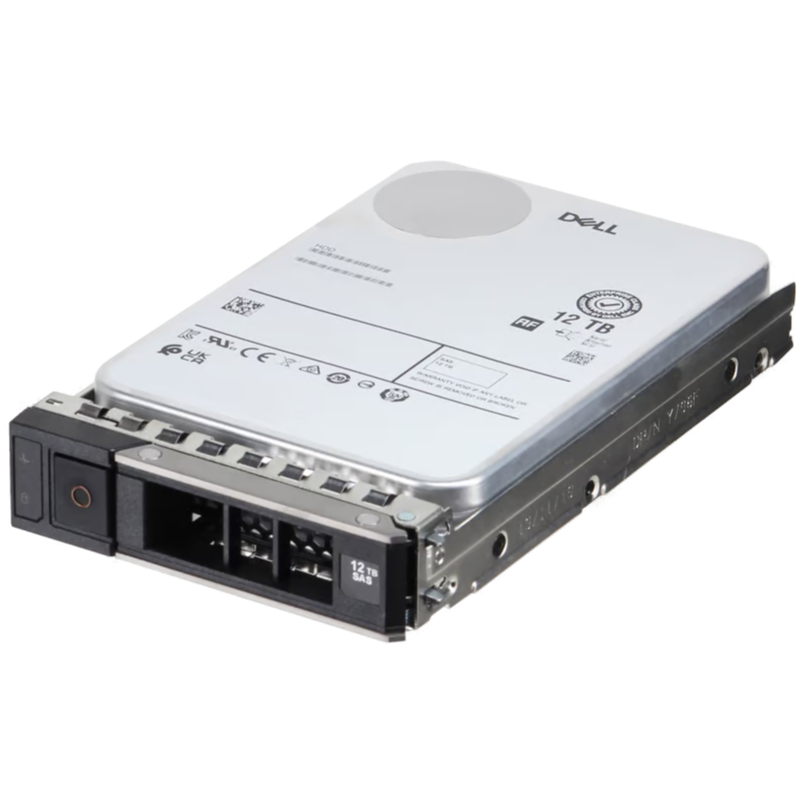


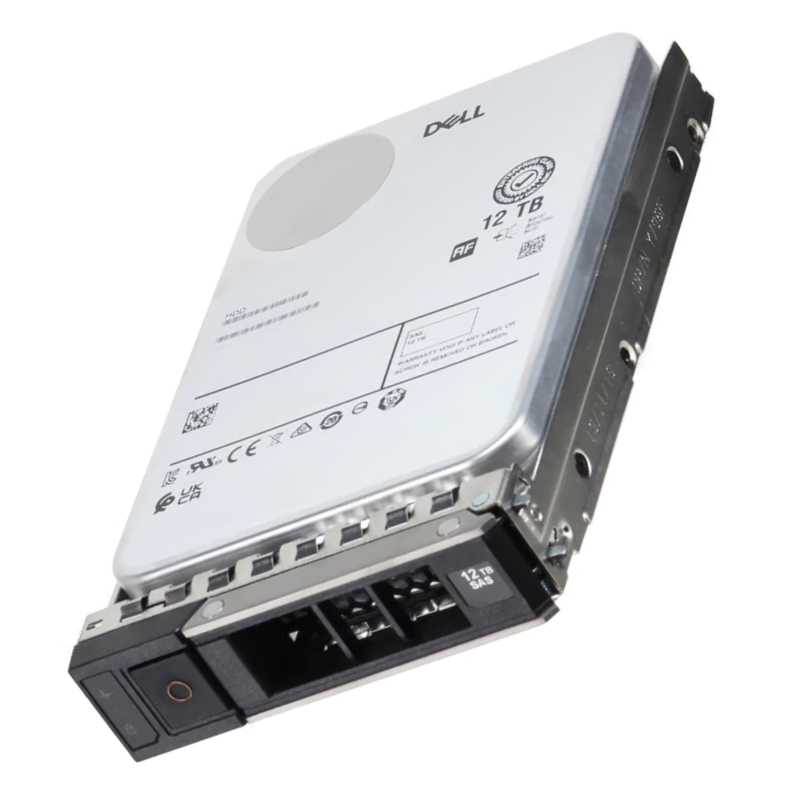
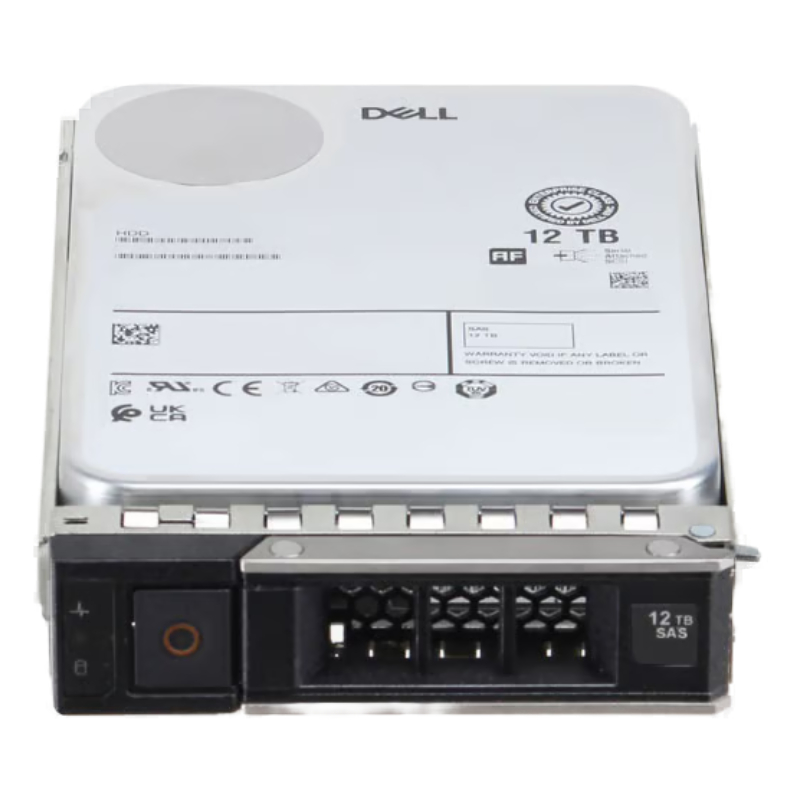
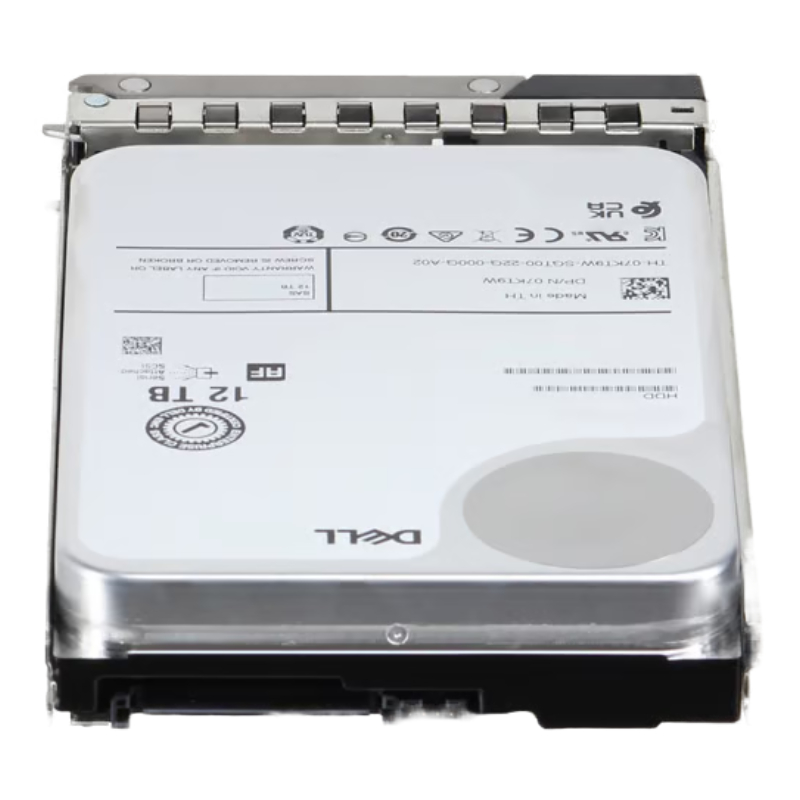
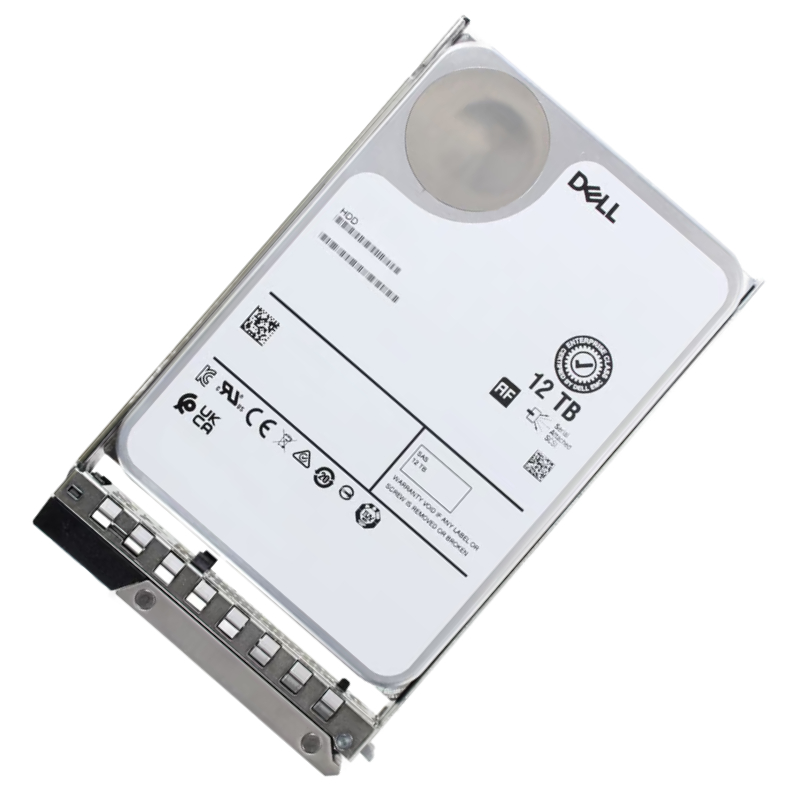
Dell 400-BEKJ 12TB 7.2K RPM SAS-12GBPS 512E LFF Hard Drive. New Sealed in Box (NIB) with 1-Year Replacement Warranty
The Dell 400-BEKJ 3.5-inch hard disk drive is built to deliver dependable, high-capacity storage for modern server environments. Engineered for reliability and efficiency, this nearline SAS drive is ideal for handling intensive data operations, large-scale backups, and long-term storage requirements in enterprise infrastructures.
The Dell 400-BEKJ 12TB hard drive belongs to a specialized category of enterprise-grade storage solutions engineered to meet the demands of modern data-intensive environments. Built with a rotational speed of 7,200 RPM, this large form factor hard drive is optimized for delivering consistent throughput, high reliability, and cost-effective storage expansion. With a Serial Attached SCSI interface supporting up to 12Gbps data transfer rates, it ensures stable and high-speed communication between storage controllers and server infrastructure.
The architecture of this hard drive is designed around efficiency and compatibility. Its 512E sector format, also known as 512-byte emulation, bridges the gap between legacy systems and modern storage requirements. This enables seamless integration into existing IT environments without requiring extensive reconfiguration or compatibility adjustments. The large form factor design maximizes storage density, allowing organizations to scale their storage capabilities while maintaining efficient use of server bay space.
The Dell 400-BEKJ 12TB hard drive is purpose-built for enterprise workloads that require dependable and scalable storage. Organizations handling large datasets, such as financial institutions, healthcare providers, and cloud service operators, benefit from its high capacity and reliability. This category of drives is particularly effective in environments where large volumes of data must be stored, retrieved, and maintained over extended periods.
Backup and archival storage represent one of the primary use cases. The 12TB capacity enables efficient consolidation of backup data, reducing the number of physical drives required and simplifying management. This is especially valuable for disaster recovery strategies, where maintaining complete and accessible data backups is critical. The drive’s durability ensures that data remains intact even in long-term storage scenarios.
Another key application is in virtualized environments. Virtual machines generate significant amounts of data, and storage systems must accommodate both performance and capacity requirements. The Dell 400-BEKJ provides sufficient throughput for non-latency-sensitive workloads while offering the storage volume necessary to host multiple virtual environments on a single physical system.v
The SAS interface used in the Dell 400-BEKJ offers several advantages over traditional SATA connections. One of the most significant is improved performance, with data transfer rates of up to 12Gbps. This ensures that large volumes of data can be moved quickly and efficiently.
SAS also provides enhanced reliability through features such as dual-port connectivity. This allows for redundant data paths, ensuring continuous access to data even if one connection fails. This is critical in mission-critical environments where downtime can have serious consequences.
Another advantage is scalability. SAS systems can support a larger number of devices compared to SATA, making them ideal for enterprise storage arrays. This enables organizations to build extensive storage infrastructures capable of handling massive data volumes.
Additionally, SAS drives are designed for continuous operation and have higher workload ratings than SATA drives. This makes them more suitable for demanding applications where performance and reliability are essential.
Performance in enterprise storage is measured not only by speed but also by consistency and reliability. The Dell 400-BEKJ hard drive delivers stable performance through its 7,200 RPM rotational speed, which provides a balance between energy consumption and data transfer rates. This makes it suitable for workloads that involve large file transfers, streaming data, and sequential processing.
The SAS 12Gbps interface significantly enhances performance by enabling faster communication between the drive and the server. Unlike SATA interfaces, SAS supports full-duplex data transfer, allowing simultaneous read and write operations. This improves efficiency in multi-user environments and reduces latency in data access.
Another important aspect of performance is the drive’s ability to handle sustained workloads. Enterprise hard drives are designed to operate continuously, often in demanding conditions. The Dell 400-BEKJ is engineered to maintain consistent throughput even under heavy usage, ensuring that applications and services remain responsive.
Cache optimization and advanced firmware also contribute to performance improvements. By intelligently managing data flow and prioritizing frequently accessed information, the drive minimizes delays and enhances overall system efficiency. This is particularly important in environments where multiple processes access the same storage resources simultaneously.
Reliability is a defining feature of enterprise hard drives, and the Dell 400-BEKJ is no exception. Built to withstand the demands of continuous operation, it incorporates advanced technologies that enhance durability and reduce the risk of data loss. These include improved error correction mechanisms, vibration resistance, and thermal management features.
In multi-drive environments, vibrations from adjacent drives can impact performance and longevity. Enterprise HDDs are designed to mitigate these effects, ensuring stable operation even in densely packed storage arrays. This is particularly important in data centers where dozens or even hundreds of drives operate simultaneously.
Data integrity is further enhanced through the SAS interface, which includes robust error detection and correction capabilities. This ensures that data is transmitted accurately between the drive and the system, reducing the likelihood of corruption. For mission-critical applications, this level of reliability is essential.
The drive’s construction also supports extended operational lifespans. Compared to consumer-grade drives, enterprise HDDs are built with higher-quality components and undergo rigorous testing to ensure they meet strict performance and reliability standards. This makes them suitable for environments where downtime is not an option.
The Dell 400-BEKJ hard drive is designed for seamless integration with enterprise systems, particularly Dell PowerEdge servers and compatible storage arrays. Its plug-and-play functionality simplifies deployment, allowing IT administrators to install and configure the drive with minimal effort. This reduces setup time and ensures that systems can be brought online.
Compatibility extends beyond hardware to include firmware and software integration. The drive is optimized to work within Dell ecosystems, ensuring consistent performance and reliability. This reduces the risk of compatibility issues that can arise when using third-party components.
The 512E sector format plays a crucial role in compatibility, enabling the drive to function with both legacy and modern systems. This flexibility allows organizations to upgrade their storage infrastructure incrementally, without requiring a complete overhaul of existing systems.
In addition, the large form factor design ensures that the drive fits standard enterprise server bays, making it a versatile option for a wide range of configurations. Whether used in standalone servers or large storage arrays, it provides the flexibility needed to meet diverse storage requirements.
Scalability is a key consideration for organizations managing growing data volumes. The Dell 400-BEKJ 12TB hard drive enables efficient storage expansion by providing high capacity within a single drive. This reduces the need for multiple smaller drives, simplifying infrastructure and lowering management overhead.
Storage arrays can be expanded by adding additional drives, allowing organizations to scale their storage capabilities as needed. This modular approach ensures that infrastructure can grow alongside business requirements, without requiring significant upfront investment.
RAID configurations further enhance scalability and data protection. By combining multiple drives into a single logical unit, administrators can achieve higher performance, redundancy, and capacity. The Dell 400-BEKJ is well-suited for use in RAID arrays, providing the reliability and performance needed for enterprise applications.
Efficient storage utilization is another advantage. High-capacity drives allow organizations to maximize the use of available space, reducing the physical footprint of storage systems. This is particularly important in data centers where space is limited and costly.
Energy efficiency is an important consideration in modern data centers, where power consumption and cooling costs can significantly impact overall expenses. The Dell 400-BEKJ hard drive is designed to deliver high capacity while minimizing energy usage. Its 7.2K RPM speed consumes less power compared to higher-speed drives, making it a cost-effective option for large-scale deployments.
By consolidating storage onto fewer high-capacity drives, organizations can reduce the number of active devices, lowering both power consumption and cooling requirements. This contributes to overall operational efficiency and supports sustainability initiatives.
Cost optimization is another key benefit. While solid-state drives offer superior performance, their cost per terabyte remains higher than traditional HDDs. The Dell 400-BEKJ provides an economical solution for bulk storage, allowing organizations to allocate resources more effectively.
This balance of cost and performance makes the drive an essential component of hybrid storage strategies, where HDDs are used for bulk storage and SSDs for high-performance applications.


 Contact Us
 Information
 Catalog
 Solid State Drives (SSD)
 Network Switches
 Hard Disk Drives
 HBA & Controllers
 PC & Servers
 PC & Server Memory
 CPU & Processors
 Network Routers
 Power Supplies
 Tape Drives & Libraries
 Network Devices
 Computer & Network Cables