(7% discount is applied at checkout)
Cart is empty
Your go-to destination for cutting-edge server products
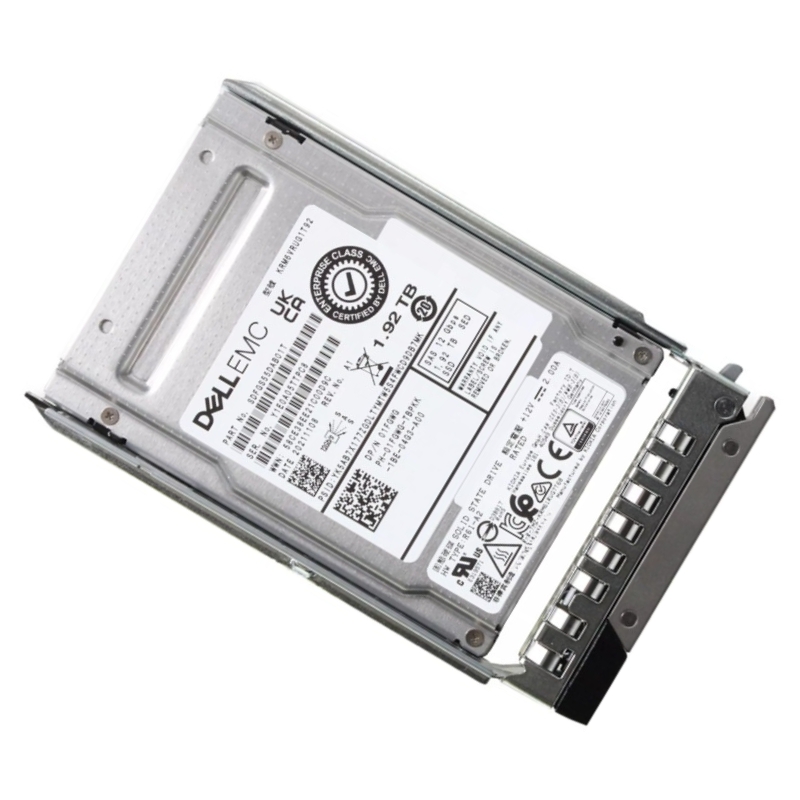


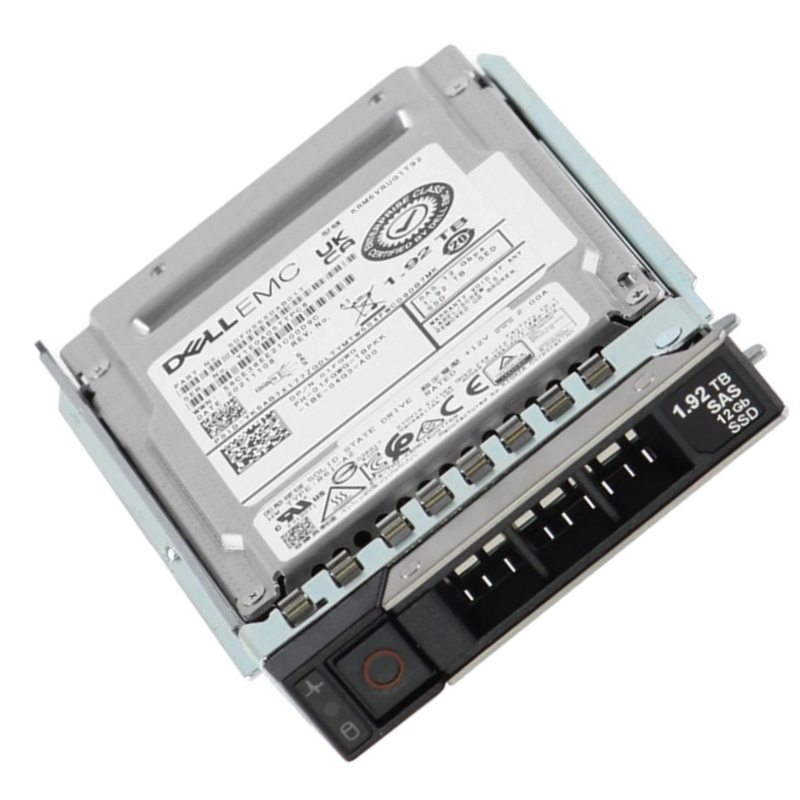
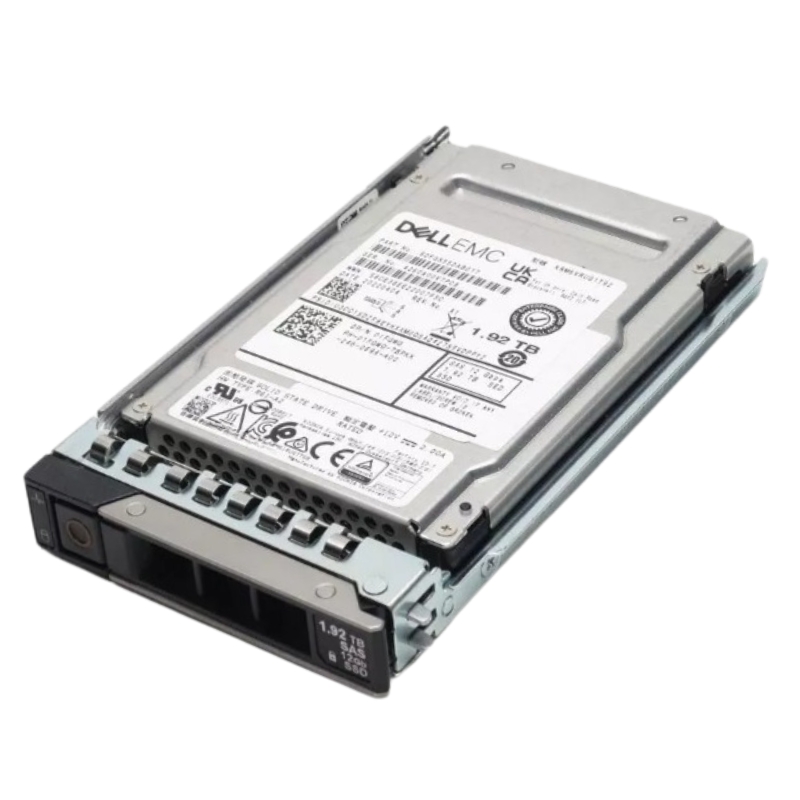
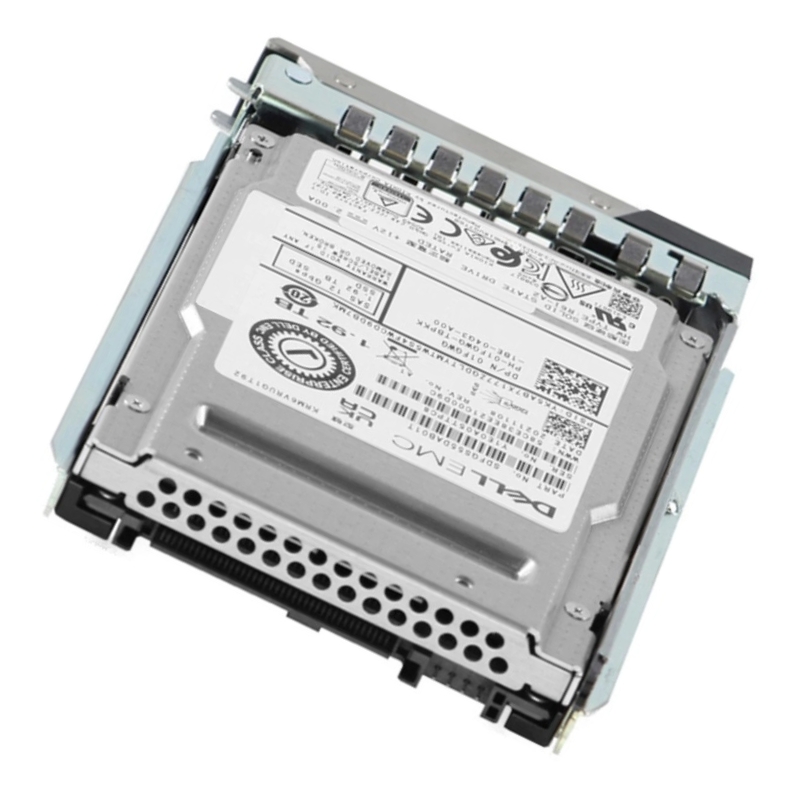
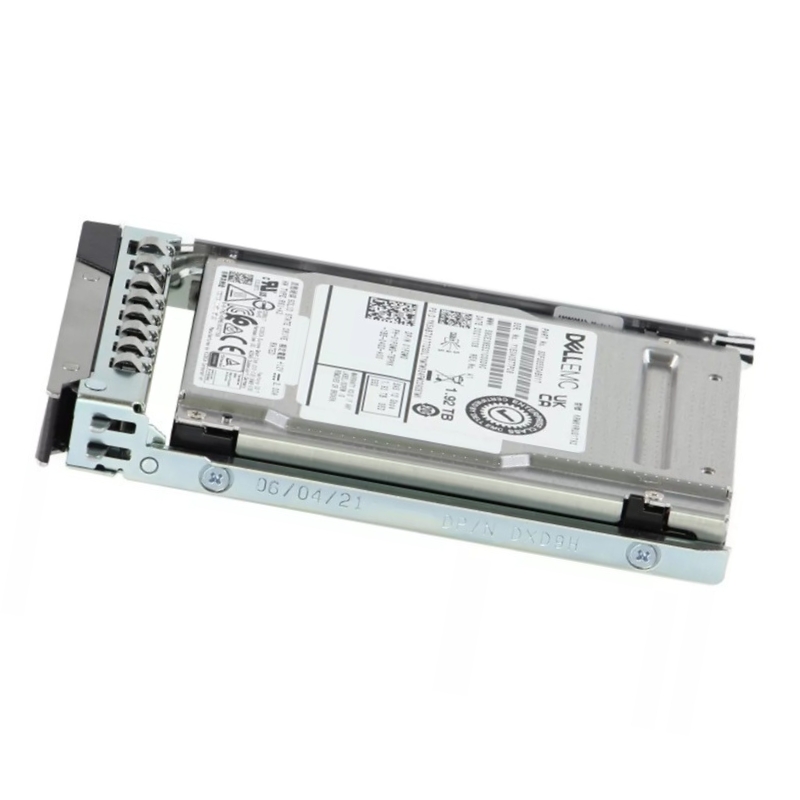
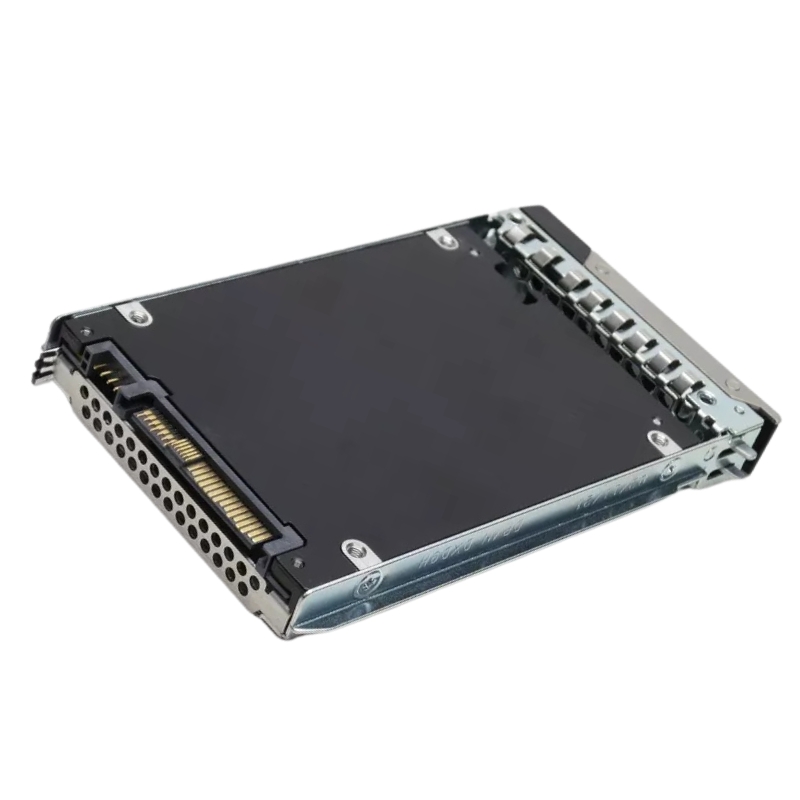
Dell 400-BGGU 1.92TB SAS 12GBPS Read Intensive 2.5inch Hot Plug SSD. New Sealed in Box (NIB) with 1 year Warranty
Experience robust data handling with the Dell-certified 1.92TB SAS SSD, engineered for read-intensive workloads and optimized for modern server environments.
Designed for demanding enterprise environments, the Dell 400-BGGU 1.92TB SAS 12Gbps Read Intensive 2.5inch Hot Plug SSD delivers a robust balance of sustained read performance, enterprise-grade reliability, and compatibility with modern server infrastructures. This category of storage products targets use cases where read-heavy workloads dominate, such as virtual desktop infrastructure (VDI), large-scale content delivery, database read replicas, high-performance caching layers, and analytics. Built on durable NAND and enterprise-class controllers, these drives prioritize low latency and consistent throughput while enabling high-density deployment in 2.5-inch bays.
The architecture of the Dell 400-BGGU series centers on a SAS 12Gbps interface that provides a high-bandwidth, low-overhead channel between storage and host systems. Read intensive firmware tuning optimizes flash translation layer behavior and wear leveling strategies to favor read operations, reducing write amplification and extending drive longevity under targeted use. Typical sequential and random read I/O metrics show excellent consistency under mixed queue depths; the device is engineered to maintain predictable response times even as utilization scales. On physical architecture, the 2.5-inch form factor allows higher enclosure densities and improved airflow management when compared to larger form factors.
The controller embedded within the 400-BGGU acts as the drive’s processing hub, handling tasks such as error correction, garbage collection, and command queuing. Enterprise-grade controllers paired with MLC/TLC NAND configured for endurance and retention tradeoffs deliver the read-centric performance profile customers expect. Error correction codes (ECC) and power-loss protection features are central to maintaining data integrity and reducing the risk of silent data corruption. The firmware stack is often tuned for read-heavy patterns, so typical behavior involves aggressive read caching and deferred write algorithms that preserve throughput while minimizing unnecessary NAND wear.
In practical deployments, the Dell 400-BGGU excels at delivering high IOPS for small-block random reads and strong sequential throughput for larger blocks. Average latency remains low across typical enterprise queue depths, which is critical for time-sensitive applications and latency-intolerant services. Since the SAS 12Gbps interface supports full-duplex communication, these drives can sustain heavy bidirectional traffic when part of a well-architected storage stack. Customers replacing spinning media notice dramatic improvements in request service times, and those deploying for caching layers observe a significant uplift in effective application performance.
This SSD category is optimized for scenarios where reading data is substantially more frequent than writing. A few of the prominent use cases include read-dominant database workloads such as analytics query engines and reporting systems, content distribution networks where static assets are served to many concurrent clients, virtualization hosts where many VMs perform frequent read operations, and high-performance caches that absorb repetitive read traffic on behalf of slower backend storage.
Virtualized environments and VDI pools typically generate a high volume of small I/O reads, especially during boot storms and application launching phases. The read-optimized tuning of the Dell 400-BGGU makes it well suited for consolidating many virtual machines on a single host while delivering responsive end-user experiences. Administrators deploying VDI will benefit from reduced login times, faster profile loading, and smoother multi-user performance when the storage layer is backed by read-intensive SSDs.
Analytical queries and read replicas in relational and NoSQL databases often require swift access to indexed data and large table scans. Read-centric SSDs provide consistent access times for index lookups and reduce overall query completion time. When used as a fronting cache for colder tiers of storage, these drives act as a high-speed layer that offloads repeat reads from slower arrays, lowering latency and improving throughput for business-critical reporting applications.
Selecting the Dell 400-BGGU requires careful consideration of server architecture, RAID controllers, firmware compatibility, and thermal management. Since these drives use a SAS interface, compatibility with SAS HBAs and RAID controllers is essential. Many enterprise servers offer hot-pluggable 2.5-inch bays that accept these drives directly, enabling ease of replacement and scaling without powering down systems. Administrators should verify firmware cross-compatibility for controllers and ensure that the server firmware is up to date to benefit from the latest stability and performance fixes.
Hot plug capability allows system administrators to replace or upgrade drives without interrupting operations, which is particularly valuable for 24/7 services and high-availability clusters. Service procedures should include drive pre-failure alerting, scheduled data evacuation, and a documented replacement workflow to maintain system reliability. Utilizing vendor management tools and smart diagnostics can further reduce downtime by proactively identifying drives that need attention.
Although SSDs dramatically reduce mean time to data access, data protection strategies remain paramount. RAID levels that provide redundancy while balancing usable capacity, such as RAID 6 or erasure coding in modern distributed storage systems, are commonly used. In RAID environments, administrators should account for rebuild performance and rebuild impact; read intensive drives will affect the rebuild profile differently than write intensive alternatives because the underlying workload characteristics change how data is reconstructed. Integrating SSDs into hybrid arrays requires attention to caching policies and tiering algorithms to ensure consistent behavior.
Endurance metrics for the 400-BGGU are specified with read-intensive workloads in mind. Drive life is typically communicated in drive writes per day (DWPD) or total terabytes written (TBW) for a warranty period. Since this product line is optimized for reads, expected write endurance will be lower than write-intensive models but remains suitable for its intended role. Dell-certified SSDs commonly ship with enterprise warranties and support options that cover firmware updates, RMA services, and technical assistance. Understanding the warranty terms and support SLAs is crucial for long-term operational planning.
Thermal behavior affects both performance and longevity. Proper airflow planning, judicious chassis design, and monitoring of drive temperatures help prevent thermal throttling that reduces throughput. Data center deployments should follow recommended airflow patterns and consider drive placement to minimize hotspots. Firmware-based thermal management may reduce I/O rates under high temperatures to protect the NAND, so keeping drives within manufacturer-specified temperature ranges preserves peak performance.
Firmware plays a pivotal role in the real-world behavior of enterprise SSDs. Dell-certified firmware versions often include enhancements for compatibility with server platforms and controllers, security fixes, and performance optimizations. Administrators should plan firmware update windows and validate updates in staging environments to avoid unexpected interactions. Security capabilities such as TCG Opal, SED (self-encrypting drive) support, and secure erase functions are frequently available and can be integrated into broader data-at-rest protection strategies.
When regulatory or internal policies mandate strong data protection, leveraging drives with hardware-based encryption reduces CPU overhead versus software-only encryption solutions. Self-encrypting features should be verified for compatibility with key management systems and must be part of the overall security architecture, including clear procedures for key rotation, secure decommissioning, and compliance reporting. Drive-level secure erase can help ensure that retired drives do not retain sensitive information.
Comparing the Dell 400-BGGU to SATA SSDs, NVMe drives, and spinning media helps position it within a storage strategy. Against SATA SSDs, SAS 12Gbps drives typically deliver higher sustained performance, stronger command queuing, and better multi-pathing capabilities, which makes them suitable for enterprise SAN and DAS deployments. Compared with NVMe, SAS SSDs may have slightly higher latency and lower raw bandwidth potential, but they offer broad compatibility with existing SAS infrastructure and can be simpler to integrate into some legacy environments. When compared to spinning disks, SSDs provide far superior latency and IOPS, often enabling consolidation and simplification of storage tiers for performance-sensitive workloads.
Choosing SAS over NVMe is often driven by existing infrastructure, compatibility requirements, and cost-per-capacity tradeoffs. Enterprises with large investments in SAS HBAs, multipathing setups, and SAN deployments can integrate SAS SSDs with minimal architectural changes. Furthermore, some virtualization and RAID controllers have mature feature sets for SAS-based storage that organizations rely on for predictable behavior. NVMe adoption is increasing, but SAS remains relevant where established management workflows and compatibility are prioritized.
Lifecycle management policies define when drives should be refreshed or replaced. Factors such as TBW consumption, SMART health indicators, firmware support windows, and evolving performance requirements influence refresh decisions. Proactive lifecycle planning reduces the risk of simultaneous drive failures and ensures that the storage platform remains supported by vendor maintenance and security updates. It is common to schedule staggered replacement cycles to avoid mass rebuilds and to keep performance consistent across the storage array.
SSD-backed systems must still be integrated with backup and snapshot strategies to protect against logical corruption and software-level failures. Leveraging snapshots for rapid rollback and combining them with off-host backups for long-term retention delivers a resilient data protection posture. Ensure that backup windows and snapshot retention policies do not inadvertently overwhelm storage performance or capacity during peak periods.


 Contact Us
 Information
 Catalog
 Solid State Drives (SSD)
 Network Switches
 Hard Disk Drives
 HBA & Controllers
 PC & Servers
 PC & Server Memory
 CPU & Processors
 Network Routers
 Power Supplies
 Tape Drives & Libraries
 Network Devices
 Computer & Network Cables