(7% discount is applied at checkout)
Cart is empty
Your go-to destination for cutting-edge server products
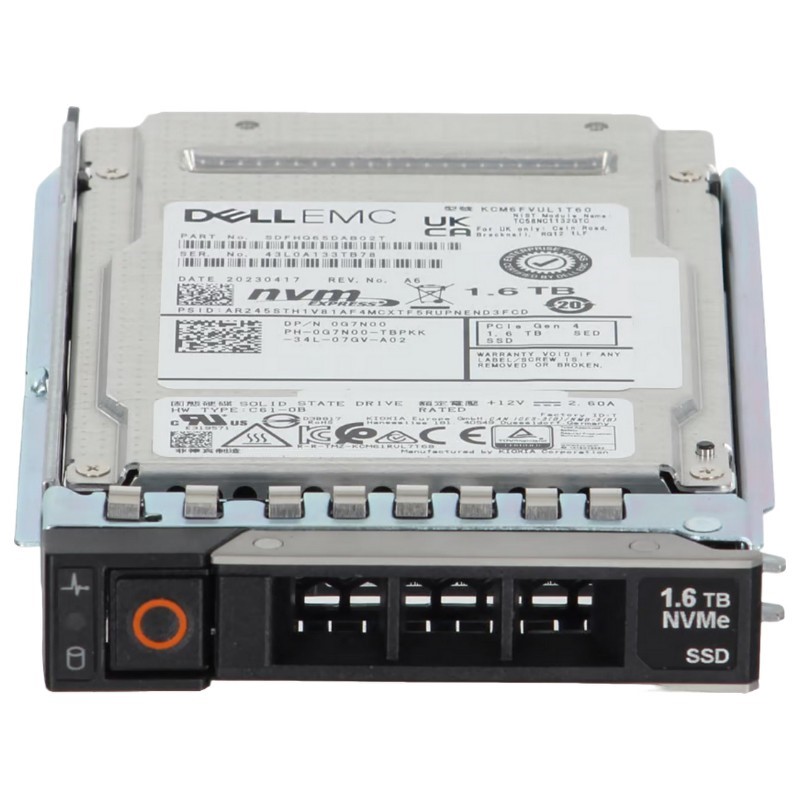


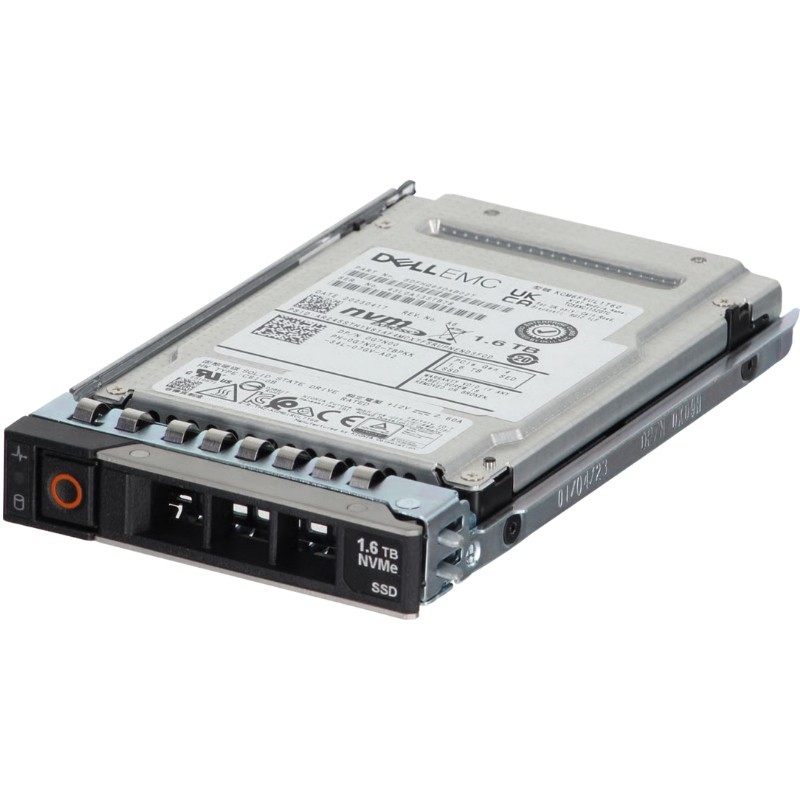
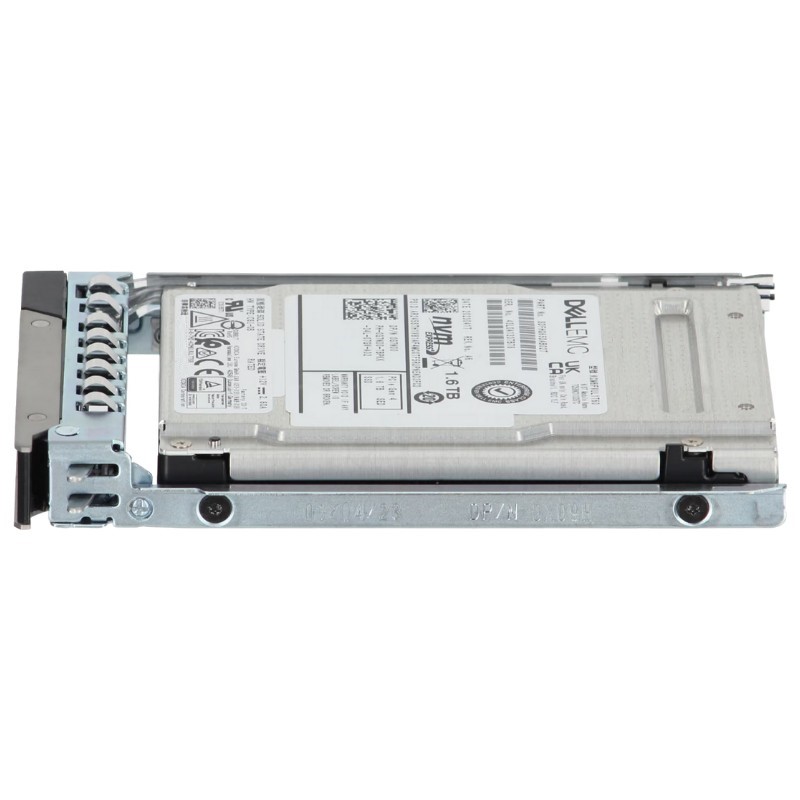
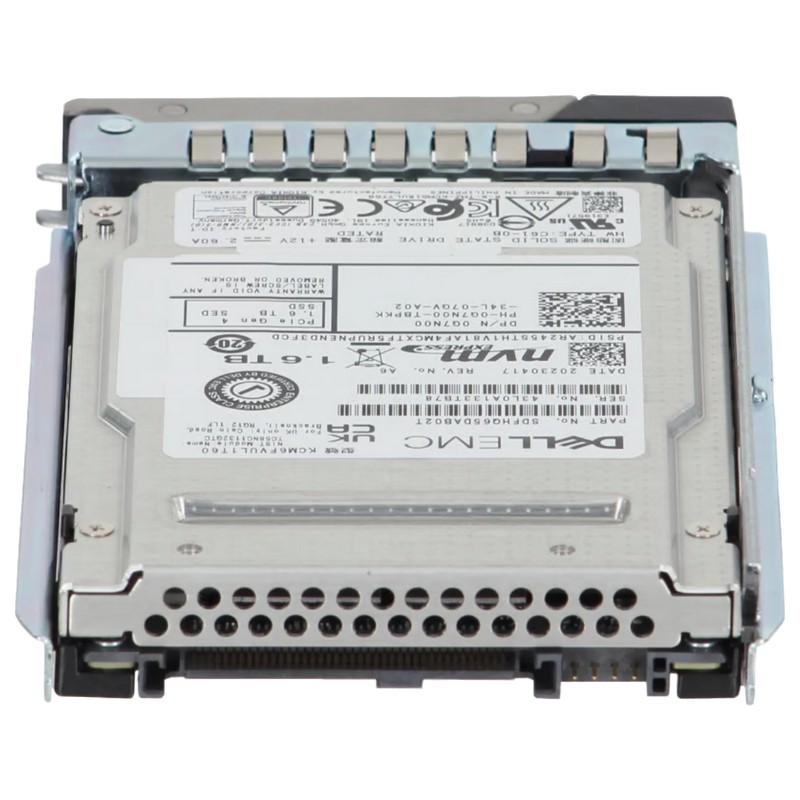
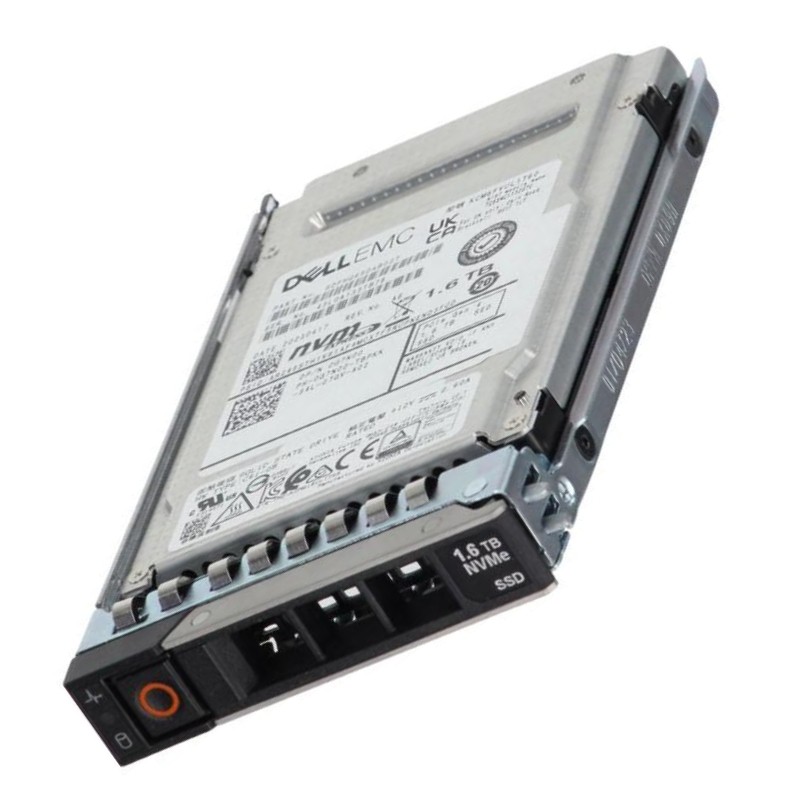
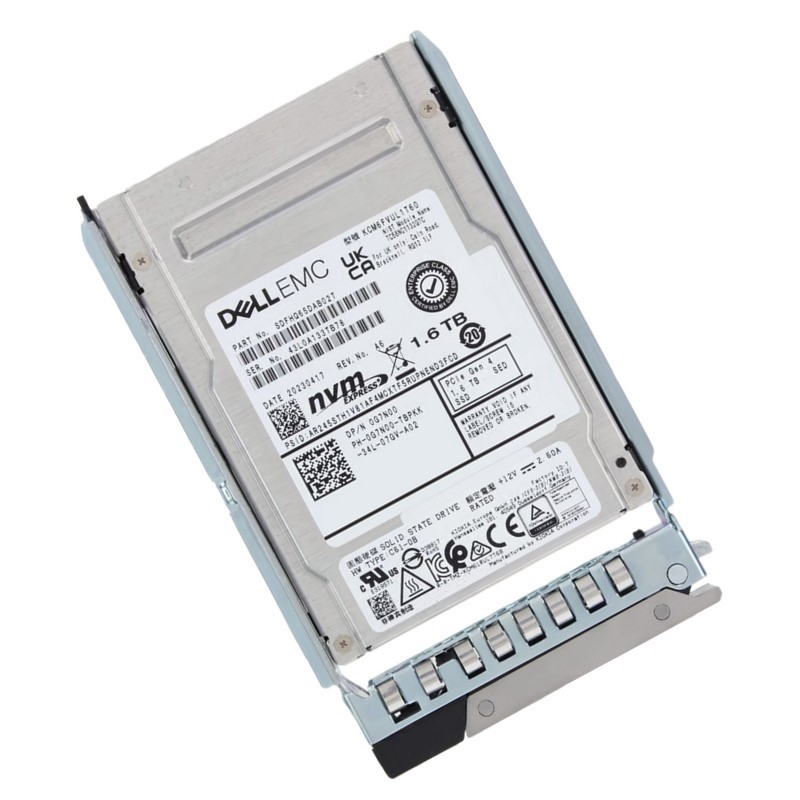
Dell 400-BKFS 1.6TB PCI-E Gen4 X4 NVMe 3D3 Nand TLC SFF U.2 Mixed Use Solid State Drive. Excellent Refurbished with 1 year replacement warranty
Engineered for high-demand server environments, this Mixed Use solid state drive delivers exceptional throughput and reliability for data centers.
Designed For Demanding Enterprise Storage Tiers, The 400-BKFS Dell 1.6TB PCI-E Gen4 X4 NVMe 3D3 Nand TLC SFF U.2 Mixed Use Solid State Drive Combines Accelerated I/O, Proven Reliability, And Streamlined Serviceability. This Category Encompasses Drives Optimized For Balanced Read And Write Patterns, Making Them Suitable For Transactional Databases, Virtualization Clusters, Analytics Pipelines, And High-Throughput Content Platforms. The U.2 SFF Form Factor Enables Hot-Swap Convenience In Dell Poweredge And Powervault Chassis, While The PCIe Gen4 X4 Interface Delivers A Step-Change In Throughput Compared With Prior Generations. Mixed Use Endurance Profiles Provide Confident Write Cycles Without Sacrificing Latency, Helping Administrators Consolidate Workloads And Reduce Rack Footprint.
Enterprises Prioritizing Deterministic Latency, Multiqueue Parallelism, And Data Integrity Will Find This Class Of NVMe SSD An Ideal Foundation For Tier-1 And Tier-1.5 Storage. Integrated End-To-End Protection, Power Loss Protection, And Firmware Tuned For Dell Servers Ensure Data Is Written Safely, Recoverability Is Predictable, And Lifecycle Operations Are Straightforward. Because These Drives Use 3D3 TLC NAND And Controller-Level Enhancements, They Maintain High Write Endurance While Offering Excellent Cost Efficiency Per Gigabyte For Mixed I/O Patterns.
At The Heart Of This Category Is The Alignment Of Interface Bandwidth, NAND Geometry, And Controller Parallelism. PCIe Gen4 X4 Provides Up To Double The Per-Lane Throughput Versus Gen3, Which Means Read-Intensive And Mixed-Use Applications See Significant Performance Gains Even Under Heavy Concurrency. Deep Queues Are Serviced With High Efficiency Due To NVMe’s Native Command Set And Parallel Submission/Completion Queues. Combined With The U.2 Connector, Datacenters Gain A Scalable Path To Dense, Front-Accessible NVMe Without Requiring Custom AIC Slots For Every Drive.
Thermal And Power Design Are Tuned For 2.5-Inch Hot-Swap Carriers, Allowing Predictable Cooling In 1U And 2U Platforms. Data Integrity Features Such As End-To-End CRC, LDPC Error Correction, And Firmware-Level Media Management Defend Against Silent Data Corruption. As A Mixed Use Device, The 400-BKFS Family Provides Sustained Write Performance Across A Wide Spectrum Of Block Sizes, Avoiding The Sharp Write Cliff That Some Read-Optimized Models Exhibit.
The SFF U.2 2.5-Inch Form Factor Balances Density, Thermal Behavior, And Serviceability. Carriers Slide Into Front Bays, Enabling Rapid Replacement And Capacity Scaling With Minimal Downtime. The U.2 Interface Standardizes NVMe Connectivity Over A Familiar 2.5-Inch Envelope, Easing Migration From SAS Or SATA Without Extensive Chassis Modifications. Drive Labels, Dell Part Numbers, And Activity/Fault LEDs Help Technicians Identify Units Quickly In Mixed Environments. The Mounting Hardware Uses Standard Screws Or Tool-Less Trays, Ensuring Consistency Across Generations Of Dell Enclosures.
PCIe Gen4 Doubles The Raw Bandwidth Over Gen3, Unlocking Higher Sequential And Random I/O Headroom. A Gen4 X4 Link Supplies Ample Throughput For Concurrent Database Threads, VM Storage Traffic, And Analytics Queries. Because NVMe Minimizes Abstraction Layers, Command Latency Is Lower Than Legacy Protocols, And Interrupt Coalescing Reduces CPU Overhead. When Deployed In Servers Featuring Gen4 Backplanes And Midplanes, These Drives Operate At Peak Efficiency While Remaining Backward Compatible In Many Gen3 Configurations, Allowing Flexible Rollouts During Hardware Refresh Cycles.
Mixed Use Drives Are Rated For Balanced Read/Write Workloads Such As 70/30 Or 60/40 I/O Splits. This Category Focuses On Sustained Write Durability Measured In Drive Writes Per Day Across The Warranty Term, Providing Predictable Lifespan Under Variable Transactional Loads. Wear Leveling, Over-Provisioning, And Advanced Garbage Collection Maintain Consistent Performance Even As The Drive Ages. The 1.6TB Capacity Point Offers A Sweet Spot For Databases, VDI Pools, And Microservices Storage Where Capacity Granularity And IOPS Density Must Be Balanced.
Choosing The Right SSD Depends On Understanding Dominant I/O Patterns. The 400-BKFS Mixed Use NVMe Category Targets Environments Where Writes Are Significant, But Not So Heavy As To Require Specialized High-Endurance Models. The Following Workloads Typically Benefit Most.
Online Transaction Processing Systems Demand Low Latency, High IOPS, And Predictable Response. With NVMe Queue Parallelism And Gen4 Throughput, This Drive Category Delivers Rapid Commit Times And Fast Index Access. Write-Ahead Logs, Tempdb/Undo Segments, And Small Random Writes Are Handled With Minimal Tail Latency, Helping Applications Maintain Service-Level Objectives During Peak Periods. Database Architects Can Distribute Tablespaces Across Multiple U.2 Bays, Achieving Parallelism Without Complex Cabling.
Hypervisors And Container Hosts Benefit From Mixed Use NVMe Because VM Boot, Swap, And Application Disks Produce A Blend Of Read And Write Activity. By Pooling Multiple 1.6TB Drives In A Software-Defined Storage Layer, Operators Achieve High Aggregate IOPS, Fast Cloning, And Quick Live Migrations. The U.2 Form Factor Also Simplifies Capacity Expansion As Projects Scale, Enabling Additional Drives To Be Added Without Interrupting Service, While Firmware Telemetry Integrates With Server Management Consoles For Proactive Health Monitoring.
Search Engines, Log Analytics, And Columnar Query Platforms Rely On Fast Random Reads And Steady Ingest Writes. The 400-BKFS Category Provides The Deterministic Latency Needed For Query Fan-Out, While Sustained Write Performance Supports Continuous Log Ingestion And Index Rebuilds. Because These Drives Offer Gen4 Bandwidth, Multi-Node Clusters Handle Peak Report Windows Without Saturating The Storage Layer, Enabling More Concurrent Users To Run Dashboards, Drill-Downs, And Aggregations.
VDI Patterns Are Burst-Heavy During Boot Storms, Login Storms, And Patch Windows. Mixed Use NVMe Ensures These Peaks Are Handled Gracefully While Maintaining Reasonable Endurance For The Persistent Profile Disks That Accumulate Writes Over Time. Administrators Can Pair This Category With Snapshot-Aware File Systems To Deliver Rapid Rollbacks, Non-Disruptive Updates, And Efficient Golden Image Distribution.
Performance Depends On Queue Depth, Block Size, And Concurrency. This Category Focuses On Low Tail Latency And Stable Throughput Under Mixed Workloads. Administrators Should Consider CPU Affinity For NVMe Queues, Optimize I/O Schedulers, And Ensure BIOS Settings Favor Performance (Such As Enabling NVMe Option ROMs And Setting Appropriate ASPM Policies Where Supported). Thermal Management Is Important; Front-Bay Airflow Should Match Vendor Guidance To Maintain Sustained Boost Clocks On The SSD Controller.
Small Block Random Reads And Writes Are The Bread And Butter Of Transactional Systems. The 1.6TB Mixed Use NVMe Devices Deliver High IOPS With Minimal Variance Across Queue Depths, Maintaining Predictable Service For Microservices, API Gateways, And Payment Engines. Administrators Can Spread Journals And Metadata Across Separate Drives Or RAID Groups To Further Reduce Contention Under Heavy Writes.
For Backup Restoress, Large File Transfers, And Batch ETL Windows, Sequential Performance Remains Important. PCIe Gen4 X4 Offers Headroom For Fast Streams, Allowing Shorter Maintenance Windows And Quicker Node Recovery After Failovers. Aligning File System Stripes And Using Multi-Threaded Tools Helps Achieve Near-Line-Rate Transfers Without Excessive CPU Usage.
Quality Of Service Matters When Hundreds Or Thousands Of User Transactions Share The Same Storage Pool. These Drives Emphasize Tight Latency Distributions, Not Merely Peak IOPS. Firmware Algorithms Manage Background Tasks Such As Garbage Collection And Wear Leveling To Avoid Interfering With Foreground I/O, Supporting Consistent Millisecond And Sub-Millisecond Response Times Even During Write-Intensive Phases.
Enterprise Deployments Require More Than Speed. The 400-BKFS Category Prioritizes Data Integrity, Protecting Bits From The Moment They Enter The Host Interface To Their Rest In NAND. This End-To-End Approach Lowers The Risk Of Latent Sector Errors, Mis-Directed Writes, And Silent Corruption, Which Is Critical For Regulated Industries And Mission-Critical Applications.
CRC Guarding, Strong LDPC ECC, And Parity Schemes Validate Data Across The Controller, DRAM Buffers, And NAND. If Errors Are Detected, Corrective Actions Ensure Reads Return Accurate Data, While Write Verification Confirms Integrity Before Acknowledgement To The Host. This Architecture Aligns With Enterprise Best Practices For Data Resiliency.
Capacitor-Backed Protection Preserves In-Flight Writes During Unexpected Power Events. Mapping Tables And Metadata Are Flushed To Non-Volatile Storage, Enabling A Clean Recovery On The Next Boot. This Safeguard Reduces Risk Of File System Inconsistency And Accelerates Node Return To Service After An Outage Or PSU Replacement.
When Decommissioning Or Repurposing Drives, Administrators Can Use Cryptographic Erase Or Firmware-Supported Sanitize Commands. These Methods Rapidly Invalidate Data Without Lengthy Overwrites, Supporting Compliance With Data Handling Policies. Integration With Server Management Tools Helps Track Erase Operations For Audit Trails.
Enterprise Firmware Undergoes Rigorous Validation With Dell Platforms, Including Thermal, Power, And Protocol Compliance. Update Tools Allow Staged Rollouts With Minimal Downtime, While Telemetry Surfaces Wear Metrics, Media Error Rates, And SMART Attributes. Consistent Firmware Baselines Across Racks Simplify Incident Response And Capacity Planning.
This Category Is Engineered For Seamless Operation In Dell Servers And Storage Systems. From The Backplane Signaling To Management Interfaces, Each Layer Is Tuned To Provide Predictable Behavior Under Load. Administrators Benefit From Unified Support Channels, Streamlined RMA Processes, And Reference Architectures That Shorten Deployment Timelines.
U.2 Bays Enable Field Technicians To Swap Drives Without Powering Down A Chassis. LED Indicators Show Activity And Fault States, And Carriers Include Identification Labels For Asset Tracking. This Service Model Minimizes Mean Time To Repair And Keeps Clusters Within SLA Even As Components Are Replaced.
Modern Poweredge Systems Provide Native NVMe Backplanes Connecting U.2 Bays To PCIe Switches Or CPU Root Complexes. This Design Avoids Performance Bottlenecks And Preserves Hot-Swap Functionality. For Mixed SAS/NVMe Enclosures, Proper Bay Mapping Ensures Each Drive’s Lane Connectivity Matches Its Protocol, Preventing Misconfiguration.
Drives In This Category Are Qualified Across A Range Of BIOS Releases, Operating Systems, And Hypervisors. Administrators Should Reference Server Support Matrices To Align Firmware And Driver Levels, Especially For NVMe Multipath And Namespaces. This Due Diligence Ensures Predictable Behavior During Kernel Upgrades And Hypervisor Patches.
Effective Storage Architectures Balance Capacity, Performance, And Endurance. The 1.6TB Capacity Point Offers Fine-Grained Scaling For Databases, Logging Layers, And Application Caches. By Deploying Multiple Drives Per Node, Operators Achieve Both Parallelism And Redundancy, While Keeping Hot Data On Fast NVMe And Offloading Cooler Datasets To Lower-Cost Tiers.
Mixed Use NVMe Excels When Provisioned With Headroom For Write Bursts And Growth. Capacity Planning Should Incorporate Projected Daily Write Volumes, Peak Login Storms, And Backup Windows. Thin Provisioning At The File System Or Virtualization Layer Provides Flexibility, But Underlying Physical Endurance Must Match Real-World Write Rates To Avoid Premature Wear.
Many Environments Extend NVMe With SAS SSDs Or High-Capacity HDDs. Hot Data Resides On U.2 NVMe For Low Latency, While Less Active Datasets Are Migrated To Secondary Tiers. Policy-Driven Data Movement Ensures Users Experience Consistent Performance Without Overspending On All-Flash NVMe Across The Entire Estate.
While NVMe Offers High Reliability, Redundancy Remains Essential. RAID10 Delivers Low Latency And Strong Write Performance For Databases, Whereas RAID5/6 Provide Capacity Efficiency For Read-Skewed Workloads. Software-Defined Storage Platforms Can Overlay Replication And Erasure Coding, Balancing Fault Tolerance With Performance Objectives.
Smooth Day-Two Operations Depend On Consistent Procedures Around Monitoring, Patching, And Capacity Expansion. The 400-BKFS Category Aligns With Enterprise ITIL Flows, Enabling Standardized Checklists And Runbooks For Storage Nodes.
Standardizing On Approved Firmware Revisions Simplifies Troubleshooting. Before Rolling Out Updates, Lab Validation With Representative Workloads Helps Confirm Stability. Documented Rollback Plans And Maintenance Windows Ensure Production Nodes Return To Service Predictably, And Staggered Deployment Reduces Blast Radius If Issues Arise.
Modern File Systems Such As XFS, Ext4 (With Proper Options), And ZFS Can Fully Exploit NVMe Parallelism. Aligning Block Sizes With Application I/O Patterns Minimizes Write Amplification. Disabling Unnecessary Barriers When Using Power Loss Protection, Enabling TRIM/Discard Policies Where Appropriate, And Tuning I/O Schedulers Contribute To A Consistent, Low-Latency Experience.
Although Mixed Use Drives Tolerate Writes Well, Reducing Unnecessary Writes Extends Lifespan. Application-Level Compression, Database Page Checksums, And Log Compaction Decrease Physical Program/Erase Activity. Aligning Backup Policies To Avoid Re-Writing Entire Datasets Every Cycle Keeps Wear Within Planned Budgets.
Combining NVMe Storage With Role-Based Access, Immutable Logs, And Audit Trails Helps Demonstrate Compliance. Operational Processes Covering Provisioning, Decommissioning, And Incident Response Should Reference Storage Security Controls To Maintain Consistency Across Teams.
When Retiring Drives, Cryptographic Erase And Certified Sanitize Commands Provide Rapid, Verifiable Data Destruction. Asset Tags And Chain-Of-Custody Documentation Ensure Devices Are Tracked From Rack To Recycling, Supporting Environmental And Privacy Obligations.
Gen4 NVMe Delivers High IOPS Per Watt, Particularly Under Parallel Loads. Intelligent Power States Balance Responsiveness With Energy Savings During Off-Peak Hours. Over Time, These Gains Accumulate Into Meaningful Reductions In Data Center Operating Expenses While Maintaining Application SLAs.
Many Enterprise Applications License Per Core Or Per Socket. By Accelerating I/O, Fewer Hosts May Be Needed To Achieve Target Throughputs, Lowering License Counts. Storage Acceleration Often Unlocks Latent CPU Headroom, Resulting In Better Utilization Of Existing Compute Investments.
Within A Broader NVMe Lineup, Mixed Use 1.6TB U.2 SFF Drives Occupy The Middle Ground Between Read-Intensive Models And High-Endurance Write-Intensive Units. They Offer Strong Write Tolerance Without The Premium Price Of Specialized DWPD-Heavy Devices. For Teams Running Databases, VDI, And Microservices Together, This Balance Simplifies Procurement And Spares Management.
Pick Mixed Use If Your Workloads Include Frequent Small Writes, Daily ETL Jobs, Or Persistent Logging. Read-Intensive Drives May Excel For Static Content Libraries Or Archival Search Indexes, But Can Experience Performance Variability Under Heavier Write Traffic. Mixed Use Models Preserve Stability Across A Broader Spectrum Of Patterns.
If Your Environment Runs Constant High-Write Streams—For Example, High-Frequency Trading Journals, Intensive OLTP With Heavy Update Rates, Or Continuous Video Transcoding Caches—A Write-Optimized Model May Be Warranted. However, Many Enterprise Applications Fit Comfortably Within The Mixed Use Envelope, Especially With Sensible Data Reduction And Tiering.
Successful Deployments Often Follow Patterns That Balance Redundancy, Performance, And Manageability. The Following Approaches Have Proven Effective Across Enterprise And Service Provider Contexts.
Each Node Houses Several 1.6TB U.2 Drives, Providing A Pool Of High-Performance Storage Close To Compute. Replication Across Nodes Ensures Fault Tolerance, While Locality Delivers Low Latency For Latency-Sensitive Services. This Model Fits Kubernetes, Hyperconverged Infrastructure, And Modern Analytics Frameworks.
Combine NVMe For Hot Data With SAS SSD Or HDD For Warm And Cold Data. Policy Engines Move Blocks Based On Access Frequency, Keeping User Experience Consistent While Optimizing Cost. The U.2 Form Factor Makes It Easy To Expand The Fast Tier Without Reworking Chassis Internals.
Allocate Separate Drives Or Namespaces For Logs, Temp Files, And Data. This Segmentation Reduces Interference And Improves Predictability. RAID10 Across Pairs Preserves Write Performance And Simplifies Recovery, While Regular Snapshots And Replication Provide Additional Resilience.
Modern Datacenters Prioritize Efficiency And Responsible End-Of-Life Practices. The 400-BKFS U.2 NVMe Category Supports These Objectives Through Reduced Power Draw Compared With Spinning Media And Through Features That Extend Useful Life, Such As Strong Endurance And Intelligent Wear Management. Proper Recycling Procedures Recover Materials While Protecting Data Through Certified Sanitization.
Leverage Power States During Low Traffic Periods, Consolidate Underutilized Nodes, And Use Telemetry To Identify Imbalanced Clusters. Even Small Savings Per Drive Scale Significantly Across Racks And Data Halls, Contributing To Corporate Sustainability Metrics.
Non-Volatile Memory Express Is A Protocol Optimized For Solid-State Media, Offering Parallel Command Queues And Low Software Overhead.
The Physical Interface Carrying NVMe Commands; Gen4 Doubles Bandwidth Over Gen3, And X4 Indicates Four Lanes Of Connectivity.
A 2.5-Inch Small Form Factor With A Front-Accessible Connector For Hot-Swap NVMe Drives.
Triple-Level Cell Flash Built With Three-Dimensional Stacking Techniques, Delivering High Density And Balanced Endurance For Enterprise Mixed Workloads.
An Endurance And Performance Category Targeting Balanced Read/Write Workloads Rather Than Purely Read-Heavy Or Write-Heavy Patterns.


 Contact Us
 Information
 Catalog
 Solid State Drives (SSD)
 Network Switches
 Hard Disk Drives
 HBA & Controllers
 PC & Servers
 PC & Server Memory
 CPU & Processors
 Network Routers
 Power Supplies
 Tape Drives & Libraries
 Network Devices
 Computer & Network Cables