(7% discount is applied at checkout)
Cart is empty
Your go-to destination for cutting-edge server products
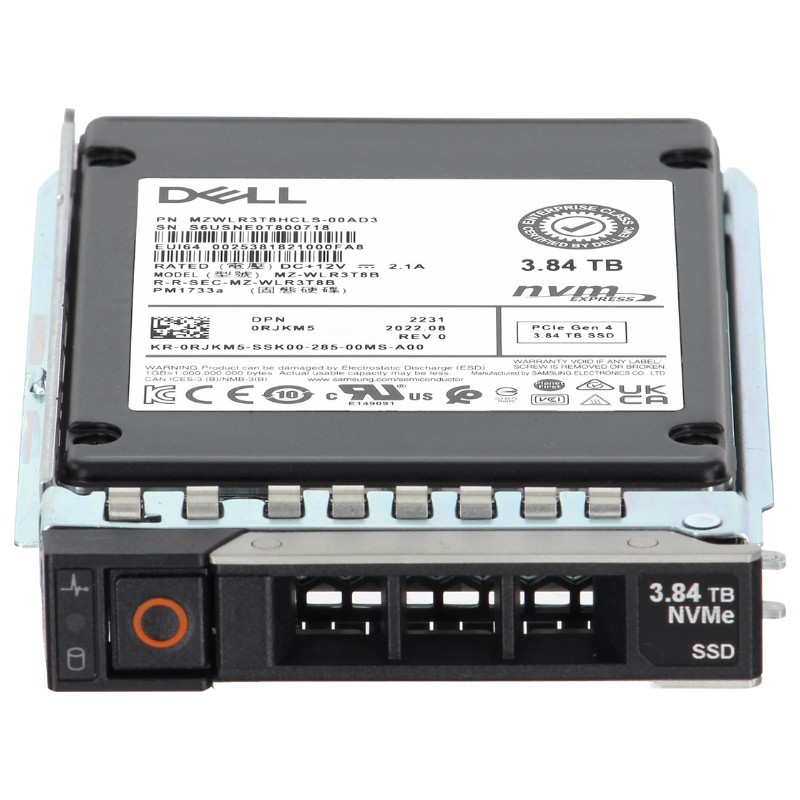


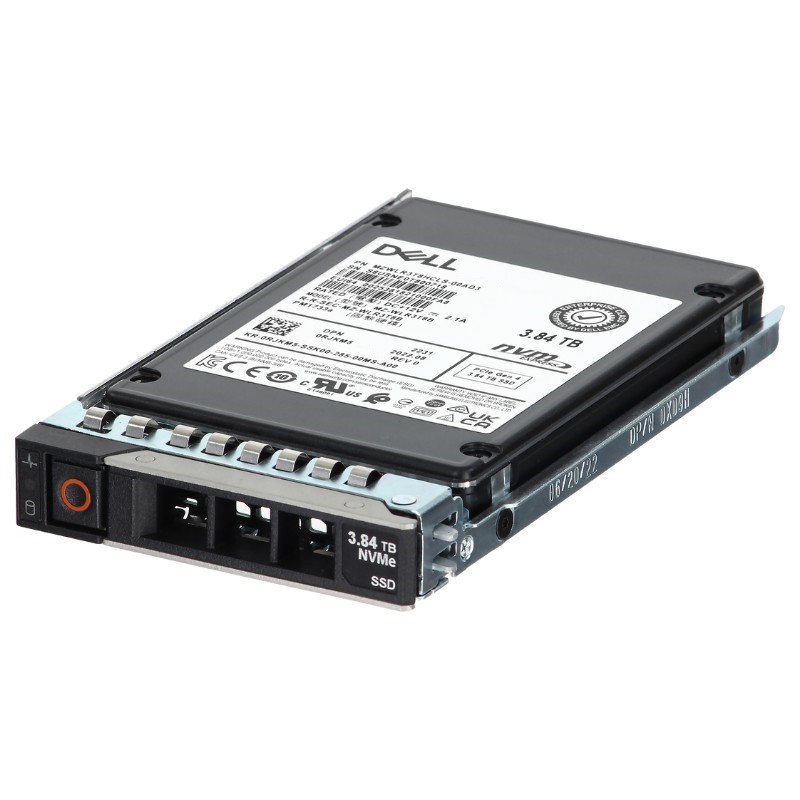
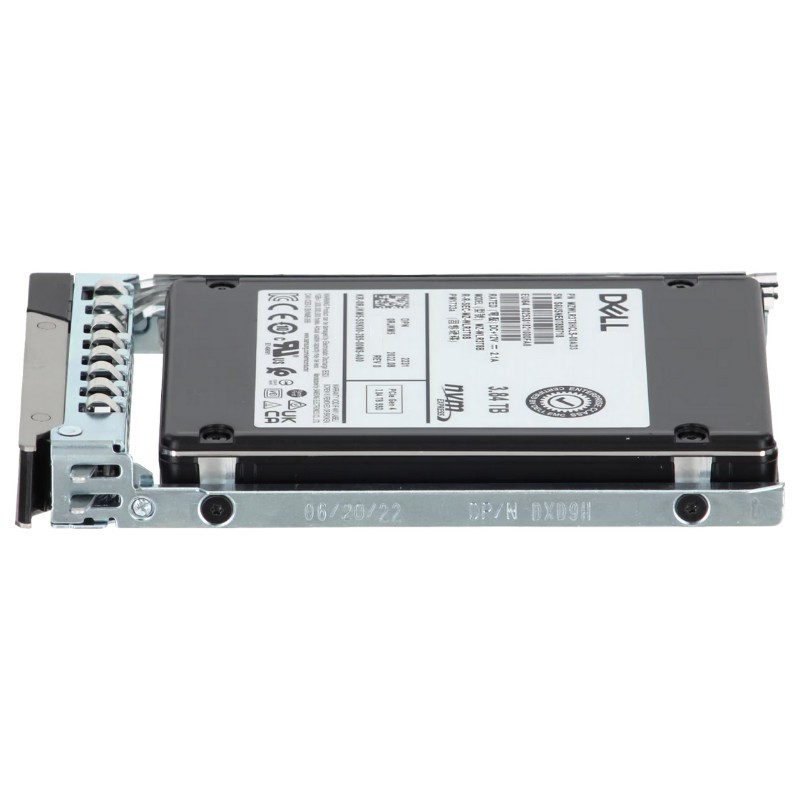
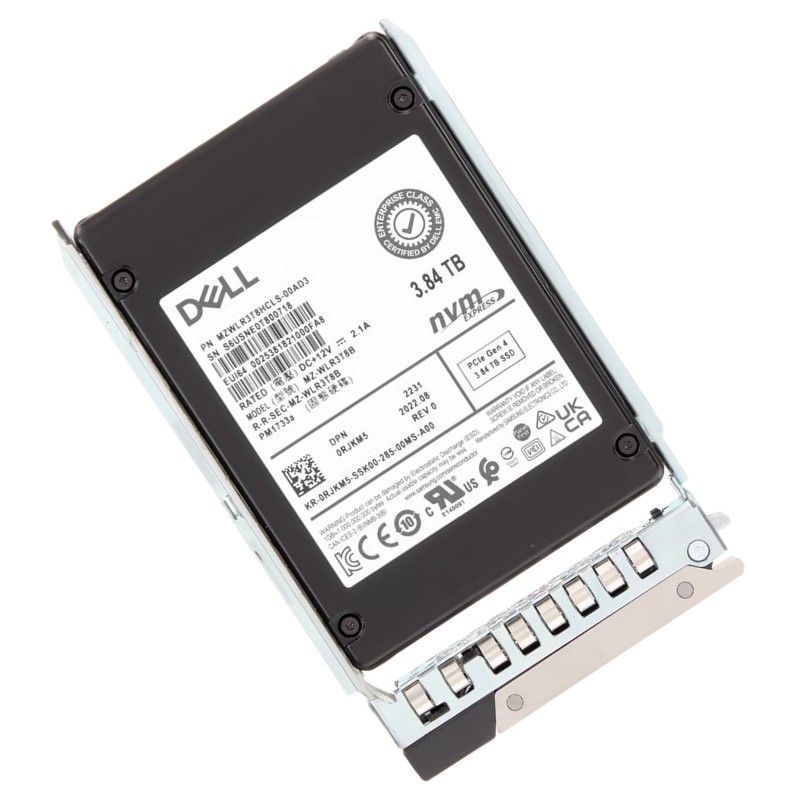
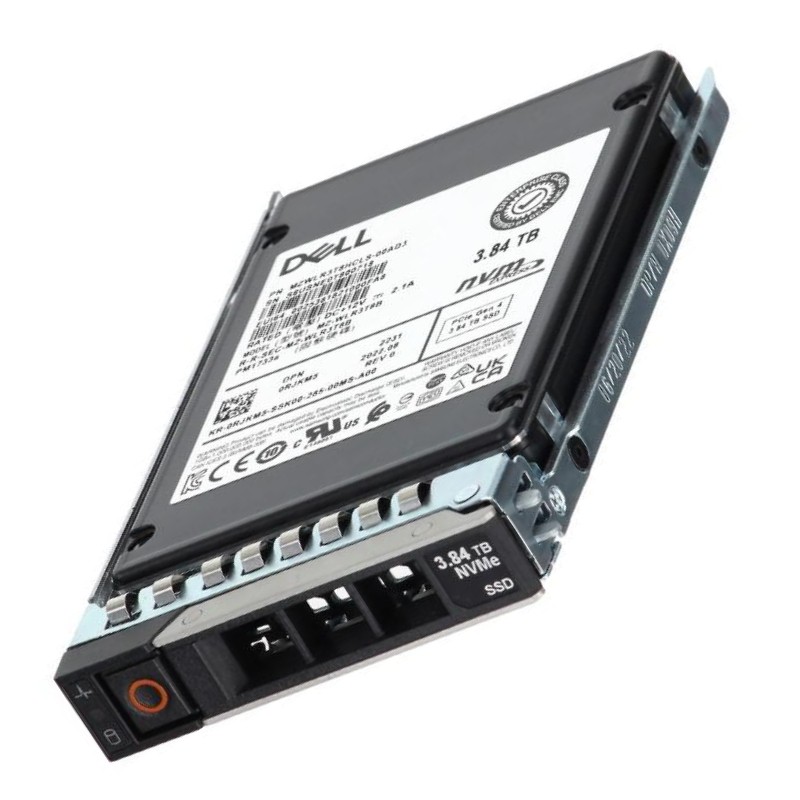
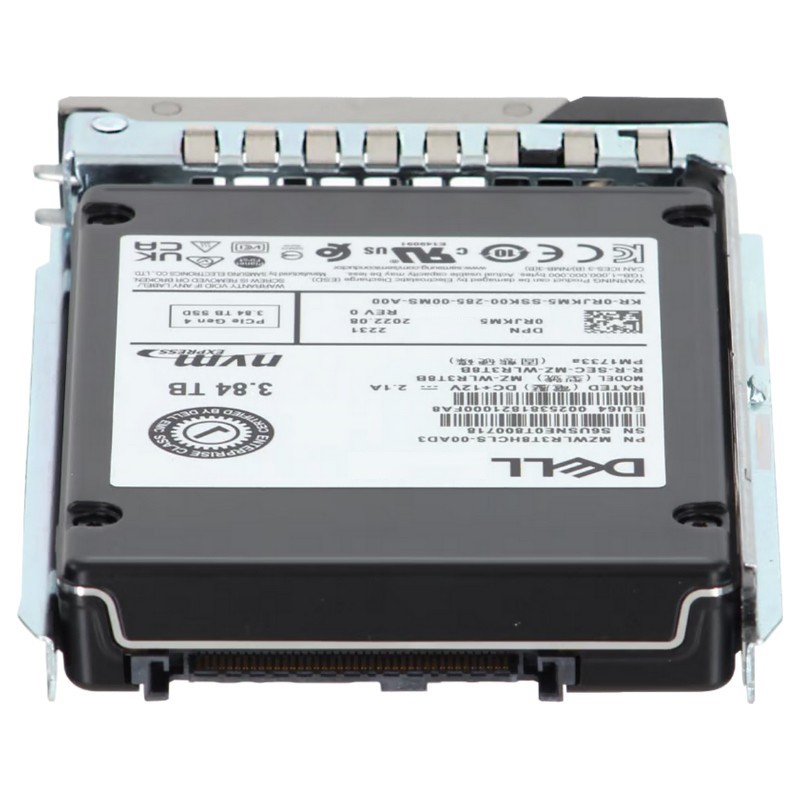
Dell 400-BMTN 3.84TB PCI-E Gen4 NVMe U.2 SFF Read Intensive 1DWPD TLC 3D Nand Solid State Drive. New Sealed in Box (NIB) with 1 year Warranty
This high-performance solid state drive is engineered for demanding server environments, offering exceptional reliability and speed.
Designed For Modern Data Centers And High-Performance Enterprise Servers, The 400-BMTN Series Represents A Balance Of Capacity, Endurance, And Cost Efficiency. Engineered Around PCIe Gen4 NVMe Protocols And Packaged In A U.2 Small Form Factor (SFF), These Solid State Drives Offer A High-Density, Low-Latency Storage Option For Applications That Demand Reliable Read-Heavy Performance. Built Using 3D NAND TLC Memory And Tuned For 1 Drive Write Per Day (1DWPD) Endurance, The Drives Target Use Cases Where Read Throughput, Consistent I/O, And Predictable Latency Matter Most.
The 400-BMTN Dell 3.84TB Drive Utilizes PCIe Gen4 x4 With NVMe 1.x/1.y Command Sets To Deliver Substantial Improvements In Bandwidth Over PCIe Gen3. The U.2 Connector Supports Hot-Swap Capability In Many Server Platforms, Making These Drives Suitable For Rack-Mounted And Blade Systems Where Serviceability And Density Are Important. The 3.84TB Raw Capacity Provides A Practical Balance Between Usable Storage And Cost Per Terabyte For Read-Intensive Workloads.
Pci-E Gen4 Doubles The Theoretical Per-Lane Throughput Compared To Gen3, Which Translates Into Higher Sequential Read/Write Rates And Better Parallelism For Random I/O. For Applications That Leverage Multiple Concurrent Threads — Such As Virtualization, Caching Layers, And Content Delivery — The Bandwidth Headroom Of Gen4 Allows Systems To Avoid Bottlenecking At The Storage Interface.
The NVMe Protocol Is Specifically Designed For Flash Media, Minimizing Command Overhead And Maximizing I/O Parallelism. By Utilizing Multiple Submission And Completion Queues, The 400-BMTN Drive Can Serve Many Simultaneous I/O Streams With Lower CPU Utilization Than Legacy Protocols. This Results In Better Overall System Efficiency And More Deterministic Latency Profiles Under Load.
Although Exact Performance Figures Depend On The Server Platform, Firmware Version, And Workload Pattern, Drives In This Class Typically Deliver High Sequential Read Speeds, Strong Random Read IOPS, And Moderate Random Write Capability — Optimized For Read-Intensive Environments. For Content Delivery, Database Read Replicas, And Boot/Tiering Scenarios, The 400-BMTN’s Read-Optimized Firmware Ensures That Frequently Accessed Data Is Served Fast And Consistently.
Sequential Reads On PCIe Gen4 Devices Exhibit Significantly Higher Throughput Compared To Older Generations, Enabling Faster File Transfers And Rapid Bulk Read Operations. Random Read IOPS Remain One Of The Most Important Metrics For Application Responsiveness; The 400-BMTN Architecture Emphasizes Low Latency And High Random Read IOPS To Support Database Queries, Index Lookups, And Virtual Machine Boot Storms.
Latency Characteristics Are Tuned For Consistency — Not Just Peak Speed. Enterprise Deployments Often Value Predictable Tail Latency (e.g., 99.9th Percentile) More Than Occasional Bursts Of High Throughput. The Drive Firmware And Over-Provisioning Strategies Are Designed To Maintain Stable Response Times During Sustained Read Workloads.
The 1DWPD Rating Is A Practical Endurance Target For Drives Intended For Read-Dominant Use Cases Where Writes Occur Primarily During Updates, Snapshots, Or Cache Evictions. Coupled With TLC 3D NAND, This Endurance Level Delivers A Cost-Effective Solution For Large-Capacity Storage Deployments. Dell’s Quality Controls, Combined With Enterprise-Grade Firmware, Provide Robust Error Detection, Correction, And Recovery Mechanisms Which Are Vital For Long-Term Data Integrity.
Triple-Level Cell (TLC) 3D NAND Provides A Strong Capacity Versus Cost Ratio, Packing More Bits Per Die Than SLC Or MLC Alternatives. While TLC Traditionally Exhibits Lower Endurance Than MLC Or SLC, Modern 3D NAND Architectures And Advanced Controller Algorithms Compensate Through Wear-Leveling, Efficient Error Correction Codes (ECC), And Background Management Functions Such As Block Retirement And Bad-Block Management.
Enterprise SSDs Like The 400-BMTN Often Implement End-to-End Data Path Protection, Power-Loss Protection (Where Implemented In The Product Line), And Advanced ECC. These Protections Reduce The Risk Of Data Corruption Caused By Sudden Power Events Or Media Errors. In Addition, SMART Telemetry And Diagnostic Logs Enable Proactive Monitoring And Integration With Server Management Tools For Predictive Failure Analysis.
The U.2 SFF Factor Makes These Drives Compatible With A Wide Range Of Server Chassis And Backplanes Designed For 2.5-Inch Enterprise Drives. U.2’s Hot-Swap Capability Allows Administrators To Replace Drives Without System Shutdowns On Supported Platforms, Minimizing Downtime For Critical Applications. Because The Drives Use Standard Connectors And Power Interfaces, They Integrate Seamlessly Into Existing Dell PowerEdge Configurations And Many Third-Party Servers That Support U.2.
Integration With Dell’s Hardware Ecosystem Includes Support For Firmware Management Through Server Tools, Compatibility Listings In Firmware HCLs (Hardware Compatibility Lists), And Validation Across Typical Server SKUs. Administrators Should Verify Backplane And BIOS Support For PCIe Gen4 U.2 NVMe Drives, Especially In Mixed-Generation Server Fleets.
Because U.2 Drives Occupy A 2.5-Inch Bay, They Offer High Rack Density When Deployed In 1U, 2U, And 4U Storage-Optimized Chassis. The 3.84TB Capacity Is Useful For Both Hot-Tier Storage Pools And For Read-Optimized Caching Layers That Support Larger HDD-Based Backing Stores. When Planning Capacity, It Is Important To Consider RAID/Erasure Coding Overhead If Applicable, As Well As Spare And Over-Provisioned Space Used By The Drive Firmware.
These Drives Are Tailored For Read-Intensive Workloads Where High Read Throughput, Low Latency, And Predictable Performance Are Critical. Typical Use Cases Include Content Delivery Networks (CDNs), Web Servers, Search Indexes, Virtual Desktop Infrastructure (VDI) Read Pools, Data Lake Hot Layers, Boot Volumes, And Database Read Replicas. They Are Also Well Suited For Caching Layers That Accelerate Slower Backing Stores.
For Services That Must Serve Large Numbers Of Small, Read-Heavy Requests — For Example, Serving Media Thumbnails, Static Web Assets, Or API Responses — The 400-BMTN Drive Can Improve Response Times And Reduce Backend Load By Offloading Reads From Spinning Media Or Remote Storage.
In Virtualization Hosts Where Many Virtual Machines Boot Simultaneously Or Access The Same Read-Heavy Data Sets, Read-Optimized NVMe Drives Lower Boot Storm Impact And Improve VM Responsiveness. Using The 400-BMTN For Shared Read-Only Images Or Persistent Boot Volumes Can Result In Noticeable Operational Improvements.
Keeping Drive Firmware Up To Date Is Crucial For Performance And Reliability. Firmware Upgrades Can Include Fixes For Edge Case Workload Patterns, Improvements To Garbage Collection Algorithms, And Enhancements To Error Handling. Use Vendor-Supplied Tools To Stage And Deploy Firmware Across Server Fleets To Avoid Service Interruptions.
Proactive Replacement Strategies Reduce The Risk Of Unplanned Downtime. Monitoring Tools That Alert On Deviations In SMART Metrics Or That Predict Imminent Failure Allow Data Center Teams To Replace Drives During Scheduled Maintenance Windows Rather Than Reactively After A Failure.
Enterprise Drives Often Support Self-Encrypting Drive (SED) Capabilities — Either Through Hardware-Based Encryption Or Vendor-Specific Implementations. When Enabled, On-Drive Encryption Protects Data At Rest And Helps Meet Regulatory Requirements For Data Privacy And Compliance. It Is Important To Validate Which Encryption Standards Are Implemented (For Example, Tcg Opal) And To Ensure Proper Key Management Practices Are In Place.
Self-Encrypting Drives Remove The Burden Of Software-Based Encryption Overhead By Performing Encryption Internally. This Approach Preserves Drive Performance While Securing Sensitive Information. Administrators Should Ensure Proper Key Escrow And Recovery Procedures Are Documented To Avoid Data Loss In Cases Of Host Failure.
When Drives Reach End Of Life Or Need To Be Redeployed, Use Secure Erase Procedures That Comply With Organizational Policies And Regulatory Requirements. Effective Drive Sanitization Practices Are Essential For Preventing Data Leakage During Disposal Or Reuse.
The 400-BMTN 3.84TB Drives Provide A Competitive Cost-Per-Terabyte For Read-Focused Applications, Especially Compared To Higher-Endurance Or Higher-Performance Drive Classes. When Calculating TCO, Consider Not Only The Purchase Price But Also Power Consumption, Cooling Requirements, Expected Lifetime, And The Operational Costs Of Replacement And Management. Read-Optimized Drives Can Reduce TCO By Delivering Adequate Performance Without The Premium Associated With Write-Intensive Enterprise SSDs.
NVMe Drives Tend To Deliver Better Performance-Per-Watt Than Spinning Disks For Random Read Workloads. When Aggregated Across A Rack Or Pod, The Power Savings And Reduced Cooling Needs Can Become Significant. Use Measured Power Figures For Precise TCO Models, And Factor In The Impact Of Drive Density On Cooling And Airflow Design.
Right-Sizing Storage Pools Minimizes Wasted Capacity And Ensures That The Most Cost-Effective Drive Class Is Used For Each Tier Of Data. Over-Provisioning At The Drive Level Improves Performance And Endurance But Reduces Usable Capacity; Therefore, It Must Be Considered In Procurement And Capacity Planning Exercises.
When Evaluating The 400-BMTN Against Alternatives, Consider Tradeoffs Such As Endurance, Cost, And Raw Performance. Higher-Endurance Drives With Greater DWPD Ratings Are Better Suited For Heavy Write Workloads, While Consumer NVMe Or QLC-Based Parts May Offer Lower Cost But Reduced Endurance And Different Performance Characteristics. The 1DWPD TLC 3D NAND Mix Strikes A Middle Ground For Many Enterprise Read-Intensive Scenarios.
Compared To QLC (Quad-Level Cell) Drives, TLC Parts Typically Offer Higher Endurance And Better Sustained Performance Characteristics, Especially Under Random Write Pressure. QLC’s Advantage Is Lower Cost Per Terabyte, But It Often Requires More Aggressive Over-Provisioning Or Caching Strategies To Achieve Acceptable Performance For Enterprise Use Cases.
U.2 Provides Hot-Swap Capability And Standard 2.5-Inch Form Factor Compatibility With Many Server Backplanes, While M.2 Offers A Lower-Profile, Non-Hot-Swap Option Best Suited For Embedded Or Single-Server Deployments. Emerging Form Factors Like EDSFF Target Ultra-High Density Cloud Deployments; Choosing Between Them Depends On Server Design, Serviceability Requirements, And Density Objectives.
When Deploying 400-BMTN Drives At Scale, Follow Best Practices For Firmware Consistency, Temperature Monitoring, And Backplane Compatibility. Use Monitoring Tools To Track Wear, Ensure Appropriate Over-Provisioning, And Avoid Mixed-Firmware Or Mixed-Model Deployment Patterns Within The Same RAID Or Erasure Coding Group To Reduce The Risk Of Performance Variation.
Before A Full Rollout, Conduct A Pilot Program That Mirrors Production Workloads As Closely As Possible. Testing Helps Identify Any Unanticipated Performance Patterns, Compatibility Issues With Specific Server Hardware, Or Firmware-Related Edge Cases That Could Impact Large-Scale Deployments.
Operating Temperature, Shock, And Vibration Tolerances Are Important For Data Center Reliability. Install Drives In Chassis That Provide Adequate Cooling And Airflow, And Follow Vendor Temperature Guidelines To Avoid Thermal Throttling Or Accelerated Wear. Rack-Level Airflow Design Influences Drive Temperature Profiles, So Coordinate Storage Drivers’ Placement With The Overall Data Center Cooling Strategy.
High-Performance NVMe Drives Can Exhibit Thermal Throttling Under Sustained Loads If Not Adequately Cooled. Ensure That Drive Bays Provide Proper Heat Dissipation Paths, And Consider Using Drive Heatsinks Or Server Cooling Profiles That Prevent Prolonged Elevated Temperatures.
When Drive-Level Physical Security Is Required, Use Chassis Or Bay-Locking Mechanisms As Well As Encryption To Prevent Unauthorized Access. Document Access Controls And Audit Trails For Any Drive Removal Or Replacement Events.


 Contact Us
 Information
 Catalog
 Solid State Drives (SSD)
 Network Switches
 Hard Disk Drives
 HBA & Controllers
 PC & Servers
 PC & Server Memory
 CPU & Processors
 Network Routers
 Power Supplies
 Tape Drives & Libraries
 Network Devices
 Computer & Network Cables