(7% discount is applied at checkout)
Cart is empty
Your go-to destination for cutting-edge server products
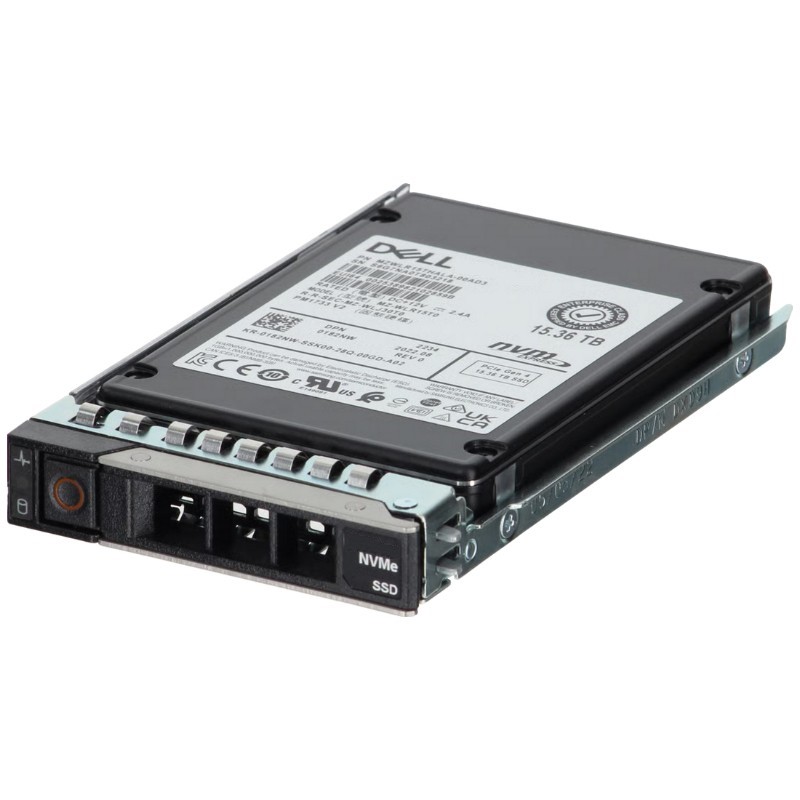


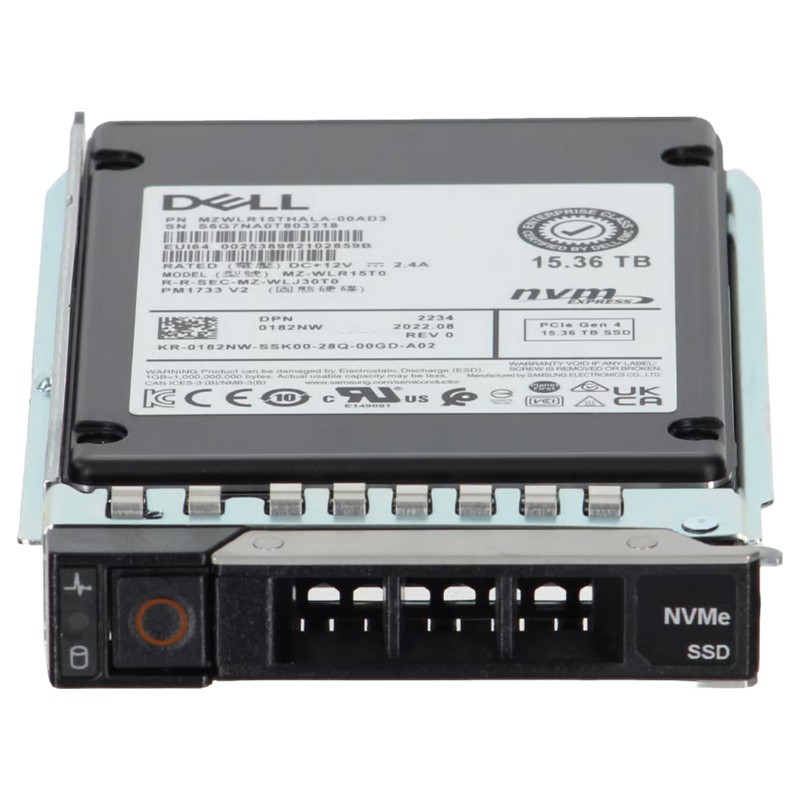
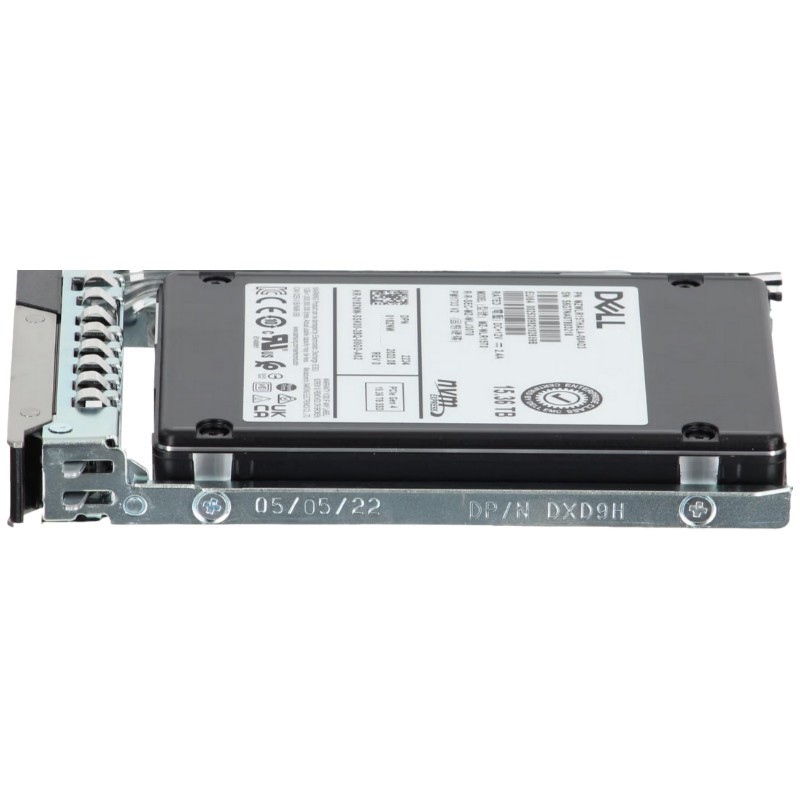
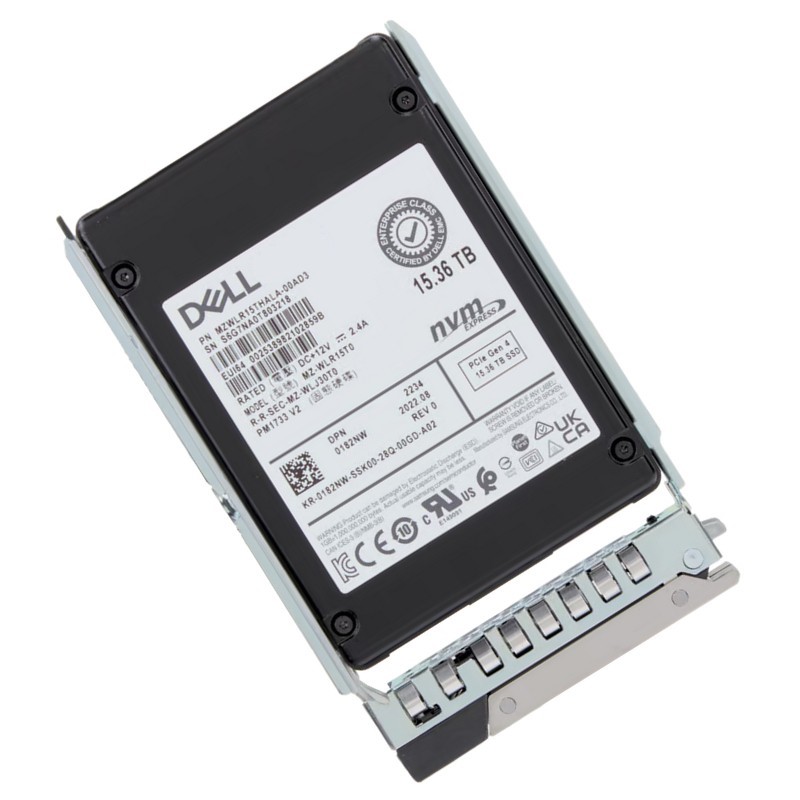
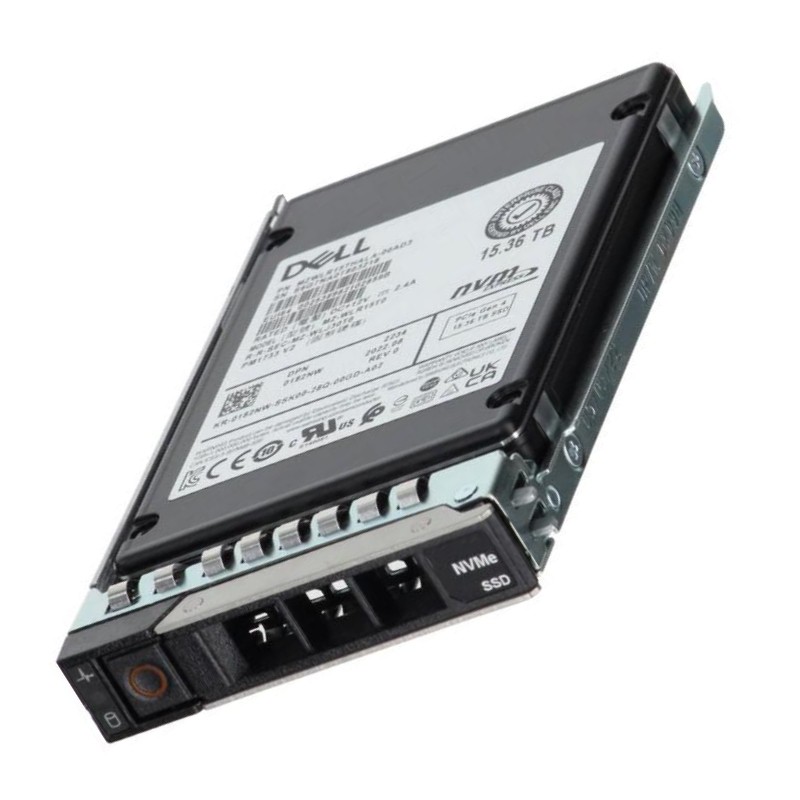
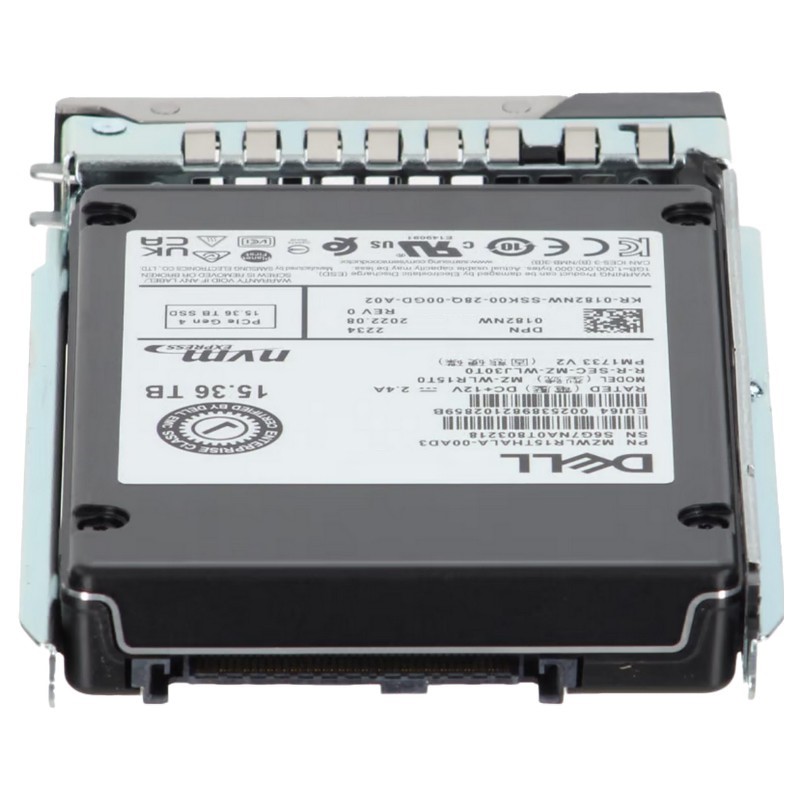
Dell 400-BMVD 15.36TB PCI-E Gen4 NVMe 3D TLC Nand U.2 Read Intensive 1DWPD SFF Enterprise Solid State Drive. New Sealed in Box (NIB) with 1 year Warranty
This high-capacity solid-state drive is engineered for data center and server applications, delivering exceptional performance and reliability for read-centric workloads.
Designed For Modern Data Centers And Enterprise Deployments, The 400-BMVD Dell 15.36TB PCI-E Gen4 NVMe Drive Represents A High-Capacity, High-Efficiency Class Of U.2 Small Form Factor (SFF) Solid State Drives Intended Specifically For Read-Intensive Workloads. This Category Encompasses Drives Built On PCI-Express Gen4 x4 NVMe Interfaces, Employing 3D TLC NAND Flash Memory, And Offering A Balance Between Capacity, Endurance, And Cost Efficiency That Is Ideal For Large-Scale Storage Tiers, Content Delivery, Caching Layers, And Read-Dominant Enterprise Applications.
The 400-BMVD Series Is Characterized By High Storage Density In A 2.5-Inch U.2 Form-Factor, Delivering 15.36TB Raw Capacity In A Compact SFF Package. Leveraging PCI-E Gen4 NVMe Protocols, These Drives Offer Significantly Higher Bandwidth And Lower Latencies Compared To Legacy SATA Or SAS Solutions, While The 3D TLC NAND Provides A Favorable Cost-to-Capacity Ratio With Sufficient Read Endurance For Typical Read-Intensive Use Cases. The 1DWPD Endurance Rating Indicates That These Drives Are Optimized For Predominantly Read Workloads While Still Providing Predictable Write Endurance And Robust Drive Management Features.
The PCI-E Gen4 x4 NVMe Interface Enables Higher Sequential And Random Throughput, Which Benefits Applications Such As Database Query Serving, Content Delivery Networks, Boot Volumes, Virtual Desktop Infrastructure (VDI) Read Operations, And Large-Scale Caching. Performance Metrics Typically Highlight Higher Sequential Read/Write Bandwidth And Dramatically Improved IOPS For Random Reads Versus Older Interface Generations. These Capabilities Allow System Architects To Reduce Application Latency, Improve User Experience, And Consolidate Storage Footprints Without Sacrificing Responsiveness.
With A 1DWPD Endurance Rating, The 400-BMVD Drives Are Engineered To Deliver Reliable Service Over Typical Enterprise Lifecycle Scenarios In Read-Dominant Environments. Expected Enterprise Features Include Power-Loss Protection, End-To-End Data Path Protection, Background Media Management, And Robust ECC Handling. The 3D TLC NAND Paired With Advanced Firmware Strategies And Overprovisioning Helps Ensure Stable Performance Over Time, While SMART Telemetry And Drive Health Reporting Provide Administrators With Proactive Insights Into Device Status, Wear, And Potential Failures.
Enterprises Can Deploy 400-BMVD Drives Across Multiple Tiers Of The Data Center Storage Stack. Their Capacity And Read-Optimized Profiles Make Them Particularly Suited For:
When Applications Are Predominantly Read-Oriented—Such As Web Hosting, Media Streaming, And Content Delivery—These Drives Offer The Combination Of High Capacity And Low Latency Required To Store Large Data Sets While Delivering Fast Read Access. They Allow Infrastructure Teams To Place Frequently Accessed Content Closer To Compute, Reducing Network Hops And Improving Delivery Times.
As A Cache Layer In Front Of Higher-Latency Capacity Stores, 400-BMVD Drives Can Reduce Read Latency For Hot Data, Decrease Load On Backing Storage, And Improve Application Response. Their High Capacity Enables Caching Of Larger Working Sets, Which Is Especially Beneficial For Analytics, Search Indexes, And Large-Scale Distributed Applications.
Virtual Machine Boot Storms And Read-Centric Operations In VDI Deployments Benefit From The High Random Read IOPS And Low Latency Of NVMe Drives. The 15.36TB Capacity Allows For Consolidating Many Virtual Machines Within Single Nodes Or Storage Pools, Simplifying Management And Reducing Total Cost Of Ownership When Designed Appropriately.
Integration Of 400-BMVD Drives Requires Attention To Host Platform NVMe Support, PCI-E Gen4 Availability, And Cooling/Power Constraints Within Server Chassis. While Backward Compatibility With Gen3 Is Often Supported, Achieving Peak Performance Demands Gen4 Capable Motherboards, Host Controllers, And Adapters. The U.2 Form Factor Eases Hot-Swap Serviceability And Fits Standard Enterprise Drive Bays, Making Replacement And Expansion Straightforward For Rack-Scale Deployments.
SFF NVMe Drives Can Generate Significant Thermal Output Under Sustained Workloads. Enterprise Deployments Should Ensure Adequate Airflow, Heatsinking, And Thermal Monitoring To Prevent Throttling And Maintain Performance. Typical Drive Firmware Implements Dynamic Thermal Throttling, Power States (PS0–PSn), And Advanced Power Management Features To Balance Performance Against Energy Consumption—Critical For Large Racks Where Power Density Is A Key Concern.
Firmware Plays A Central Role In Drive Stability, Performance Consistency, And Feature Set. Dell Enterprise Drives Commonly Include Vendor-Optimized Firmware Supporting NVMe Namespace Management, Secure Erase, And Device Encryption Options. Administrators Should Verify Compatibility With Existing RAID/Software-Defined Storage Solutions, Hypervisors, And Backup Strategies Before Large-Scale Rollout.
High-Capacity NVMe Drives Like The 15.36TB 400-BMVD Permit Consolidation Of Storage Footprints, Which Can Lower Infrastructure Costs When Balanced Against Higher Per-GB Pricing Relative To Spinning Media. Because These Drives Are Targeted At Read-Intensive Roles, Organizations Should Model Workload Patterns Carefully: Deploying Read-Optimized NVMe Where Read Performance Yields Measurable Benefits, And Reserving Lower-cost Capacity Solutions For Cold Or Archival Data.
Proper Right-Sizing Requires Understanding I/O Profiles—Read/Write Ratios, Queue Depths, Block Sizes, And Burst Versus Sustained Patterns. A 1DWPD Rating Indicates That While The Drive Can Handle Some Write Activity, Its Economic Sweet Spot Is Where Read Operations Dominate. Benchmarking In A Pre-Production Environment Using Representative Data And Tools Such As fio Or Vendor Benchmarks Helps Determine The Correct Mix Of Drives For Performance And Cost Goals.
When Calculating TCO, Include Purchase Price, Density Gains (Fewer Drives To Reach The Same Capacity), Power And Cooling Savings, Management Overhead, And Expected Replacement Cycles. The Higher Initial Cost Per Drive Is Often Offset By Savings From Reduced Rack Space, Lower Cabling Complexity, And Improved Application Performance That Can Translate To Operational Efficiency.
Enterprise NVMe Drives Often Include Security Features That Support Organizational Compliance And Data Protection Strategies. These May Include Hardware-Accelerated Encryption, Secure Erase Capabilities, And Firmware-Based Access Controls. Combining Drive-Level Security With Host-Side Encryption, Key Management, And Backup Policies Ensures That High-Capacity Storage Complies With Industry Regulations And Internal Governance Requirements.
Self-Encrypting Drive (SED) Options, Where Available, Provide Transparent Data Encryption At Rest, Which Minimizes Performance Overhead While Protecting Data If Drives Are Removed Or Decommissioned. Secure Erase Functions Allow Administrators To Rapidly Sanitize Drives During Repurposing Or Retirement, Ensuring That Sensitive Data Is Not Exposed.
Even With Enterprise-Grade Drives, Implementing Redundancy At The Array Or Cluster Level Remains Critical. RAID, Software-Defined Replication, And Application-Level Data Protection Should Be Part Of Any Deployment Plan That Uses These Drives For Business-Critical Workloads. Since The Drive Offers High Capacity, Consider Larger Stripe Sizes And Replication Windows When Designing For Recovery Point And Recovery Time Objectives.
Drive Telemetry Enables Predictive Failure Analysis And Automated Workflows That Preemptively Migrate Data Off Drives Exhibiting Degrading Metrics. Combining Telemetry With Orchestration Systems Reduces Unplanned Downtime And Simplifies Maintenance Windows By Enabling Scheduled Replacements Rather Than Emergency Swaps.
When Upgrading From Legacy SATA Or SAS Storage, Transitioning To NVMe U.2 Drives Requires Careful Compatibility Checks—Including Chassis Backplane Support, Drive Tray Fit, And Host BIOS/UEFI NVMe Boot Capabilities. Migration Strategies May Involve Hybrid Architectures That Mix NVMe For Hot Data With High-Capacity HDD Or Cold NVMe Tiers For Less Accessed Data.
Adopting A Phased Approach Allows Operations Teams To Validate Performance Gains, Adjust Capacity Pools, And Update Backup/Replication Policies Without Disrupting Production Workloads. Pilot Deployments With Representative Applications Provide Feedback On Real-World Benefits And Reveal Any Integration Challenges With Existing Storage Platforms Or Management Toolchains.
These Drives Often Play A Central Role In Software-Defined Storage Architectures, Serving As Performance Tiers In SDS Clusters Where Metadata, Cache, Or Hot Data Live On NVMe, While Object Or Block Storage Sits On Higher-Capacity, Lower-Cost Media. Confirming VMware, Kubernetes, Or Proprietary SDS Vendor Support For NVMe And U.2 Drives Is Crucial For Successful Integration.
Benchmarks Provide Useful Guidance But Should Be Interpreted Relative To Real Workloads. Synthetic Tests Measure Maximum Theoretical Throughput And IOPS, While Application Benchmarks Provide A Better Picture Of End-User Experience. Read-Heavy Enterprise Applications Will Often See Tangible Improvements In Query Latency, Throughput, And Overall Responsiveness When Replacing Older Media With Gen4 NVMe Drives.
When Assessing Drives From A Performance Standpoint, Focus On Sequential And Random Read Throughput, 4K And 64K IO Patterns, IOPS At Target Queue Depths, Sustained Performance Under Realistic Data Sets, And Latency Percentiles (P95, P99). Evaluating Performance Under Mixed Read/Write Burdens And During Background Maintenance Tasks (Garbage Collection, Wear Leveling) Offers A More Accurate Expectation Of Drive Behavior In Production.
Operating Environment Impacts Drive Longevity And Performance. Temperature Ranges, Altitude, Vibration, And Shock Parameters Should Match The Data Center Specifications. Additionally, Regulatory Requirements For Data Residency, Encryption, And Audit Trails May Influence Deployment Architecture And Drive Selection If Specific Certifications Or Security Features Are Required.
Modern Enterprises Consider Power Consumption And The Associated Carbon Footprint When Choosing Storage Solutions. While NVMe Drives Provide Performance Benefits, Designers Should Account For Power Per TB Metrics And Cooling Requirements. Consolidating Storage With High-Capacity NVMe May Reduce Total Energy Use By Decreasing The Number Of Devices And Associated Overheads.
Not All Drives In The 400-BMVD Category Will Be Identical; Variations In Endurance Rating, Firmware Feature Sets, And Optional Security Capabilities Create A Range Of Subcategories Tailored To Different Organizational Needs. Selecting The Right Drive Involves Balancing Capacity, Endurance (DWPD), Performance Requirements, And Budget Constraints.
Higher Endurance Models May Be More Suitable For Workloads With Elevated Write Activity, But At A Higher Purchase Price. Read-Intensive 1DWPD Models Often Achieve The Best Price/Capacity Balance For Large Read-Dominant Stores. Consider The Expected Write Amplification Of Your Applications And Plan For Adequate Overprovisioning Or Higher Endurance If Write Traffic Is Unpredictable.
Some Versions Of The Drive May Offer Additional Enterprise Features Such As Enhanced Telemetry, Extended Temperature Ranges, Or Certified Interoperability With Specific Server Platforms. Procurement Teams Should Request Detailed Product Data Sheets And Test Units When Possible To Validate Claims Against Actual Workloads.
Successful Deployment Of 400-BMVD Drives Requires Attention To Airflow, Firmware Management, Capacity Pooling Strategies, And Ongoing Monitoring. Maintain A Lifecycle Policy That Includes Timely Firmware Updates, Health Checks, And RMA Readiness. Labeling, Asset Tracking, And Integration With IT Service Management Tools Help Ensure That Large Capacity Drives Are Managed Properly Throughout Their Service Life.
Perform Application-Level Testing To Verify That Expected Performance Gains Are Realized And That Backup, Snapshot, And Replication Workflows Remain Functional. Validate NVMe Driver Versions, Host System BIOS Settings, And Operating System NVMe Queuing Parameters To Avoid Suboptimal Performance Outcomes.
Plan For Drive Replacement Workflows That Minimize Disruption. Use Hot-Swap Capable Bays Where Possible, Keep Spare Drives At Preconfigured Firmware Levels, And Document Replacement Procedures To Ensure Quick Recovery From Drive Failures. Incorporating Automated Orchestration Tools For Rebuilding And Data Rebalancing Reduces Human Error And Speeds Recovery.
As Workloads Continue To Evolve, High-Capacity PCI-E Gen4 NVMe Drives Provide A Scalable Foundation For Modern Storage Architectures. Their Role In Hybrid And All-Flash Topologies Positions Them As A Key Building Block For Organizations Seeking High Performance And Dense Storage Footprints. Planning For Future Generations—Such As Gen5 And New NVMe Features—Requires Consideration Of Backplane And Host Upgrade Paths To Preserve Investment Value.
Design Cluster Topologies That Allow Incremental Addition Of NVMe Drives Without Requiring Large-Scale Reconfiguration. Software-Defined Storage Solutions Often Make Horizontal Scaling Easier By Abstracting Physical Media Into Logical Pools, While Ensuring That Network And Compute Resources Keep Pace With Storage Expansion.
When Evaluating Individual SKUs Within The 400-BMVD Category, Review Parameters Such As Form Factor (U.2/2.5"), Interface (PCI-E Gen4 x4 NVMe), Raw And Usable Capacity, Endurance (DWPD Or TBW), Typical And Maximum Power Consumption, Operating Temperature Range, MTBF, Warranty Terms, And Supported Security Features. These Technical Details Are Essential For Accurate Capacity Planning, Cooling Design, And Redundancy Schemes.
Before Finalizing Purchases, Ensure That Procurement Teams Validate Drive Compatibility With Server Models, Backplanes, And Management Software; Confirm That Firmware Versions Will Be Supported Over The Lifecycle; Negotiate Enterprise Support Terms; And Request Cross-Reference Documentation For Any Third-Party Or Whitebox Deployments.


 Contact Us
 Information
 Catalog
 Solid State Drives (SSD)
 Network Switches
 Hard Disk Drives
 HBA & Controllers
 PC & Servers
 PC & Server Memory
 CPU & Processors
 Network Routers
 Power Supplies
 Tape Drives & Libraries
 Network Devices
 Computer & Network Cables