(7% discount is applied at checkout)
Cart is empty
Your go-to destination for cutting-edge server products
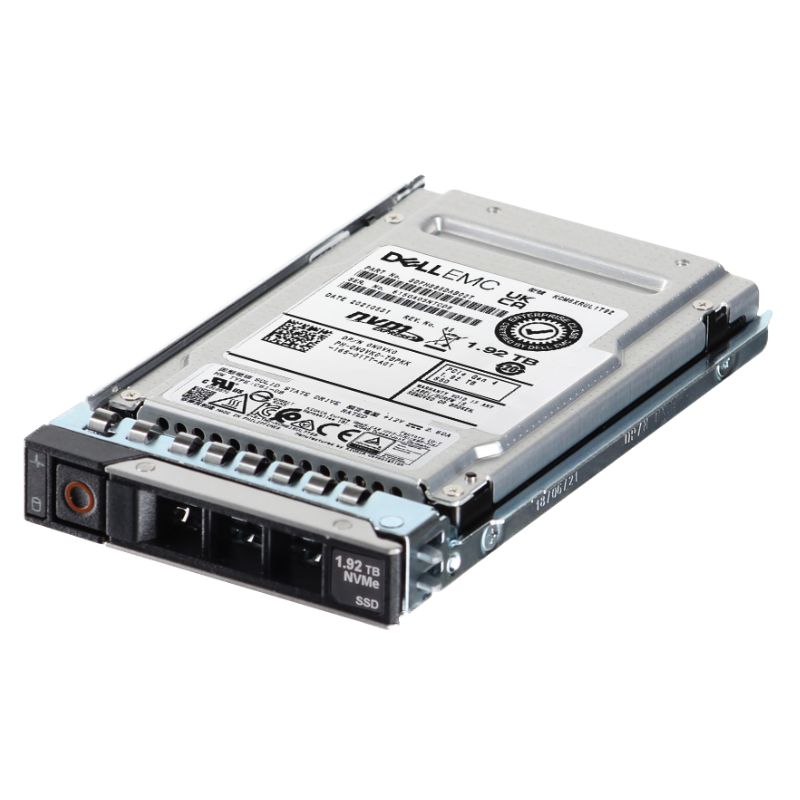


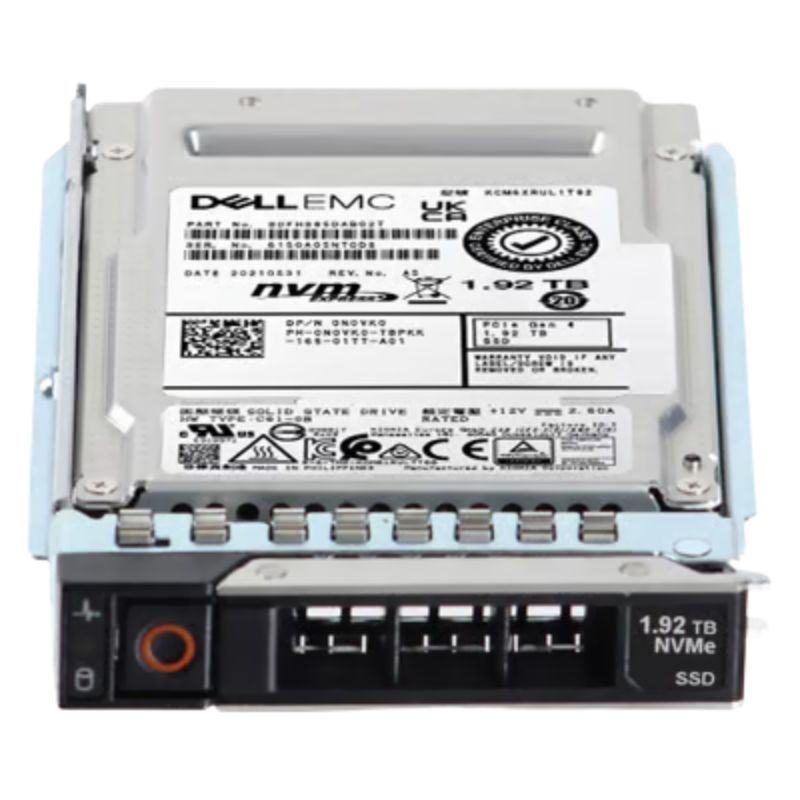
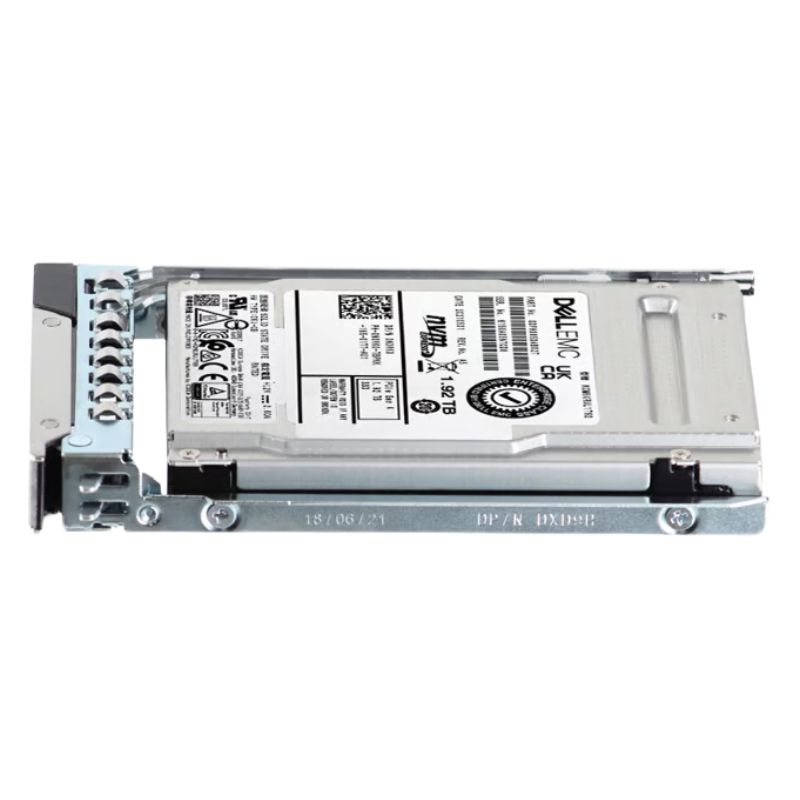
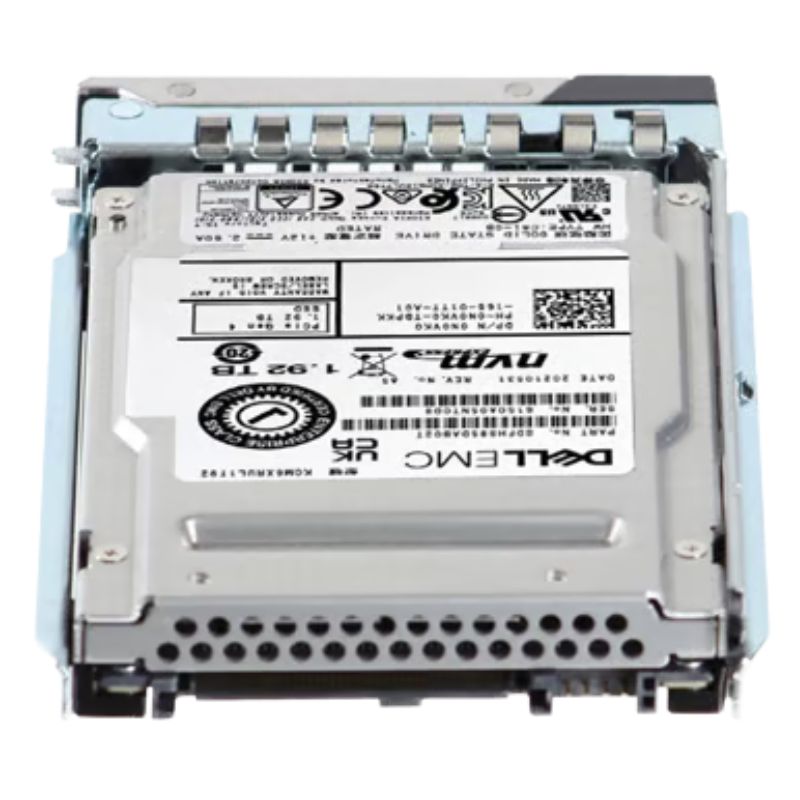
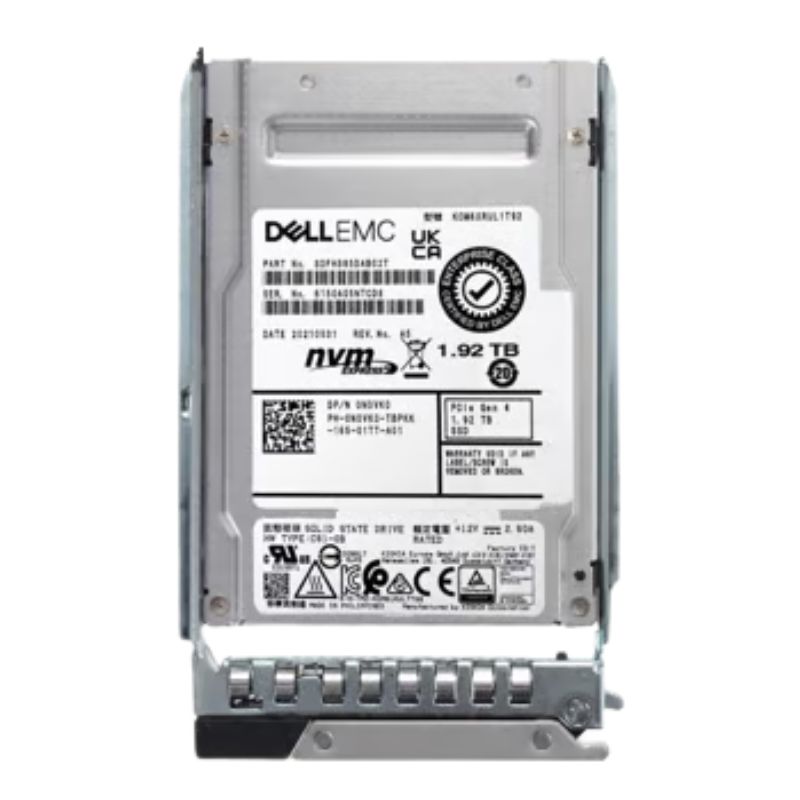
Dell 400-BPTN 1.92TB PCI-E Gen 4.0 X4 NVMe U.2 2.5Inch SFF Read Intensive TLC 3d Nand Solid State Drive. New Sealed in Box (NIB) with 1 Year Warranty
The Dell 400-BPTN 1.92TB PCIe Gen 4.0 x4 NVMe drive is engineered for demanding enterprise workloads, offering dependable performance, rapid data accessibility, and long-lasting endurance. Built with advanced TLC 3D NAND architecture, it ensures stable read-intensive operation in data centers, cloud platforms, and high-traffic server environments.
This enterprise NVMe SSD is designed to operate seamlessly with a wide range of Dell PowerEdge systems, ensuring stable performance and full firmware compatibility.
The drive’s design supports environments with constant query loads, analytics tasks, and extensive content delivery — making it an excellent choice for virtualization clusters, AI workloads, and high-performance compute nodes.
The Dell 400-BPTN 1.92TB PCI-E Gen 4.0 X4 NVMe U.2 2.5-inch SFF Read Intensive TLC 3D NAND Solid State Drive represents a critical component in the ongoing evolution of high-performance enterprise storage. As organizations manage increasingly large datasets and performance-sensitive workloads, the need for responsive, reliable, and scalable storage becomes essential. This category of read-intensive NVMe SSDs plays a significant role in improving data throughput, enhancing application responsiveness, and reducing latency across diverse computing environments. The drive’s PCIe Gen 4.0 architecture, combined with the U.2 SFF interface, enables it to deliver high-speed operations suitable for virtualized platforms, cloud infrastructures, database clusters, analytics workloads, and enterprise servers requiring fast access to frequently read data.
Read-intensive workloads focus heavily on rapid retrieval of stored information rather than continuous writing, which makes this type of NVMe drive ideal for scenarios where data is accessed far more frequently than it is modified. The Dell 400-BPTN SSD is engineered to support such tasks with maximum efficiency, leveraging TLC 3D NAND technology to strike a balance between performance, endurance, and cost efficiency. As a result, businesses can optimize their storage environments while ensuring that mission-critical operations remain smooth and uninterrupted. The drive not only enhances everyday system operations but also brings scalability and longevity to enterprise-level storage strategies.
The NVMe protocol has revolutionized storage by allowing SSDs to communicate with CPUs using the PCIe bus, eliminating the bottlenecks associated with older SATA or SAS interfaces. This drive builds upon the advantages of NVMe by adopting the PCI-E Gen 4.0 x4 lane configuration, enabling remarkably fast data transfer speeds. NVMe allows applications to benefit from multiple parallel queues, significantly reducing input/output overhead and supporting greater overall throughput. For workloads relying on rapid query responses, such as database lookups or virtual machine operations, the efficiency of NVMe technology ensures immediate performance gains.
The Dell 400-BPTN 1.92TB SSD provides an optimized balance of performance and endurance specifically tailored for read-intensive tasks. Whether deployed in high-density server racks or used in scalable enterprise environments, its NVMe-based performance ensures minimal latency and maximum responsiveness. Beyond raw speed, NVMe drives reduce CPU cycle overhead, enabling servers to process more operations with the same hardware resources. This translates into improved energy efficiency, reduced operational costs, and better overall system utilization.
PCI-E Gen 4.0 represents a major step forward in data transmission technology, doubling the bandwidth of PCI-E Gen 3.0 and delivering a significant increase in overall performance capacity. For an NVMe drive like the Dell 400-BPTN, this provides a major speed advantage, allowing the device to achieve higher read-throughput with lower queue latency. The combination of NVMe and PCI-E Gen 4.0 results in a high-performance storage solution that is capable of handling demanding enterprise environments with exceptional efficiency.
With PCI-E Gen 4.0, servers can accommodate more high-speed NVMe drives without saturating lanes or reducing performance. This is especially useful for data centers that require linear scalability without compromising throughput. The 1.92TB capacity of this SSD paired with Gen 4.0 bandwidth ensures that workloads involving large datasets can be handled swiftly, making it a preferred choice for modern enterprises transitioning to faster storage technologies.
The U.2 interface and 2.5-inch Small Form Factor offer notable advantages when compared to M.2 or larger form factors commonly used in consumer and enterprise computing. The U.2 design supports hot-plug capability, making it easier for organizations to replace or upgrade drives without shutting down server systems. This greatly enhances uptime and operational continuity, two critical requirements for businesses running 24/7 operations.
U.2 also provides reliable thermal control, ensuring the drive remains within optimal temperature ranges even during heavy workloads. When paired with PCIe Gen 4.0 lanes, the U.2 interface offers exceptional speed and reliability without the heat concentration issues commonly associated with M.2 drives. This makes the Dell 400-BPTN SSD a compelling option for enterprise environments where consistent performance and long-term reliability are crucial.
Hot-plug capability allows IT managers to replace or upgrade storage components while servers remain online. This eliminates the need for time-consuming maintenance windows and reduces the risk of service interruptions. Hot-pluggable U.2 drives also support smoother workflow integrations, especially in large-scale data centers where regular hardware maintenance is required. The Dell 400-BPTN SSD, with its U.2 SFF interface, is engineered to fit directly into enterprise server backplanes, further streamlining deployment and scalability.
The use of TLC (Triple-Level Cell) 3D NAND technology in the Dell 400-BPTN SSD reflects a balance between endurance, affordability, and performance. TLC NAND stores three bits of data per cell, making it more cost-efficient than MLC or SLC while still offering strong performance for read-intensive workloads. By using advanced 3D stacking techniques, manufacturers can increase cell density without sacrificing reliability, ensuring that enterprise users benefit from larger capacity options at lower price points.
3D NAND also enhances durability by reducing electron leakage and improving error correction capability. This enables the Dell 400-BPTN SSD to provide stable data integrity even under sustained operational loads. While TLC drives are not traditionally used for write-heavy environments, they excel in read-heavy tasks where data is accessed repeatedly without excessive overwriting.
Compared to planar NAND, 3D NAND organizes memory cells vertically, allowing for greater density and more efficient data access. This vertical structure ensures fewer electrical interference issues, resulting in higher endurance and more consistent read speeds. For read-intensive applications such as virtualization platforms, cloud storage, or analytics workloads, TLC 3D NAND delivers predictable performance while maintaining longer lifecycle expectations.
The Dell 400-BPTN SSD employs advanced ECC (Error Correction Code) techniques to ensure that data remains protected from corruption. Enterprise SSDs require strong ECC capabilities due to constant operational activity and demanding environmental conditions. By leveraging LDPC (Low-Density Parity Check) and other proprietary protection algorithms, the drive secures stored data even when operating under continuous workload pressure. This makes it a dependable choice for systems that require accurate data retrieval at all times.
The Dell 400-BPTN SSD is tailor-made for enterprise-level environments demanding fast, predictable performance. Its read-intensive design supports scenarios where frequent data access forms the core of operational tasks. This includes virtualization infrastructure, media content libraries, artificial intelligence model retrieval, machine learning feature lookup, and customer-facing applications requiring millisecond-level response times.
In environments such as database servers, cloud nodes, or high-performance computing systems, this SSD can dramatically improve load times, reduce bottlenecks, and ensure seamless scaling. Because read-intensive drives focus on rapid data delivery rather than writing large amounts frequently, they remain cost-effective for organizations that need reliable performance without the higher price tag of write-intensive SSDs.
Virtual machine hosting relies extensively on quick access to disk images, snapshots, and configuration files. This is where the Dell 400-BPTN SSD provides superior results, reducing VM boot times and enhancing hypervisor responsiveness. When multiple virtual machines operate simultaneously, storage becomes a major performance bottleneck. NVMe drives with PCI-E Gen 4.0 speeds significantly reduce this bottleneck, ensuring smoother operations and allowing more virtual nodes on a single server.
Applications such as SQL databases, NoSQL clusters, and analytics layers benefit from the drive’s fast random read performance. Query-heavy environments require rapid access to large data structures, making the Dell 400-BPTN SSD ideal for operations that involve continuous dataset scanning, index reading, or OLAP querying. Businesses leveraging real-time dashboards, reporting tools, or predictive analytics also experience smoother performance due to reduced read latency.
Data science workflows depend heavily on rapid access to training datasets or model parameters. Because many machine learning and AI workflows involve repeated data retrieval with minimal writing, read-intensive NVMe SSDs are a perfect fit. The 1.92TB capacity provides ample room for dataset storage, while the performance characteristics ensure consistently fast loading times during model training or inference operations.
The Dell 400-BPTN SSD offers several performance advantages that improve both short-term responsiveness and long-term operational efficiency. By leveraging PCI-E Gen 4.0 bandwidth, advanced NVMe queues, and stable TLC 3D NAND performance, the drive delivers reliable throughput across enterprise-class workloads. These benefits translate into smoother operations, reduced latency, and higher user satisfaction for applications that depend on consistently fast storage access.
Latency plays a crucial role in determining how fast applications respond to user inputs. NVMe drives like the Dell 400-BPTN provide significantly lower latency compared to traditional storage solutions. This is particularly beneficial for applications requiring real-time processing or immediate data access. In environments where many simultaneous user requests occur, predictable low-latency access ensures smooth, lag-free experiences.
With support for multiple queuing mechanisms, the Dell 400-BPTN handles large volumes of parallel requests effortlessly. Queue depth performance is vital for servers running virtualized environments or high-density workloads. The SSD supports a high number of I/O operations per second, ensuring fast request handling even under intense operational conditions.
Reliability is one of the core pillars of enterprise storage technology, and the Dell 400-BPTN SSD reflects this through its various durability-enhancing features. The drive incorporates robust wear-leveling algorithms, thermal control technologies, end-to-end data path protection, and power-loss protection systems to ensure uninterrupted data availability. These reliability features make it a dependable component in mission-critical infrastructure where storage failures cannot be tolerated.
End-to-end data protection ensures that data traveling between the host and the NAND cells remains intact, even when exposed to sudden voltage fluctuations. Power-loss protection capacitors safeguard critical data by ensuring that any in-flight data is committed to non-volatile storage in the event of unexpected system shutdowns.
Thermal performance is a significant factor in ensuring long-term SSD health. The Dell 400-BPTN SSD includes integrated thermal throttling mechanisms that regulate performance to maintain safe operating temperatures. By preventing overheating, these mechanisms protect NAND cells from premature wear and guarantee consistent speed.
Wear-leveling algorithms ensure that write activity is evenly distributed across all memory cells, reducing localized wear and extending overall drive lifespan. This is especially important for enterprise drives that operate continuously. While the drive is optimized for read-intensive tasks, occasional writes still occur, and wear-leveling ensures that the SSD maintains long-term durability.


 Contact Us
 Information
 Catalog
 Solid State Drives (SSD)
 Network Switches
 Hard Disk Drives
 HBA & Controllers
 PC & Servers
 PC & Server Memory
 CPU & Processors
 Network Routers
 Power Supplies
 Tape Drives & Libraries
 Network Devices
 Computer & Network Cables