(7% discount is applied at checkout)
Cart is empty
Your go-to destination for cutting-edge server products
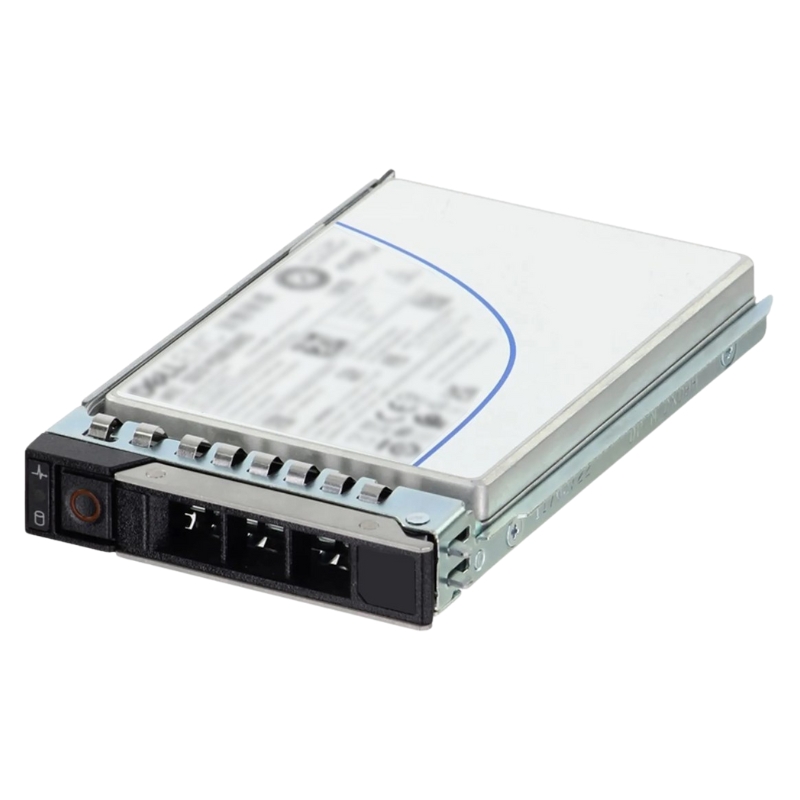


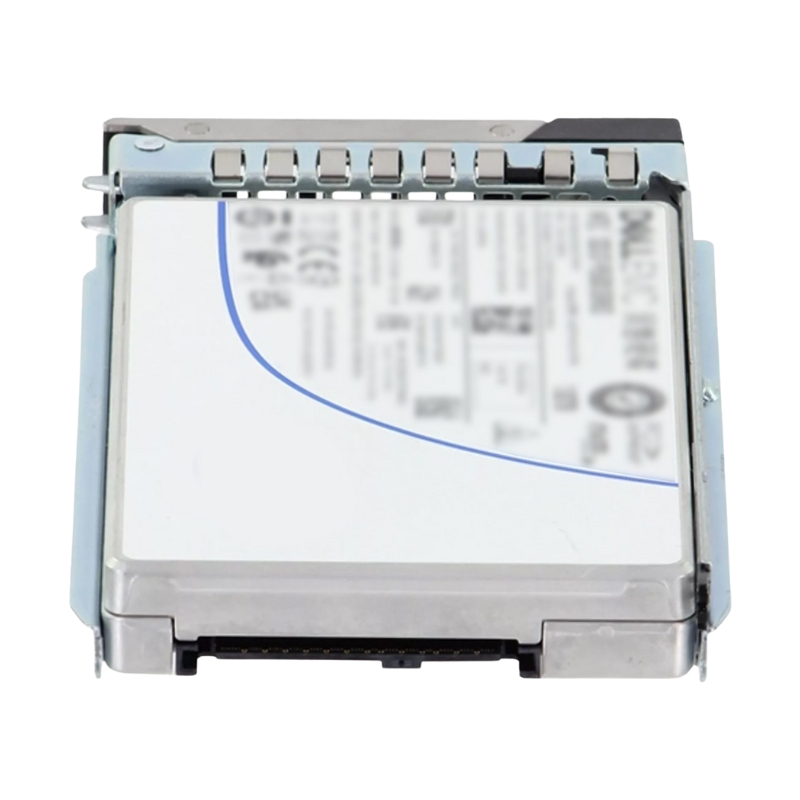
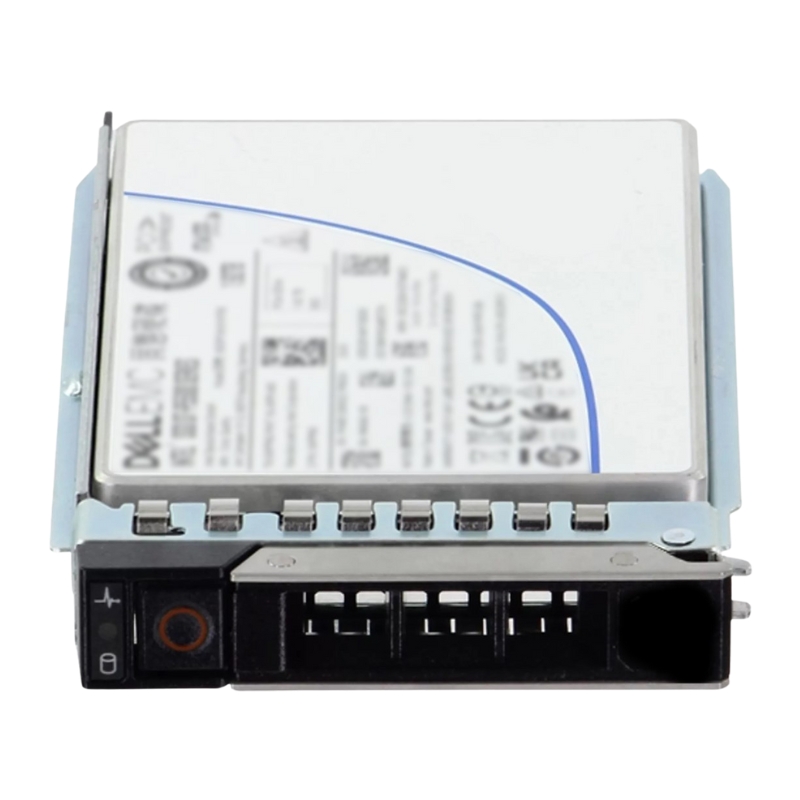
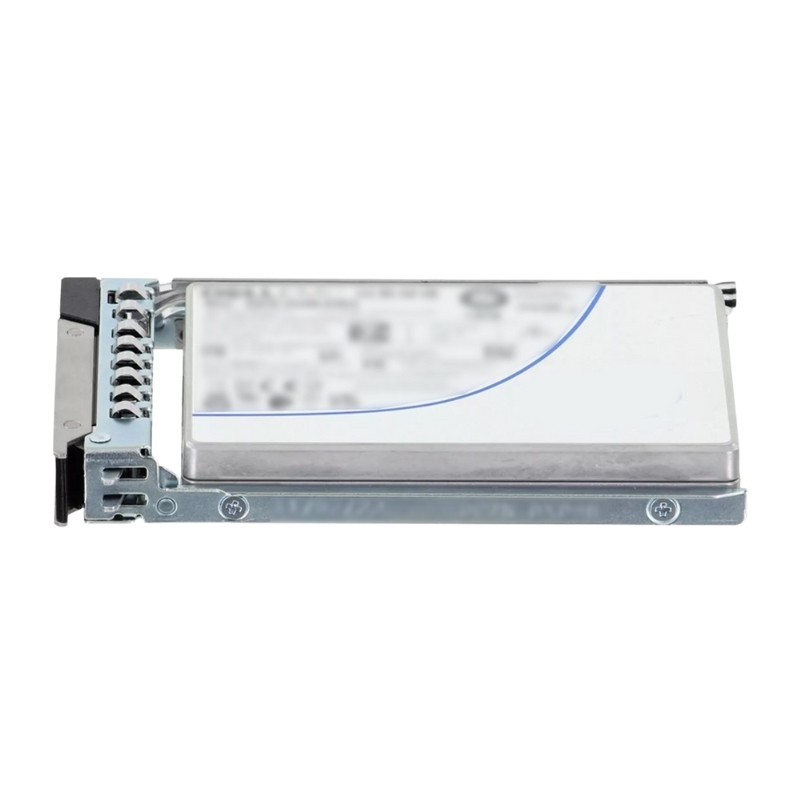
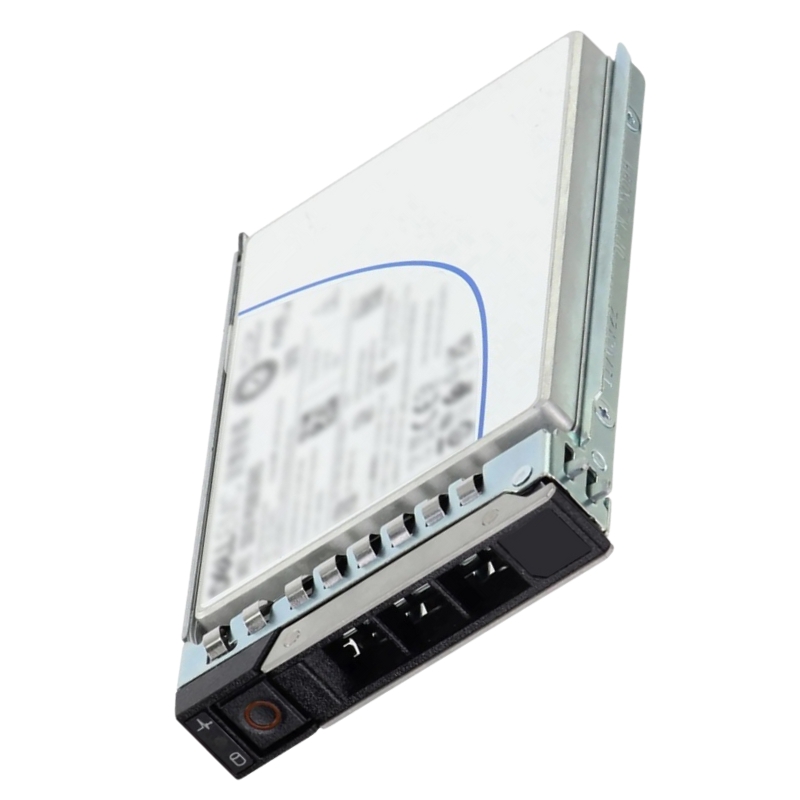
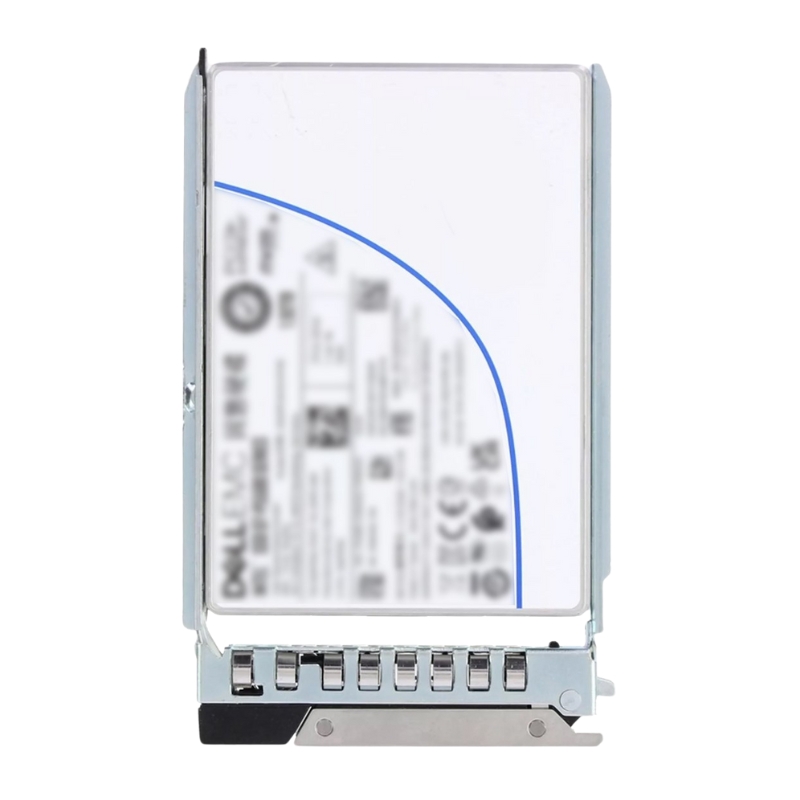
Dell 400-BQTC 3.84TB PCI-E Gen4 NVMe U.2 2.5Inch SSF Read Intensive 1DWPD Solid State Drive. New Sealed in Box (NIB) with 1 year Warranty
The Dell 3.84TB PCIe Gen4 NVMe U.2 2.5-inch small form factor (SFF) enterprise-class solid state drive is engineered for read-intensive workloads. Designed with TLC 3D NAND technology and optimized for Dell PowerEdge 14G, 15G, 16G, and 17G servers, this SSD delivers high performance, reliability, and efficiency for modern datacenter environments.
This Dell NVMe SSD is designed to accelerate enterprise workloads by delivering high-speed data access, consistent latency, and efficient scalability. It is particularly suited for applications requiring rapid read performance such as analytics, virtualization, and content delivery.
The Dell 3.84TB PCIe Gen4 NVMe SSD is validated for a wide range of Dell PowerEdge servers, ensuring seamless integration and reliable performance.
The Dell 400-BQTC represents the evolution of read-intensive solid state storage, combining PCI-E Gen4 technology with optimized endurance characteristics in a versatile 3.84TB capacity. This NVMe U.2 form factor drive delivers exceptional read performance while maintaining a 1 Drive Write Per Day (DWPD) endurance rating, creating an ideal balance for mixed enterprise workloads that are predominantly read-focused but require consistent write capability. The drive's architecture leverages the latest NAND flash technology and controller innovations to provide a compelling price-to-performance ratio for organizations seeking to modernize their storage infrastructure without compromising on reliability or endurance requirements.
Positioned strategically within the enterprise storage hierarchy, the 400-BQTC addresses the growing need for performance-optimized storage that can handle both read-intensive applications and moderate write workloads. With the 1DWPD endurance rating, this drive bridges the gap between entry-level read-intensive drives and premium mixed-use solutions, offering enterprises a balanced option for workloads that exceed basic read-intensive specifications but don't require the extreme endurance of write-optimized drives. This balanced approach enables organizations to right-size their storage investments while maintaining performance service level agreements.
The 400-BQTC fully leverages the PCI-E Gen4 interface, delivering double the bandwidth of previous generation PCI-E Gen3 solutions. With theoretical transfer rates of up to 64 Gbps in x4 lane configuration, the drive achieves sequential read speeds exceeding 6,800 MB/s and sequential write speeds surpassing 4,100 MB/s. This generational leap in interface technology enables the drive to saturate the available bandwidth more efficiently, reducing latency and improving overall system responsiveness. The backward compatibility with PCI-E Gen3 systems ensures investment protection while providing a clear migration path to future Gen4-optimized server platforms.
Implementing the NVMe 1.4 specification, the 400-BQTC incorporates advanced features that enhance performance and reliability in enterprise environments. The protocol improvements include enhanced queueing mechanisms, better power management, and additional virtualization support. The drive supports multiple namespaces, enabling more efficient storage allocation and management in virtualized and cloud environments. The NVMe 1.4 compliance also brings improved thermal management features and predictive latency analytics, allowing the drive to maintain consistent performance under varying workload conditions.
The 3.84TB capacity point represents an optimal balance for many enterprise applications, providing substantial storage for working datasets while maintaining cost-effectiveness. This capacity enables organizations to consolidate multiple workloads or maintain larger active datasets in memory-like storage tiers. The drive's capacity management includes intelligent over-provisioning that supports consistent performance and extends the drive's operational lifespan while maintaining the full 3.84TB of usable capacity for host systems.
The industry-standard 2.5-inch U.2 form factor ensures broad compatibility with existing enterprise infrastructure while providing the physical space for optimal thermal management and component layout. The U.2 interface (SFF-8639) supports both NVMe protocol and power delivery through a single connector, simplifying cabling and improving reliability compared to add-in card alternatives. The form factor's hot-swap capability enables maintenance and upgrades without system downtime, a critical feature for always-on enterprise environments.
The 1 Drive Write Per Day endurance rating signifies that the entire 3.84TB capacity can be written once per day over the 5-year warranty period without exceeding the drive's designed endurance limits. This translates to a Total Bytes Written (TBW) rating of approximately 7.0 petabytes, providing substantial write capability for read-intensive workloads that include moderate update patterns. The 1DWPD rating represents a sweet spot for many enterprise applications, offering greater write headroom than basic read-intensive drives while remaining more cost-effective than higher-endurance alternatives.
The 400-BQTC utilizes enterprise-grade 3D TLC NAND flash memory optimized for the 1DWPD endurance class. Advanced wear-leveling algorithms distribute write operations evenly across all available memory cells, preventing premature wear on specific sectors. The drive controller implements dynamic and static wear leveling strategies that account for both active data and static data, ensuring balanced wear across the entire NAND array. This sophisticated management extends the practical lifespan of the drive beyond the specified endurance ratings under typical enterprise workload conditions.
Comprehensive data protection mechanisms ensure data integrity throughout the drive's operational lifecycle. The 400-BQTC implements sophisticated LDPC (Low-Density Parity Check) error correction capable of correcting both random and burst errors that may occur during NAND operations. End-to-end data path protection includes CRC (Cyclic Redundancy Check) for all data transfers and parity protection for internal data paths. These multi-layered protection schemes operate transparently to maintain data integrity without impacting host performance.
Enterprise-grade power loss protection ensures data consistency during unexpected power events. The drive incorporates both tantalum capacitors and specialized firmware that provide sufficient hold-up time to complete in-progress write operations and flush volatile cache data to non-volatile storage. This protection mechanism operates independently of host power supplies, ensuring that data integrity is maintained even during complete power failures. The implementation includes monitoring circuits that detect power degradation and initiate protective sequences before critical thresholds are reached.
As a read-intensive drive, the 400-BQTC delivers exceptional read performance with sequential read speeds exceeding 6,800 MB/s and random read performance reaching up to 1,000,000 IOPS. These performance characteristics enable rapid data access for read-dominated applications, reducing application response times and improving overall system throughput. The drive maintains consistent read latency even under heavy load conditions, with 99.9th percentile latencies remaining within acceptable thresholds for demanding enterprise applications.
Despite its read-intensive classification, the 400-BQTC delivers robust write performance with sequential write speeds surpassing 4,100 MB/s and random write performance up to 380,000 IOPS. The 1DWPD endurance rating provides sufficient write headroom for applications with moderate update patterns, ensuring consistent performance throughout the drive's lifespan. Advanced write acceleration technologies, including intelligent caching algorithms and write coalescing, optimize write operations to maintain performance while minimizing write amplification.
The drive implements sophisticated QoS features that ensure predictable performance in multi-tenant and mixed-workload environments. Latency optimization algorithms prioritize critical I/O operations while maintaining fairness across multiple queues or namespaces. The NVMe 1.4 protocol support enables fine-grained QoS controls that can be managed through host software, allowing administrators to enforce performance policies and service level agreements. These QoS capabilities make the drive suitable for consolidated environments where multiple applications share storage resources.
The 400-BQTC excels in database environments where read operations dominate but consistent write performance is essential for transaction logs and data updates. The drive's balanced performance profile supports both OLTP (Online Transaction Processing) and OLAP (Online Analytical Processing) workloads, making it suitable for consolidated database deployments. The 3.84TB capacity provides ample space for database instances, indexes, and temporary working spaces, while the 1DWPD endurance ensures sufficient write capability for typical database update patterns.
In virtualized environments, the 400-BQTC provides an optimal storage tier for virtual machine images, application binaries, and frequently accessed data. The drive's performance characteristics support high VM density while the 1DWPD endurance accommodates the write patterns associated with VM operations, including snapshot creation, logging, and temporary file activity. Support for NVMe namespaces enables efficient storage allocation and management in hyper-converged and software-defined storage environments.
Analytics workloads typically involve extensive read operations during data scanning and processing, with periodic writes for results storage and intermediate calculations. The 400-BQTC's performance profile accelerates data processing cycles while the 1DWPD endurance accommodates the write components of ETL (Extract, Transform, Load) processes and analytical result generation. The drive's capacity enables larger working datasets to be maintained locally, reducing data movement bottlenecks and improving analytical throughput.
The drive supports comprehensive management through the NVMe Management Interface, providing administrators with detailed telemetry and health monitoring capabilities. Standardized management commands enable retrieval of critical parameters including temperature readings, percentage of life used, available spare blocks, and media error statistics. This information facilitates proactive maintenance planning and helps organizations optimize storage resource utilization throughout the drive's operational lifecycle.
Beyond standard health monitoring, the 400-BQTC implements enhanced S.M.A.R.T. (Self-Monitoring, Analysis and Reporting Technology) attributes that provide deeper insight into drive operation and health. These include wear level indicators, thermal throttle statistics, end-to-end error detection counts, and write amplification metrics. The enhanced attributes enable more precise health assessment and predictive failure analysis, allowing administrators to identify potential issues before they impact application performance or data availability.
Seamless integration with enterprise management platforms including Dell OpenManage, VMware vSphere, and Microsoft System Center enables centralized monitoring and management of storage resources. Support for Redfish API standards and SNMP protocols facilitates automation through popular infrastructure management tools. The drive's standardized interfaces ensure compatibility with storage management frameworks regardless of the server platform or hypervisor environment, reducing administrative overhead and improving operational efficiency.
Successful deployment begins with thorough workload analysis to verify the read-dominated characteristics with moderate write components that align with the 1DWPD endurance specification. I/O monitoring tools should quantify read/write ratios, sequential vs. random access patterns, and queue depth requirements. Workloads with sustained write components approaching or exceeding 50% may require mixed-use or write-intensive drives, while genuinely read-dominated workloads with periodic updates will benefit from the 400-BQTC's balanced performance and endurance characteristics.
The 3.84TB capacity point supports flexible deployment scenarios, from dedicated application storage to shared storage tiers in consolidated environments. Capacity planning should consider both current requirements and projected growth, accounting for data reduction technologies where applicable. In tiered storage architectures, the 400-BQTC typically occupies a performance tier for active datasets, with automated tiering solutions promoting hot data based on access patterns. The capacity enables substantial working datasets to reside in the performance tier, reducing data movement between storage levels.
When deploying multiple drives in RAID configurations, consideration should be given to the balance between performance, capacity efficiency, and data protection. RAID levels with lower write penalties (such as RAID 10) complement the drive's performance characteristics while providing high availability. Software-defined storage implementations should leverage modern file systems and volume managers optimized for NVMe performance. Monitoring should include both individual drive health and array-level performance to identify potential bottlenecks or degradation before they impact application performance.
Regular firmware updates ensure access to performance optimizations, reliability improvements, and security enhancements. The drive supports firmware updates without system shutdown, maintaining application availability during maintenance operations. Firmware management should follow established change control procedures, with updates tested in non-production environments before deployment. The drive's management interfaces provide version tracking and update verification capabilities to ensure successful firmware deployment.
Selection should be guided by specific application requirements, including I/O patterns, performance expectations, and endurance needs. The 400-BQTC is ideally suited for applications with read/write ratios between 70/30 and 90/10, where the write component is consistent but not excessive. Capacity requirements should align with the 3.84TB offering, either as individual drives or in multi-drive configurations. Performance expectations should match the drive's specifications, with particular attention to latency requirements and quality of service needs.


 Contact Us
 Information
 Catalog
 Solid State Drives (SSD)
 Network Switches
 Hard Disk Drives
 HBA & Controllers
 PC & Servers
 PC & Server Memory
 CPU & Processors
 Network Routers
 Power Supplies
 Tape Drives & Libraries
 Network Devices
 Computer & Network Cables