(7% discount is applied at checkout)
Cart is empty
Your go-to destination for cutting-edge server products
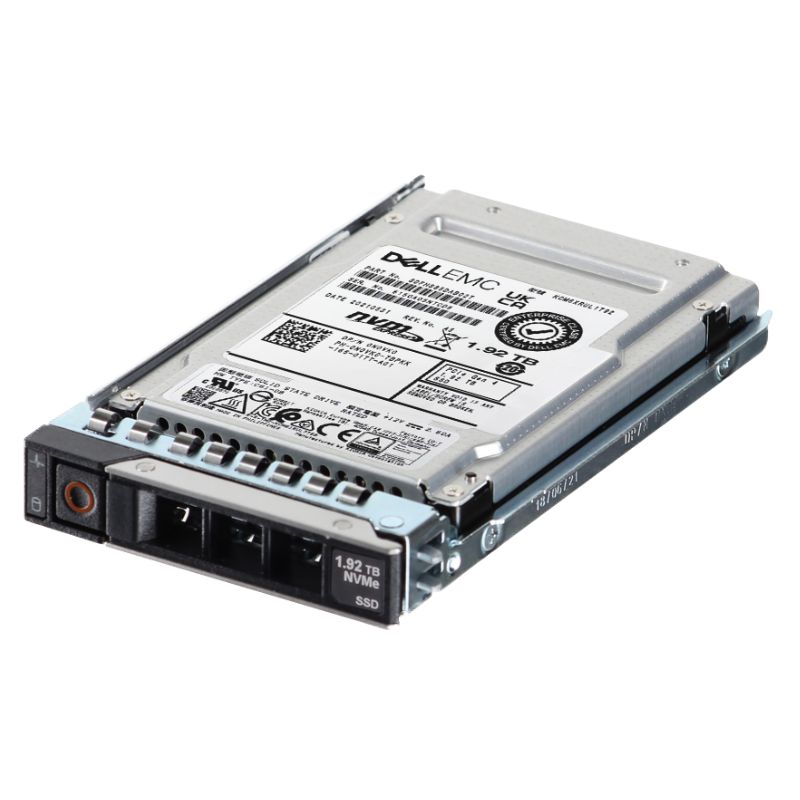


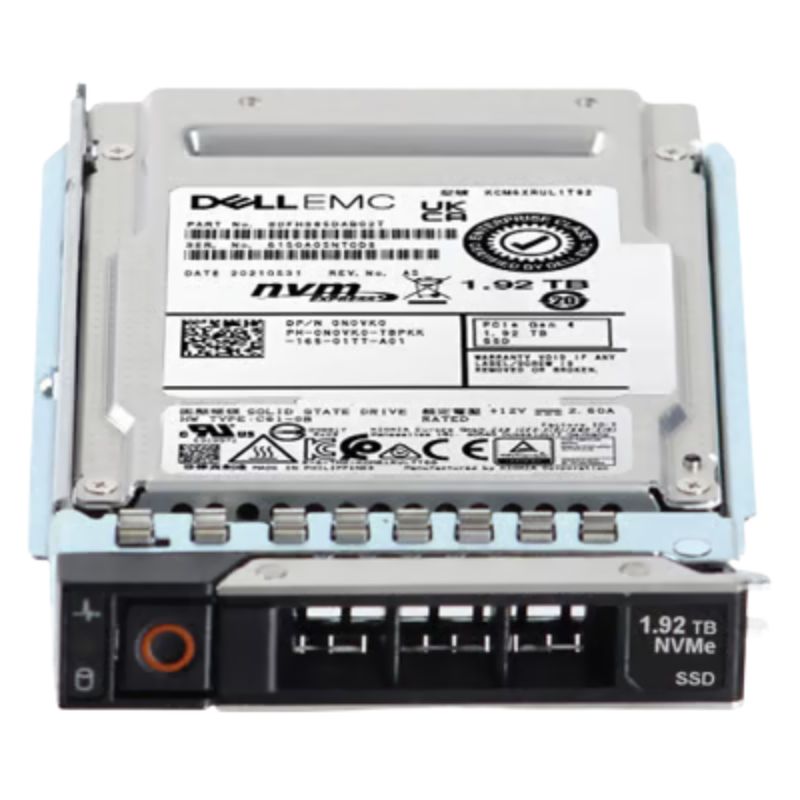
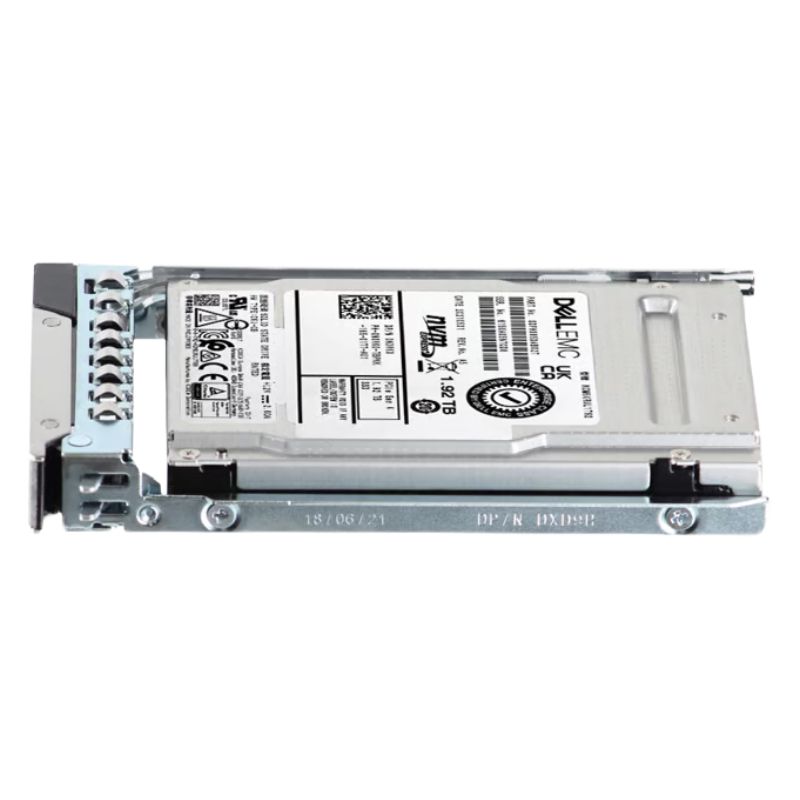
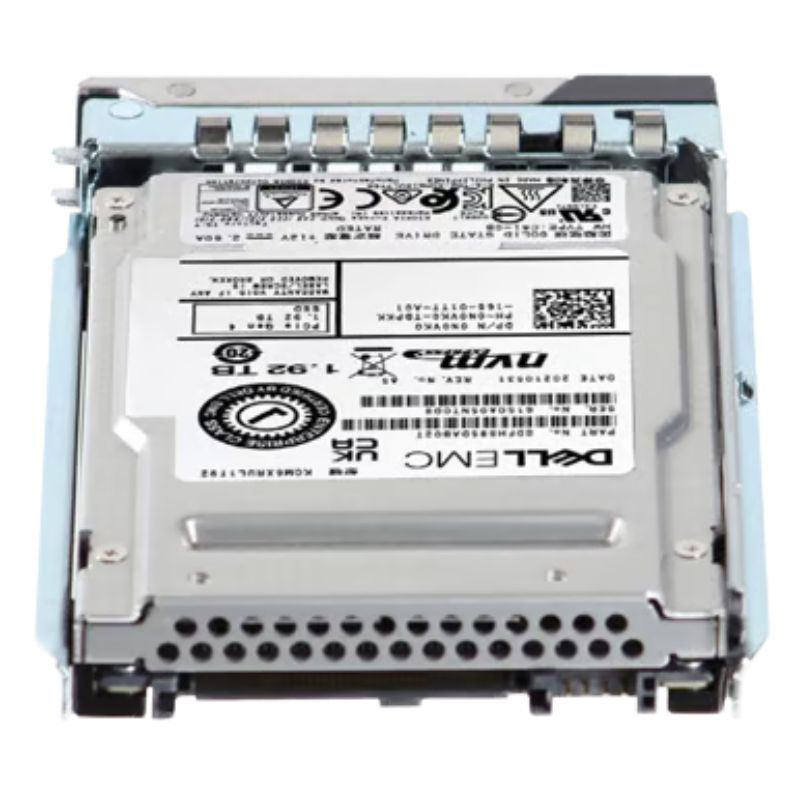
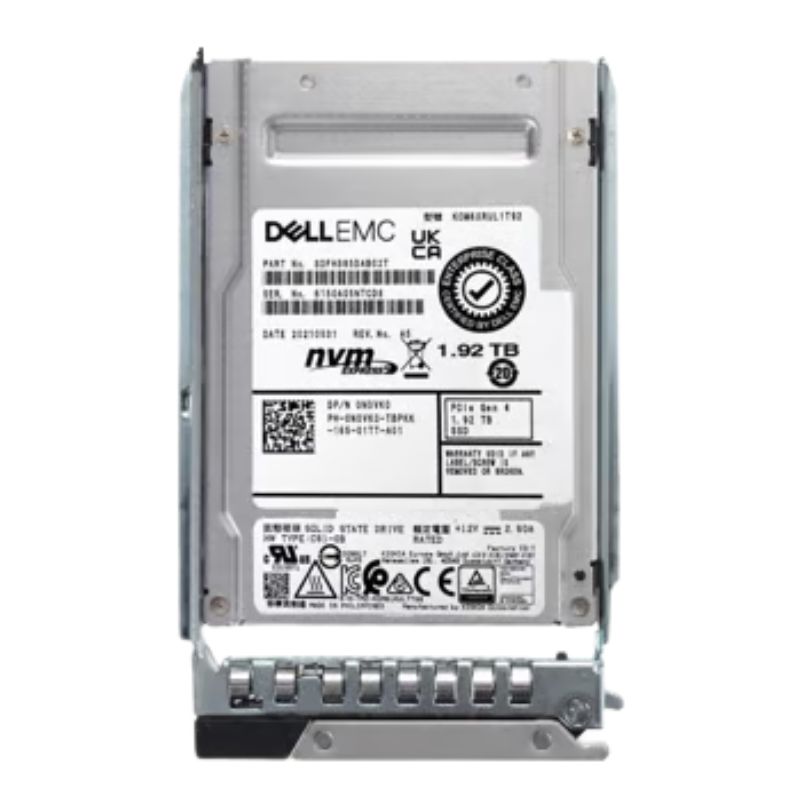
Dell 400-BQXC 1.92TB PCI-E Gen4 NVMe U.2 2.5Inch SFF Read Intensive Solid State Drive. New Sealed in Box (NIB) with 1 Year Warranty
The Dell 400-BQXC is a high-speed 1.92TB PCIe Gen4 NVMe U.2 solid-state drive crafted for modern enterprise workloads. Designed for consistent read-intensive performance, this drive offers exceptional reliability, swift data handling, and dependable endurance—perfect for data centers, virtualization environments, and performance-oriented servers.
The Dell 400-BQXC 1.92TB PCI-E Gen4 NVMe U.2 2.5-inch SFF Read Intensive Solid State Drive is engineered for enterprise-class read-heavy workloads where predictable low latency, strong throughput, and data integrity are essential. This SSD combines the performance advantages of PCIe Gen4 NVMe with the standardized U.2 2.5-inch Small Form Factor (SFF) interface, delivering a balance of capacity, endurance, and efficiency designed specifically for data center servers, storage arrays, and high-density rack deployments. Optimized for common read-intensive environments such as large-scale databases, analytics, content delivery, virtual desktop infrastructure (VDI), boot and caching tiers, and read-centric virtualization, the 400-BQXC addresses operational needs without overprovisioning write endurance—keeping acquisition and operational costs competitive while delivering enterprise reliability.
Built on the PCI-Express Gen4 x4 NVMe interface, the Dell 400-BQXC harnesses the higher lane bandwidth available in Gen4 platforms to provide elevated sequential read speeds and improved random read I/O operations per second (IOPS) compared to Gen3 devices. The drive's NVMe protocol stack reduces command overhead and CPU cycles per I/O, enabling higher effective throughput and lower tail latency. For latency-sensitive applications, the Gen4 NVMe link provides measurable improvements in response times and service-level consistency when paired with Gen4 capable servers and controllers.
The U.2 2.5-inch SFF form factor used in the 400-BQXC adheres to widely supported enterprise storage standards, enabling easy drop-in replacement and interoperability with modern server bays, backplanes, and enclosure systems. The mechanical and connector standard ensures robust hot-swap capability, simplified integration into existing storage arrays, and support for common NVMe backplane topologies. The 2.5-inch SFF profile maximizes rack density and is ideal for environments where physical space, cooling, and serviceability are priorities.
As a read-intensive SSD, the Dell 400-BQXC is calibrated for scenarios where read operations vastly outnumber writes. This endurance class balances cost and lifespan by providing adequate Total Bytes Written (TBW) and Drive Writes Per Day (DWPD) metrics suitable for caching, read caches, content delivery, and analytics reference datasets. System architects benefit from the ability to provision storage that meets performance SLAs without the higher cost associated with mixed-use or write-intensive SSD classes.
Enterprise features such as end-to-end data protection, power-loss protection mechanisms, error correction algorithms, and background media management are core to the drive’s design. These capabilities reduce the risk of data corruption, support resilient rebuild operations in RAID arrays, and maintain sustainable performance over the device lifetime. The drive’s Mean Time Between Failures (MTBF) rating and manufacturer testing cycles reflect enterprise reliability expectations for 24/7 operation.
For database workloads where read latency and throughput directly affect query response times, the Dell 400-BQXC is tailored to accelerate repeated read operations and hot dataset access patterns. Analytical platforms that ingest and query large reference tables, business intelligence engines performing frequent scans, and OLAP operations will see improved responsiveness when active indices and frequently accessed rows reside on read-optimized NVMe storage. The drive’s read performance characteristics reduce I/O bottlenecks and improve application-level concurrency for multi-tenant database environments.
Virtual desktop infrastructure deployments often show highly read-skewed patterns, particularly during login storms and profile fetches. The 400-BQXC supports high sustained read throughput and consistent IOPS, helping to smooth user experience during peak access windows. Host consolidation strategies that rely on fast boot times and responsive desktop workloads benefit from the drive’s ability to serve multiple virtual machines simultaneously with low latency.
Content delivery nodes and edge caches that serve static assets or frequently requested objects are excellent candidates for this read-intensive SSD. The 1.92TB capacity provides a sizable cache space for popular content sets while the NVMe performance ensures quick asset retrieval. For distributed content networks powering web services, media streaming, or software distribution, the 400-BQXC improves first-byte response and reduces upstream bandwidth reliance.
When used for operating system boot volumes or system partitions in enterprise servers, a read-optimized drive reduces boot times and accelerates system updates and image deployments. Deployers who manage large fleets appreciate the blend of capacity and performance that supports faster imaging, patch rollouts, and orchestration tasks.
The U.2 interface and NVMe protocol are widely supported by modern server vendors. Before deployment, verify firmware compatibility with host BIOS/UEFI versions, NVMe driver stacks, and storage controller firmware. When upgrading from SATA or SAS tiers, ensure that backplane cabling and host firmware support NVMe drives in mixed-bay environments to avoid enumeration issues. Dell’s server ecosystem and many third-party vendors provide compatibility matrices; matching firmware recommended versions yields the most consistent behavior during large-scale rollouts.
Proactive firmware management is critical to maintain performance, fix known issues, and support new platform features. Coordinate drive firmware updates with maintenance windows and ensure full backups or snapshots are present before broad updates. Dell provides firmware tools and update packages; applying these through centralized management systems reduces manual effort and supports fleet-wide policy enforcement.
High throughput NVMe devices generate more thermal energy than legacy SATA drives. When populating dense server configurations with multiple PCIe Gen4 NVMe devices, review chassis airflow, fan policies, and power provisioning. Proper airflow ensures consistent sustained performance; thermal throttling can reduce throughput if the drive operates above design temperatures. Power budgeting must account for drive active and peak draw to prevent unexpected brownouts in heavily populated enclosures.
When integrating the 400-BQXC into RAID arrays or software-defined storage clusters, select RAID levels and rebuild strategies that align with the drive's endurance characteristics. Read-intensive drives are excellent for read-scale layers and cache tiers in tiered storage architectures. For write-heavy protected tiers, consider pairing with mixed-use or write-optimized SSDs to preserve endurance. Distributed storage solutions should be configured with appropriate replication and erasure coding parameters to balance capacity efficiency and rebuild times.
Synthetic benchmarks provide baseline comparisons, but real-world application testing is essential to understand behavior under realistic concurrency, queue depth, and block size distributions. For read-intensive workloads, test with a mix of sequential and random read patterns, multiple simultaneous threads, and sustained long-run tests to observe thermal and latency stability. Capture 95th and 99th percentile latency metrics as part of acceptance testing to ensure the drive meets service-level targets under load.
Host tuning, such as optimizing NVMe queue depth, CPU affinity, and NUMA placement, can unlock further performance improvements. Ensure that NVMe devices are connected to appropriate CPU memory domains and that interrupt handling is tuned for high IOPS scenarios. Modern operating systems and hypervisors provide NVMe-aware settings; leverage platform guidance and vendor best practices to align host parameters with workload characteristics.
The endurance metrics for read-intensive drives prioritize read workloads and specify Total Bytes Written and Drive Writes Per Day accordingly. For architects planning lifecycle replacements, model expected write amplification from application behavior, background tasks, and system-level activities. Sizing and overprovisioning strategies reduce write amplification and extend drive life. When estimating replacement cycles, consider both manufacturer TBW ratings and observed telemetry from the fleet.
Enterprise SSDs implement power loss protection schemes to preserve write data in flight and maintain internal metadata consistency. The Dell 400-BQXC incorporates such protections to reduce the risk of data loss during abrupt power events. While these mechanisms significantly increase resilience, complementing SSD features with robust host-side transaction and replication strategies produces the highest overall data integrity.
Advanced ECC and background scrubbing routines correct transient media errors and maintain long-term health of the NAND cells. These internal maintenance functions run during idle windows to minimize performance impact while preserving data fidelity. For large arrays, coordinate maintenance tasks to avoid overlapping repair cycles that might temporarily increase storage latency or rebuild durations.


 Contact Us
 Information
 Catalog
 Solid State Drives (SSD)
 Network Switches
 Hard Disk Drives
 HBA & Controllers
 PC & Servers
 PC & Server Memory
 CPU & Processors
 Network Routers
 Power Supplies
 Tape Drives & Libraries
 Network Devices
 Computer & Network Cables