(7% discount is applied at checkout)
Cart is empty
Your go-to destination for cutting-edge server products
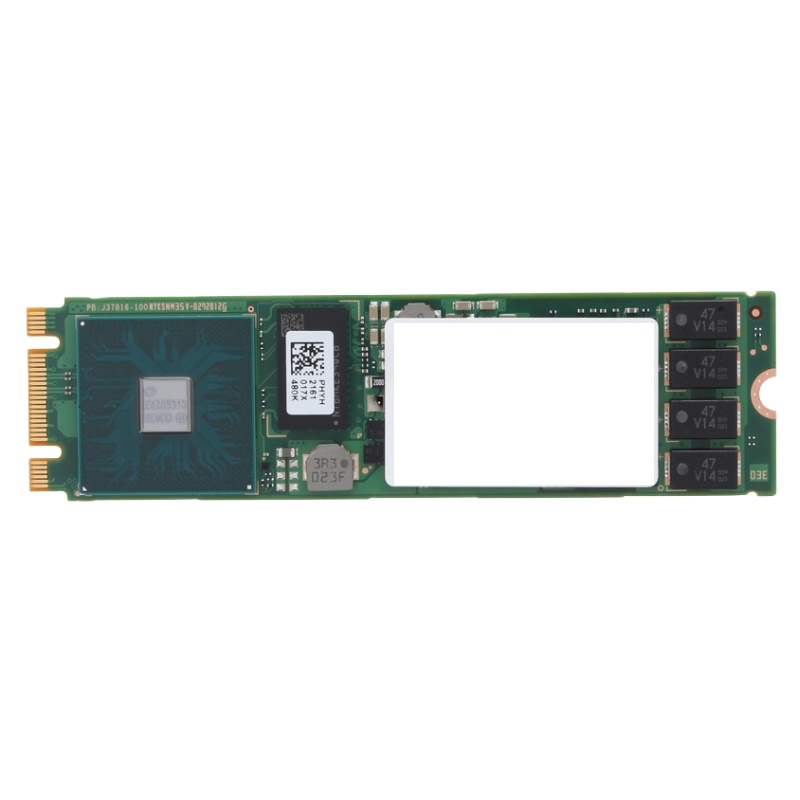


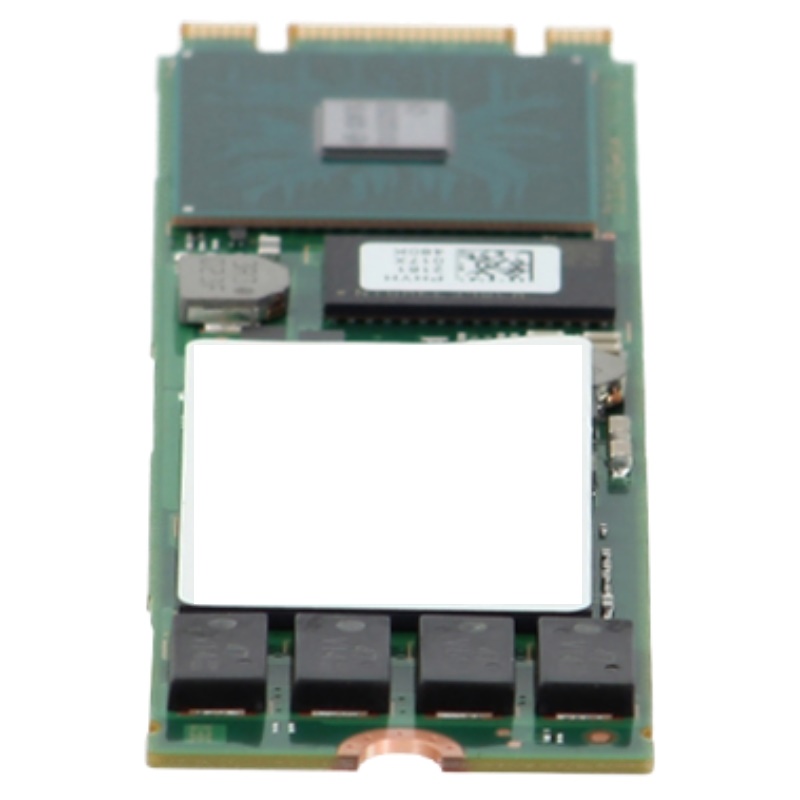
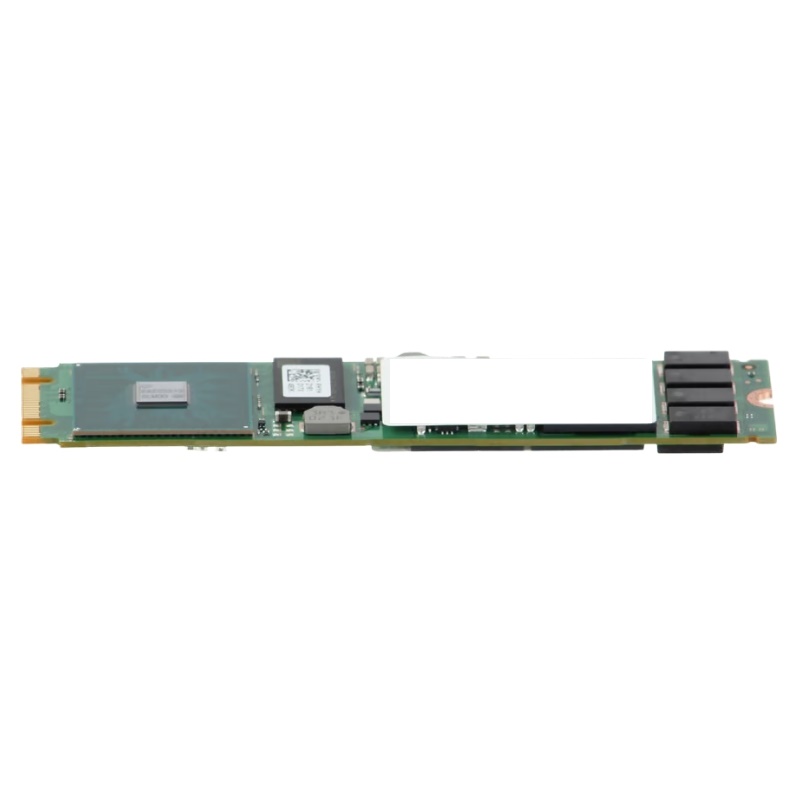
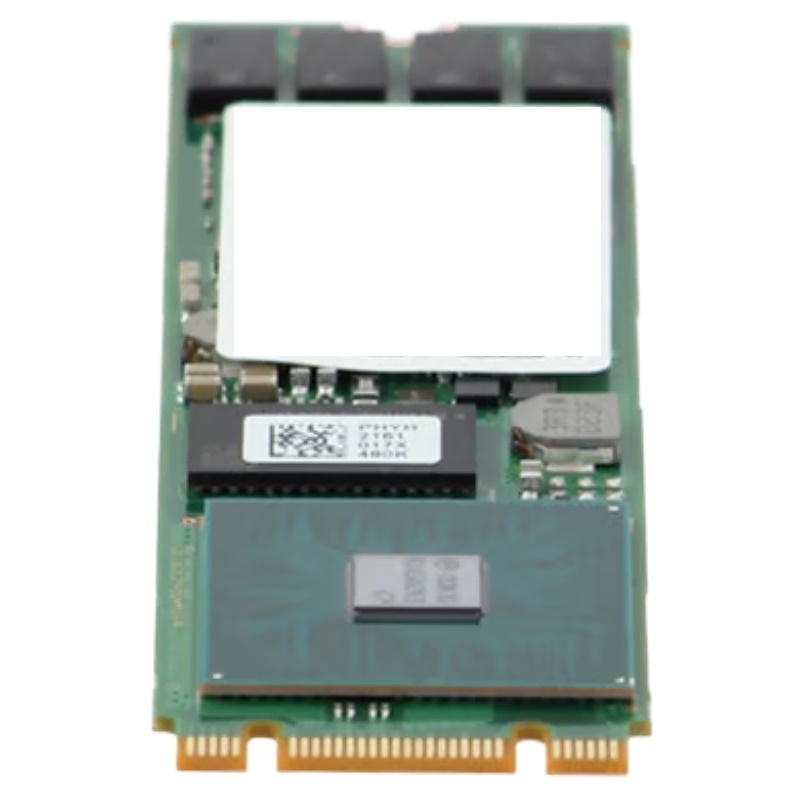
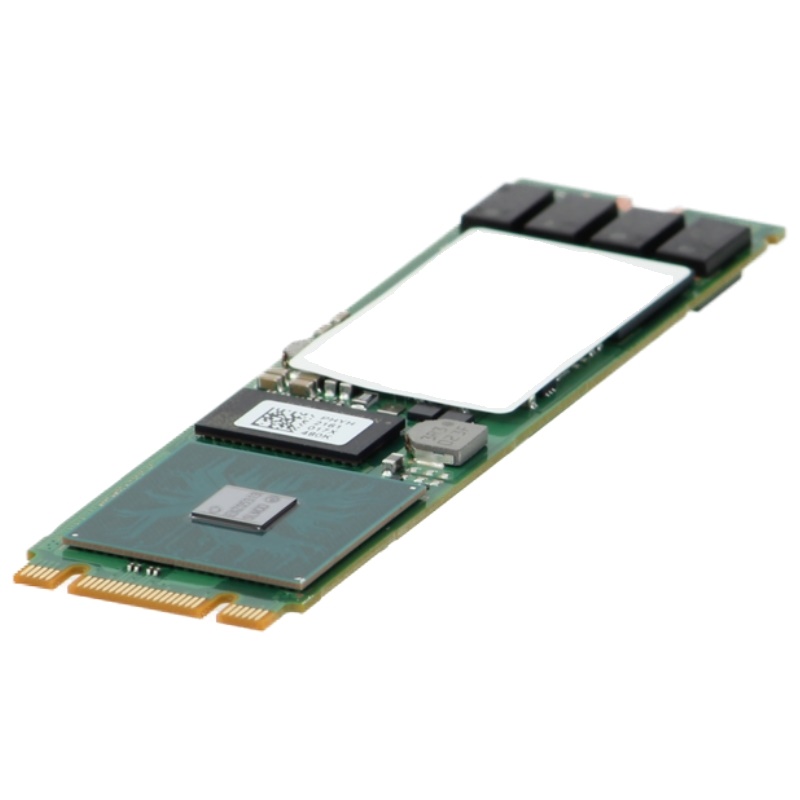
Dell 400-BSKJ 480GB PCI-E 4.0 X4 M.2 2280 NVMe Read-Intensive TLC Enterprise Class for Boss-N1 Poweredge Server Solid State Drive. Excellent Refurbished with 1-Year Replacement Warranty
Dell 480GB M.2 (2280) PCI-E 4.0 X4 (NVMe) Read-Intensive TLC Enterprise Class Solid State Drive for Poweredge Server. Dell Enterprise-Grade Internal SSD engineered for Boss-N1 Poweredge Server. Reliable Solid-State Storage solution with advanced NVMe interface.
The Dell 400-BSKJ 480GB PCI-E 4.0 x4 M.2 2280 NVMe drive occupies a focused and high-value niche within enterprise storage: a read-intensive, TLC NAND, M.2 form factor SSD tuned for BOSS-N1 and PowerEdge server. This category description explores the technical architecture, operational advantages and enterprise-class attributes that make the 400-BSKJ family a practical choice for database caching, boot and OS acceleration, read-heavy analytics workloads, content distribution nodes, and other latency-sensitive applications. The emphasis on read-intensive tuning, PCI-E 4.0 x4 interface, and the M.2 2280 compact footprint delivers a combination of low-latency access, high sustained read throughput, and efficient integration into modern PowerEdge platforms. The product sits squarely between consumer NVMe modules and higher-end mixed-use or write-intensive enterprise flash, offering data center teams a cost-efficient path to NVMe performance when read operations dominate the workload profile.
At the heart of the category is the PCI-E 4.0 x4 interface, which doubles per-lane bandwidth compared with PCIe 3.0 and unlocks substantially higher sequential throughput and lower queue latency for NVMe commands. For the Dell 400-BSKJ 480GB drive, PCI-E 4.0 enables sustained sequential read levels that accelerate large dataset scans, backup restores, and VM boot storms common in hyperconverged and virtualization environments.
Read-intensive NVMe drives are architected to prioritize read throughput and IOPS while offering sufficient write buffering and background garbage collection to keep sustained performance stable. The Dell 400-BSKJ’s controller firmware and read-centric flash translation layer allocate resources such as NAND channels, DRAM/cache mapping, and flash mapping tables to minimize read path latency and maximize queue depth efficiency. For workloads where microsecond-level response times directly affect application SLAs — for example, in real-time analytics, search indexes, or high-concurrency VDI boot scenarios — the reduction in tail latency can produce measurable end-user improvements. The result is a drive that is tuned so reads complete rapidly across varied queue depths while the drive manages writes, wear-leveling, and background operations without significant read stalls.
Triple-Level Cell (TLC) NAND remains a favored choice for read-optimized enterprise SSDs because it achieves a pragmatic balance among cost per gigabyte, usable capacity, and endurance characteristics suitable for read-dominant workloads. The 480GB capacity point on a TLC-based module provides a sweet spot for system builders who require meaningful cache or boot volumes while keeping per-server storage budgets controlled. In the Dell 400-BSKJ category, the use of enterprise-class TLC with robust ECC, over-provisioning, and firmware management ensures that although write endurance is lower compared to SLC or eMLC, it is nonetheless appropriate for the intended read-heavy use cases. Detailed endurance metrics, such as drive writes per day (DWPD) or total terabytes written (TBW), are typically provided in technical datasheets and should be referenced during capacity planning and lifecycle budgeting.
Devices marketed as read-intensive are purpose-built for scenarios where the read-to-write ratio is exceptionally high and where predictable read performance matters more than peak write throughput or write endurance. In practical, this includes database read replicas, metadata stores, cache layers for large object stores, and operating system boot volumes for dense server clusters. The Dell 400-BSKJ’s firmware settings often reduce write amplification and favor background garbage collection scheduling at times that minimize interference with foreground reads. System architects should match the drive’s profile to application telemetry: if a node exhibits sustained heavy writes or frequent write bursts, a mixed-use or write-intensive SSD class may be a better match.
The M.2 2280 form factor is compact and friendly to internal server trays, risers, and BOSS (Boot Optimized Storage Solution) modules commonly found in Dell PowerEdge systems. The BOSS-N1 configuration is expressly designed to host M.2 NVMe devices as boot or cache media while leveraging server motherboard connectivity and firmware integration. When designing server builds with the Dell 400-BSKJ 480GB module, attention to thermal management is essential. NVMe M.2 modules can experience thermal throttling under sustained heavy IO; however, the read-intensive nature of this category typically produces less self-heating from writes, and system integrators can mitigate thermal constraints with heatsinks, airflow stabilization, and platform firmware that monitors drive temperature to avoid throttling. Dell’s BOSS implementations usually offer validated mechanical and electrical compatibility, drive firmware reporting hooks, and lifecycle management integration so that the module operates predictably inside PowerEdge servers.
Ensuring compatibility with server firmware, controller drivers, and system management tools is crucial for enterprise. The Dell 400-BSKJ category is typically validated against specific BIOS/UEFI revisions, BOSS-N1 module firmware versions, and iDRAC or OpenManage management stacks. Integration points include boot order visibility, SMART telemetry, NVMe namespace reporting, and firmware update channels that enable IT teams to maintain security and reliability throughout the drive’s operational lifetime. When cataloging product pages or constructing e-commerce category metadata, include explicit references to supported PowerEdge generations and mention BOSS-N1 compatibility to improve findability and reduce integration risk. Accurate compatibility statements reduce returns and support tickets by aligning buyer expectations with actual validated configurations.
Enterprise-class SSD categories differentiate themselves through enhanced reliability mechanisms, advanced monitoring telemetry, and clear serviceability promises. The Dell 400-BSKJ 480GB NVMe series typically includes comprehensive SMART attributes relevant to NAND wear, program/erase cycles, media error rates, power-on hours, and temperature history. These telemetry streams enable predictive maintenance and replacement planning when integrated with data center management platforms. Dell systems often leverage OpenManage or iDRAC to aggregate drive health status, send alerts, and automate warranty service processes.
Security capabilities within this product category may include hardware-based encryption, TCG Opal support, and secure-erase primitives that conform to enterprise data sanitization standards. For use as a boot drive or in systems that process sensitive read-only content, these features provide administrators with the ability to enforce at-rest encryption and to sanitize drives before redeployment or disposal. The enterprise SSD ecosystem expects drives to support standardized commands for crypto erase and to integrate with key management solutions where required. Including security-related keywords and feature calls-to-action in product descriptions helps security-conscious purchasers identify drives that meet regulatory and internal policy requirements.
Firmware is central to the stability and performance of NVMe SSDs. The Dell 400-BSKJ category benefits from firmware that is field-updatable, validated across PowerEdge firmware stacks, and issued with release notes that highlight fixes and performance improvements. Administrators should follow vendor guidance for staged firmware rollouts to avoid inadvertent incompatibilities with host controller drivers or RAID/BOSS controller firmware. Product pages should include links to firmware release notes, explicit guidance on supported hardware revisions, and recommended update procedures for administrators to preserve uptime and ensure consistent performance over the drive’s service life. When possible, catalog pages or technical snippets should not only list the current firmware but also the process to obtain and safely apply updates through platform management tools.
Concrete applications where the Dell 400-BSKJ 480GB module excels include web application tier caching, metadata indexing for large object stores, read-replica databases and search clusters, boot volumes for stateless compute nodes, and edge caching in CDN-like architectures. In each case, the workload pattern exhibits heavy read operations with occasional control-plane writes. For example, a web tier using the drive as a local object metadata cache can dramatically reduce latency to user requests by serving metadata from an NVMe-local namespace instead of remote storage, while content remains on higher-capacity, lower-cost bulk storage. Similarly, virtualization hosts that use the drive as a local OS boot volume can accelerate boot storms and patch cycles across many VMs by reducing contention on shared SAN infrastructure.
Compared to SATA SSDs, the NVMe PCI-E 4.0 x4 interface provides far higher throughput and lower latency, enabling denser compute consolidation and improved application responsiveness. Versus mixed-use NVMe modules, the read-intensive class offers a lower price per gigabyte while delivering superior read-tail latency for read-dominant workloads; however, mixed-use modules generally provide stronger write endurance for environments with unpredictable write amplification. Against write-optimized drives, the Dell 400-BSKJ sacrifices peak sustained write durability but gains in cost-efficiency and read performance where that tradeoff is acceptable. Presenting these clear comparisons in product category content helps architects make evidence-based selection decisions.


 Contact Us
 Information
 Catalog
 Solid State Drives (SSD)
 Network Switches
 Hard Disk Drives
 HBA & Controllers
 PC & Servers
 PC & Server Memory
 CPU & Processors
 Network Routers
 Power Supplies
 Tape Drives & Libraries
 Network Devices
 Computer & Network Cables