(7% discount is applied at checkout)
Cart is empty
Your go-to destination for cutting-edge server products
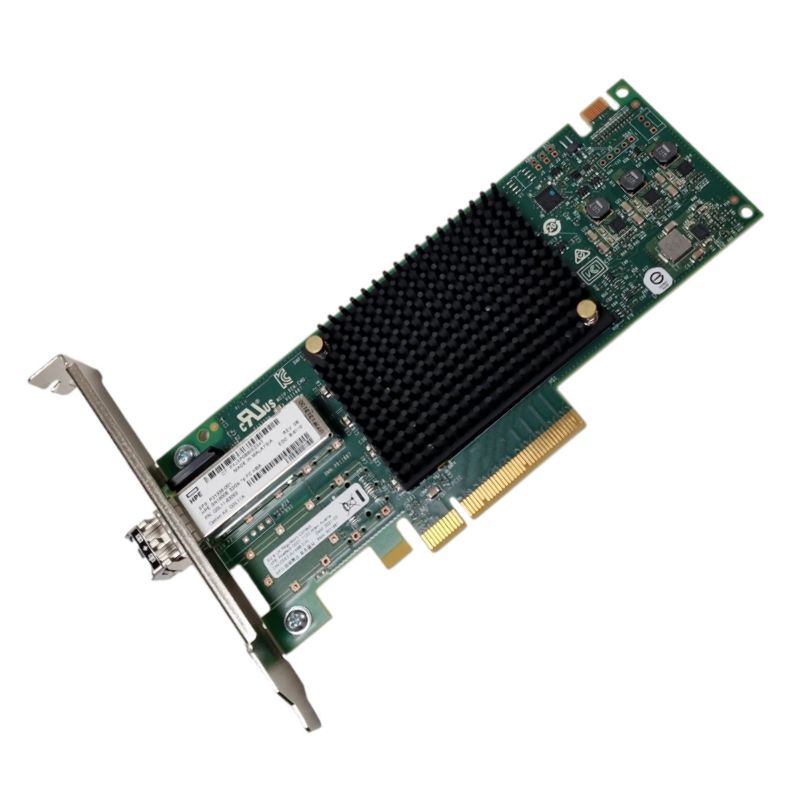


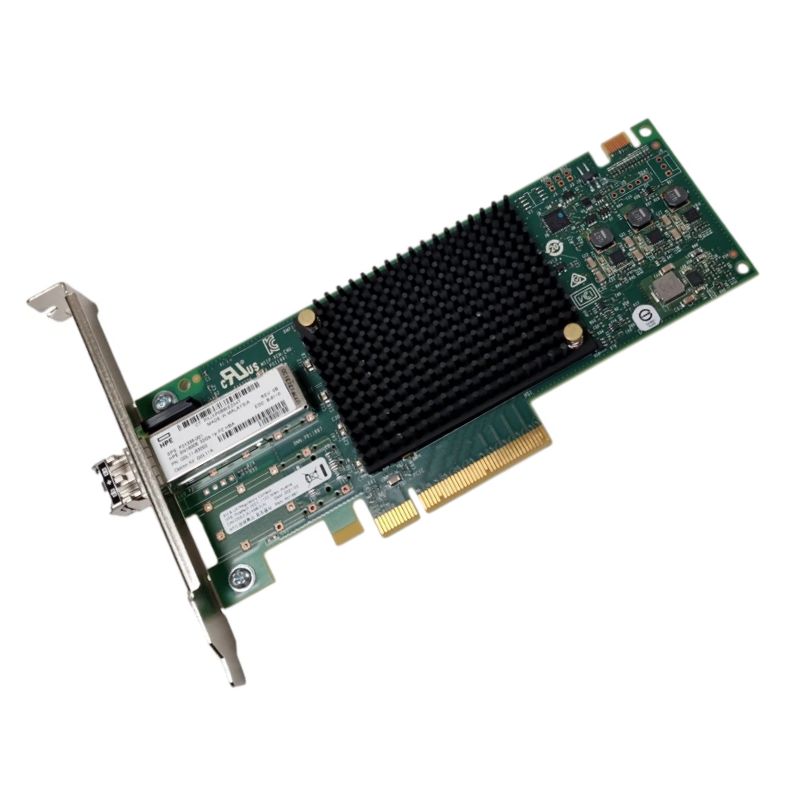
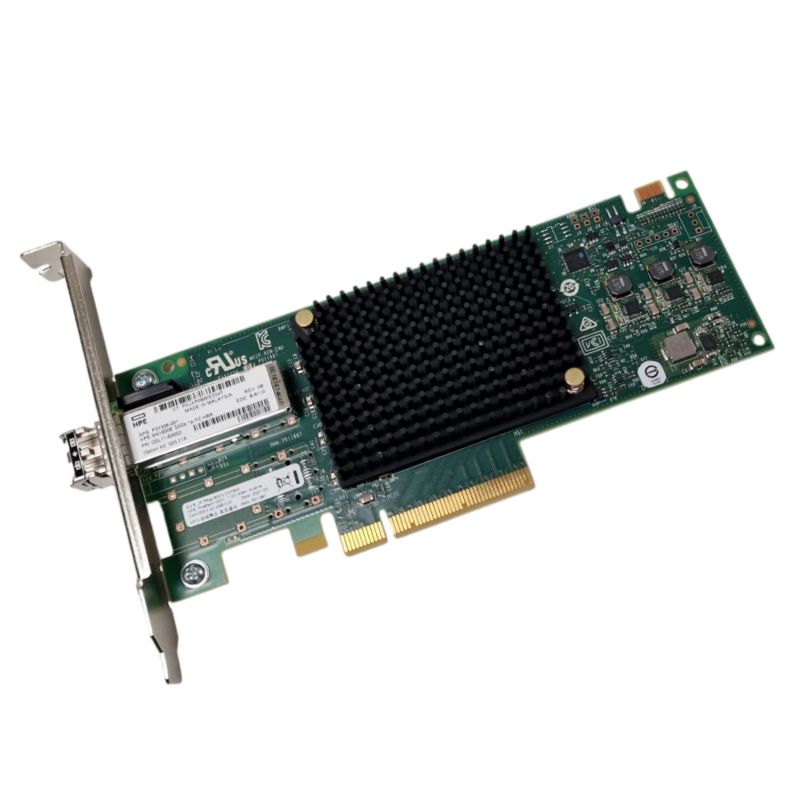
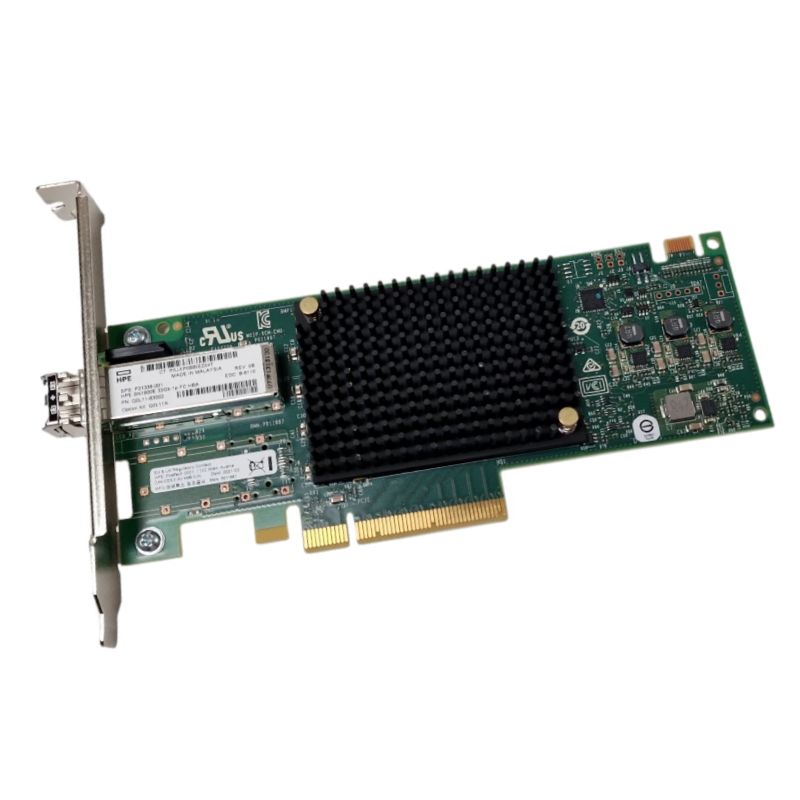
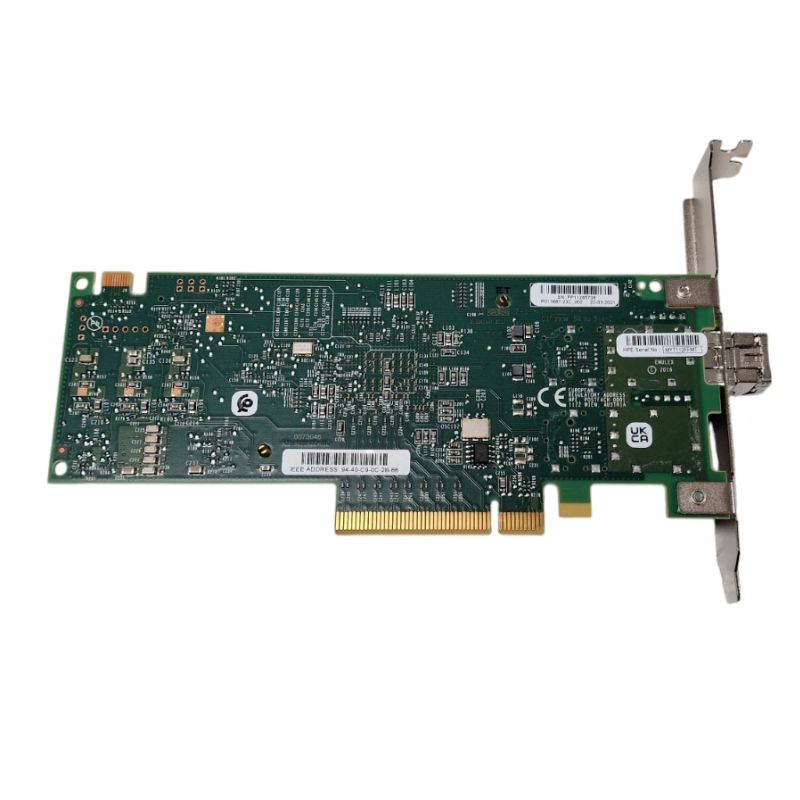
Dell 403-BBLQ Emulex LPE31000 16GB Single Port FC Host Bus Adapter. New (System) Pull with 1 year replacement warranty
The Dell 403-BBLQ Emulex LPe31000 Fibre Channel host bus adapter is engineered to deliver reliable connectivity and accelerated data transfer for modern data centers. Designed for scalable infrastructures, this adapter supports demanding workloads while maintaining consistent throughput and low latency across storage networks.
Fibre Channel (FC) Host Bus Adapters (HBAs) represent a critical infrastructure component in enterprise data centers, enabling servers to communicate with storage systems across high-speed Storage Area Networks (SANs). Within this category, adapters designed for 16Gb Fibre Channel performance deliver a balance of throughput, latency optimization, reliability, and scalability that aligns with modern enterprise workloads such as virtualization, cloud computing, database processing, analytics, and mission-critical applications. The category encompasses hardware interfaces that connect server architectures to SAN fabrics, ensuring consistent data transfer, fault tolerance, and seamless integration with existing storage ecosystems.
Single-port Fibre Channel HBAs provide targeted connectivity for environments where bandwidth requirements, redundancy design, and cost-efficiency must be balanced. These adapters integrate advanced controller technology, firmware intelligence, and hardware offloading capabilities to enhance performance while minimizing CPU overhead. The category is defined not only by raw bandwidth but also by architectural efficiency, protocol support, compatibility with server platforms, and integration with enterprise storage frameworks.
Fibre Channel HBAs operate on a layered protocol stack optimized for block-level storage communication. At the physical layer, optical or copper interfaces transmit data at defined link speeds, while the data link layer manages framing, flow control, and error detection. The transport layer ensures reliable delivery of SCSI commands encapsulated within Fibre Channel frames. Advanced HBAs incorporate intelligent processing engines that offload protocol handling from the host CPU, resulting in reduced latency and improved system performance.
The category emphasizes low-latency communication, deterministic performance, and high throughput, making Fibre Channel technology suitable for enterprise storage deployments where predictable response times are critical. The architectural design of modern HBAs integrates high-speed PCI Express interfaces, optimized firmware pipelines, and robust error-handling mechanisms to ensure consistent data integrity.
Integration with PCI Express (PCIe) slots enables HBAs to leverage high-bandwidth internal server communication pathways. The category typically includes adapters designed for PCIe Gen3 or higher, providing sufficient headroom to support sustained data transfer rates. Compatibility with multiple server architectures, operating systems, and hypervisors ensures broad deployment flexibility across heterogeneous IT environments.
Enterprise HBAs are engineered to operate seamlessly with major server vendors, virtualization platforms, and storage operating systems. This interoperability is achieved through standardized driver support, firmware updates, and adherence to industry specifications. As a result, the category plays a foundational role in enterprise infrastructure modernization.
The 16Gb Fibre Channel category represents a significant evolution in SAN performance compared to earlier generations. With theoretical throughput reaching up to 16 gigabits per second per port, these adapters provide ample bandwidth for data-intensive workloads. In real-world deployments, performance is influenced by factors such as storage array capabilities, fabric design, server architecture, and workload patterns.
Single-port HBAs deliver targeted performance for systems that require dedicated connectivity without the complexity of multi-port redundancy. In many enterprise designs, single-port adapters are deployed in conjunction with redundant fabrics or multiple HBAs to achieve resilience while maintaining cost efficiency. The category therefore supports flexible architectural models tailored to organizational requirements.
Modern Fibre Channel HBAs incorporate hardware-based acceleration features that reduce latency and improve throughput. These features include advanced queuing mechanisms, intelligent interrupt handling, and optimized DMA (Direct Memory Access) operations. By minimizing CPU intervention, HBAs enable servers to dedicate more resources to application processing rather than I/O management.
Low-latency performance is particularly important for applications such as transactional databases, real-time analytics, and virtualized environments where storage responsiveness directly impacts user experience and system efficiency. The category’s emphasis on performance optimization ensures that enterprise systems can meet stringent service-level objectives.
Enterprise Fibre Channel HBAs are designed with robust error detection and correction capabilities. These include cyclic redundancy checks, frame-level error reporting, and automatic retransmission mechanisms. Firmware intelligence monitors link stability, detects anomalies, and initiates corrective actions to maintain reliable connectivity.
The category prioritizes data integrity, recognizing that storage communication errors can have significant operational and financial consequences. As such, HBAs undergo rigorous validation and certification processes to ensure compliance with enterprise reliability standards.
While single-port adapters provide focused connectivity, they are often deployed within architectures that incorporate redundant fabrics, multipathing software, and failover mechanisms. This approach enables enterprises to achieve high availability without necessarily relying on multi-port hardware configurations. The category therefore supports diverse design strategies that balance cost, complexity, and resilience.
Integration with multipathing frameworks allows operating systems to dynamically reroute traffic in the event of link or fabric failures. This capability enhances system uptime and ensures uninterrupted access to critical data resources.
As enterprise data volumes continue to grow, Fibre Channel HBAs must support scalable architectures capable of accommodating increasing storage demands. The category includes adapters that integrate seamlessly with modern SAN fabrics, enabling organizations to expand capacity without significant infrastructure redesign.
Scalability is achieved through compatibility with evolving Fibre Channel standards, flexible firmware upgrades, and interoperability with next-generation storage arrays. This ensures that investments in HBA technology remain viable as enterprise requirements evolve.
Virtualized environments place unique demands on storage connectivity, requiring consistent performance across multiple virtual machines and workloads. Fibre Channel HBAs within this category are optimized for virtualization, supporting features such as NPIV (N-Port ID Virtualization) and efficient resource allocation.
In hybrid and private cloud architectures, HBAs serve as critical connectors between compute resources and centralized storage pools. The category’s design philosophy emphasizes adaptability, enabling seamless integration with software-defined storage frameworks and orchestration platforms.
Enterprise HBAs are supported by comprehensive driver ecosystems that ensure compatibility with major operating systems, including enterprise Linux distributions, Windows Server, and UNIX-based platforms. Vendor-provided drivers and firmware updates are essential components of the category, ensuring optimal performance and security.
The availability of certified drivers simplifies deployment and maintenance, reducing operational complexity for IT teams. The category’s emphasis on broad OS compatibility enhances its applicability across diverse enterprise environments.
Fibre Channel HBAs must interoperate with a wide range of storage arrays, switches, and SAN management tools. Certification with major storage vendors ensures that adapters deliver reliable performance across heterogeneous infrastructures. The category is therefore characterized by extensive interoperability testing and adherence to industry standards.
This interoperability enables organizations to design flexible storage architectures that incorporate best-of-breed components without compromising reliability or performance.
Security is a critical aspect of enterprise storage connectivity. Fibre Channel HBAs support mechanisms such as zoning, LUN masking, and authentication protocols that restrict unauthorized access to storage resources. These features are implemented at both the hardware and fabric levels, ensuring comprehensive protection against data breaches.
The category’s security capabilities align with enterprise governance frameworks, enabling organizations to enforce compliance requirements and protect sensitive data assets.
Firmware integrity is essential to maintaining secure and stable HBA operation. Enterprise adapters incorporate secure boot mechanisms, signed firmware updates, and controlled upgrade processes. These features mitigate the risk of firmware tampering and ensure consistent performance across the adapter lifecycle.
Lifecycle management practices, including proactive monitoring and regular updates, are integral to the category’s long-term reliability and security posture.
Fibre Channel HBAs are widely deployed in enterprise data centers to support mission-critical applications such as ERP systems, financial platforms, and large-scale databases. The category’s performance and reliability characteristics make it suitable for environments where downtime and latency are unacceptable.
In these deployments, HBAs serve as foundational components that enable high-speed communication between servers and centralized storage infrastructure.
Virtualized and containerized environments require storage connectivity solutions that can handle dynamic workloads and rapid provisioning. Fibre Channel HBAs support these requirements through efficient resource allocation, virtualization-aware features, and consistent performance under variable load conditions.
The category’s adaptability makes it suitable for modern DevOps workflows, where rapid scaling and automation are essential.
High-performance computing (HPC) environments demand low-latency, high-bandwidth storage connectivity to support large-scale simulations, scientific research, and analytics workloads. Fibre Channel HBAs within this category deliver the performance characteristics required to sustain intensive data processing operations.
By enabling efficient data movement between compute nodes and storage systems, HBAs contribute to the overall performance and scalability of HPC architectures.
The category is governed by industry standards established by organizations such as the Fibre Channel Industry Association (FCIA) and PCI-SIG. Compliance with these standards ensures interoperability, reliability, and performance consistency across vendor ecosystems.
Enterprise HBAs undergo extensive certification processes to validate compliance with these specifications, providing assurance to organizations deploying them in critical environments.
Certification with major server and storage vendors is a key aspect of the category. This certification process involves rigorous testing across diverse hardware and software configurations, ensuring that adapters deliver consistent performance and reliability.
The category’s integration within vendor ecosystems simplifies procurement, deployment, and support processes, contributing to a streamlined enterprise infrastructure lifecycle.
The evolution of Fibre Channel technology has progressed from early generations of 1Gb and 2Gb to modern 16Gb and higher speeds. Each generation has introduced improvements in bandwidth, efficiency, and reliability. The 16Gb category represents a mature balance of performance and cost, making it widely adopted in enterprise environments.
As organizations prepare for future upgrades, 16Gb HBAs serve as a stable foundation that bridges legacy infrastructure with next-generation storage technologies.
Emerging storage paradigms such as NVMe over Fabrics (NVMe-oF) are influencing the evolution of HBA technology. While Fibre Channel remains a dominant enterprise storage protocol, modern HBAs increasingly incorporate features that support hybrid environments where multiple storage protocols coexist.
This adaptability ensures that the category remains relevant in an evolving technological landscape, supporting both traditional SAN architectures and emerging storage models.
Fibre Channel HBAs play a strategic role in business continuity and disaster recovery architectures. Reliable storage connectivity is essential for replication, backup, and failover operations. The category’s emphasis on stability and performance ensures that critical data remains accessible during planned maintenance or unexpected disruptions.
Integration with replication technologies and disaster recovery frameworks further enhances the resilience of enterprise infrastructures.
Modern enterprises often deploy multi-tier storage architectures that combine high-performance flash storage with cost-effective capacity tiers. Fibre Channel HBAs facilitate efficient data movement across these tiers, enabling organizations to optimize performance and cost simultaneously.
The category’s flexibility supports diverse storage strategies, allowing organizations to align infrastructure investments with business objectives.
Selecting an enterprise Fibre Channel HBA involves balancing performance requirements, budget constraints, and scalability goals. The category offers solutions that address a wide spectrum of enterprise needs, from targeted single-port deployments to large-scale SAN architectures.
By delivering predictable performance and robust reliability, these adapters provide long-term value that extends beyond initial procurement costs.
As organizations pursue digital transformation initiatives, storage infrastructure becomes a critical enabler of innovation and agility. Fibre Channel HBAs support data-driven strategies by providing reliable, high-speed connectivity between compute resources and storage systems.
The category’s technical sophistication and enterprise-grade capabilities position it as a foundational component in modern IT architectures, supporting evolving workloads, expanding data volumes, and increasingly complex application ecosystems.


 Contact Us
 Information
 Catalog
 Solid State Drives (SSD)
 Network Switches
 Hard Disk Drives
 HBA & Controllers
 PC & Servers
 PC & Server Memory
 CPU & Processors
 Network Routers
 Power Supplies
 Tape Drives & Libraries
 Network Devices
 Computer & Network Cables