(7% discount is applied at checkout)
Cart is empty
Your go-to destination for cutting-edge server products
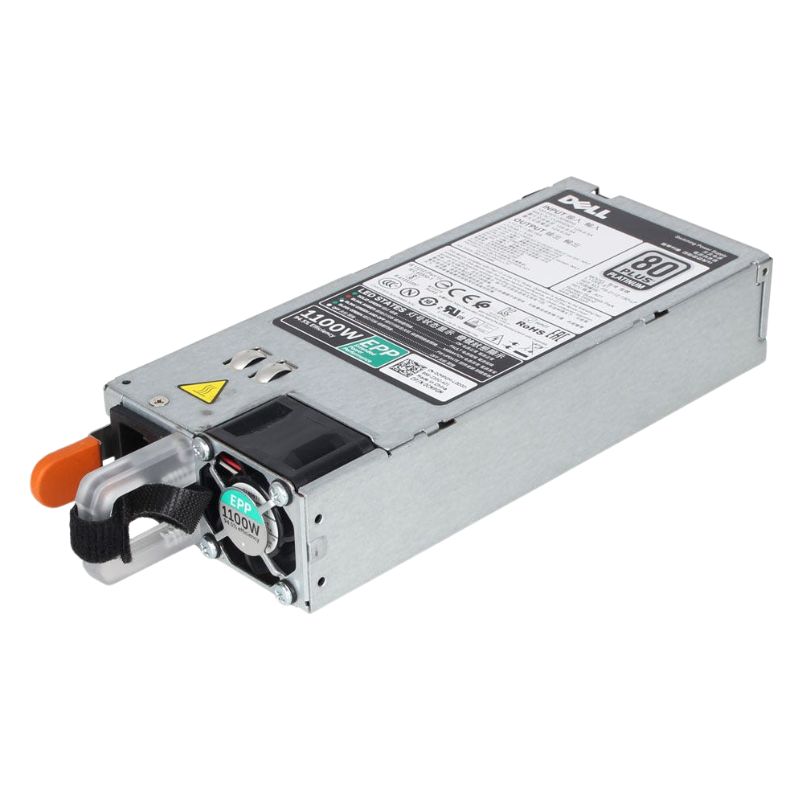


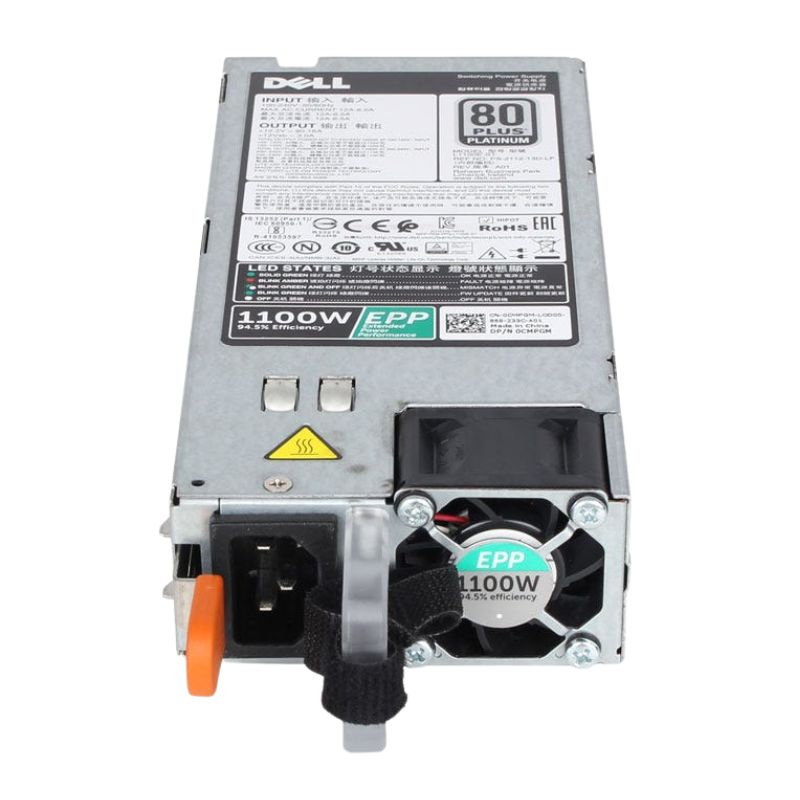
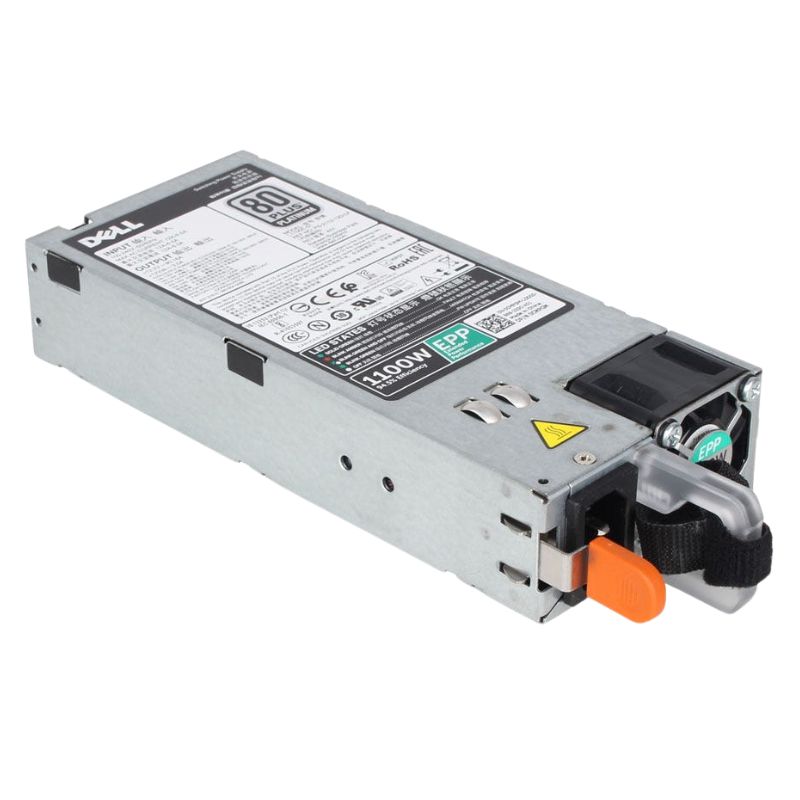
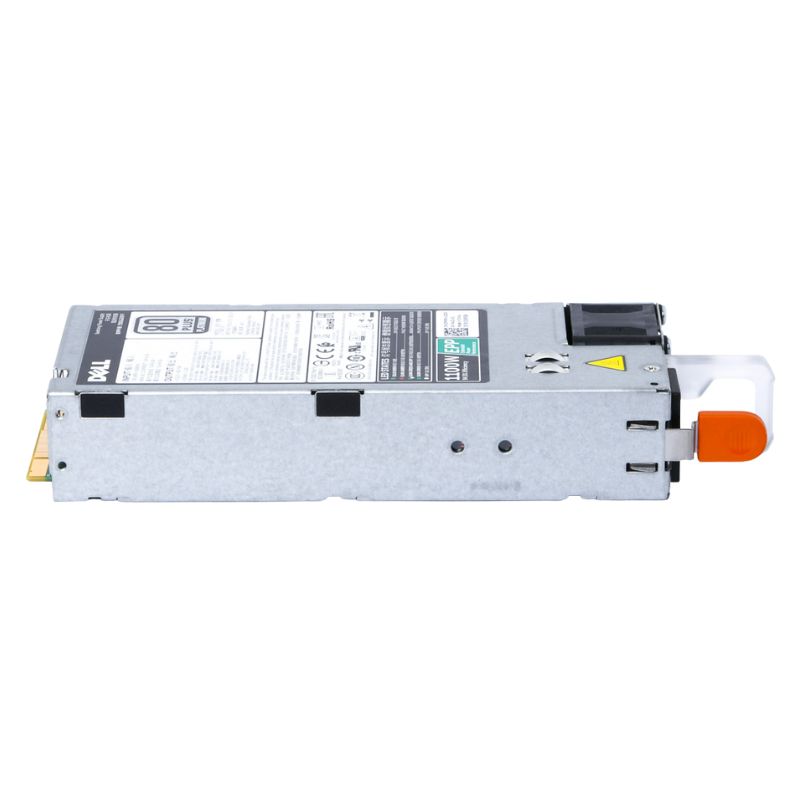
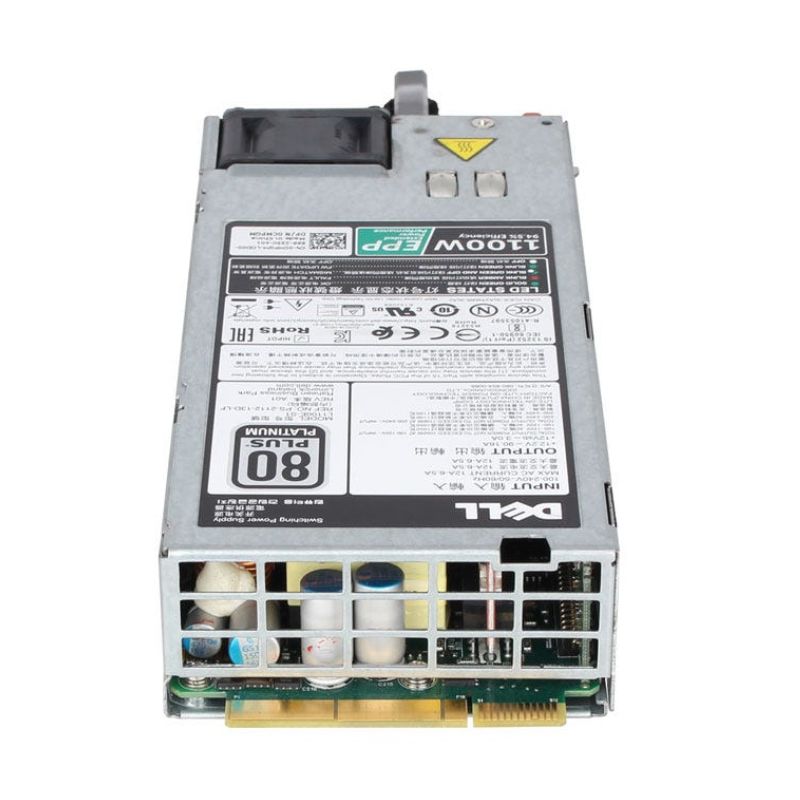
Dell 450-AKPJ 1100 Watt DC 48v Server Power Supply for Poweredge R750/R7525. Excellent Refurbished with 1 year replacement warranty
The Dell 450-AKPJ 1100W DC 48V server power supply is a reliable, high-efficiency component engineered to provide stable energy for enterprise-class servers. Built for performance and longevity, this power supply unit (PSU) is designed specifically for Dell PowerEdge systems, ensuring maximum compatibility and seamless integration.
The Dell 450-AKPJ is engineered for select PowerEdge servers, guaranteeing seamless integration and dependable operation. Using original Dell server components ensures long-term stability and support.
The Dell 450-AKPJ 1100 Watt DC 48V server power supply represents a high-performance, enterprise-grade power solution designed specifically for Dell PowerEdge R750 and R7525 systems. This category covers both original equipment manufacturer (OEM) Dell power supplies and compatible, professionally-tested replacement units engineered to meet the strict demands of modern data centers, rack-scale deployments, hyperconverged infrastructures, and mission-critical server environments. Pages in this category describe form factor, electrical characteristics, mechanical fit, compatibility notes, and real-world deployment guidance so IT purchasers and systems administrators can make confident buying decisions that improve uptime, efficiency, and long-term TCO (total cost of ownership).
Power supplies in the 1100 Watt class deliver the headroom required for multi-socket CPUs, dense memory configurations, multiple NVMe drives, and high-performance accelerators such as GPUs or FPGAs. The Dell 450-AKPJ 1100W DC 48V model is tailored to the PowerEdge R750 and R7525 chassis families where a reliable 48-volt DC rail is used to power system components efficiently. In practice, choosing a robust 1100W supply reduces the risk of overload in peak performance workloads and allows administrators to deploy high-power acceleration modules and additional storage without compromising system stability. This supply category also supports common enterprise needs such as redundant configurations (N+1 or 2N), hot-swap capability, and firmware-managed power telemetry to facilitate predictive maintenance and rapid serviceability.
Compatibility is a primary concern when selecting replacement or spare Dell 450-AKPJ units. This product category explicitly aligns with chassis and backplane specifications of the PowerEdge R750 and R7525. While both server families share similar modular power architectures, the R750 is typically used for balanced CPU-and-memory-centric workloads, whereas the R7525 is optimized for high-density compute and accelerated applications. The Dell 450-AKPJ is engineered to fit the physical bay, power-interface connector, and firmware handshake expected by these PowerEdge platforms. Buyers should verify the server’s service tag, original equipment list, or existing power module part number when confirming compatibility. Pages in this category provide cross-reference charts and OEM part equivalencies so you can match the 450-AKPJ to the exact revision and firmware level required for plug-and-play operation.
The technical heart of the 1100 Watt DC 48V supply lies in its electrical architecture. Designed for efficient DC distribution, the unit provides a stable 48V output that the server’s internal conversion and distribution systems then step down to the voltages required by CPUs, memory, and peripherals. Critical technical characteristics covered in this category include maximum output power (1100W continuous), transient response behavior under sudden load spikes, hold-up time during brief input disturbances, and power-factor characteristics when used with a compatible DC distribution system. Although specifications may vary slightly between OEM firmware revisions and third-party remanufacturers, the common thread across the category is a focus on reproducible, reliable power delivery appropriate for rack-level, always-on compute infrastructure.
Thermal performance and airflow orientation are frequently overlooked but essential elements when installing a Dell 450-AKPJ unit. The power module is designed to align with the server’s front-to-back airflow pattern, ensuring that heat generated by the supply is carried away by the system fans and does not create hot spots within the chassis. Pages within this category explain how thermal sensors in the power supply interact with the server management controller to modulate fan speed, and they outline installation practices that preserve the intended thermal envelope. Proper thermal integration reduces fan RPM requirements, which in turn lowers noise and improves component longevity.
Mechanical compatibility for the 450-AKPJ includes standardized tray dimensions, ejector latch mechanisms, and connector pin alignments. The category emphasizes the hot-swap service model common to Dell PowerEdge designs: technicians can remove and replace power modules while the server continues running in a redundant configuration, minimizing downtime for critical workloads. Product pages describe best practices for safe hot-swap operations, including LED status indicators, firmware signaling, and the correct order of insertion and removal to avoid system surprises. Serviceability notes also cover the use of tamper-free screws, captive hardware, and service tags to simplify inventory and field replacements.
When designing redundant power architectures with Dell 450-AKPJ supplies, IT teams must consider load balancing, capacity planning, and failover behavior. For example, when using dual supplies in a redundant N+1 configuration, the system must be able to continue operating at full load even if one module fails or is removed for maintenance. Category content provides guidance on how many supplies are required for specific server configurations, how to achieve graceful degradation under extreme power draw, and how to configure the server’s management interface to alert administrators proactively when the module enters a predictive failure state. These recommendations are crucial for ensuring uptime SLAs and protecting data integrity in production environments.
Energy efficiency is a central consideration for any enterprise power component. The Dell 450-AKPJ series is part of a category that prioritizes high-efficiency power conversion to reduce energy losses and lower cooling requirements. While exact efficiency curves can vary by unit and operating point, category entries highlight that selecting higher-efficiency supplies can yield measurable reductions in facility electrical consumption when deployed at scale. Additionally, this category documents common certifications and regulatory compliance marks relevant to global deployments—electromagnetic interference (EMI) standards, safety certifications, and environmental directives. Having proper certification documentation available within the product listing is vital for customers who must adhere to local regulations or data center standards.
Reliability in the face of environmental stresses is an area covered extensively across this category. The 450-AKPJ power supply is exposed to heat, vibration, and electrical transients in real deployments, so product pages often include recommended operating temperature ranges, humidity tolerances, and shock/vibration ratings. Where applicable, listings summarize stress tests and MIL-standard or industry-standard testing that the unit has undergone. The objective is to reassure buyers that the unit will meet performance expectations even within demanding rack environments, and to provide practical guidance on protecting the supply from non-ideal operating conditions.
Understanding the connector and cabling scheme of the Dell 450-AKPJ is essential to a successful installation. This category provides the technical mapping between the power supply pins and the server’s backplane, clarifies which harnesses are supported, and explains how power and signaling lines are routed within the chassis. Customers will find detailed notes about any required adapter cables for third-party installations and the importance of maintaining correct pinouts to preserve server management capabilities, such as power telemetry and predictive fault reporting. Ensuring correct backplane integration prevents issues like incorrect voltage reporting or inability to enter redundant modes.


 Contact Us
 Information
 Catalog
 Solid State Drives (SSD)
 Network Switches
 Hard Disk Drives
 HBA & Controllers
 PC & Servers
 PC & Server Memory
 CPU & Processors
 Network Routers
 Power Supplies
 Tape Drives & Libraries
 Network Devices
 Computer & Network Cables