(7% discount is applied at checkout)
Cart is empty
Your go-to destination for cutting-edge server products
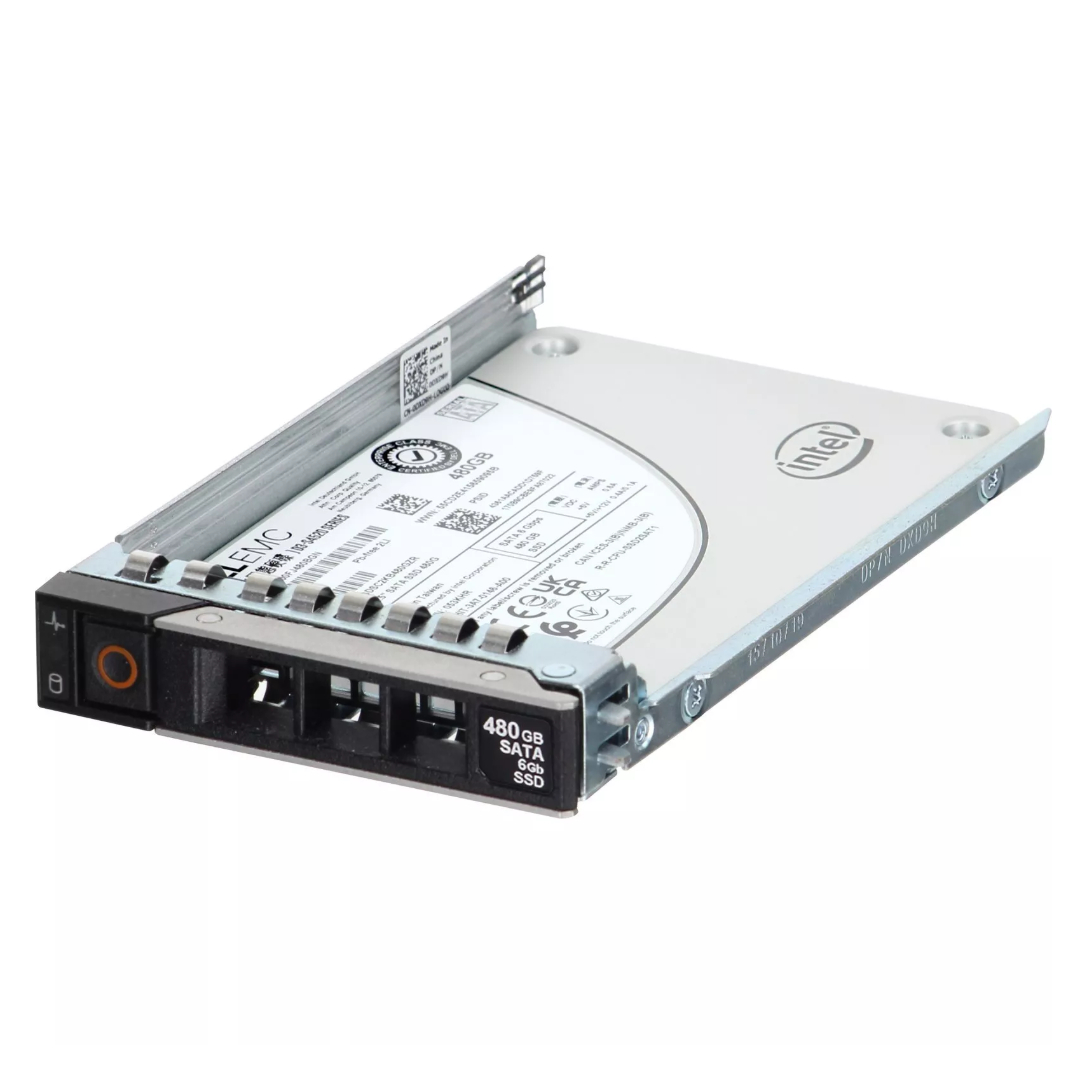


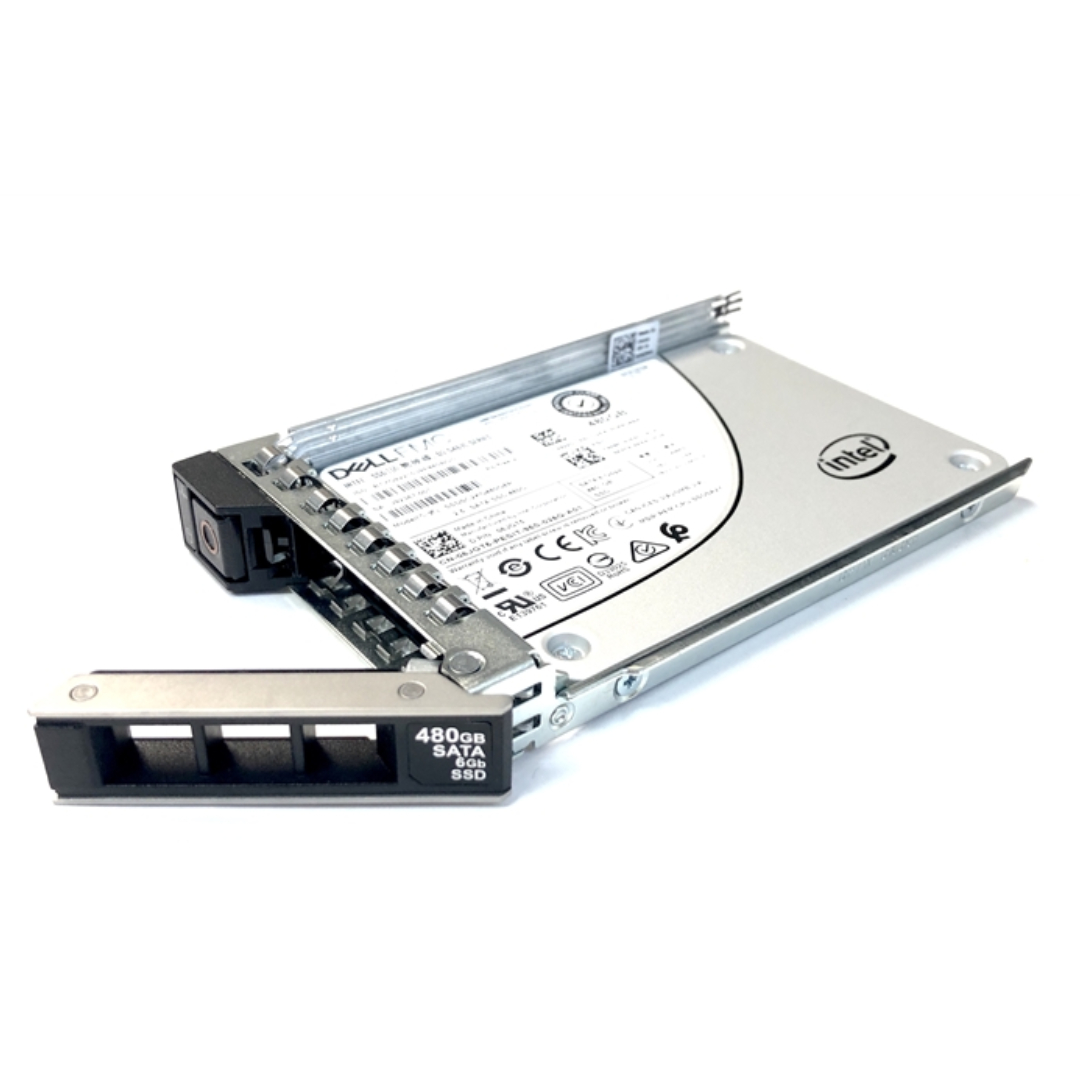
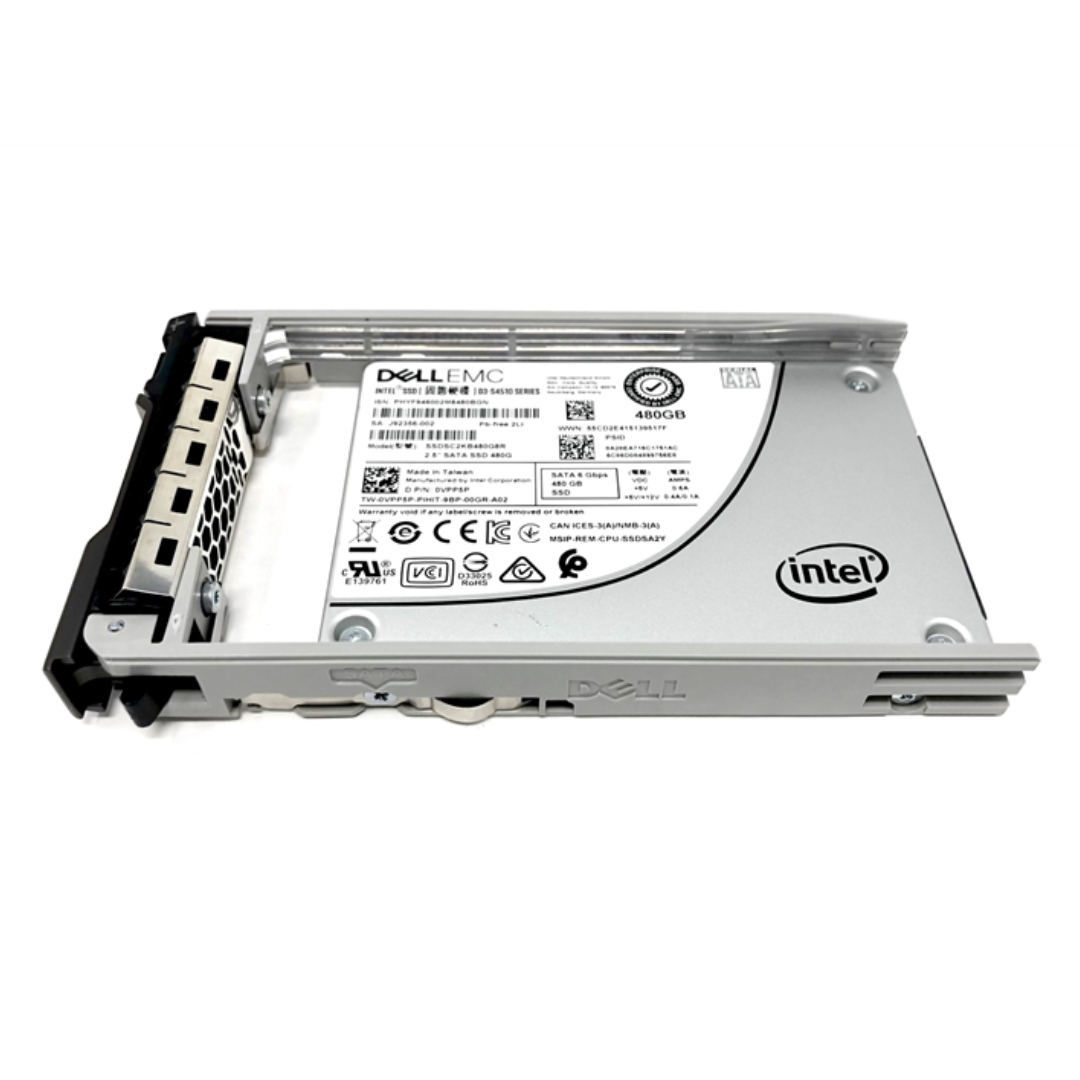
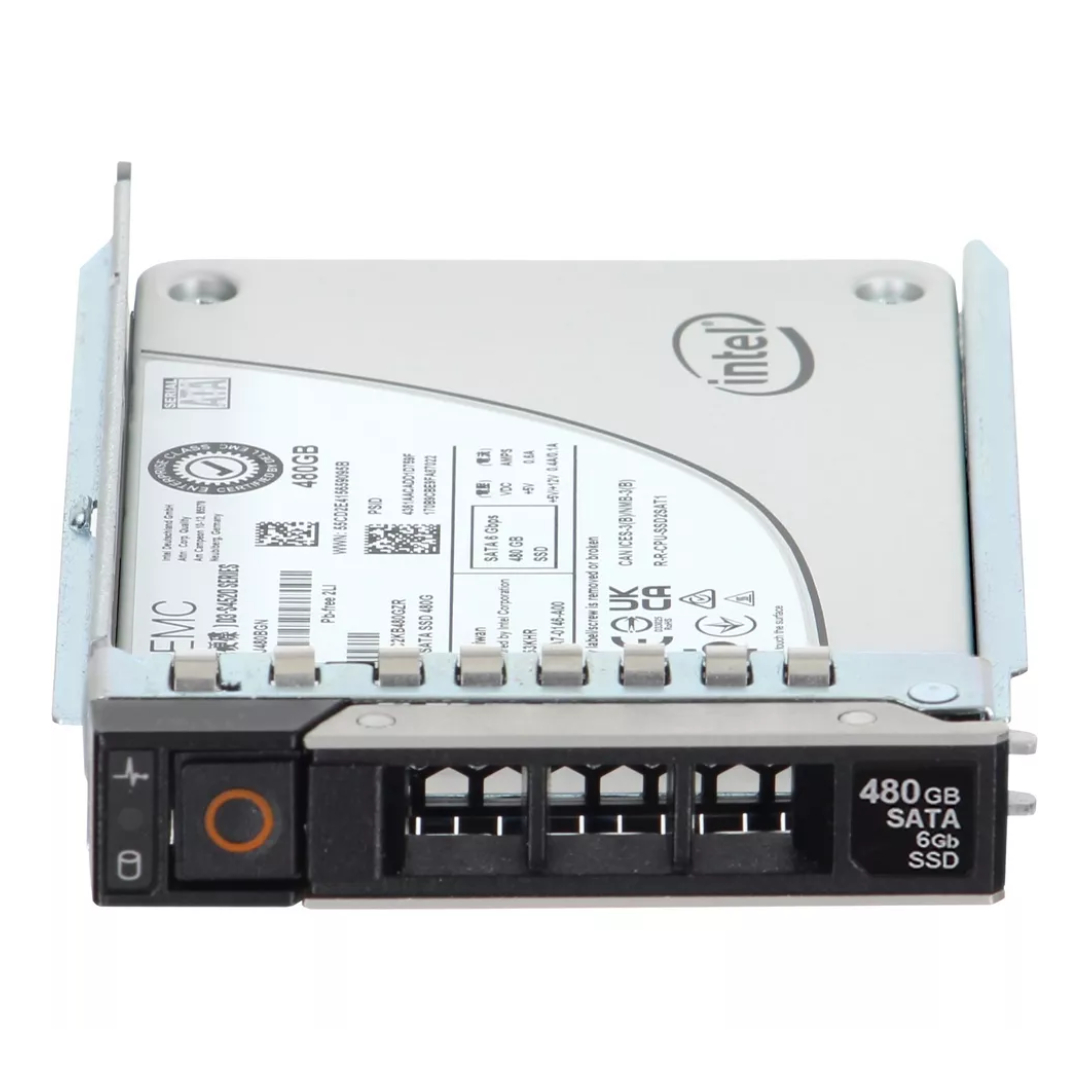
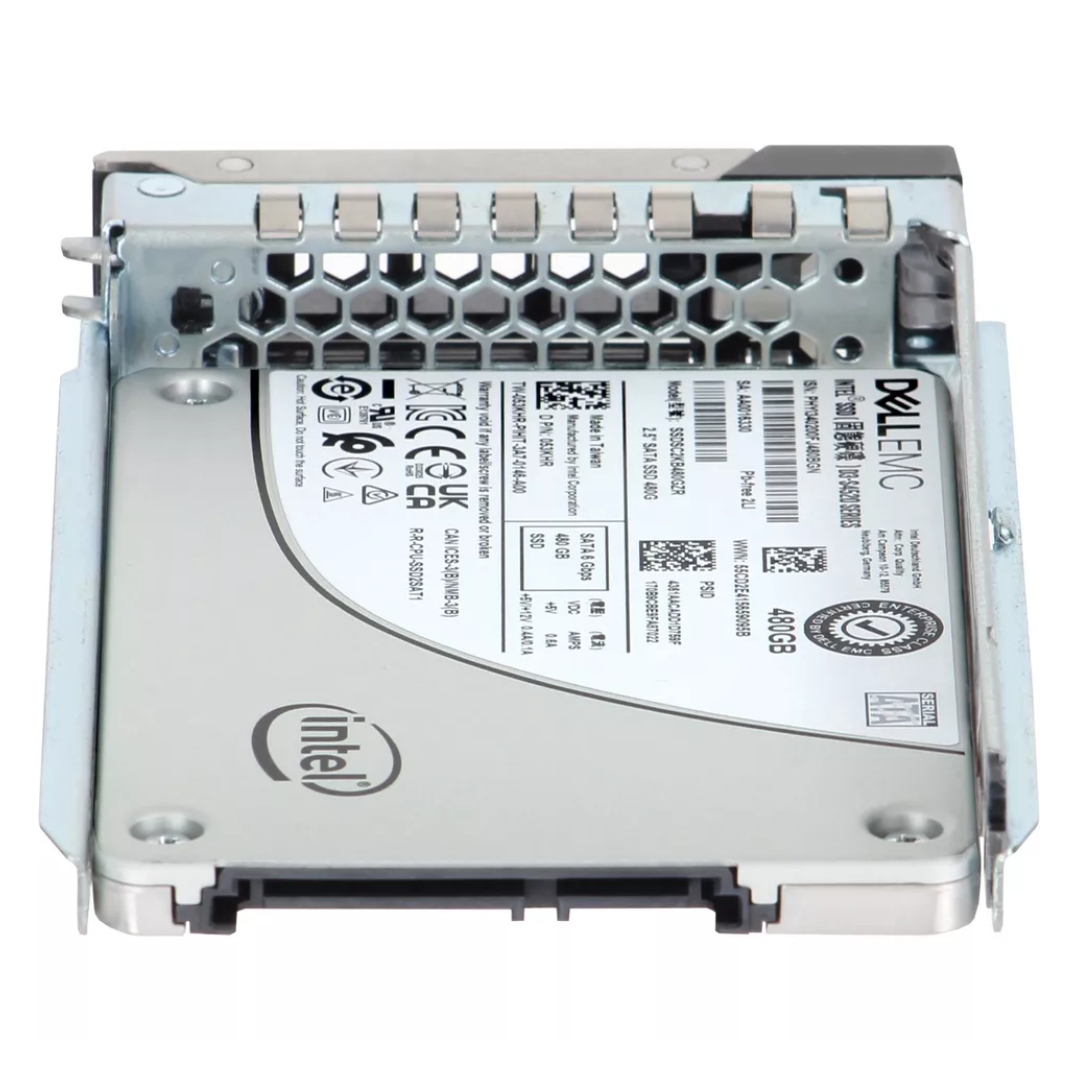
Dell 64TMJ 480GB SATA 6GBPS MLC Read Intensive 512N SSD. Excellent Refurbished with 1 year replacement warranty
| SKU/MPN | Warranty | Price | Condition | You save |
|---|---|---|---|---|
| 64TMJ | 1 Year Warranty | $498.00 | New Sealed in Box (NIB) | You save: $174.30 (26%) |
| 64TMJ | 1 Year Warranty | $185.00 | Excellent Refurbished | You save: $64.75 (26%) |
The Dell 64TMJ 480GB Read Intensive MLC SATA 6Gbps 2.5-inch hot-plug solid state drive represents a focused category of enterprise-class storage optimized for read-heavy workloads in PowerEdge 14G server environments. This category emphasizes a balance between cost-efficiency and reliable performance: multi-level cell (MLC) NAND is tuned for read-intensive profiles, the SATA 6Gbps interface provides broad compatibility with legacy and modern server controllers, and the 2.5-inch hot-plug form factor simplifies serviceability in dense rack deployments. For e-commerce category pages and product taxonomy, framing the drive as part of a read-optimized SSD family for PowerEdge 14G servers helps shoppers and procurement teams immediately identify the use-case: accelerating read-dominant applications such as virtual desktop infrastructure (VDI) read caches, web front ends, large-scale content delivery, and database read replicas.
This category centers on several defining technical attributes. The 480GB capacity offers a middle-ground storage tier that supports modest to substantial working datasets while maintaining sparse rack footprint. Read-intensive MLC NAND provides improved read throughput and random I/O performance versus traditional spinning media, and the SATA 6Gbps link ensures plug-and-play compatibility with the majority of Dell PowerEdge 14G RAID controllers and HBA adapters. The 2.5-inch form factor enables high-density chassis configurations, while hot-plug capability reduces downtime by allowing drives to be removed and installed without powering down the server—an important feature in mission-critical environments that require high availability.
Within the category, performance is characterized by sustained sequential read speeds adequate for streaming and backup scenarios, and strong random read IOPS that make these drives well-suited for workloads with frequent small-block read operations. Typical enterprise benchmarks show marked improvements in application response times when replacing spinning disks with read-optimized SSDs, particularly for read-heavy database queries, web caching layers, and virtualization boot storms. Although write endurance is lower than write-intensive nand types, for read-centric roles the trade-off is favorable: lower cost per gigabyte and higher read throughput without the higher write-endurance premium.
One of the distinguishing aspects of this category is certified interoperability with Dell PowerEdge 14G servers. Compatibility not only includes mechanical fit and electrical interface, but also firmware-level interactions with Dell controllers and the iDRAC management ecosystem. These drives are engineered to work with standard Dell firmware updates and monitoring tools, exposing SMART attributes and vendor-specific telemetry to facilitate predictive maintenance. For procurement and systems engineering teams, listing compatibility with PowerEdge 14G configurations—rack, tower, and modular—improves confidence that the drives will integrate smoothly into existing fleets and standardized server builds.
Firmware plays a pivotal role in enterprise SSD behavior, impacting performance consistency, error handling, and compatibility with RAID controllers. Drives in this category typically ship with firmware optimized for read operations and designed to cooperate with Dell PowerEdge health monitoring. Administrators should ensure firmware revisions are kept current to benefit from stability improvements and feature enhancements. Monitoring tools such as iDRAC and OpenManage can surface drive health metrics and SMART warnings, enabling early detection of anomalies and orderly replacements. For large deployments, centralized firmware management reduces administrative overhead and ensures consistency across thousands of drives.
Endurance ratings for read-intensive MLC SSDs are expressed in drive writes per day (DWPD) or total terabytes written (TBW) scaled across warranty life. The Dell 64TMJ family targets workloads requiring lower write endurance but high read performance. This means that while write-heavy logging databases or intensive transactional systems might be better served by write-optimized NVMe or 3D TLC/QLC variants with higher endurance, the 480GB read-intensive MLC is ideal for caching layers, read-replica roles, and content distribution nodes. Reliability in the category is further enhanced by enterprise-grade components, on-board error correction, power-loss protection strategies appropriate to the SATA interface, and robust controller designs that mitigate data corruption under common failure modes.
Thermal characteristics are an important but often overlooked dimension of SSD selection. 2.5-inch enterprise SSDs deployed densely in PowerEdge 14G chassis should be assessed for steady-state power draw and peak thermal dissipation. Drives in this category are engineered to operate within typical server channel cooling envelopes, and their lower mechanical motion—compared to HDDs—reduces thermal inertia and vibration. However, in extremely dense compute and storage racks, administrators should validate enclosure airflow, ensure front-to-back cooling paths are unobstructed, and monitor ambient temperatures to prevent thermal throttling, which can reduce performance during sustained heavy reads. Efficient power profiles in modern MLC controllers also help lower datacenter power bills when aggregated across many drives.
The 2.5-inch sizing permits deployment in high-density backplanes and sleds, and hot-plug capability minimizes downtime during maintenance windows. This category favors modular server architectures where drives can be exchanged rapidly via tool-less mechanisms designed by Dell. From a logistics perspective, stocking spares of the 480GB capacity in common service depots allows rapid swap-outs and lowers mean time to repair (MTTR). Additionally, consistent mechanical design across the category simplifies inventory management because trays and caddies are standardized across models and generations of PowerEdge systems.
When installing drives from this category into production systems, it is prudent to follow a sequence that protects data integrity and aligns with cluster policies. Before physical insertion, administrators should confirm firmware compatibility and perform a brief health scan to check SMART attributes. For RAID deployments, establishing a rebuild policy that accounts for the drive's rebuild speed and the array's capacity ensures resilience during hot-swap events. It is also beneficial to stagger firmware updates rather than applying them simultaneously across all drives in a single array to minimize collective risk during updates. Finally, documenting serial numbers and warranty details at the time of installation streamlines future service requests.
Drives in this class excel in environments where read throughput, low latency, and predictable performance are more critical than extreme write endurance. Typical use cases include web servers serving media-heavy content, caching nodes for distributed file systems, read-replica database nodes that offload query load from primary servers, and virtualization infrastructures where numerous virtual machines perform frequent read operations. Content delivery networks (CDNs) and edge caching deployments that require many small, fast reads can also leverage this category for a favorable price-performance ratio.
In virtual desktop infrastructure, boot storms and read-centric operations during login events can overwhelm traditional HDD arrays. The 480GB read-intensive SSD is often used in tiered architectures where the hottest read set is placed on SSDs while colder data remains on high-capacity HDDs. This hybrid approach preserves cost efficiencies while delivering the responsive I/O required for a smooth user experience. Importantly, the drive's consistent read IOPS and low latency reduce contention among virtual machines competing for the same physical storage resources.
Capacity planning for this category requires careful mapping between dataset growth, workload patterns, and the enterprise’s performance targets. While a single 480GB drive provides a usable capacity that fits many read cache scenarios, scaling out to achieve required throughput and redundancy often results in arrays of multiple SSDs combined with RAID or software-defined storage layers. The 2.5-inch footprint enables administrators to scale horizontally within rack units without dramatic increases in physical space. When planning, factor in overhead for RAID parity, operating system partitions, and future expansion to avoid mid-life capacity shortfalls.
Architectures that benefit from this SSD category include hybrid arrays where SSDs front a larger HDD pool, all-flash read-cache appliances, and tiered software-defined storage systems that automatically promote frequently accessed blocks to SSD. In distributed storage clusters, the predictable low-latency reads from these drives improve overall cluster responsiveness and user experience. For organizations adopting hyperconverged infrastructure, these SSDs can serve as the caching tier that accelerates both compute and storage operations simultaneously.
Although SSDs eliminate many failure modes associated with mechanical HDDs, they introduce unique considerations around data integrity and failure patterns. Enterprise-grade controllers in these drives implement error-correcting codes and wear-leveling algorithms that maintain data fidelity across the drive's life. For redundancy, RAID configurations remain a core strategy; however, rebuild times for SSD arrays and the behavior of controller firmware during rebuilds should be validated. Some modern RAID controllers include SSD-specific optimizations that reduce rebuild stress and prevent unnecessary write amplification. Aligning RAID level selection with workload patterns and service-level objectives ensures balanced protection without compromising performance.
Because read-intensive SSDs are often used as performance layers, persistent storage policies should incorporate regular snapshotting and backups to slower, denser media or object storage for archival retention. Snapshots provide fast point-in-time restores and are particularly effective when combined with replication to remote sites. For long-term retention, moving cold data to cost-efficient HDDs or cloud storage reduces costs while preserving compliance and recovery options. Designing backup windows and retention policies that account for the SSD’s role in the storage hierarchy ensures that the performance tier remains optimized for active workloads.


 Contact Us
 Information
 Catalog
 Solid State Drives (SSD)
 Network Switches
 Hard Disk Drives
 HBA & Controllers
 PC & Servers
 PC & Server Memory
 CPU & Processors
 Network Routers
 Power Supplies
 Tape Drives & Libraries
 Network Devices
 Computer & Network Cables