(7% discount is applied at checkout)
Cart is empty
Your go-to destination for cutting-edge server products
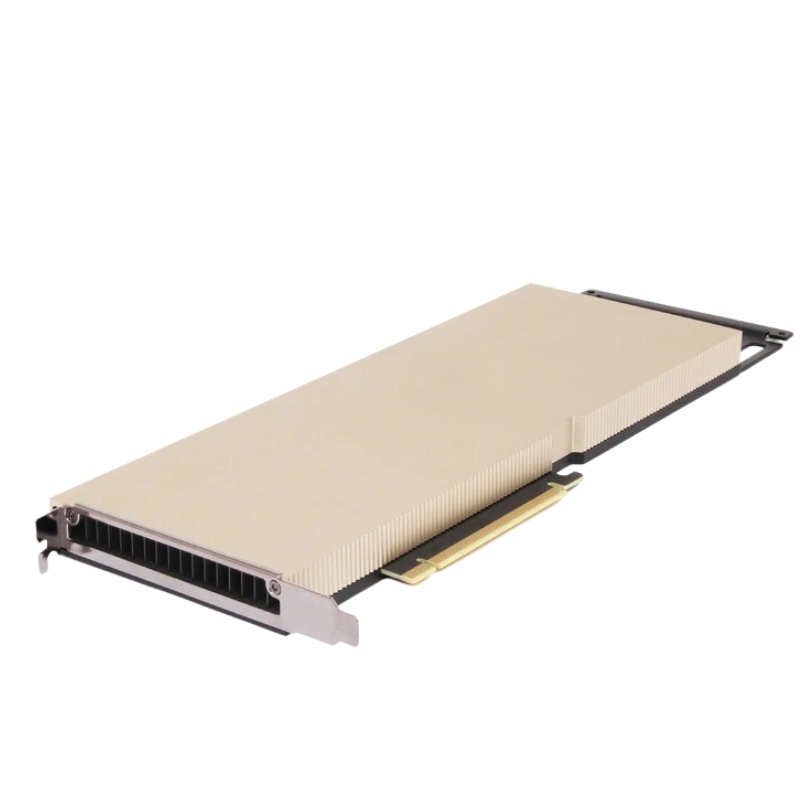


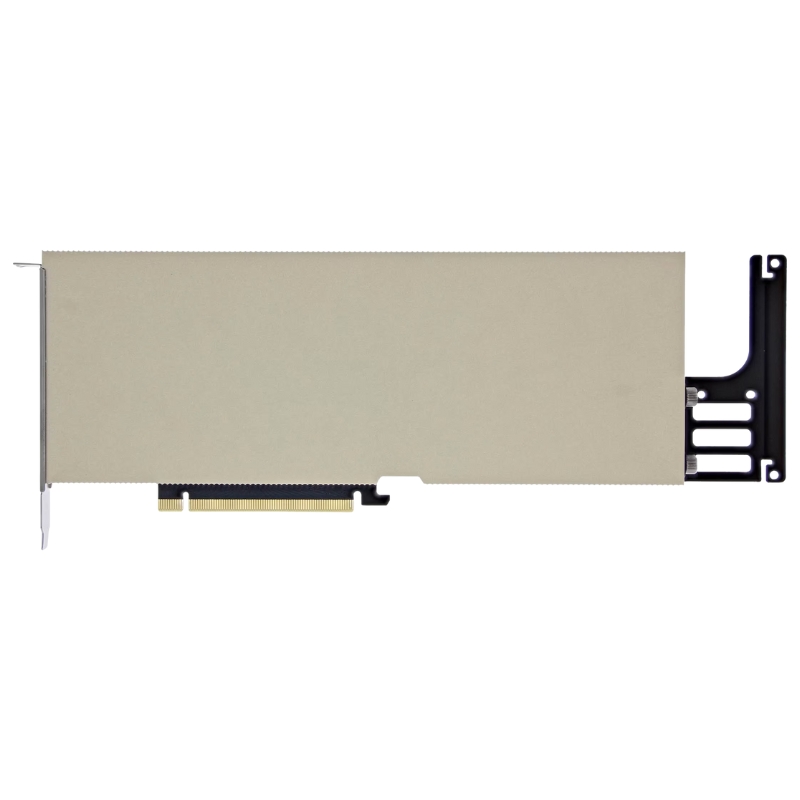
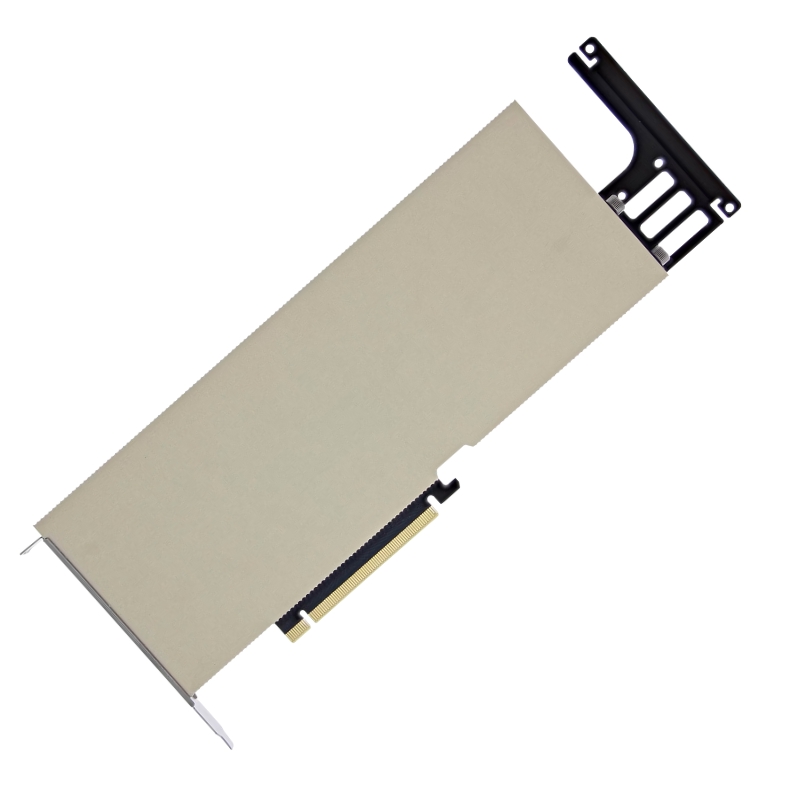
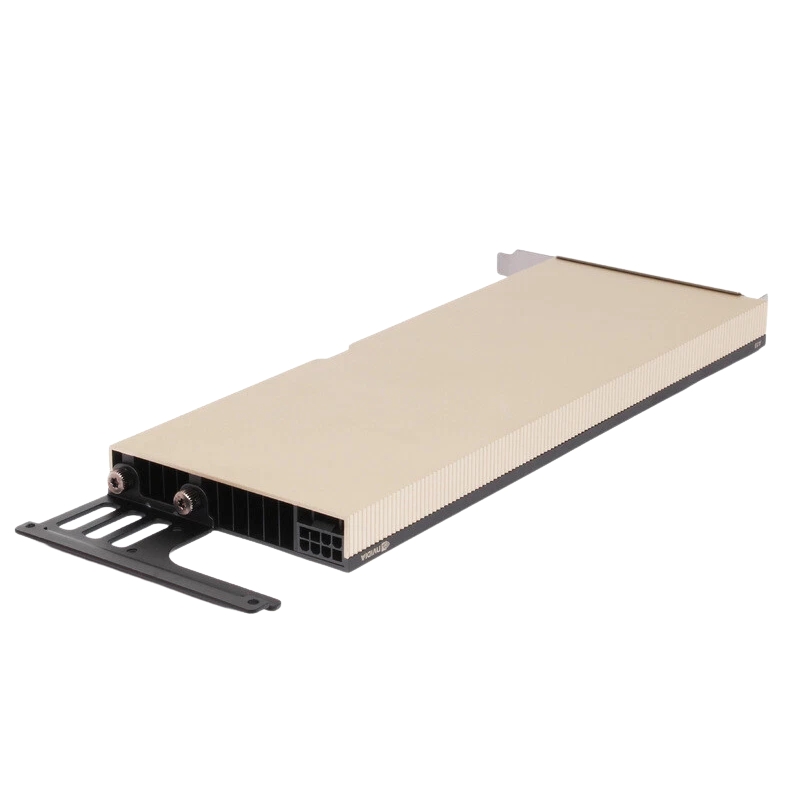
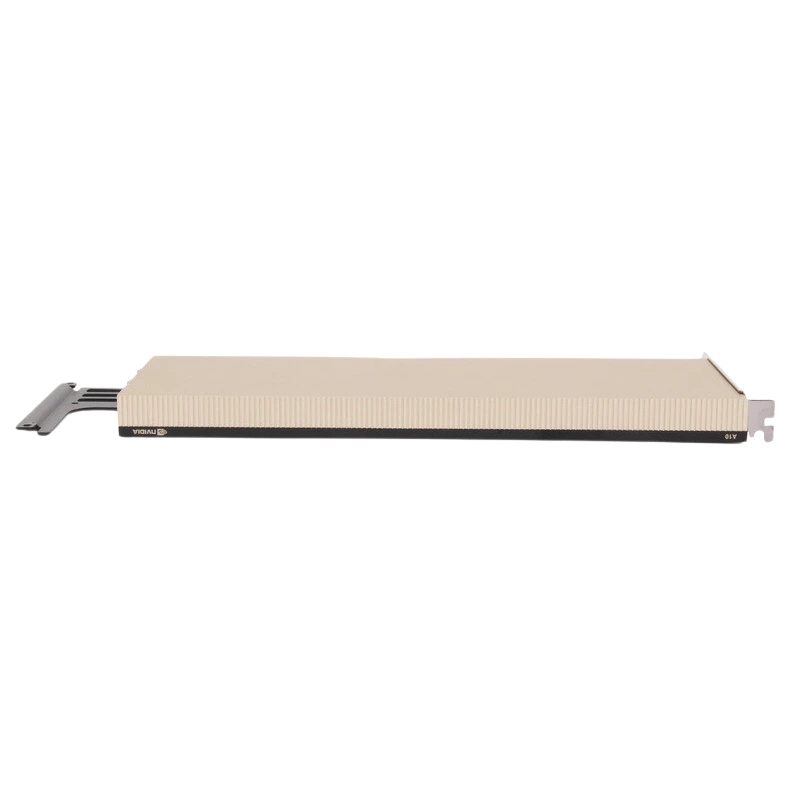
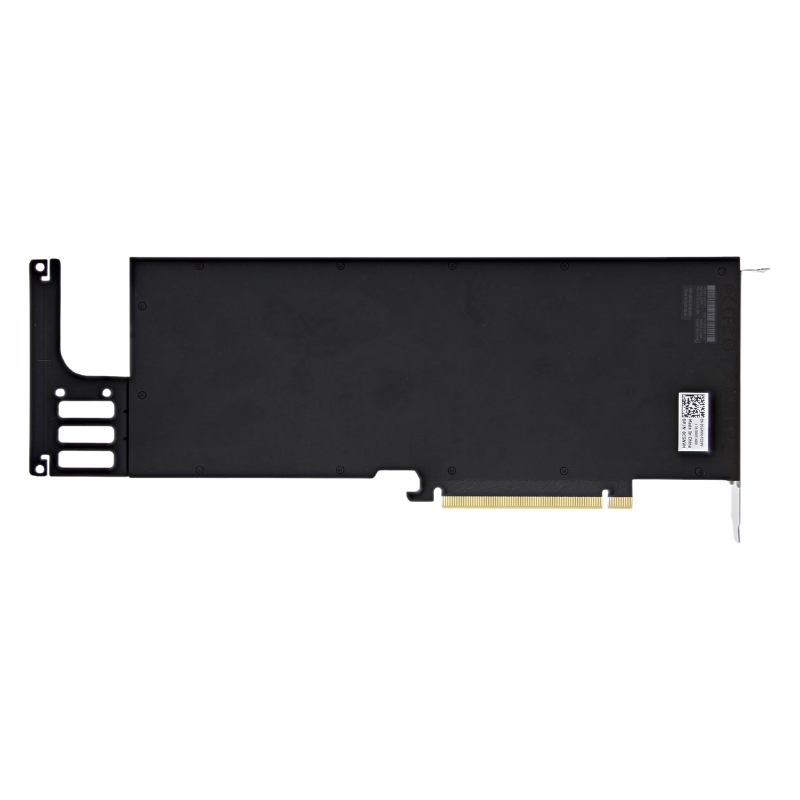
Dell 490-BGLB 24GB GDDR6 Nvidia Ampere PCIE Gen4 Passive GPU. Excellent Refurbished with 1 year replacement warranty
The Dell 490-BGLB 24GB GDDR6 Nvidia Ampere PCIe Gen4 Passive GPU is a high-performance graphics solution designed for data centers, AI workloads, and enterprise-level computing. Engineered with the advanced NVIDIA Ampere architecture, this GPU provides exceptional acceleration for machine learning, deep learning, and high-performance computing tasks. With support for PCIe Gen4 connectivity and passive cooling, it ensures optimal performance, energy efficiency, and reliability in demanding server environments.
The Dell 490-BGLB 24GB GDDR6 Nvidia Ampere PCIe Gen4 Passive GPU represents a new generation of professional graphics acceleration designed for advanced computing environments, artificial intelligence workloads, deep learning, high-performance computing, and data visualization. Leveraging the power of the Nvidia Ampere architecture, this GPU delivers a substantial performance boost, enhanced memory bandwidth, and improved efficiency compared to previous generations. Its passive cooling design and PCIe Gen4 interface make it a reliable solution for servers, data centers, and enterprise-grade workstations where scalability, reliability, and performance are paramount.
Built on Nvidia's cutting-edge Ampere architecture, the Dell 490-BGLB GPU brings a significant leap in parallel computing capabilities. The Ampere design introduces second-generation RT cores, third-generation Tensor cores, and advanced CUDA cores, allowing the GPU to handle complex computational workloads with increased speed and precision. This architecture enhances real-time ray tracing, AI training and inference, and data processing, enabling organizations to accelerate workflows across diverse applications such as simulation, modeling, analytics, and scientific computing.
The Dell 490-BGLB GPU utilizes a highly optimized array of CUDA cores that dramatically increase floating-point and integer processing capabilities. This architecture is designed to accelerate complex mathematical computations, matrix multiplications, and parallel tasks essential for AI, deep learning, and engineering applications. The improved core efficiency allows for better utilization of GPU resources, resulting in faster performance and reduced execution time across demanding workloads.
With third-generation Tensor cores, the GPU achieves new heights in deep learning and AI acceleration. These cores are optimized for mixed-precision computing, allowing the GPU to handle FP32, FP16, INT8, and INT4 operations with exceptional efficiency. This flexibility is crucial for neural network training, inference, and natural language processing tasks. Organizations can train larger models, reduce training time, and improve inference performance, making the Dell 490-BGLB a preferred choice for machine learning environments and AI-driven applications.
The integration of second-generation RT cores enables real-time ray tracing with greater accuracy and efficiency. These cores accelerate rendering processes by simulating the physical behavior of light, delivering realistic lighting, reflections, and shadows. This feature is essential for visual effects, scientific visualization, and rendering-intensive workflows. The advanced ray tracing capabilities make the Dell 490-BGLB GPU ideal for industries such as media and entertainment, architecture, automotive design, and geospatial analysis where photorealistic rendering is crucial.
The Dell 490-BGLB is equipped with 24GB of high-speed GDDR6 memory, enabling the GPU to handle large datasets, high-resolution models, and memory-intensive applications with ease. The increased memory capacity and bandwidth significantly improve data transfer rates and minimize latency, which is vital for workloads such as simulation, rendering, scientific computing, and deep learning. The memory architecture supports complex multi-tasking and parallel processing, ensuring that performance remains consistent even under heavy workloads.
The GDDR6 memory technology in the Dell 490-BGLB provides superior bandwidth, allowing for faster data access and transfer between the GPU and system memory. This improvement accelerates performance in large-scale simulations, AI model training, and data visualization tasks. The increased throughput ensures that memory bottlenecks are minimized, allowing for seamless processing of high-volume data streams and real-time analytics.
With 24GB of dedicated memory, the GPU can support complex neural network architectures, massive 3D models, and intricate simulation environments without compromising performance. This capability is especially critical for industries such as life sciences, engineering, and finance, where computational tasks involve extensive datasets and intricate calculations. The large memory pool also enables better handling of concurrent tasks, improving system responsiveness and overall productivity.
The Dell 490-BGLB GPU leverages the PCIe Gen4 interface, which doubles the bandwidth compared to PCIe Gen3. This improvement provides faster communication between the GPU and CPU, minimizing data transfer delays and enhancing overall system performance. The increased throughput is particularly beneficial for applications that require real-time data processing, such as AI inference, high-frequency trading, and real-time analytics. The PCIe Gen4 support also ensures compatibility with modern server and workstation platforms, providing a future-proof solution for evolving computational demands.
The enhanced data transfer capabilities of PCIe Gen4 significantly reduce latency, allowing applications to access GPU resources more quickly. This results in smoother execution of complex workflows and faster response times for mission-critical tasks. Whether used in deep learning inference engines or real-time simulation environments, the reduced latency ensures optimal utilization of computational resources and improves overall system performance.
The Dell 490-BGLB GPU is engineered for compatibility with modern server and workstation infrastructures that support PCIe Gen4. This ensures a seamless integration process and maximizes system performance. The backward compatibility with PCIe Gen3 also offers flexibility for organizations with mixed-generation hardware environments, allowing them to deploy the GPU across different systems without hardware limitations.
The passive cooling design of the Dell 490-BGLB GPU is specifically tailored for data center and high-density computing environments. Unlike active cooling solutions that rely on fans, passive cooling leverages system-level airflow to dissipate heat, reducing power consumption and mechanical failure points. This design enhances reliability and longevity, making the GPU an ideal choice for continuous operation in enterprise-grade servers and data centers where uptime and efficiency are paramount.
By eliminating active cooling components, the Dell 490-BGLB reduces the risk of mechanical failure, extending the lifespan of the GPU. This fanless approach is particularly advantageous in mission-critical environments where hardware reliability directly impacts operational continuity. The passive design also contributes to lower noise levels and reduced maintenance requirements, further enhancing overall system stability.
The compact and thermally efficient design of the GPU enables high-density deployment in server racks, maximizing compute performance per unit of space. This is crucial for organizations seeking to scale their AI, HPC, or cloud infrastructure without increasing physical footprint. The passive cooling solution ensures consistent thermal performance even in densely populated environments, maintaining optimal GPU performance across continuous workloads.
The Dell 490-BGLB 24GB GDDR6 Nvidia Ampere PCIe Gen4 Passive GPU is a powerful accelerator for AI and machine learning applications. Its combination of Tensor cores, CUDA cores, and high memory bandwidth enables it to handle complex neural networks, deep learning frameworks, and inference workloads with exceptional efficiency. Whether training large-scale models or deploying AI solutions at scale, this GPU offers the computational power and flexibility required for cutting-edge AI research and production environments.
The GPU’s high-performance architecture allows researchers and data scientists to train deep neural networks more efficiently. Large datasets can be processed quickly, and complex model architectures can be trained without running into memory limitations. This accelerated training cycle enables faster experimentation, model iteration, and deployment, significantly reducing the time required to bring AI solutions to market.
In addition to training, the Dell 490-BGLB excels in inference tasks, delivering real-time performance for applications such as image recognition, natural language processing, recommendation systems, and autonomous systems. The Tensor cores optimize mixed-precision inference, ensuring low latency and high throughput, which are essential for real-time decision-making and edge computing scenarios.
Beyond AI and deep learning, the Dell 490-BGLB GPU is a powerful solution for high-performance computing (HPC) workloads. Its parallel processing capabilities and large memory capacity make it ideal for applications such as molecular dynamics, fluid simulations, weather modeling, and seismic analysis. Researchers and engineers can accelerate computational workflows, reduce time-to-solution, and achieve more accurate results using the GPU’s immense computational power.
The GPU’s massive parallelism allows it to handle complex simulations that involve millions of simultaneous calculations. This capability is particularly valuable in scientific research, where simulations must process vast datasets and perform intricate mathematical operations. By offloading these tasks to the GPU, scientists can achieve faster simulation times and gain insights more quickly.
The improved floating-point performance of the Dell 490-BGLB ensures high precision in computational tasks, which is essential for scientific accuracy. Whether simulating chemical interactions, analyzing physical phenomena, or conducting financial modeling, the GPU delivers the precision and reliability needed for advanced research and development.
The Dell 490-BGLB GPU also excels in visualization and rendering tasks, making it a powerful tool for creative professionals, engineers, and researchers. The combination of CUDA cores, RT cores, and large memory capacity enables rapid rendering of complex 3D models, high-resolution images, and real-time visual effects. Whether used in computer-aided design, animation, virtual reality, or scientific visualization, the GPU provides the performance and fidelity required for demanding visualization workflows.
The second-generation RT cores bring real-time ray tracing capabilities to professional rendering workflows, producing lifelike lighting, shadows, and reflections. This allows designers and artists to visualize their creations with unprecedented realism, improving design accuracy and reducing iteration cycles. The GPU’s rendering power also accelerates final frame rendering, significantly shortening project timelines.
Engineers and researchers can leverage the GPU’s computational power to visualize complex simulations and 3D models in real time. Whether modeling aerodynamic flows, visualizing molecular structures, or analyzing seismic data, the GPU enables interactive exploration of data and results. This enhances decision-making, improves collaboration, and accelerates innovation across industries.


 Contact Us
 Information
 Catalog
 Solid State Drives (SSD)
 Network Switches
 Hard Disk Drives
 HBA & Controllers
 PC & Servers
 PC & Server Memory
 CPU & Processors
 Network Routers
 Power Supplies
 Tape Drives & Libraries
 Network Devices
 Computer & Network Cables