(7% discount is applied at checkout)
Cart is empty
Your go-to destination for cutting-edge server products
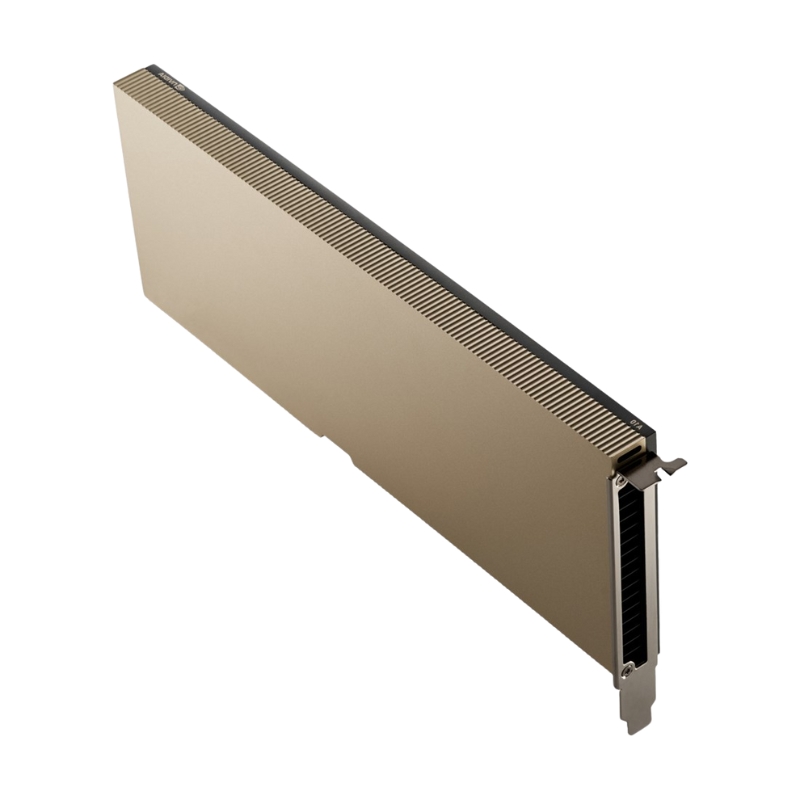


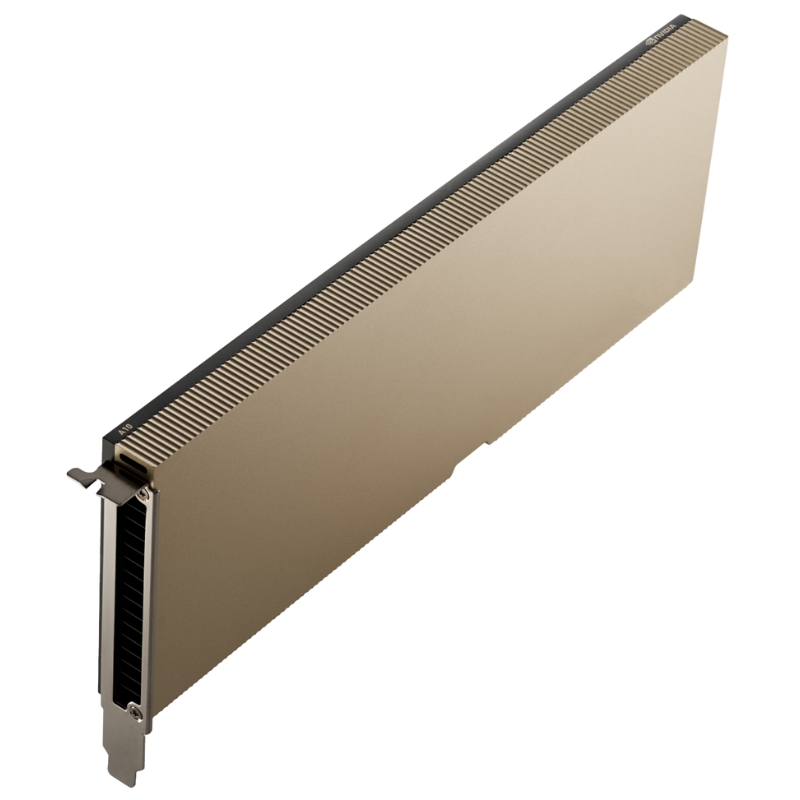
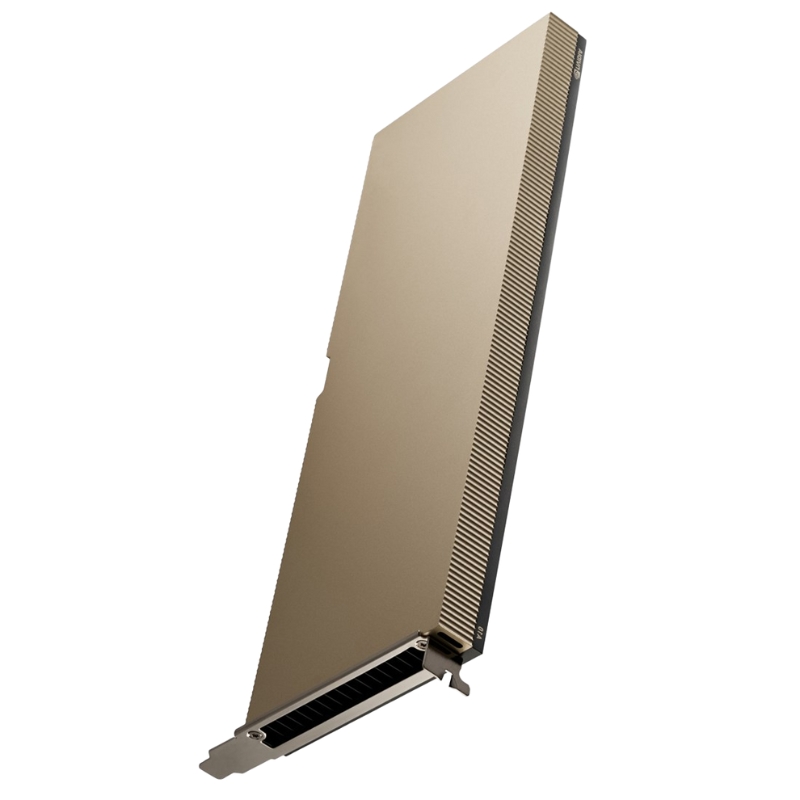
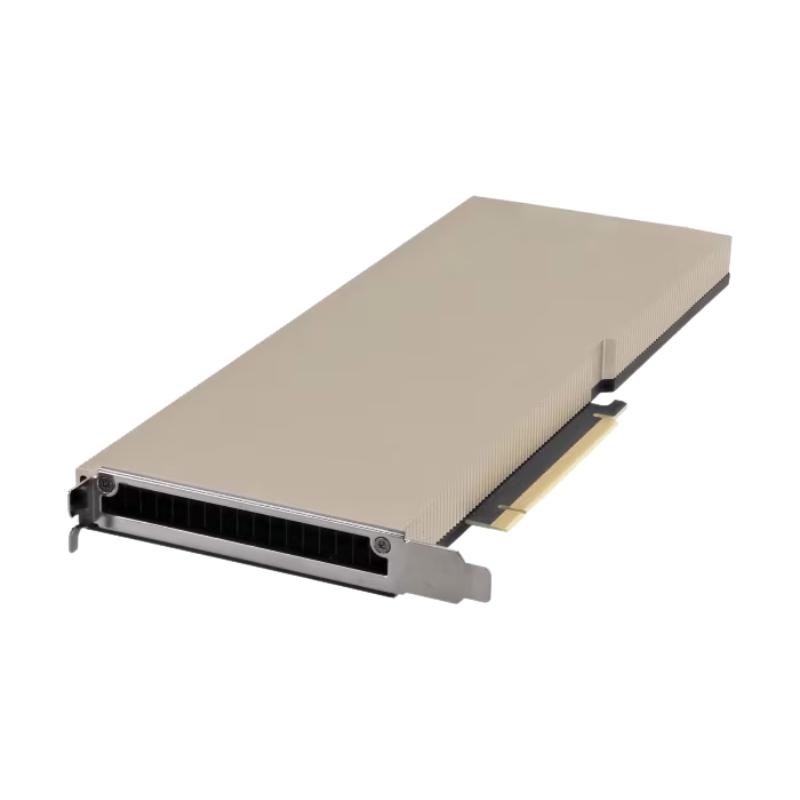
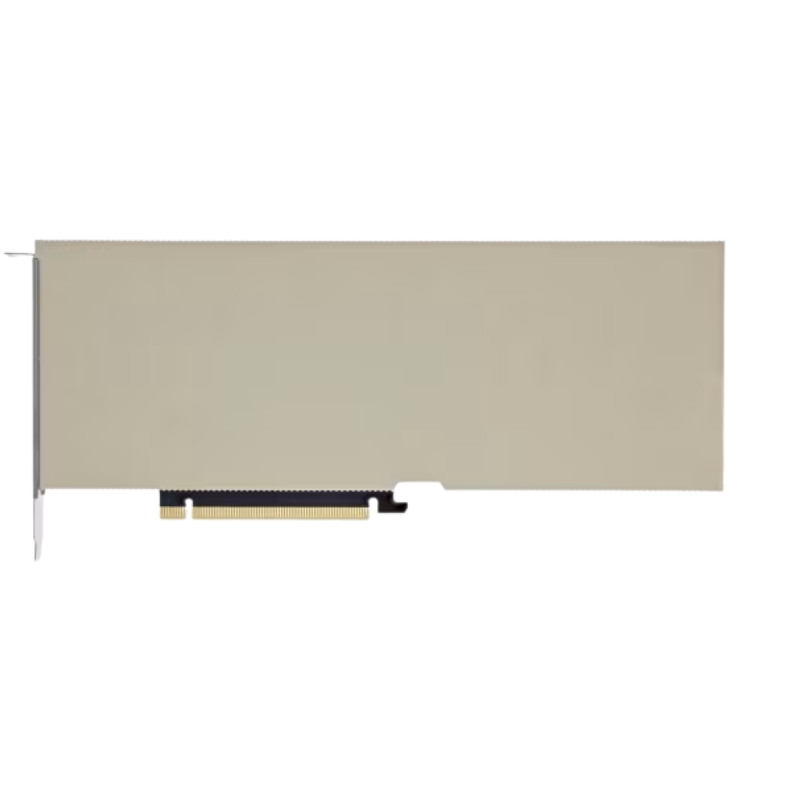
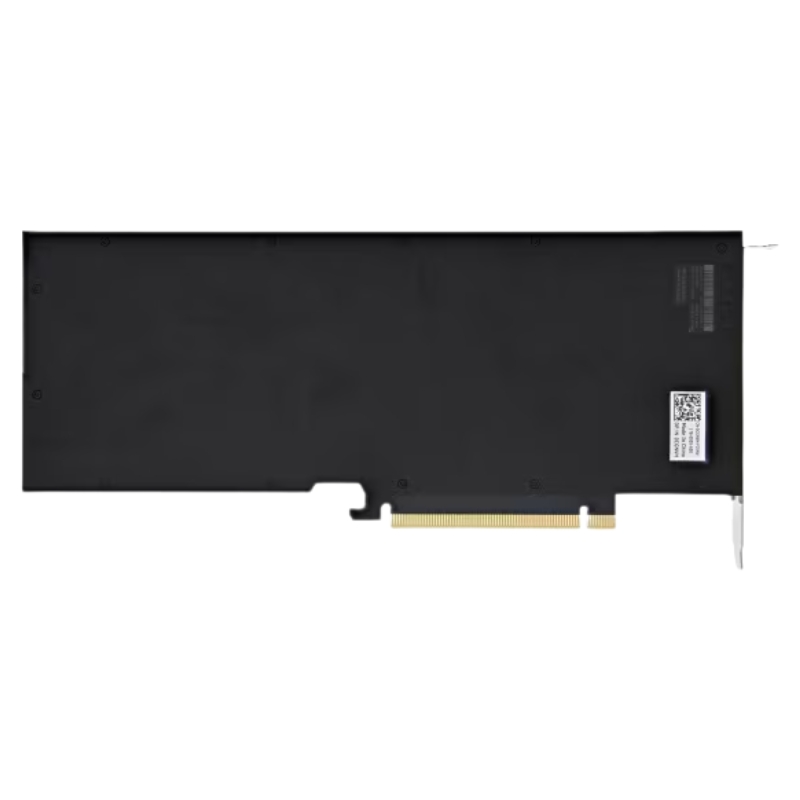
Dell 490-BGYD Nvidia Ampere 24GB GDDR6 PCIE Gen4 Passive GPU. Excellent Refurbished with 1 year replacement warranty
The Dell 490-BGYD Nvidia A10 24GB PCIe Gen4 Passive GPU is a cutting-edge accelerator designed to deliver exceptional performance for AI inference, high-performance computing (HPC), and graphics-intensive workloads. Built on the NVIDIA Ampere architecture, this powerful GPU offers outstanding computational capabilities, efficient memory bandwidth, and seamless integration with modern enterprise servers.
The Dell 490-BGYD Nvidia Ampere 24GB GDDR6 PCIe Gen4 Passive GPU represents a major leap in high-performance computing, specifically designed for data-intensive workloads, AI acceleration, and modern enterprise environments. Built on the powerful Nvidia Ampere architecture, this GPU offers exceptional computational capabilities and energy-efficient performance that significantly improves productivity across diverse applications. The combination of 24GB of GDDR6 memory, PCIe Gen4 bandwidth, and a passive cooling solution allows the 490-BGYD to deliver reliable performance even in dense server environments where thermal management is a critical concern.
As enterprises and research institutions increasingly depend on GPUs for machine learning, deep learning, visualization, and simulation tasks, the Dell 490-BGYD emerges as a highly efficient and scalable solution. It leverages the latest advancements in GPU technology to support complex parallel processing tasks, while also offering compatibility with modern server platforms. The passive cooling design ensures silent and maintenance-free operation, making it ideal for large-scale deployments where operational stability and reduced maintenance overhead are essential.
At the heart of the Dell 490-BGYD GPU lies the Nvidia Ampere architecture, a revolutionary platform engineered to deliver breakthrough performance and efficiency across a wide range of workloads. Ampere introduces significant enhancements in CUDA cores, Tensor cores, and RT cores, offering improved throughput and reduced latency in data processing tasks. These architectural improvements translate into faster model training, quicker inference times, and smoother handling of massive datasets, which are essential in AI and high-performance computing environments.
The enhanced Tensor Cores support mixed-precision computing, enabling developers and data scientists to achieve higher performance without sacrificing accuracy. This capability is particularly valuable for AI training and inference tasks, where precision and speed must coexist. Additionally, the inclusion of second-generation RT Cores provides advanced real-time ray tracing capabilities, delivering photorealistic visualizations and simulations crucial in industries such as design, engineering, and virtual reality.
One of the standout features of the Ampere architecture is its massive parallel processing capability. With thousands of CUDA cores working in tandem, the Dell 490-BGYD GPU can execute complex computations simultaneously, drastically reducing processing time for demanding workloads. This high level of parallelism is essential for applications that involve large-scale matrix operations, deep neural network training, and real-time analytics.
The GPU also incorporates advanced scheduling and resource management techniques, ensuring that computational resources are utilized optimally. This leads to improved performance per watt, enabling enterprises to achieve more with lower power consumption. For organizations aiming to scale their AI or HPC infrastructure, the combination of computational power and energy efficiency makes the Dell 490-BGYD a compelling choice.
A key feature of the Dell 490-BGYD GPU is its 24GB of GDDR6 memory, which provides ample capacity for handling large datasets and complex workloads. The high memory bandwidth ensures rapid data transfer between the GPU and memory, minimizing bottlenecks and enhancing overall performance. This is particularly important in AI training and high-resolution rendering tasks, where large volumes of data must be processed quickly and efficiently.
The generous memory allocation allows for more extensive datasets to be loaded directly into GPU memory, reducing the need for frequent data transfers from system memory. This results in faster processing times and improved performance in data-intensive workflows. Whether running simulations, rendering 3D graphics, or analyzing massive datasets, the 24GB GDDR6 memory ensures that the Dell 490-BGYD can handle even the most demanding tasks with ease.
Modern workloads such as natural language processing, high-resolution visualization, and predictive analytics require substantial memory resources to operate efficiently. The Dell 490-BGYD addresses these requirements by offering a memory configuration that balances capacity, speed, and efficiency. The GPU’s memory architecture is designed to minimize latency and maximize throughput, ensuring that data is readily available for processing without delays.
Furthermore, the use of GDDR6 memory technology enhances signal integrity and reduces power consumption compared to previous generations. This contributes to overall system efficiency and allows for more sustainable operation, which is a growing priority in modern data centers and enterprise environments.
The Dell 490-BGYD GPU leverages the PCIe Gen4 interface, offering double the bandwidth of its PCIe Gen3 predecessor. This increase in bandwidth significantly improves data transfer rates between the GPU and the rest of the system, leading to faster communication and improved overall performance. High-bandwidth connectivity is particularly important for workloads that require frequent data exchanges, such as real-time analytics, machine learning, and high-speed simulations.
By utilizing PCIe Gen4, the GPU ensures that the full potential of its computational and memory capabilities is realized without being hindered by interface limitations. This results in smoother performance, reduced latency, and greater scalability, especially in multi-GPU configurations where bandwidth can become a limiting factor.
The Dell 490-BGYD GPU is designed to seamlessly integrate with modern server platforms that support PCIe Gen4, enabling enterprises to upgrade their GPU capabilities without major infrastructure changes. Its compatibility with industry-standard hardware ensures easy deployment in existing data center environments and facilitates the expansion of GPU-accelerated workloads.
Additionally, the PCIe Gen4 interface future-proofs the GPU for upcoming advancements in server technology, ensuring that enterprises can continue to leverage their investment as new generations of hardware are introduced. This makes the 490-BGYD a cost-effective solution for organizations planning long-term AI and HPC strategies.
One of the defining characteristics of the Dell 490-BGYD GPU is its passive cooling solution, which relies on system airflow rather than active fans for heat dissipation. This design choice significantly reduces mechanical complexity and potential points of failure, leading to improved reliability and reduced maintenance requirements. Passive cooling is particularly advantageous in dense server environments where space is limited, and airflow is managed at the chassis level.
The absence of moving parts also contributes to silent operation, an important consideration in data centers and research facilities where noise control is essential. Additionally, passive cooling reduces power consumption compared to active cooling solutions, contributing to overall system efficiency.
The Dell 490-BGYD GPU is designed with scalability in mind, allowing multiple GPUs to be deployed in parallel for increased performance. Multi-GPU configurations enable organizations to tackle extremely demanding workloads, such as training large AI models, performing high-resolution simulations, or rendering complex 3D scenes. By distributing tasks across multiple GPUs, performance scales linearly, enabling faster processing and improved efficiency.
The PCIe Gen4 interface and passive cooling design further enhance scalability by supporting dense GPU deployments without bandwidth bottlenecks or thermal constraints. This makes the Dell 490-BGYD an ideal choice for organizations seeking to build scalable AI clusters or HPC infrastructures capable of handling future workloads.
Nvidia’s robust software ecosystem is a key factor in maximizing the capabilities of the Dell 490-BGYD GPU. The GPU is fully compatible with CUDA, cuDNN, TensorRT, and a range of AI and HPC libraries that streamline development and optimize performance. These software tools enable developers to accelerate their applications with minimal code changes, significantly reducing development time and effort.
Additionally, support for popular machine learning frameworks such as TensorFlow, PyTorch, and MXNet allows organizations to integrate the GPU into existing workflows seamlessly. The combination of powerful hardware and a mature software ecosystem ensures that the Dell 490-BGYD delivers maximum value across a broad range of applications.
Designed for mission-critical environments, the Dell 490-BGYD GPU incorporates enterprise-grade reliability and security features that ensure consistent performance and data integrity. Built with rigorous quality standards, the GPU is capable of operating continuously under heavy workloads without performance degradation. Error-correcting code (ECC) memory is integrated to detect and correct memory errors, safeguarding data accuracy and system stability.
Security is also a key consideration in the GPU’s design. Hardware-based security features protect sensitive data and ensure the integrity of computations, which is particularly important in regulated industries such as healthcare, finance, and government. By combining reliability and security, the Dell 490-BGYD provides a robust platform for mission-critical workloads.
As data centers and enterprises seek to reduce their environmental impact, energy efficiency has become a critical consideration in hardware selection. The Dell 490-BGYD GPU is designed with energy efficiency in mind, delivering exceptional performance per watt. The Ampere architecture’s improvements in power management and computational efficiency help reduce energy consumption without compromising performance.
The passive cooling solution further enhances energy efficiency by eliminating the need for power-hungry active cooling components. This not only reduces operational costs but also contributes to a more sustainable data center environment. Organizations focused on sustainability can leverage the Dell 490-BGYD to achieve their performance goals while minimizing their carbon footprint.
Power efficiency is achieved through a combination of architectural improvements and intelligent resource management. The GPU dynamically adjusts power usage based on workload demands, ensuring that energy is used efficiently at all times. This adaptive power management helps reduce energy waste and lowers operational costs, which is particularly beneficial in large-scale deployments where power consumption is a significant expense.
Additionally, the passive cooling design reduces the need for active cooling infrastructure, further lowering power requirements and simplifying data center design. The result is a more efficient, cost-effective, and environmentally friendly solution that aligns with modern sustainability goals.


 Contact Us
 Information
 Catalog
 Solid State Drives (SSD)
 Network Switches
 Hard Disk Drives
 HBA & Controllers
 PC & Servers
 PC & Server Memory
 CPU & Processors
 Network Routers
 Power Supplies
 Tape Drives & Libraries
 Network Devices
 Computer & Network Cables