(7% discount is applied at checkout)
Cart is empty
Your go-to destination for cutting-edge server products
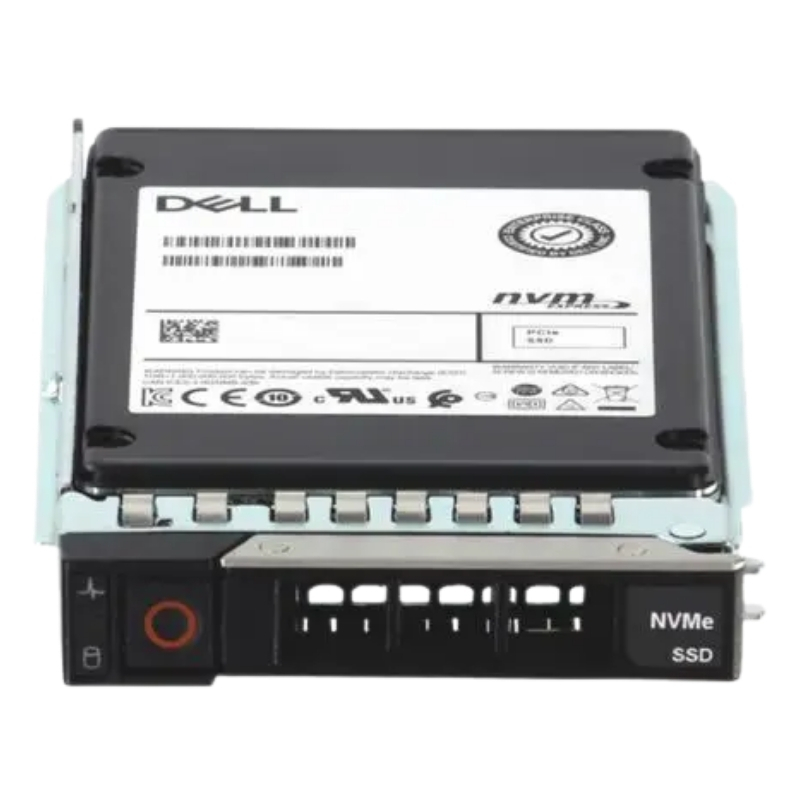


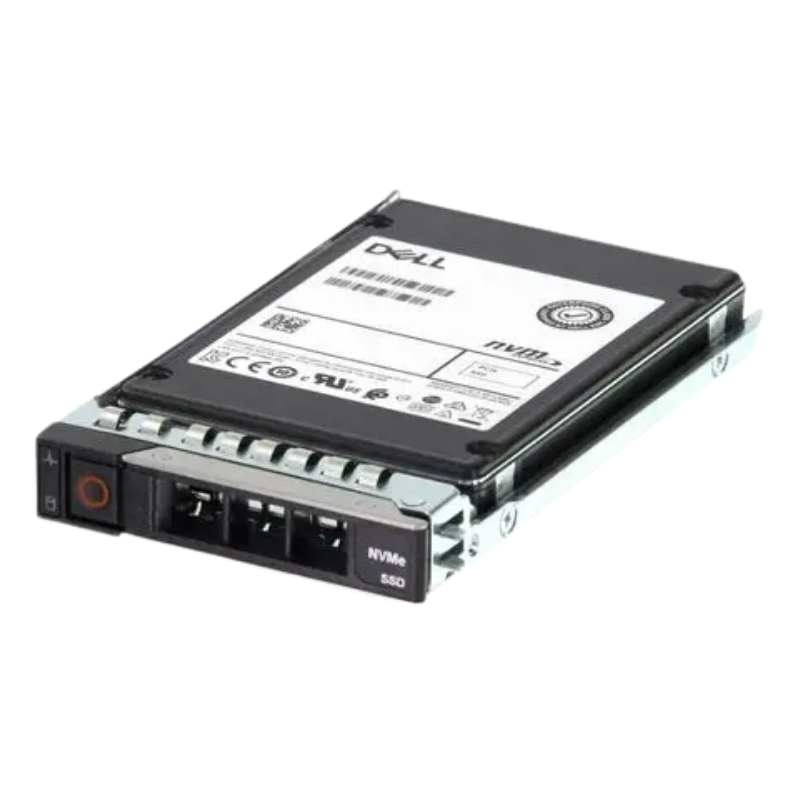
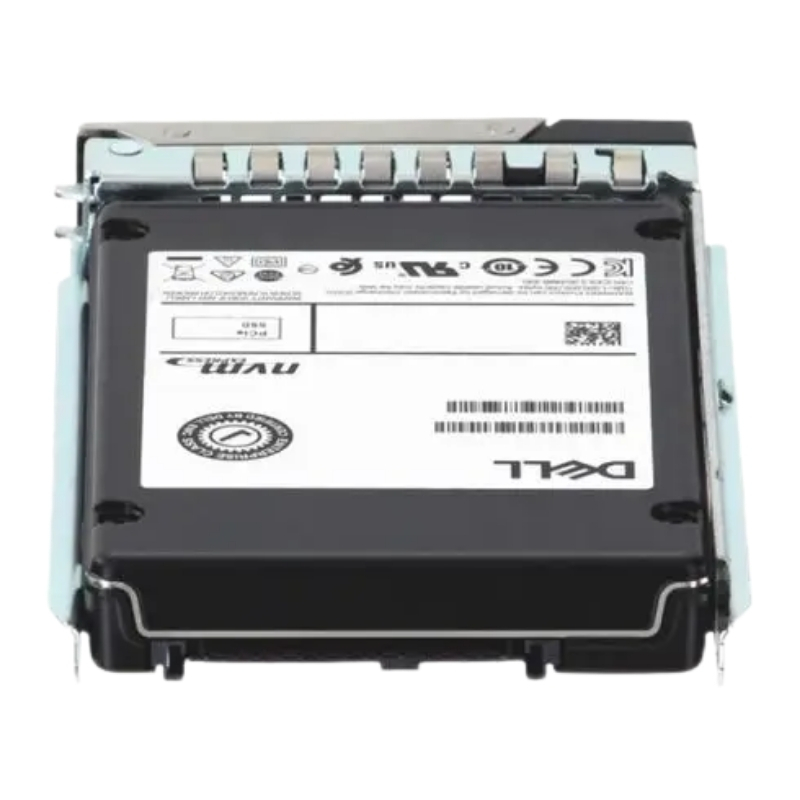
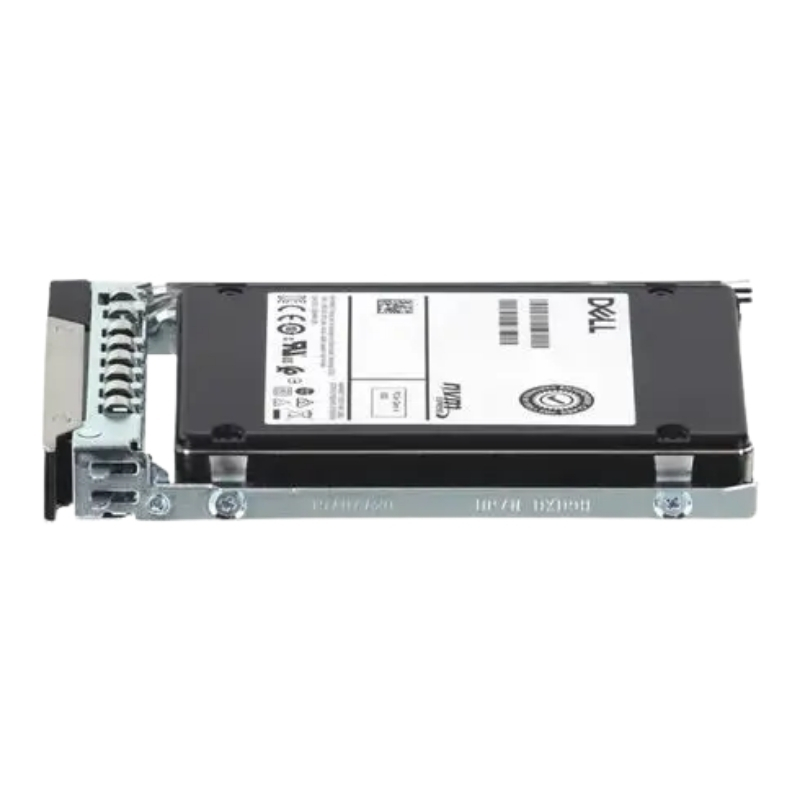
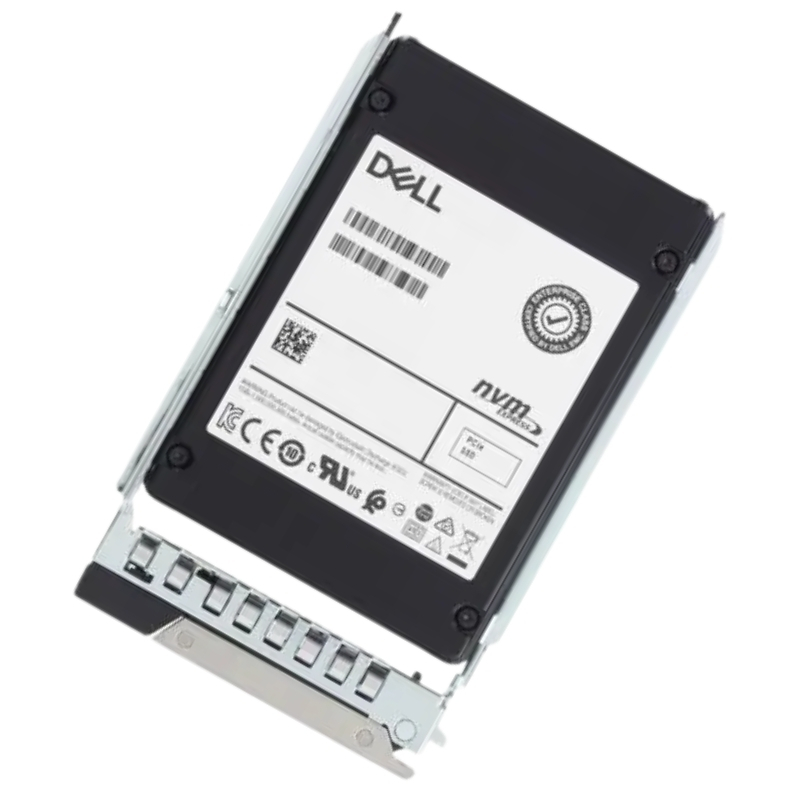
Dell 4MGMT 61.44TB QLC PCI-E 4.0 x4 NVMe U.2 SFF 3D Nand Enterprise Solid State Drive. New Sealed in Box (NIB) with 1 Year Warranty. Call
The Dell 4MGMT series represents the pinnacle of this philosophy, engineered for the most demanding workloads. The specific model, the Dell 4MGMT 61.44TB QLC PCI-E 4.0 x4 NVMe U.2 SSD stands as a testament to storage evolution, merging colossal capacity with cutting-edge interface technology and enterprise-grade endurance.
The Dell 4MGMT 61.44TB QLC PCIe 4.0 NVMe U.2 SSD stands as a monumental achievement. This solid-state drive represents the cutting edge of storage technology, engineered specifically for read-intensive and mixed-workload environments that demand unprecedented capacity alongside blistering performance. By leveraging Quad-Level Cell (QLC) 3D NAND within a robust enterprise framework, this drive shatters previous capacity barriers, offering a staggering 61.44 terabytes of non-volatile memory in a standardized U.2 form factor. It is designed for modern data centers, high-performance computing clusters, large-scale analytics platforms, and content repositories where traditional storage architectures become bottlenecks. The drive integrates directly into the PCI Express 4.0 ecosystem, ensuring that its vast storage potential is matched by the high-bandwidth pipeline necessary to utilize it effectively.
The core innovation of this drive lies in its strategic use of QLC (Quad-Level Cell) NAND flash memory within an enterprise-grade design. QLC technology stores four bits of data per memory cell, a significant density improvement over prior TLC (three-bit) and MLC (two-bit) architectures. This density is the key to achieving the monumental 61.44TB capacity in a compact 2.5-inch U.2 enclosure. Dell's enterprise implementation goes beyond consumer-grade QLC by incorporating advanced error correction, sophisticated wear-leveling algorithms, and a substantial portion of the NAND array configured as single-level cell (SLC) cache. This intelligent SLC caching strategy absorbs incoming write data at extremely high speeds before efficiently migrating it to the QLC region, thus mitigating traditional QLC write performance concerns and delivering a consistent, high-performance user experience tailored for sustained enterprise operations.
The drive utilizes the U.2 (SFF-8639) form factor, a critical choice for enterprise deployment. The U.2 interface provides a robust, hot-swappable chassis design familiar to data center operators, allowing for easy integration into existing server and storage appliance backplanes. It supports the NVMe (Non-Volatile Memory Express) protocol over a PCI Express 4.0 x4 electrical interface. This combination is foundational to its performance profile.
NVMe is a protocol built from the ground up for flash storage, bypassing the bottlenecks of legacy interfaces like SATA and SAS. It enables massively parallel access to the NAND media through deep command queues. When paired with the PCI Express 4.0 bus, which offers double the bandwidth per lane of PCIe 3.0, the interface delivers a theoretical maximum bandwidth of approximately 8 GB/s per direction on a x4 link. This high-speed pathway ensures that the drive's immense capacity is accessible with minimal latency, making data retrieval and storage operations exceptionally fast. The "4MGMT" designation indicates a drive managed by the host system through the NVMe management interface, offering detailed telemetry and health monitoring essential for proactive data center management.
The Dell 4MGMT 61.44TB drive is engineered for predictable, high-scale performance under demanding conditions. Its specifications are tailored for workloads where large-scale data reads are predominant, such as data analytics, video streaming, AI model inference, and large-scale archival access.
Leveraging the PCIe 4.0 x4 interface, this SSD delivers exceptional sequential read speeds, typically rated in the range of several gigabytes per second (e.g., up to 7,000 MB/s). This enables rapid ingestion of massive datasets into server memory for processing. Sequential write performance is also robust, supported by the intelligent SLC caching architecture, allowing for efficient data storage and replication tasks. These speeds ensure that moving terabyte-scale datasets is no longer a time-prohibitive operation, significantly accelerating data pipeline workflows and backup/restore cycles.
For random access patterns, which are critical for database operations, virtualization, and cloud infrastructure, the drive provides high levels of random read IOPS (e.g., in the range of hundreds of thousands to over a million). The low queue depth random read performance is particularly strong, ensuring responsive performance even under light loads. Write IOPS are substantial for a QLC-based drive, again thanks to its enterprise-focused controller and caching design. Most critically, the drive maintains consistently low latency for both read and write operations, a key metric for application responsiveness. Average read latency is typically measured in microseconds, ensuring that data requests are serviced with minimal delay, which is vital for real-time analytics and transactional systems.
A primary specification for any enterprise SSD is its endurance, expressed as Total Bytes Written (TBW) or Drive Writes Per Day (DWPD) over its warranty period. The 61.44TB QLC model is designed with a specific endurance rating that reflects its optimized use case. While QLC NAND inherently has a lower program/erase cycle limit per cell compared to TLC or MLC, Dell compensates through several means: massive over-provisioning (reserving a significant amount of the raw NAND capacity for the controller's management tasks), advanced firmware that minimizes write amplification, and the high overall capacity which spreads write operations across a vast number of cells. This results in a TBW rating that, while tailored for read-intensive/mixed-use scenarios, is more than sufficient for its target applications, ensuring a multi-year operational life in a professional environment.
Beyond raw performance and capacity, this SSD is packed with features that guarantee data integrity, system stability, and seamless integration into enterprise IT management frameworks.
The drive employs a multi-layered approach to data integrity. It features powerful Low-Density Parity-Check (LDPC) error-correcting code engines that can detect and correct a much higher number of bit errors than older ECC methods, essential for maintaining data integrity as NAND cells age. The entire data path is protected from end to end, meaning that checksums are generated when data is written and verified when data is read, preventing corruption within the drive's internal RAM or data buffers. This End-to-End Data Path Protection is a cornerstone of enterprise storage, ensuring the data delivered to the host is exactly the data that was originally stored.
Enterprise environments demand protection against unexpected power loss. This drive is equipped with a robust Power Loss Protection circuit. In the event of a sudden power failure, reserved energy stored in onboard capacitors provides sufficient power for the drive's controller to complete any in-progress write operations and flush all cached data from volatile buffers to the non-volatile NAND memory. This prevents data loss and filesystem corruption, a critical feature for maintaining business continuity and data consistency.
Data security is integrated at the hardware level. The drive supports the TCG (Trusted Computing Group) Opal 2.0 standard and IEEE 1667 for hardware-based encryption. This means all data written to the NAND is encrypted using strong, standards-based cryptography (typically AES-256), with encryption keys managed by the drive's dedicated security controller. This provides seamless, performance-neutral encryption. Furthermore, the drive supports instant crypto-erase (sanitize) commands. When decommissioning or repurposing the drive, a single command can securely delete the encryption key, rendering all stored data permanently and instantly inaccessible. This is a far faster and more secure method than physical overwriting for drives of this capacity.
As an "MGMT" drive, it fully supports the NVMe Management Interface over SMBus/I2C or in-band over PCIe. This allows out-of-band management by a Baseboard Management Controller (BMC), enabling health monitoring, firmware updates, and diagnostic functions even if the host server's main CPU is powered off or unresponsive. This is crucial for remote data center management and automation.
Operating a 61.44TB SSD requires careful attention to thermal dynamics and power consumption. The drive is designed with enterprise thermal throttling mechanisms to protect itself and the system during extreme conditions, reducing performance temporarily to maintain a safe operating temperature. Its power efficiency, measured in performance per watt, is significantly higher than an equivalent array of lower-capacity drives or traditional hard disk drives.
The drive operates within defined Active, Idle, and PS (Power State) power envelopes. Peak active power during heavy read/write operations is managed, while the drive supports low-power idle states to conserve energy during periods of inactivity. This adaptability makes it suitable for scale-out storage environments where energy efficiency is a key operational metric.
The unique combination of extreme capacity, high-speed interface, and enterprise reliability makes this SSD ideal for specific, data-intensive modern applications.
For Hadoop, Splunk, or other analytics platforms, storing and accessing multi-terabyte datasets on fast local storage drastically reduces query times compared to network-attached storage. The drive's high sequential read performance accelerates data scanning and processing.
Storing vast libraries of high-resolution video, audio, or software packages on high-performance, high-capacity SSDs enables faster edge server response times and smoother streaming experiences for end-users.
In HPC environments, applications periodically save their state (checkpoint) to storage. The speed and capacity of this drive allow for more frequent and faster checkpoints of large-scale simulations, minimizing computational loss in case of interruption.
A single drive can host the storage for numerous virtual machines or a very large database instance, providing consistent low latency that improves overall application performance and user experience while simplifying storage architecture.


 Contact Us
 Information
 Catalog
 Solid State Drives (SSD)
 Network Switches
 Hard Disk Drives
 HBA & Controllers
 PC & Servers
 PC & Server Memory
 CPU & Processors
 Network Routers
 Power Supplies
 Tape Drives & Libraries
 Network Devices
 Computer & Network Cables