(7% discount is applied at checkout)
Cart is empty
Your go-to destination for cutting-edge server products
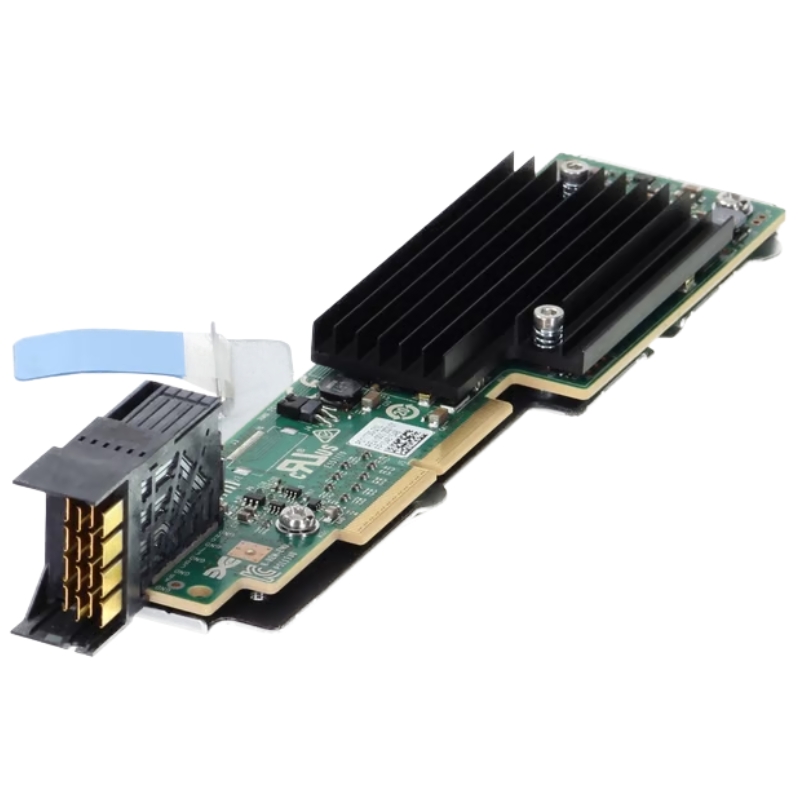


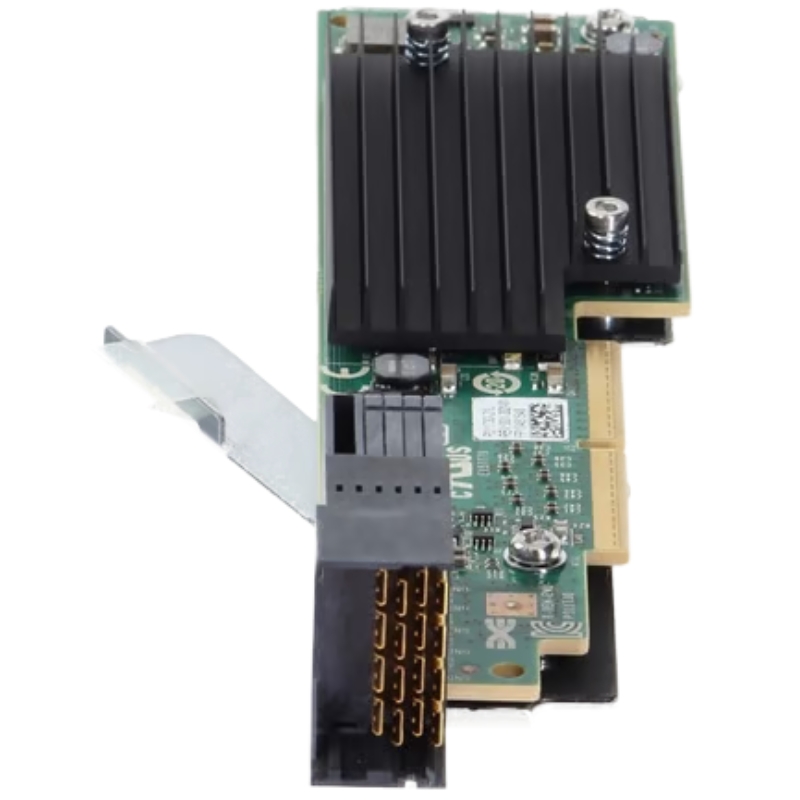
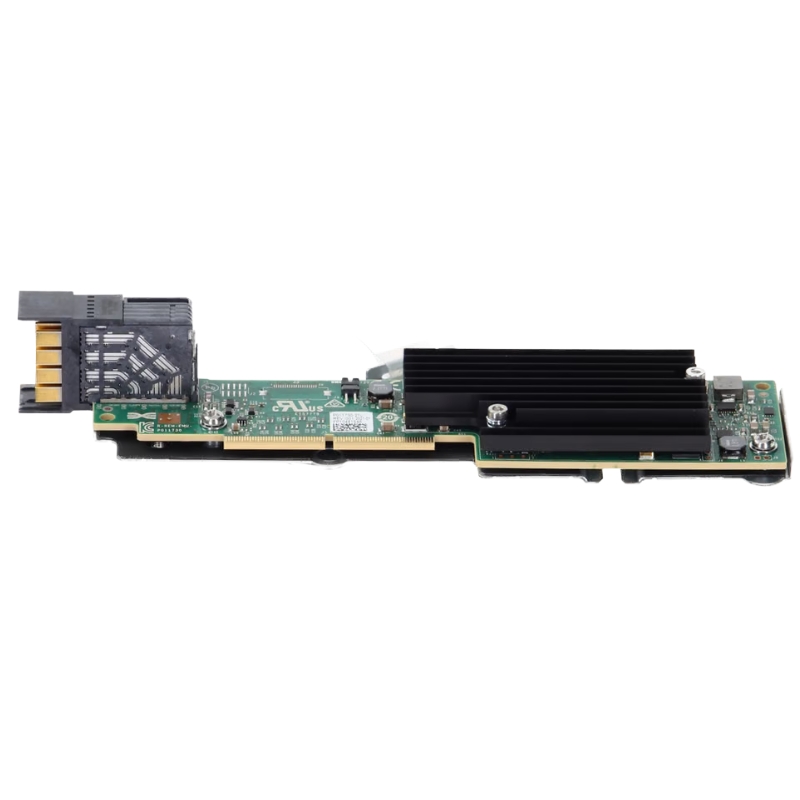
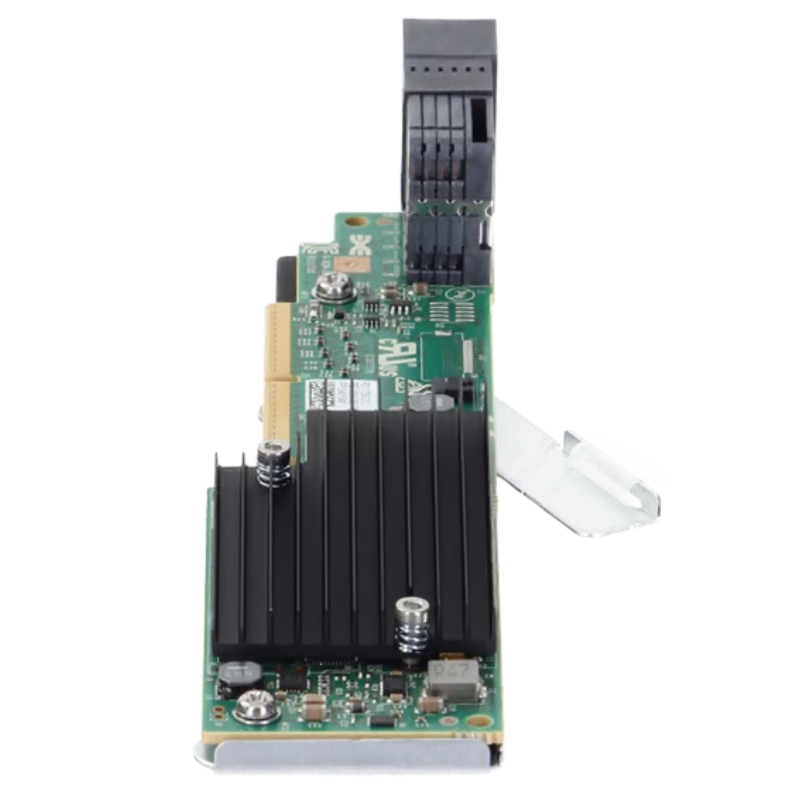
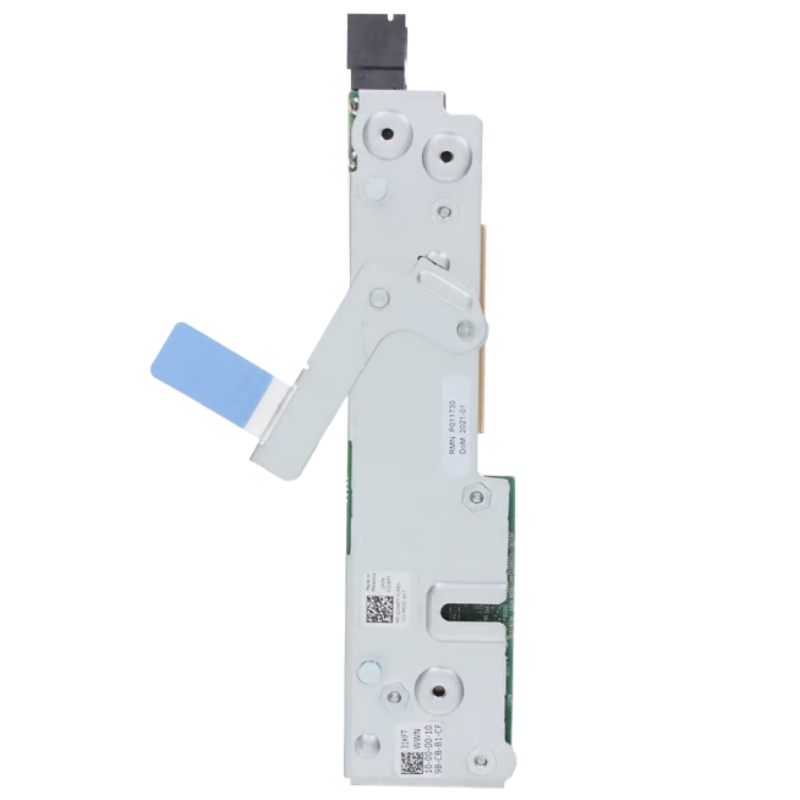
Dell 544-BBCV Poweredge MX740C Emulex LPM32002 32GB 2-Port Fibre Channel Mezzanine Card. New (System) Pull with 1-Year Replacement Warranty
The Dell 544-BBCV PowerEdge MX740C Emulex Lpm32002 is a high-performance 32GB dual-port Fibre Channel mezzanine card engineered for enterprise-grade connectivity and seamless integration into modern data centers.
The Dell 544-BBCV PowerEdge MX740C Emulex LPM32002 32GB 2-Port Fibre Channel Mezzanine Card belongs to a specialized category of high-performance storage networking components designed for modern modular and blade server environments. This category focuses on mezzanine form factor adapters that provide Fibre Channel connectivity to server nodes within dense infrastructure platforms, particularly those operating inside Dell EMC PowerEdge MX modular chassis systems. Fibre Channel mezzanine cards represent a convergence point between enterprise storage performance requirements and the space-optimized, scalable nature of blade and modular server architectures.
Mezzanine cards occupy a unique architectural position within modular server platforms, acting as the interface between compute nodes and external networks or storage fabrics. In Dell PowerEdge MX environments, mezzanine cards are installed directly onto server sleds such as the MX740C, providing high-speed I/O without occupying traditional PCIe slots. This architecture allows for greater flexibility in chassis design, enabling multiple networking or storage interfaces to coexist within a compact footprint. Within this category, Fibre Channel mezzanine cards are specifically optimized for SAN connectivity, supporting high-throughput data flows between servers and enterprise storage arrays. The Emulex LPM32002-based cards offer dual-port 32Gb Fibre Channel connectivity, allowing redundancy, load balancing, and multipathing to be implemented at the hardware level. This architectural approach enhances both performance and resilience, ensuring continuous access to critical storage resources even in the event of component failure. Mezzanine cards also integrate closely with the chassis fabric modules, enabling centralized management and consistent configuration across server nodes. This design simplifies deployment and scaling, as administrators can add or replace server sleds without reconfiguring external cabling or network infrastructure.
The Fibre Channel mezzanine card category is defined by its focus on enterprise storage networking performance. Adapters such as the Dell 544-BBCV with Emulex LPM32002 chipset are engineered to deliver sustained high throughput, low latency, and deterministic performance characteristics essential for mission-critical applications. With 32Gb Fibre Channel support per port, these cards enable aggregate bandwidth sufficient for high-I/O workloads, including large-scale virtualization, high-performance databases, transaction processing systems, and data-intensive analytics. This category leverages advanced protocol offload capabilities to reduce CPU overhead and improve application responsiveness. Fibre Channel protocol processing is handled directly by the adapter hardware, freeing server CPUs to focus on application execution rather than network management. This architectural efficiency becomes increasingly important in environments where CPU resources are heavily utilized by virtualization layers, container orchestration platforms, and data processing workloads. The dual-port design common to this category supports high availability and path redundancy, enabling seamless failover and multipathing configurations. Storage traffic can be distributed across multiple SAN paths, improving throughput consistency and minimizing the risk of service interruption. This capability is foundational for enterprise storage architectures where uptime, data integrity, and consistent performance are non-negotiable.
The Dell 544-BBCV Fibre Channel mezzanine card category is tightly integrated with the Dell EMC server and storage ecosystem. Designed specifically for PowerEdge MX740C and related modular platforms, these adapters ensure compatibility with Dell’s chassis architecture, firmware stack, and management tools. This integration enables centralized monitoring, configuration, and lifecycle management through platforms such as Dell OpenManage Enterprise and iDRAC. Compatibility also extends to leading enterprise storage arrays and SAN infrastructure from vendors such as Dell EMC, Brocade, Cisco, and others. The category supports interoperability with a wide range of Fibre Channel switches, directors, and storage platforms, ensuring flexibility in SAN design and enabling organizations to leverage existing investments while upgrading server infrastructure.
The Fibre Channel mezzanine card category plays a crucial role in virtualization and cloud computing environments. Virtualized infrastructures depend on high-performance, low-latency storage connectivity to ensure consistent virtual machine performance, rapid provisioning, and reliable migration operations. Dual-port 32Gb Fibre Channel adapters enable high-density virtual machine deployments by providing the bandwidth necessary to support numerous concurrent I/O operations across multiple virtual workloads. In private cloud and hybrid cloud architectures, these adapters facilitate integration between on-premises compute resources and enterprise storage systems, enabling consistent storage performance across environments. This capability is particularly valuable in scenarios where organizations deploy hybrid architectures that combine on-premises infrastructure with cloud-based services while maintaining centralized storage control and compliance requirements. Software-defined storage platforms also benefit from the performance characteristics of Fibre Channel mezzanine cards. While some SDS solutions utilize Ethernet-based storage protocols, Fibre Channel remains a preferred option for organizations that prioritize deterministic performance and established SAN management practices. This category supports SDS implementations that rely on block-level storage performance, enabling organizations to build flexible, scalable storage architectures without sacrificing reliability or throughput.
The category of Fibre Channel mezzanine cards is particularly well-suited for optimizing application workloads that demand consistent, predictable storage performance. Applications such as enterprise databases, ERP systems, high-frequency trading platforms, and real-time analytics engines require low-latency access to storage resources and consistent throughput under varying load conditions. By offloading protocol processing to dedicated hardware and providing high-bandwidth connectivity, these adapters minimize latency variability and ensure that storage performance remains stable even during peak utilization periods. This consistency supports application-level service-level agreements and enhances user experience by reducing response times and eliminating performance bottlenecks. Workload isolation is another benefit of Fibre Channel SAN architectures supported by this category. By segregating storage traffic from general-purpose network traffic, organizations can prevent congestion and interference, ensuring that critical storage operations are not impacted by unrelated network activities. This isolation contributes to predictable performance and simplifies capacity planning and performance tuning.


 Contact Us
 Information
 Catalog
 Solid State Drives (SSD)
 Network Switches
 Hard Disk Drives
 HBA & Controllers
 PC & Servers
 PC & Server Memory
 CPU & Processors
 Network Routers
 Power Supplies
 Tape Drives & Libraries
 Network Devices
 Computer & Network Cables