(7% discount is applied at checkout)
Cart is empty
Your go-to destination for cutting-edge server products


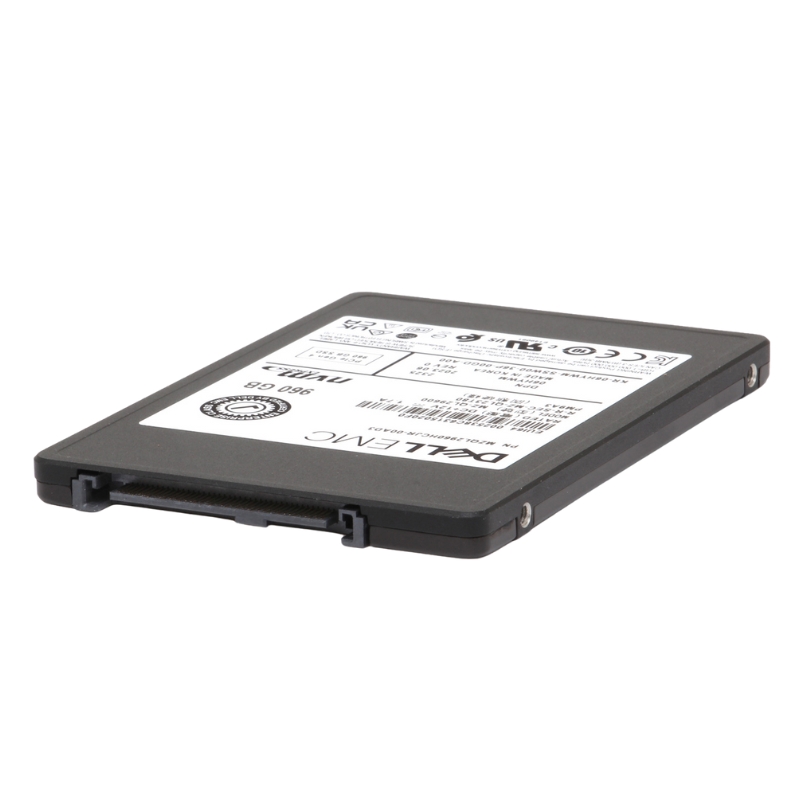
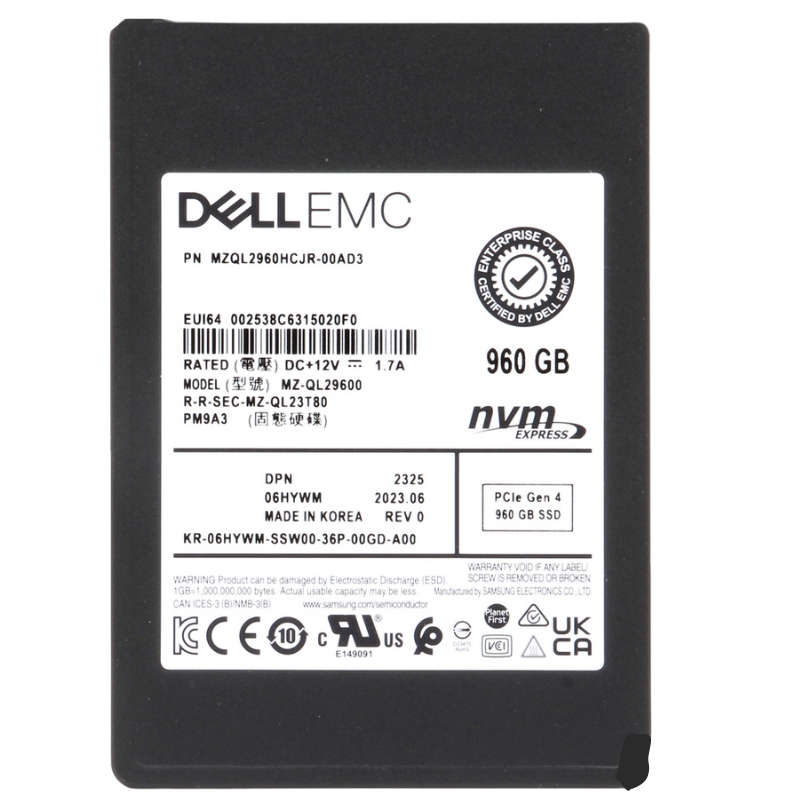
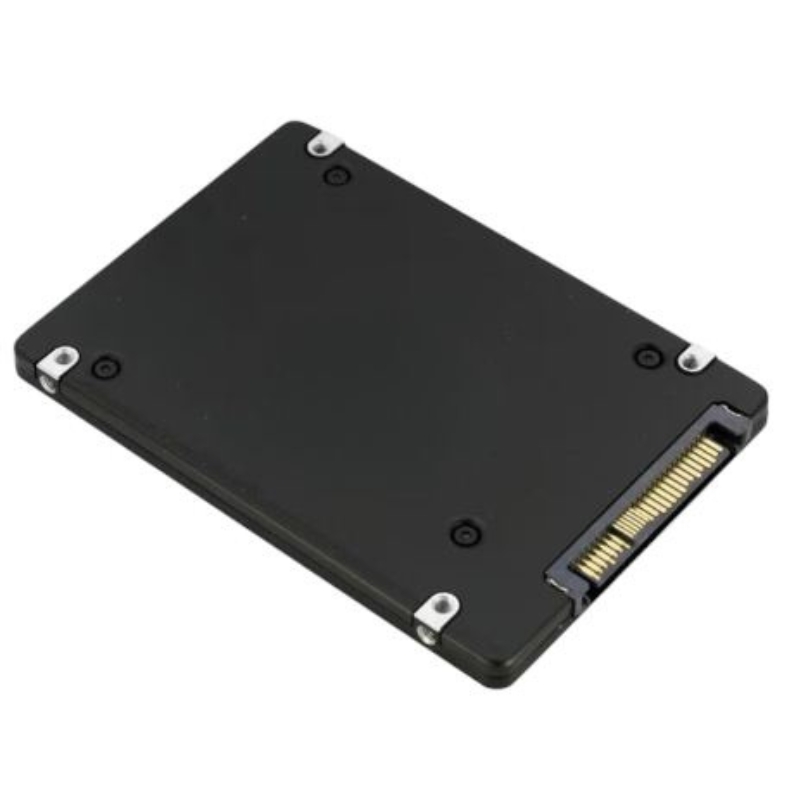
Dell 6HYWM 960GB PCI-E SSD Gen4 NVMe U.2 SFF Read Intensive TLC. Excellent Refurbished with 1 year replacement warranty
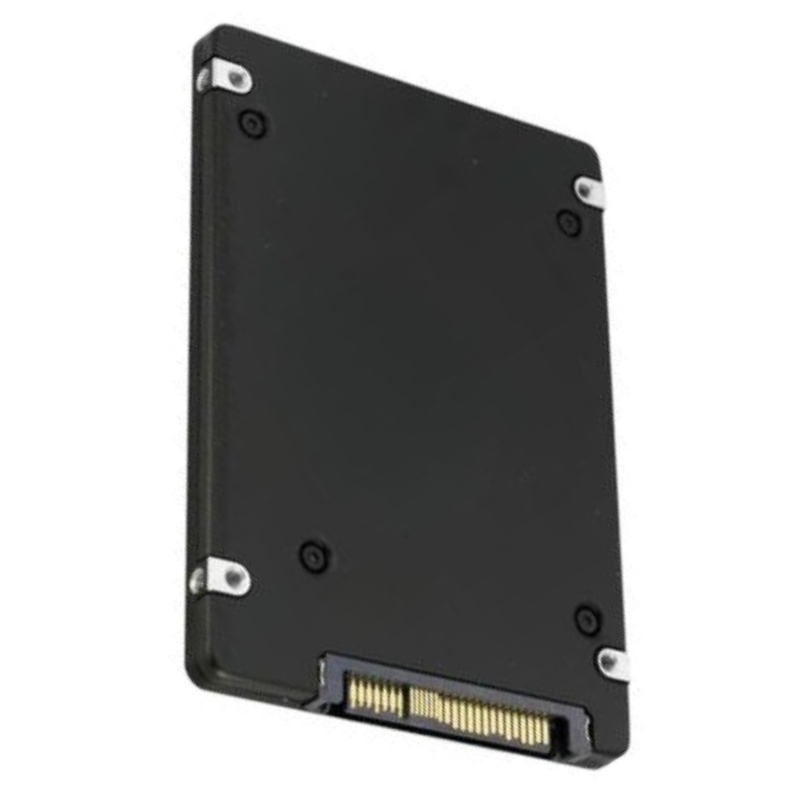
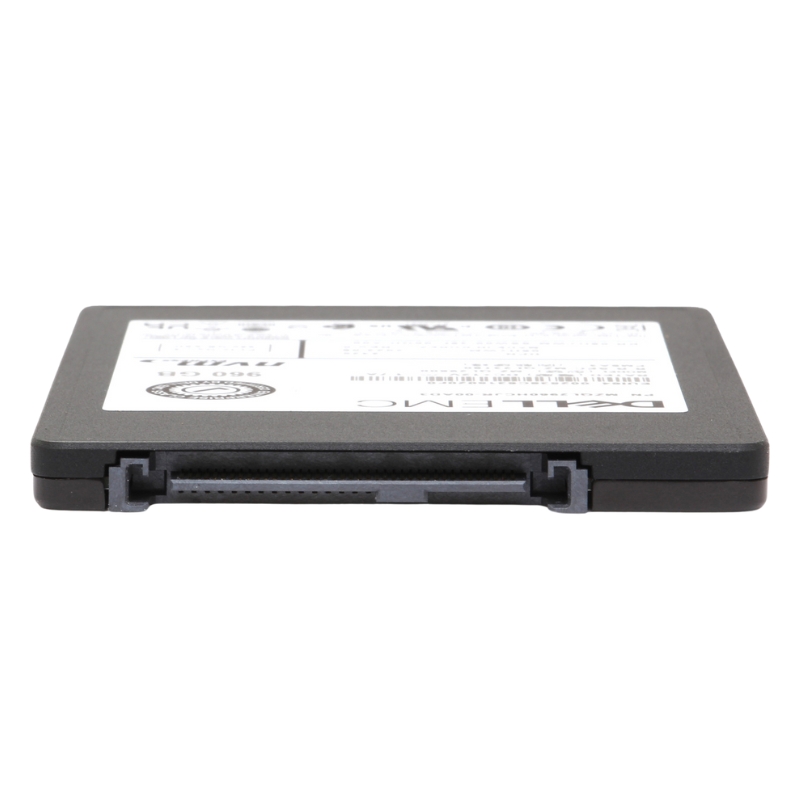
The Dell 6HYWM 960GB PCIe Gen4 x4 NVMe 1.4 U.2 (SFF-8639) 2.5-inch enterprise class solid state drive represents a focused solution for data centers and enterprise environments that prioritize high read throughput, low latency, and efficient density in PowerEdge server deployments. Positioned in the read-intensive (RI) segment, this V-NAND TLC NVMe drive blends modern flash architecture with the NVMe 1.4 protocol and PCIe Gen4 host interface to deliver rapid, consistent access to large data sets, accelerating database queries, virtualization boot volumes, caching layers, and analytic workloads. The category emphasizes compatibility with a broad range of Dell PowerEdge generations, U.2 form factor convenience for hot-plug serviceability, and a balance of endurance and cost that makes it attractive for mixed storage tiers within an enterprise storage strategy.
The defining technical identity of this category is the confluence of NVMe 1.4 protocol advantages with PCIe Gen4 x4 bandwidth in a U.2 SFF-8639 2.5-inch package. NVMe 1.4 introduces command set enhancements, improved power management, and telemetry capabilities that help administrators better monitor drive health and optimize workload scheduling. PCIe Gen4 x4 doubles peak per-lane throughput compared to Gen3, allowing the drive to handle larger sustained read streams and improved queue depth performance without saturating the bus. The U.2 SFF-8639 connector provides enterprise-grade hot-swap capability that integrates with the standard 2.5-inch sleds used in PowerEdge chassis, simplifying replacements and upgrades while preserving serviceability and airflow design in rack servers.
Compared with write-heavy or mixed-use enterprise drives, read-intensive V-NAND TLC SSDs are engineered with firmware and overprovisioning strategies tailored to deliver consistent read performance over long operating periods while offering reasonable write endurance appropriate to caching, boot, and predominantly read-centric data. The Dell 6HYWM family is targeted at workloads where read latency, predictable IOPS for random reads, and high sequential read throughput are the primary metrics of value. Manufacturers typically tune NAND management algorithms, wear leveling prioritization, and background garbage collection to minimize read amplification and preserve low-latency behavior even under sustained activity, which is essential for database front-ends, analytics, content delivery, and virtual desktop infrastructure read patterns.
In practical deployment terms, this category is well matched to enterprise applications that repeatedly read large datasets with fewer write operations. Examples include OLAP query acceleration, caching layers for web and media servers, virtualization images and templates served to many clients, and archival retrieval systems where reads dominate. The combination of NVMe protocol efficiencies and Gen4 bandwidth reduces CPU overhead for I/O handling and enables higher queue depth utilization, which translates to faster transaction response and improved concurrency for user-facing systems. The drive’s performance profile provides pronounced benefits when used as part of a tiered storage architecture: placing read-hot data and metadata on NVMe RI drives and delegating cold, long-term storage to HDD or capacity SSD tiers optimizes both cost and responsiveness.
One of the most important considerations for IT procurement teams is compatibility with server platforms. The U.2 SFF-8639 interface and Dell certification ensure that the 6HYWM drive integrates cleanly with PowerEdge platform firmware, RAID controllers where supported, and the iDRAC management ecosystem. Certification workflows help avoid unexpected firmware incompatibilities and provide validated firmware images that align with PowerEdge lifecycle policies. Administrators relying on vendor-tested drivers and firmware updates benefit from predictable behavior in enterprise clusters and from vendor support pathways when troubleshooting hardware-level events. Additionally, the 2.5-inch hot-plug sled design preserves chassis density while enabling tool-less maintenance operations in many PowerEdge configurations.
Endurance metrics for read-intensive drives are expressed differently than for write-intensive enterprise SSDs; total bytes written (TBW) and drive writes per day (DWPD) are calibrated to expected usage profiles. The category emphasizes adequate endurance to support sustained read operations with periodic background writes, metadata updates, and system maintenance tasks. Data protection features commonly include end-to-end data path protection, power loss protection for in-flight metadata, and advanced error correction schemes designed to extend flash life without sacrificing read integrity. Firmware management is a crucial differentiator: drives in this class are delivered with vendor firmware tuned to the platform and can be updated via Dell management channels. Administrators should maintain an update policy aligned with change control to ensure optimal performance and security while reducing the risk of unexpected behavior during critical windows.
Thermal behavior is a critical operational factor for dense enterprise deployments. The U.2 2.5-inch form factor coupled with Gen4 performance demands designs that dissipate heat while maintaining airflow within server chassis. The application of thermal throttling algorithms, dynamic power management, and efficient controller design helps maintain predictable performance under thermal stress. Power efficiency in read-intensive usage scenarios is often superior to general purpose or write-heavy drives because fewer write cycles and optimized idle states translate to lower average power draw. In blade and high-density rack environments where thermal budgets are constrained, choosing a drive category optimized for read intensity helps balance performance with continuous operational reliability.
Deployment of Dell 6HYWM 960GB NVMe drives spans single server acceleration tasks to clustered and hyperconverged infrastructures. In single server deployments, these drives are ideal for dedicated database servers, front-end cache nodes, or streaming content servers where rapid read access materially improves end-user experience. In clustered systems and scale-out storage arrays, read-intensive NVMe drives serve as front-end tiers that absorb random read requests and reduce latency for client nodes, while back-end capacity is handled by larger SSDs or HDDs. In hyperconverged infrastructures that combine compute and storage on the same nodes, read-optimized NVMe drives enable denser consolidation by reducing I/O contention and improving VM boot storm resilience. Each deployment pattern requires careful capacity planning, replication strategy, and consideration of rebuild times to avoid prolonged vulnerability during drive replacement operations.
Efficient lifecycle management includes proactive monitoring of SMART attributes, telemetry exposed by NVMe namespaces, and drive health signals available through server management tools such as iDRAC and OpenManage. These tools enable administrators to track endurance consumption, error rates, and predictive failure indicators so that replacement operations can be scheduled proactively. Integration with configuration management and orchestration frameworks simplifies firmware rollouts, inventory audits, and compatibility checks. Designing monitoring rules that correlate drive health with host telemetry provides further insight for capacity planning and for tuning garbage collection windows to non-peak maintenance periods.
At 960GB, this drive strikes a balance between usable capacity and the cost profile for enterprise NVMe storage. For many workloads, increments of approximately one terabyte per drive offer a sensible blend of consolidation and granularity, enabling arrays to achieve higher usable capacity while still offering the IOPS and throughput advantages of NVMe. Cost considerations span raw price per gigabyte, expected total cost of ownership (TCO) when factoring in improved application performance, and the operational savings from reduced latency and faster transaction completion. When coupled with higher level storage architectures that offload less frequently accessed data, read-intensive NVMe drives can materially lower application response times and simplify scaling strategies without incurring the premium endurance costs associated with write-intensive enterprise SSDs.
Real world use cases that highlight the category’s strengths include analytics platforms performing repeated aggregation queries, content delivery networks that stream frequently requested assets, search indexes that require low latency document access, and virtual desktop infrastructures where boot storms generate concentrated read activity. Additionally, the drives are well suited to metadata storage for distributed file systems, boot volumes for clustered compute nodes, and as a read cache layer in storage appliances that need high concurrency read throughput. In cloud environments, using read-optimized NVMe drives for image libraries and frequently accessed customer data improves density and reduces the compute resources required to meet service level objectives.
NVMe 1.4 compatibility extends into modern operating systems, hypervisors, and containerized environments, allowing applications to leverage low latency device semantics through native drivers and NVMe namespaces. Virtualization platforms can benefit from pass-through or paravirtualized NVMe support to reduce emulation overhead and grant VMs near bare-metal I/O performance for read workloads. Container schedulers and orchestration layers that are storage-aware can place read-heavy services onto nodes provisioned with NVMe read-intensive drives to maximize density and minimize noisy neighbor effects. When integrating into storage orchestration, it's important to account for namespace provisioning, alignment settings, and caching layers to ensure consistent observed performance across tenants.
Adopting disciplined maintenance practices ensures the longevity and predictability of enterprise SSD deployments. Regular firmware maintenance aligned with vendor advisories, scheduled health scans, and preemptive replacement strategies based on SMART and telemetry indicators reduce unplanned downtime. When integrating drives into RAID or erasure coded pools, administrators should tune rebuild concurrency and consider background task windows carefully to prevent performance degradation during recovery. Proper inventory management, labeling, and revision control of drive firmware versions improve the support experience and assist with root cause analysis in rare failure scenarios. Finally, maintaining a small set of spare, preconfigured sleds reduces service window durations and simplifies automated replacement in environments that support hot swap.


 Contact Us
 Information
 Catalog
 Solid State Drives (SSD)
 Network Switches
 Hard Disk Drives
 HBA & Controllers
 PC & Servers
 PC & Server Memory
 CPU & Processors
 Network Routers
 Power Supplies
 Tape Drives & Libraries
 Network Devices
 Computer & Network Cables