(7% discount is applied at checkout)
Cart is empty
Your go-to destination for cutting-edge server products
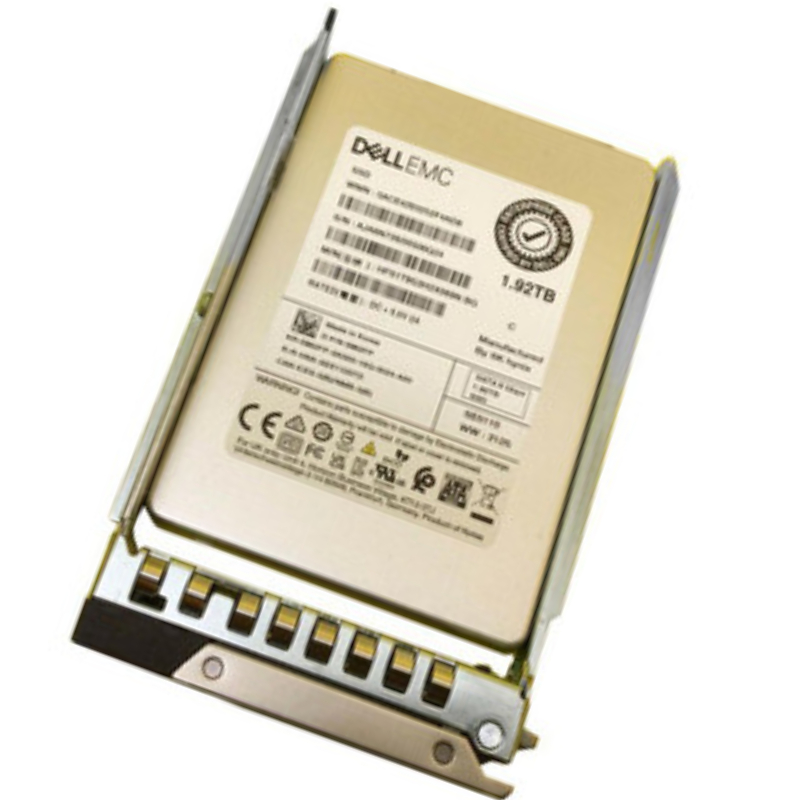


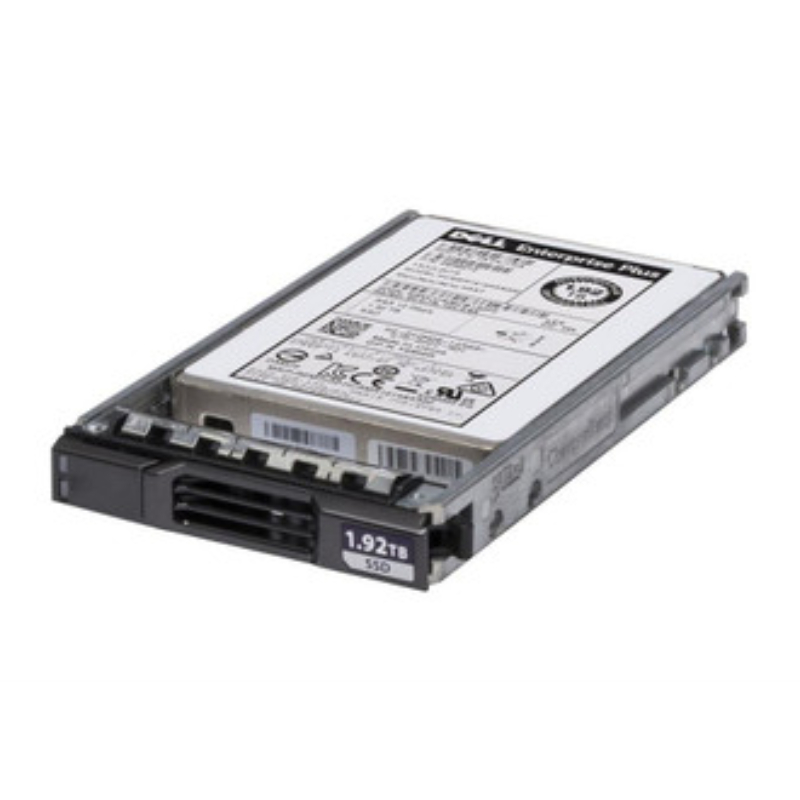
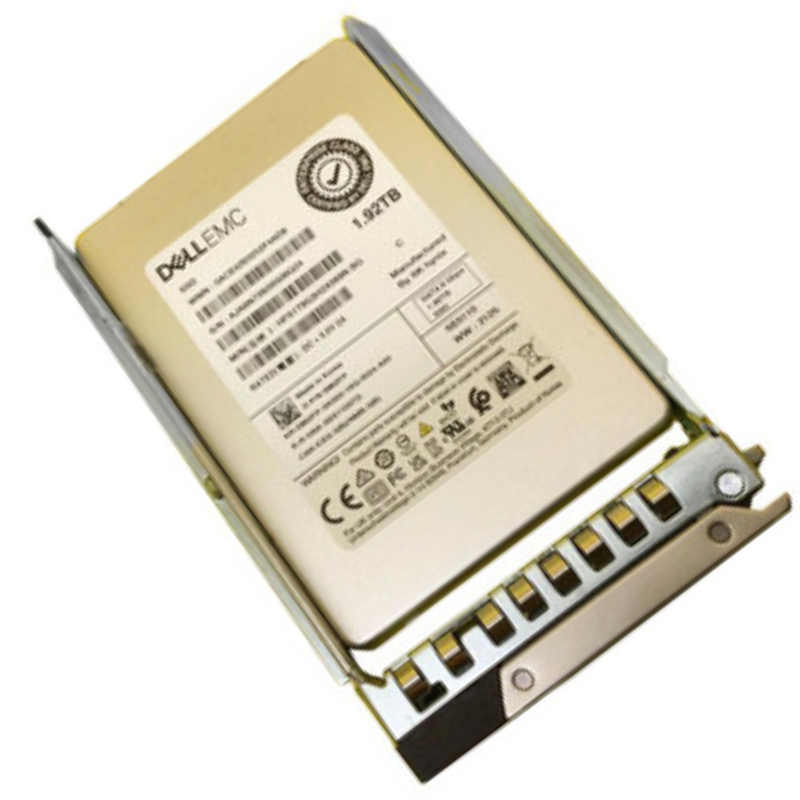
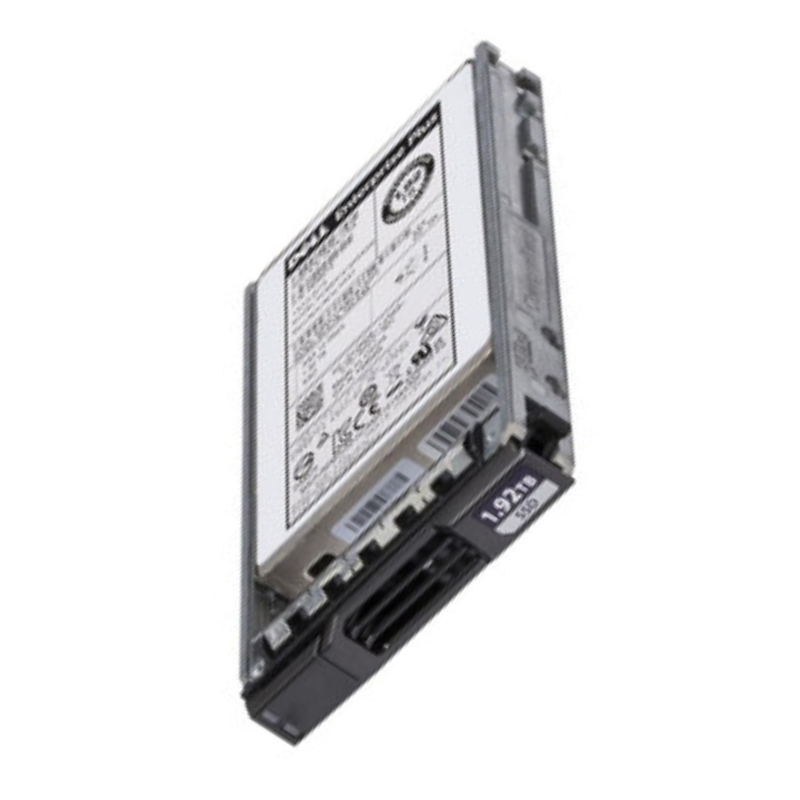
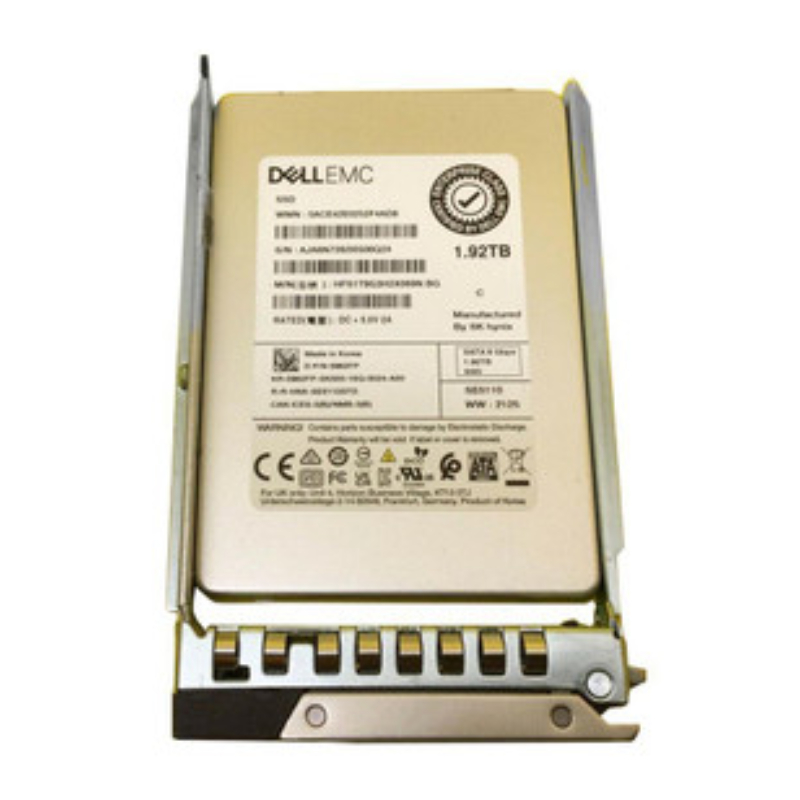
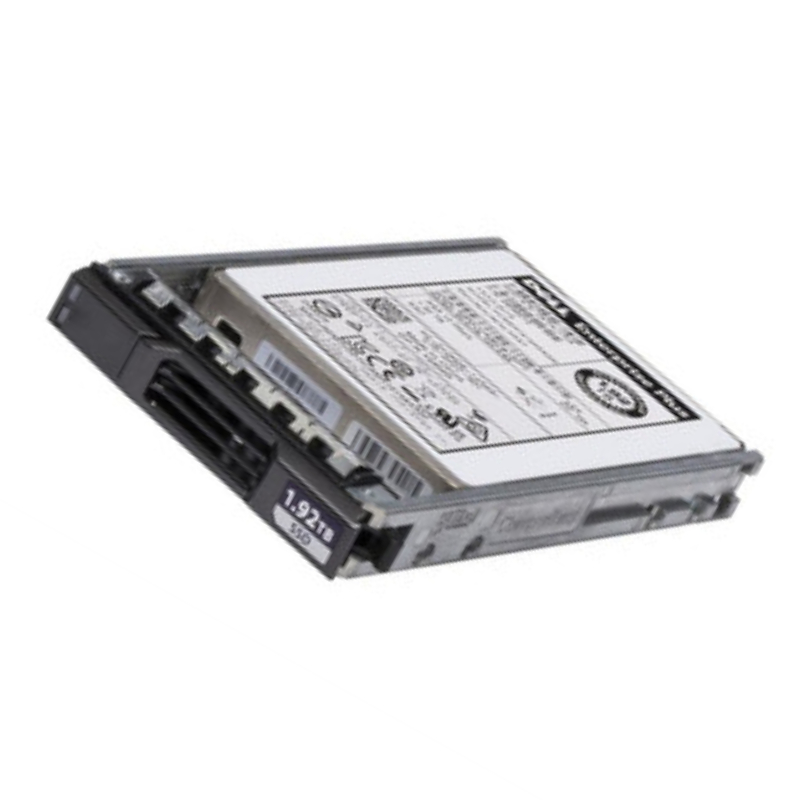
Dell 6MC3H 1.92TB SAS-12GBPS SED Mixed Use SSD. New Sealed in Box (NIB) 1 Year Warranty
The Dell 6MC3H 1.92TB Self-Encrypting SED Solid State Drive is engineered for high-performance computing and enterprise workloads. With a 12Gbps SAS interface, advanced mixed-use endurance, and Dell certification, it ensures seamless reliability for Dell PowerEdge 14G, 15G, and 16G servers.
The Dell 6MC3H 1.92TB Self-encrypting SED Mixed Use 3DWPD TLC SAS 12Gbps 2.5" Hot Plug Dell Certified Solid State Drive for Dell 14g/15g/16g PowerEdge Server is engineered for modern enterprise environments that demand a balance of performance, endurance, and security. This drive pairs the robustness of SAS 12Gbps connectivity with the cost-efficient density of TLC NAND flash to deliver sustained throughput for mixed workload environments. As a Dell-certified part, the 6MC3H is factory-validated to work seamlessly with PowerEdge 14th, 15th, and 16th generation platforms, ensuring compatibility with Dell firmware, life cycle controllers, and server management frameworks.
The SAS 12Gbps interface of the Dell 6MC3H unlocks consistent, low-latency performance under heavy, concurrent I/O loads. For database transactions, virtual desktop infrastructure, and mixed application tiers, the drive’s high-bandwidth link reduces queuing and maximizes transactional throughput. The Mixed Use 3DWPD rating communicates a carefully engineered endurance profile, optimized for environments where reads dominate but writes remain significant — for example, virtualized servers hosting a mixture of application servers and transactional databases. This drive’s TLC (triple-level cell) flash technology is combined with firmware-level write optimization, error-correcting code (ECC), and wear-leveling algorithms to sustain steady performance without frequent background pauses, making it ideal for multi-tenant server blades or converged infrastructure nodes.
Security is a primary consideration in enterprise storage deployments, and the Dell 6MC3H includes self-encrypting drive features that simplify data-at-rest protection. Hardware-based encryption reduces CPU overhead compared to software-only approaches and supports secure erase and key management workflows. Organizations that must meet regulatory standards — such as GDPR, HIPAA, or industry-specific compliance frameworks — can leverage SED functionality to enforce cryptographic safeguards, enable rapid decommissioning of drives with cryptographic sanitize, and reduce the risk of data leakage during drive replacement. Integration with Dell server management and external key management appliances ensures predictable operational behavior in large scale deployments.
The "3DWPD" endurance rating indicates a drive designed to write up to three times the drive capacity per day over its warranty life under defined conditions. For a 1.92TB capacity, that endurance level supports aggressive mixed-use workloads without compromising longevity. Dell’s certification process for the 6MC3H includes thermal validation, vibration testing, and compatibility checks under multi-drive scenarios typical of PowerEdge chassis. These validations ensure that customers can count on consistent SMART telemetry, predictable failure modes, and straightforward warranty handling when purchased through Dell or authorized resellers.
Enterprise-grade solid state drives incorporate multiple layers of protection against data corruption and unexpected power loss. The Dell 6MC3H is equipped with advanced ECC, background media maintenance routines, and firmware designed to minimize risk during power events. These features, when combined with server-level power-loss protection and redundant power supplies, contribute to strong data integrity guarantees. Dell-certified firmware also eases firmware update management through the Dell OpenManage ecosystem, allowing administrators to apply validated updates while minimizing system-level surprises.
Proactive monitoring is vital for modern data centers. The drive exposes SMART attributes and vendor-specific telemetry that help administrators anticipate device degradation, plan replacements, and maintain SLAs. Dell OpenManage integrations provide a unified view of drive health within PowerEdge server fleets, enabling scripted alerts and rationalized spare inventories. By relying on monitored SMART metrics and Dell's validated alerts, IT teams can reduce unplanned downtime and align maintenance windows to business needs.
One of the primary selling points of the Dell 6MC3H SSD is its certified interoperability across multiple PowerEdge generations. The drive is designed to fit 2.5-inch hot-plug bays and work with Dell’s backplane and RAID controllers commonly found in 14G, 15G, and 16G platforms. Compatibility extends beyond physical fit: the drive’s firmware is tested against server BIOS versions, storage controller firmware, and Dell OpenManage for reporting and firmware deployment. For enterprises managing heterogeneous server estates, this cross-generation compatibility simplifies procurement, reduces spares complexity, and shortens validation cycles when planning upgrades or replacements.
The 2.5-inch form factor and hot-plug design of the Dell 6MC3H enable quick drive swaps and high-density configurations within server chassis. Dell-certified trays ensure proper alignment with the server backplane and provide consistent thermal and mechanical coupling. For operations where quick serviceability matters, such as colocation facilities or remote data halls, the hot-plug ability reduces the need for extended downtime. Administrators should match the drive with the appropriate Dell carrier to maintain front-panel LED behavior and proper mechanical latching in enterprise racks.
When integrated into RAID arrays, SAS drives require careful attention to controller settings to maximize performance and durability. The Dell 6MC3H performs well behind Dell HBA and PERC controllers when configured with recommended stripe sizes, cache policies, and write-back or write-through modes suited to the workload. For mixed-use workloads, administrators often select RAID levels that balance redundancy and performance, such as RAID 10 for write-intensive databases or RAID 6 for higher effective capacity with fault tolerance. Dell’s compatibility matrices and tested configurations simplify selection of controller firmware and array settings for predictable performance.
This drive is particularly suited for enterprise workloads that require consistent read performance with moderate write demands. Common use cases include virtualization hosts, transactional databases with read-heavy profiles, email and collaboration servers, web application tiers, and cache layers for storage arrays. Its endurance rating allows it to handle frequent but not extreme write cycles, making it an excellent fit for mixed-use pools where read operations dominate but write bursts occur with predictable regularity. The drive can also serve as the workhorse in distributed storage nodes where cost-efficiency is paired with enterprise-grade manageability.
In virtualized environments, drive I/O characteristics are influenced by consolidation ratios, guest operating system behavior, and caching layers. The Dell 6MC3H’s SAS 12Gbps interface and firmware tuning help address unpredictable I/O patterns from guest VMs by reducing latency and preserving throughput under contention. For Virtual Desktop Infrastructure (VDI) deployments where boot storms and login events create concentrated I/O spikes, the drive’s mixed-use rating and enterprise firmware provide consistent boot disk performance and faster user experience during peak times.
Databases that require low-latency index and transaction log access benefit from placing hot data on enterprise SSDs like the 6MC3H. The drive’s mix of performance and endurance supports accelerated query response times and faster commit latencies while maintaining a predictable write endurance profile. In hybrid storage topologies, these drives can be used as a cache or tier in front of higher-capacity HDD arrays to accelerate random access patterns while controlling overall cost per terabyte.
Capacity planning with SSDs requires balancing usable capacity against performance headroom and endurance burn rate. For the Dell 6MC3H 1.92TB SED SSD, planners should estimate daily write workloads and apply the 3DWPD figure to forecast drive life. Factoring in overhead for RAID parity or hot spares will affect usable capacity and replacement cycles. From a total cost of ownership perspective, the drive’s lower power consumption per IOPS and higher effective throughput can reduce the number of physical servers needed, leading to savings in rack space, cooling, and power budgets over the drive’s operational life.
Enterprises should adopt a predictive spare strategy that aligns with the drive’s expected wear and real-time SMART telemetry. Instead of reactive purchasing, maintaining a small pool of identical Dell-certified spares reduces downtime risk. Using Dell’s management tools to track wear-level indicators and extrapolate remaining useful life helps teams schedule replacements during maintenance windows. This predictive approach balances capital expenditure against the operational risk of in-service failures.
Although SSDs consume less power than equivalent disk arrays under typical loads, dense server configurations still require careful thermal planning. The 2.5-inch form factor drives in multi-bay enclosures should be evaluated for airflow patterns and chassis thermal design. Dell-certified trays and server chassis are tested to ensure adequate cooling, but integrators must still consider ambient data hall conditions and RAID controller heat. Proper thermal management preserves performance consistency and reduces the rate of firmware-initiated throttling under sustained loads.
Operational efficiency is enhanced when drives are easy to manage at scale. Dell’s OpenManage suite integrates drive health monitoring, firmware deployment, and inventory tracking. For the 6MC3H SSD, administrators are advised to apply only Dell-validated firmware to avoid incompatibilities and to follow Dell’s recommended firmware upgrade paths. During mass deployments, use automated management workflows to stage firmware updates, confirm compatibility with storage controllers, and log rollbacks should unexpected behavior occur.
Installing the Dell 6MC3H in a PowerEdge server is straightforward: insert the drive into a compatible 2.5-inch tray, slide the carrier into the hot-plug bay until it latches, and verify that the host recognizes the device in the BIOS or HBA utility. When performing replacements in live systems, follow the server manufacturer’s hot-swap and RAID rebuild procedures to avoid data loss. Ensure that the replacement drive is provisioned in the array and that array rebuild priorities are tuned to balance recovery speed with production I/O demands.
Data security best practices require that drives be sanitized before reuse or disposal. The self-encrypting nature of the Dell 6MC3H simplifies secure erase procedures through cryptographic sanitization, which is much faster than multi-pass overwrite techniques and provides cryptographic assurance that previously stored data cannot be recovered. For physical disposal, follow organizational and legal guidelines for e-waste, and consider responsible recycling channels that can handle electronic components safely.


 Contact Us
 Information
 Catalog
 Solid State Drives (SSD)
 Network Switches
 Hard Disk Drives
 HBA & Controllers
 PC & Servers
 PC & Server Memory
 CPU & Processors
 Network Routers
 Power Supplies
 Tape Drives & Libraries
 Network Devices
 Computer & Network Cables