(7% discount is applied at checkout)
Cart is empty
Your go-to destination for cutting-edge server products
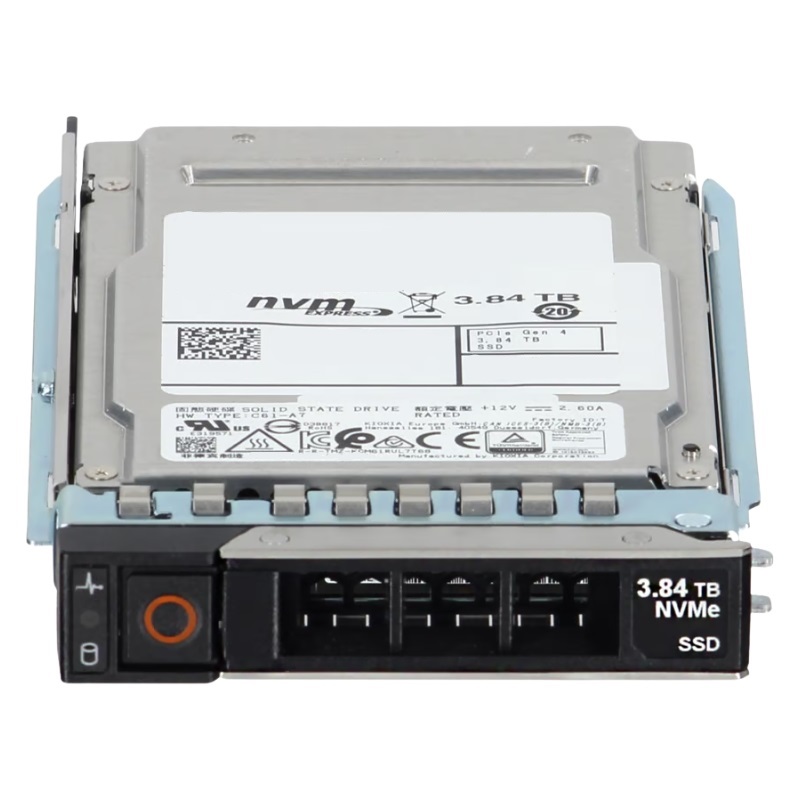


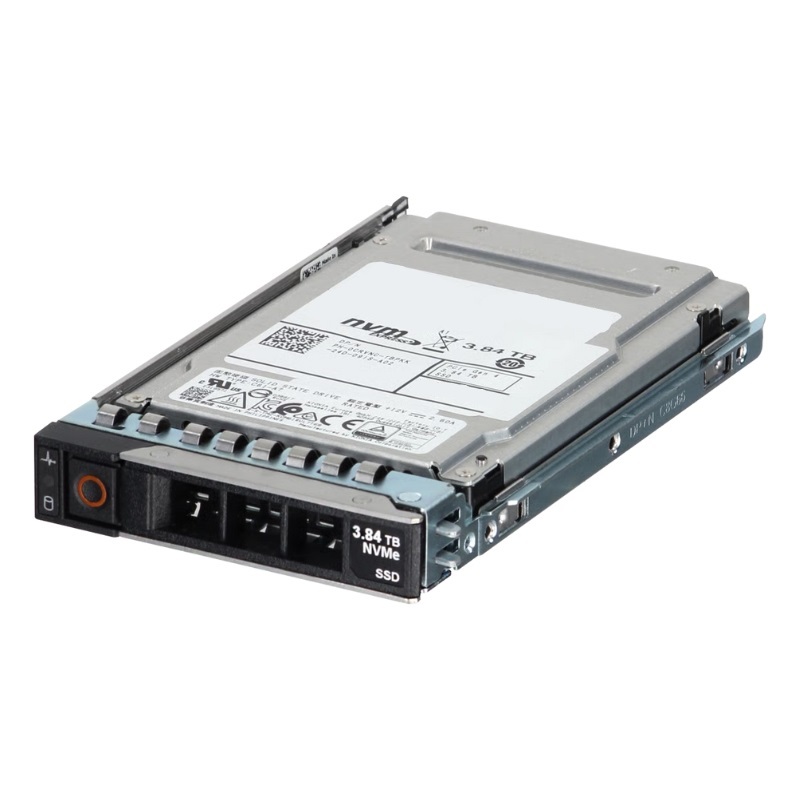
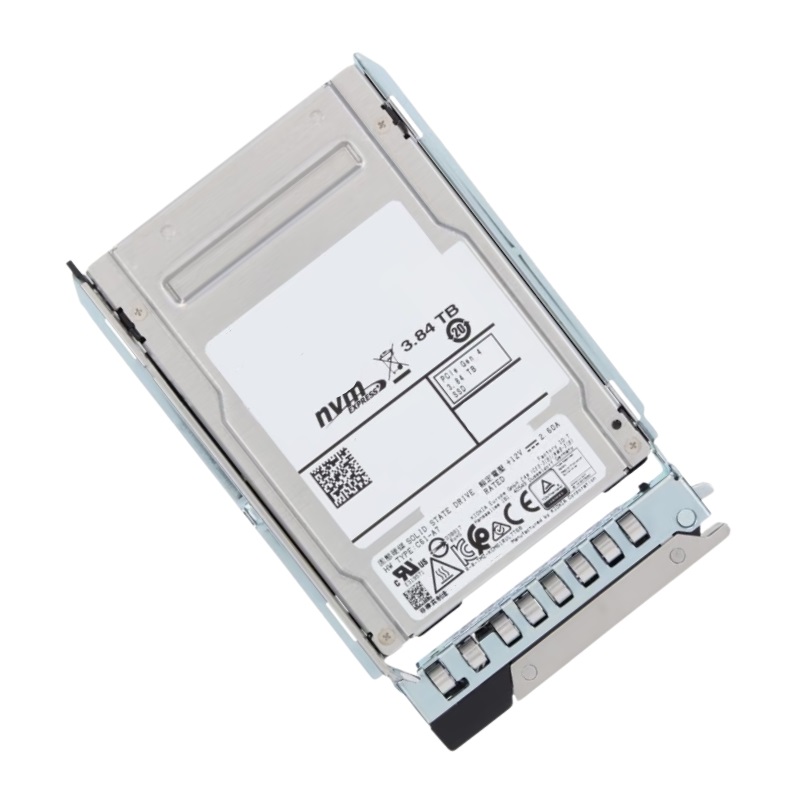
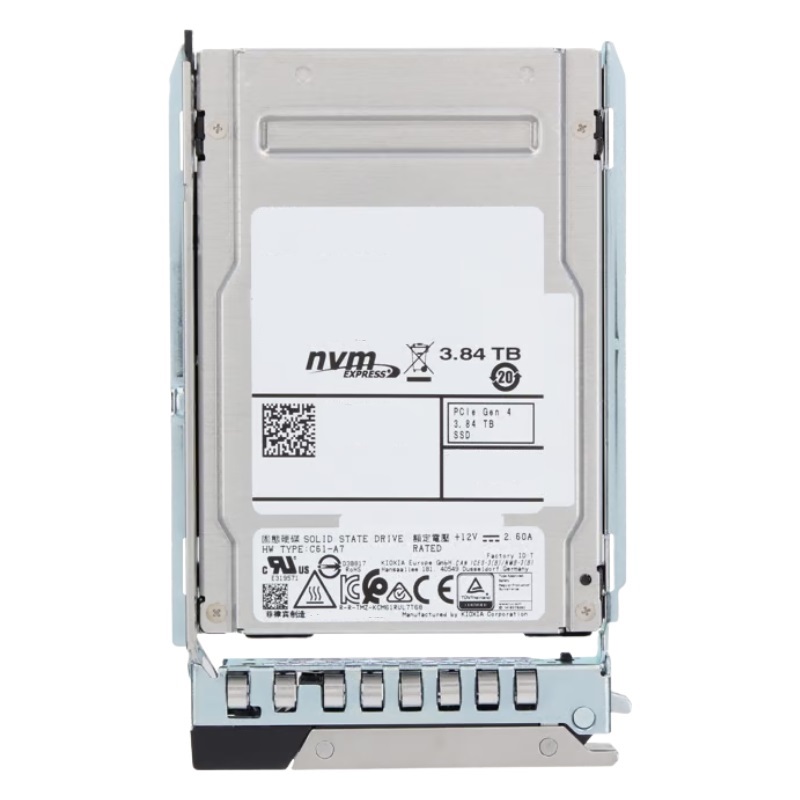
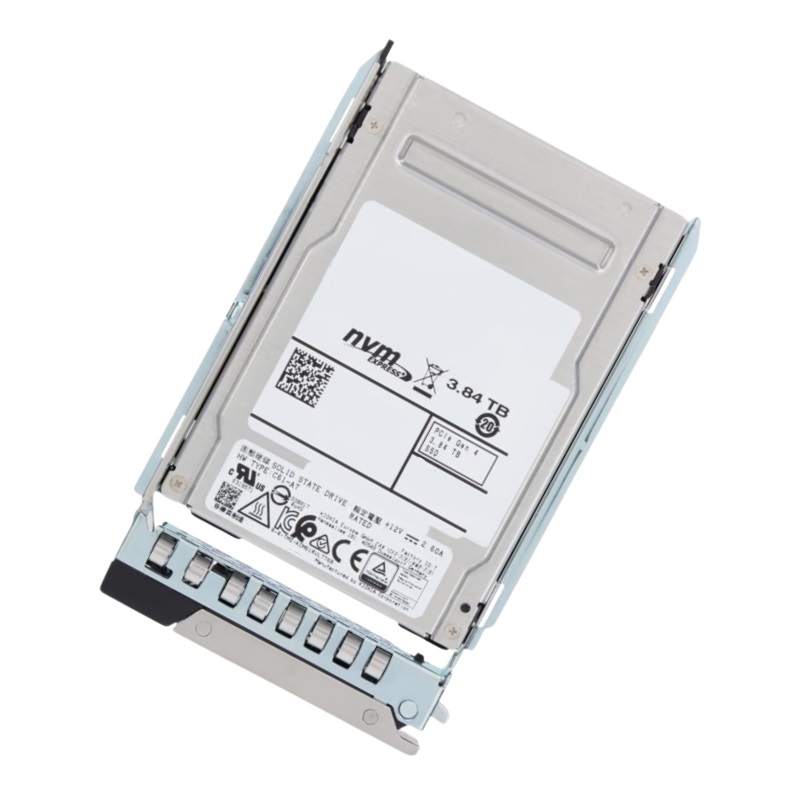
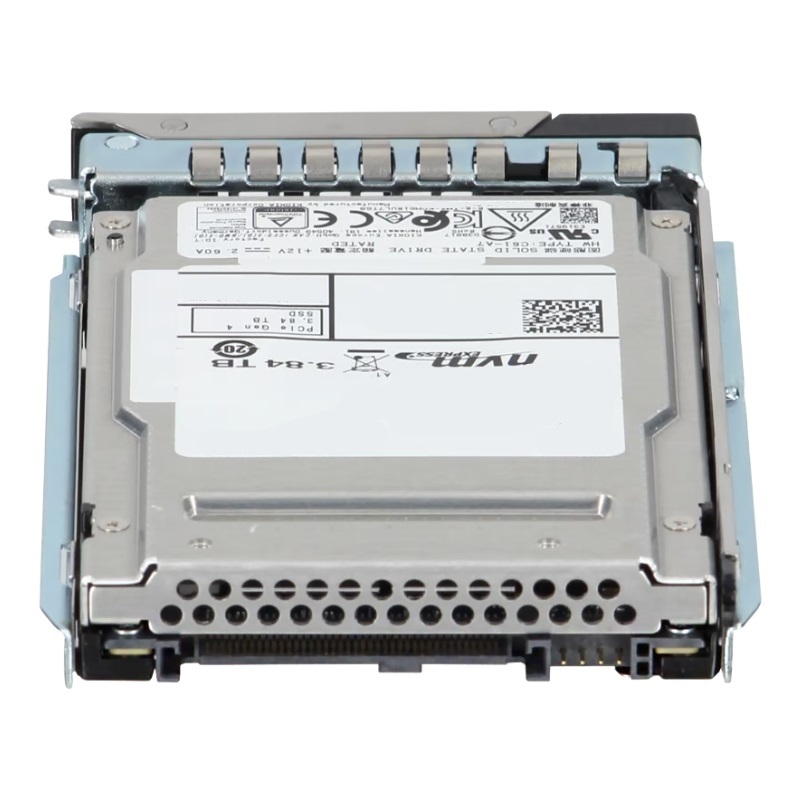
Dell 6MXN9 3.84TB NVMe 2.5inch U.2 PCIe Gen4 TLC Read Intensive SED FIPS Solid State Drive. Excellent Refurbished with 1 year Replacement Warranty
Discover the Dell 6MXN9 3.84TB NVMe SSD—an enterprise-grade, 2.5-inch U.2 PCIe Gen4 TLC drive engineered for high-throughput, low-latency workloads. With read‑intensive tuning, FIPS 140-2 validated encryption, and seamless integration in Dell PowerEdge platforms, it delivers dependable performance for data centers and virtualization.
The category encompassing the Dell 6MXN9 3.84TB NVMe 2.5inch U.2 PCIe Gen4 TLC Read Intensive SED FIPS Solid State Drive represents a highly specialized segment of enterprise-grade storage solutions engineered for modern data center infrastructures. This category focuses on high-capacity, high-throughput NVMe solid state drives designed to meet the demanding performance, security, and reliability requirements of mission-critical workloads. Products within this category are optimized for read-intensive operations, making them ideal for environments where data retrieval speed, low latency, and consistent performance are essential for operational efficiency.
Enterprise NVMe U.2 SSDs in this segment are purpose-built for server and storage array deployments, offering seamless compatibility with industry-standard 2.5-inch U.2 drive bays. By leveraging PCIe Gen4 interfaces, these drives significantly outperform legacy SATA and SAS SSDs, enabling faster access to large datasets, accelerated application response times, and improved overall system throughput. This category is particularly relevant for organizations transitioning to next-generation architectures that demand scalable, high-performance storage without compromising on data protection and compliance.
Storage solutions within this category emphasize large-capacity configurations such as 3.84TB, which strike an optimal balance between density and performance for enterprise use cases. High-capacity NVMe drives reduce the physical footprint required for storage expansion while simplifying infrastructure management. By consolidating data onto fewer drives, organizations can optimize server configurations, reduce power consumption, and improve airflow within racks, all while maintaining rapid access to critical information.
These drives are particularly well-suited for data-driven workloads such as analytics platforms, content delivery systems, virtualization environments, and database-driven applications. The read-intensive classification highlights their ability to deliver sustained high read performance over long periods, making them ideal for scenarios where data is frequently accessed but written less often. This specialization ensures longer drive lifespan and predictable performance metrics, which are essential for enterprise planning and capacity forecasting.
The U.2 form factor is a defining characteristic of this category, offering a robust and standardized interface for enterprise SSD deployments. Unlike consumer-focused M.2 NVMe drives, U.2 SSDs are designed for hot-swappable server environments, allowing administrators to replace or upgrade drives without system downtime. This capability is critical for maintaining high availability and minimizing service disruptions in enterprise data centers.
U.2 drives provide superior thermal management compared to smaller form factors, enabling sustained high performance under heavy workloads. The physical design supports enterprise-grade connectors and cabling, ensuring stable power delivery and reliable data transmission even in densely populated server configurations. This category is therefore aligned with professional IT environments that prioritize uptime, maintainability, and long-term operational stability.
Products in this category leverage PCIe Gen4 technology to deliver substantial performance gains over previous generations. PCIe Gen4 effectively doubles the bandwidth of PCIe Gen3, enabling NVMe SSDs to achieve significantly higher sequential read speeds and improved random I/O performance. This increase in bandwidth translates directly into faster data access, reduced latency, and improved responsiveness for applications that rely on real-time data processing.
For enterprise workloads such as large-scale virtualization, in-memory databases, and high-frequency transaction systems, PCIe Gen4 NVMe drives provide the performance headroom needed to support growth and evolving application demands. This category is particularly relevant for organizations deploying modern CPUs and server platforms that natively support PCIe Gen4, ensuring that storage performance does not become a bottleneck within the system architecture.
Self-encrypting drive technology is integral to this category, providing automatic data encryption without requiring manual configuration or software-based solutions. Encryption processes occur directly on the drive controller, ensuring minimal impact on performance while maintaining continuous data protection. This approach simplifies compliance efforts and reduces administrative overhead for IT teams managing large-scale storage deployments.
SED functionality also supports secure erase and crypto-erase operations, enabling rapid and reliable data sanitization when drives are repurposed or retired. This capability is essential for organizations that must adhere to strict data handling and disposal regulations, reinforcing the category’s focus on enterprise security and compliance.
FIPS compliance within this category ensures that cryptographic modules meet rigorous government-defined standards for security and integrity. Drives certified under FIPS are validated for use in environments where data confidentiality and compliance are non-negotiable. This makes the category particularly valuable for organizations operating in sectors with strict regulatory oversight.
By integrating FIPS-compliant encryption at the hardware level, these NVMe SSDs provide a trusted foundation for secure data storage. This capability allows enterprises to deploy high-performance storage solutions without sacrificing compliance, enabling innovation while maintaining adherence to regulatory requirements.
The use of triple-level cell NAND flash within this category reflects a strategic balance between capacity, performance, and cost-efficiency. TLC NAND enables higher storage densities compared to MLC alternatives, allowing for larger capacities such as 3.84TB within a compact 2.5-inch form factor. Advanced controller technologies and firmware optimizations ensure that TLC-based enterprise drives deliver consistent performance and reliability suitable for professional workloads.
Enterprise-grade TLC NAND used in this category undergoes rigorous validation and testing to meet durability and endurance standards required for data center environments. Sophisticated wear leveling, error correction, and over-provisioning techniques extend drive lifespan and maintain data integrity, even under sustained operational loads.
Read-intensive drives within this category are engineered to provide high read endurance over extended periods. While write endurance may be lower than mixed-use or write-intensive drives, the optimization for read-heavy workloads ensures that the drive’s endurance profile aligns with its intended use. This targeted approach maximizes return on investment by delivering reliable performance where it is most needed.
Organizations deploying these drives can expect predictable endurance metrics and consistent quality of service, enabling accurate capacity planning and workload optimization. This reliability is a cornerstone of the category, supporting long-term deployments in critical production environments.
This category is designed to integrate seamlessly with Dell enterprise server and storage platforms, ensuring compatibility, performance optimization, and simplified management. Dell-certified NVMe SSDs are validated for use within specific system configurations, reducing deployment risk and ensuring that firmware, drivers, and management tools work cohesively.
Integration with Dell management ecosystems allows administrators to monitor drive health, performance metrics, and lifecycle status through centralized tools. This level of integration enhances operational efficiency and enables proactive maintenance, reducing the likelihood of unexpected failures and downtime.


 Contact Us
 Information
 Catalog
 Solid State Drives (SSD)
 Network Switches
 Hard Disk Drives
 HBA & Controllers
 PC & Servers
 PC & Server Memory
 CPU & Processors
 Network Routers
 Power Supplies
 Tape Drives & Libraries
 Network Devices
 Computer & Network Cables