(7% discount is applied at checkout)
Cart is empty
Your go-to destination for cutting-edge server products
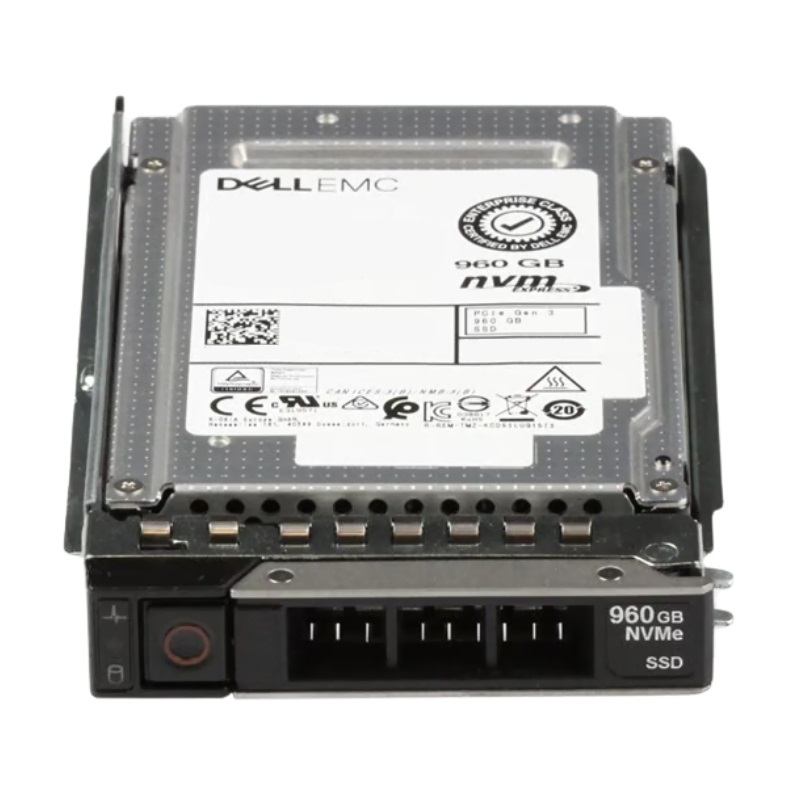


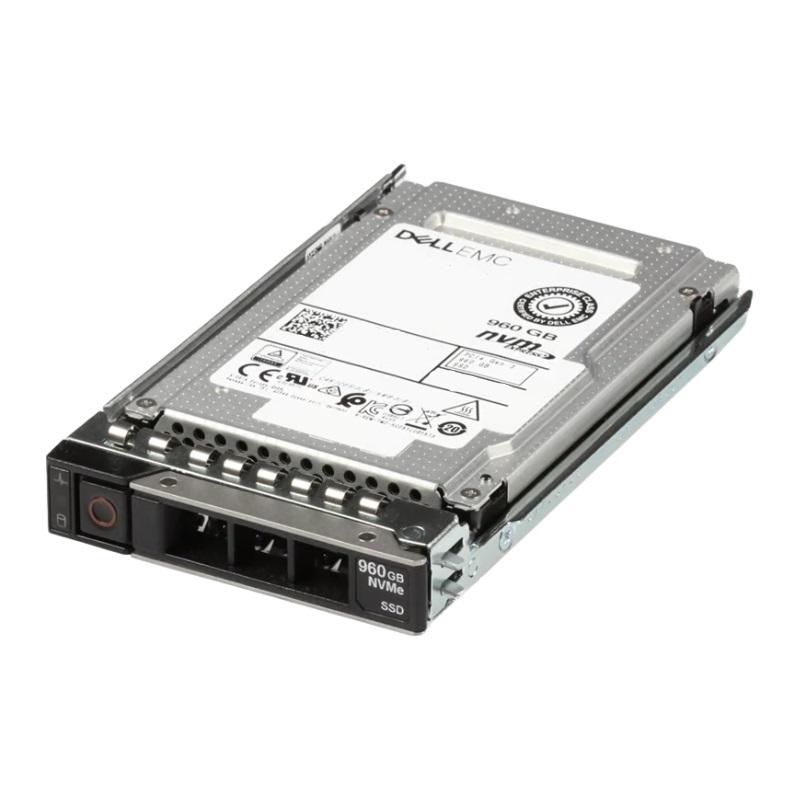
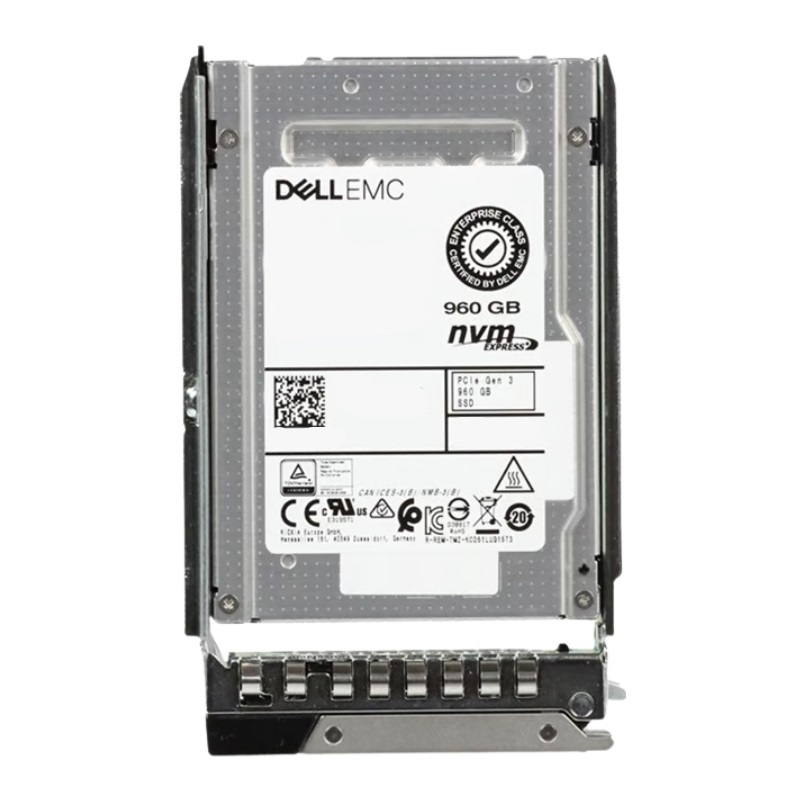
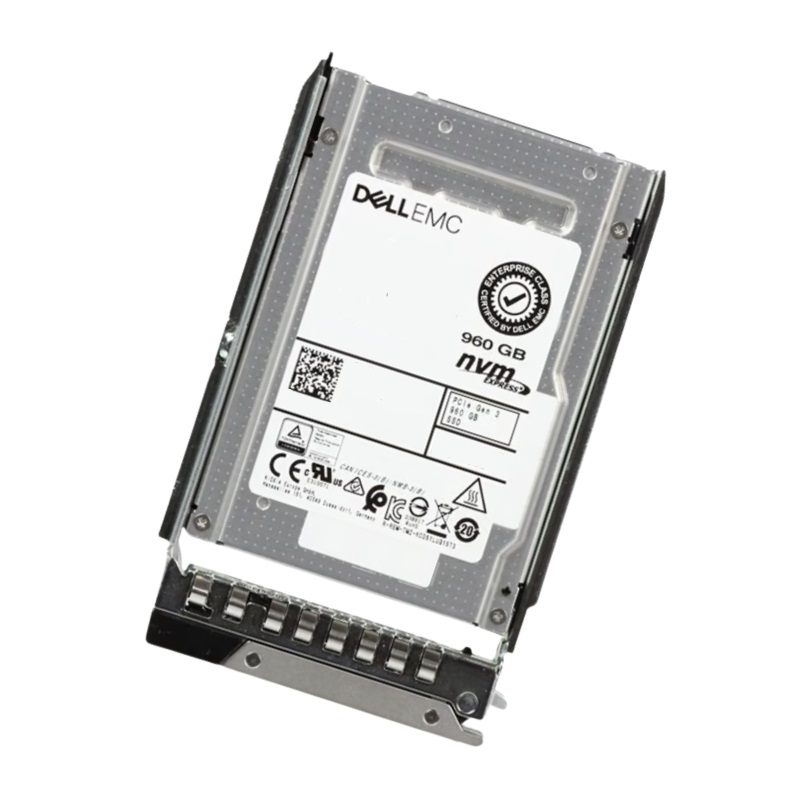
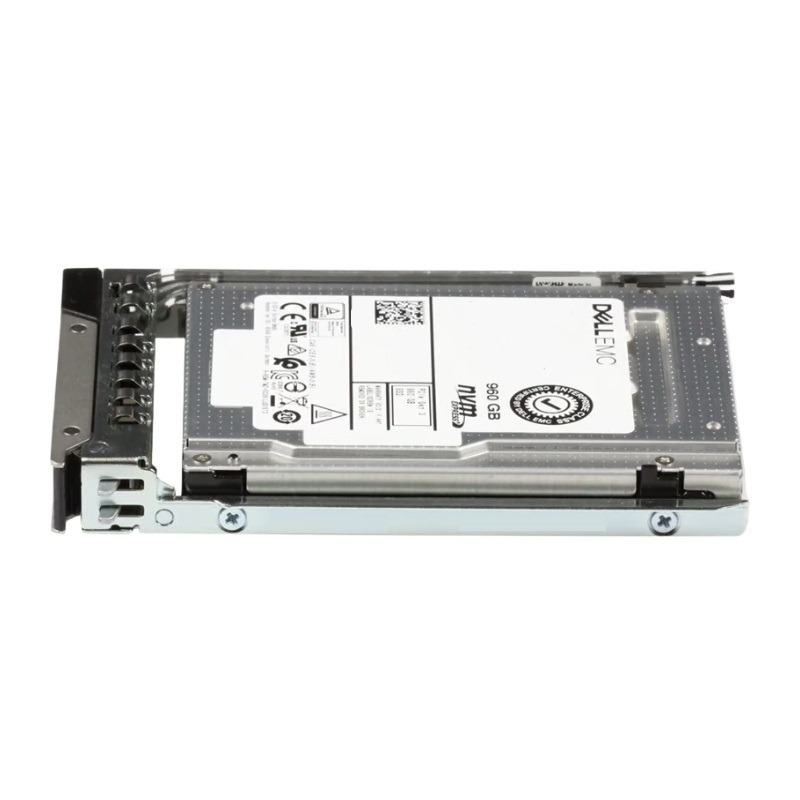
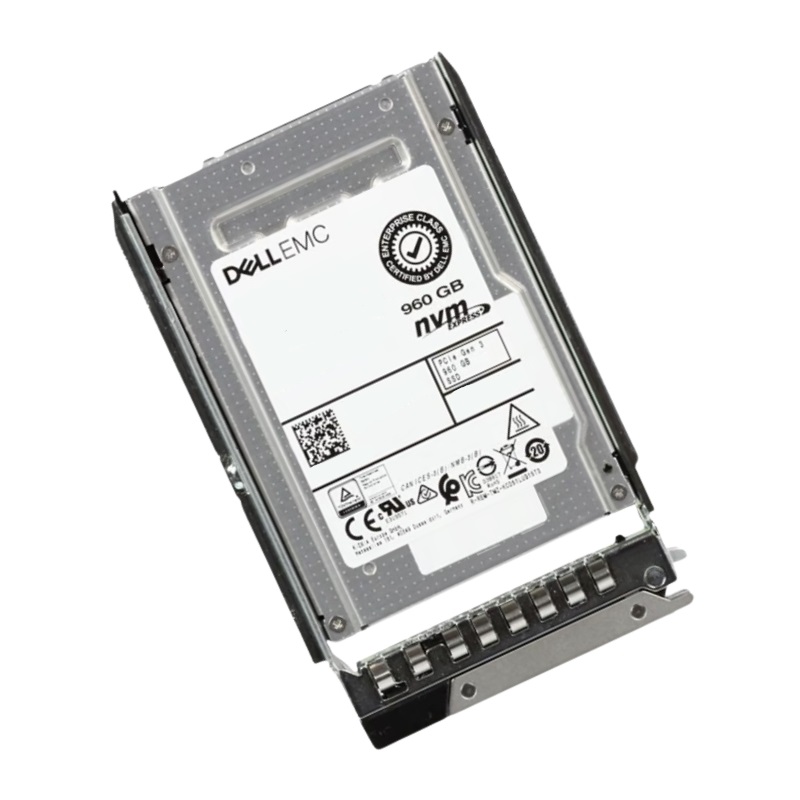
Dell 71Y2J 960GB NVMe 2.5Inch PCIe Data Center Gen 5.0 X4 RI TLC Solid State Drive. Excellent Refurbished with 1 year Replacement Warranty
Discover the Dell 71Y2J—an enterprise-grade NVMe solid-state drive engineered for modern data centers. With PCIe Gen 5.0 x4 bandwidth, robust reliability, and read-intensive TLC NAND, this 2.5 inch internal SSD delivers exceptional throughput and low latency for virtualization, analytics, and cloud workloads.
The Dell 71Y2J 960GB NVMe 2.5Inch PCIe Data Center Gen 5.0 X4 RI TLC Solid State Drive belongs to a specialized category of enterprise-grade storage devices designed to support modern data center infrastructures that demand extreme throughput, consistent latency, and long-term operational reliability. This category focuses on high-performance NVMe solid state drives optimized for server and cloud environments where transactional workloads, virtualization platforms, and analytics engines require sustained access to data without bottlenecks. The defining characteristics of this category include adherence to PCI Express Gen 5.0 standards, compatibility with 2.5-inch hot-swappable enterprise bays, and the use of advanced flash memory technologies tuned for read-intensive usage patterns.
Enterprise storage categories have undergone a significant transformation over the last decade, moving from traditional spinning disks to SATA-based solid state drives and eventually to NVMe architectures. The Dell 71Y2J SSD represents the current generation of this evolution by leveraging PCIe Gen 5.0 x4 connectivity. This category is defined by its ability to provide exponentially higher bandwidth compared to earlier PCIe generations, enabling servers to process data at unprecedented speeds. The adoption of Gen 5.0 interfaces allows data center operators to consolidate workloads, reduce I/O wait times, and unlock the full potential of modern multi-core processors.
The NVMe protocol is central to this category, as it is specifically engineered to take advantage of the parallelism inherent in solid state storage. Unlike legacy protocols that were designed around mechanical drives, NVMe minimizes command overhead and allows thousands of concurrent queues. The Dell 71Y2J SSD fits squarely within this NVMe-focused category, enabling predictable low-latency performance for applications such as large-scale databases, virtualization clusters, and real-time analytics. This protocol-centric design is a key reason why NVMe Gen 5.0 drives are increasingly replacing older enterprise storage options.
The 2.5-inch form factor remains a cornerstone of enterprise storage categories due to its balance of density, thermal efficiency, and compatibility with existing server infrastructure. The Dell 71Y2J 960GB NVMe SSD is part of a category that prioritizes seamless integration into standard data center racks and server chassis. This form factor supports hot-swapping, allowing administrators to replace or upgrade drives without downtime, which is essential for mission-critical environments.
Drives in this category are engineered to operate reliably under continuous load while maintaining optimal thermal characteristics. The 2.5-inch NVMe Gen 5.0 category emphasizes advanced thermal management, as higher interface speeds generate more heat than previous generations. Dell enterprise SSDs are designed to work in concert with server airflow and cooling systems, ensuring sustained performance even during peak usage. This makes the category particularly suitable for high-density deployments where thermal stability is crucial.
Enterprise storage categories that include 2.5-inch NVMe drives are built around serviceability and uptime. The Dell 71Y2J SSD exemplifies this by supporting hot-swap capabilities within compatible Dell servers. This allows data center teams to maintain service continuity while performing maintenance or scaling storage capacity. The category as a whole is defined by this focus on minimizing operational disruption.
The PCIe Gen 5.0 x4 interface is a defining attribute of this category, delivering significantly higher bandwidth compared to Gen 4.0 and earlier standards. Drives like the Dell 71Y2J are designed to saturate these lanes with high-throughput data transfers, making them ideal for workloads that require rapid access to large datasets. This category supports applications that benefit from sequential and random read performance, including data warehousing, AI model inference, and content delivery systems.
One of the advantages of the PCIe Gen 5.0 category is its ability to scale bandwidth in alignment with modern server CPUs. As processors gain more cores and higher memory bandwidth, storage must keep pace to avoid becoming a performance bottleneck. The Dell 71Y2J NVMe SSD category addresses this by offering a storage interface capable of feeding data to CPUs at speeds that match their processing capabilities, thereby improving overall system efficiency.
Low latency is a critical requirement for many enterprise applications, and the NVMe Gen 5.0 category excels in this area. The Dell 71Y2J SSD is positioned within a category that prioritizes consistent response times, even under heavy I/O loads. This makes it particularly suitable for transactional systems such as online transaction processing databases and financial platforms where predictable performance is essential.
The use of TLC NAND optimized for read-intensive workloads defines a significant subcategory within enterprise SSD offerings. The Dell 71Y2J 960GB drive belongs to this read-intensive category, which is engineered to deliver high read throughput and endurance characteristics aligned with workloads that involve frequent data access and comparatively fewer write operations. This category strikes a balance between performance, capacity, and cost efficiency, making it a popular choice for data centers with analytics, reporting, and content distribution needs.
Read-intensive enterprise SSD categories are designed with endurance profiles that match their intended use cases. The Dell 71Y2J SSD category emphasizes sustained read performance while maintaining sufficient write endurance for metadata updates and background processes. This approach allows organizations to deploy high-capacity NVMe storage without overprovisioning for write endurance that may not be required by their workloads.
TLC NAND technology has matured significantly, making it suitable for demanding enterprise environments when properly managed. The category that includes the Dell 71Y2J SSD leverages advanced firmware algorithms, error correction, and wear-leveling techniques to ensure reliability over the drive’s operational lifespan. This allows data centers to benefit from the higher density and cost advantages of TLC NAND while still meeting enterprise reliability standards.
Enterprise NVMe SSD categories are widely used in virtualization and container platforms due to their ability to handle multiple concurrent I/O streams. The Dell 71Y2J SSD fits into this category by providing consistent performance for virtual machines and containers that share underlying storage resources. This makes it an effective choice for private clouds and enterprise virtualization stacks.
Another common application for this category is database acceleration. The high read throughput and low latency of the Dell 71Y2J NVMe SSD make it suitable for use as a primary database storage medium or as a caching layer in tiered storage architectures. This enables faster query response times and improved user experiences for data-driven applications.
Scalability is a defining feature of modern enterprise storage categories. The adoption of PCIe Gen 5.0 within the Dell 71Y2J SSD category positions organizations to accommodate future workload growth without immediate hardware replacement. This forward-looking approach allows data centers to scale performance as application demands increase.


 Contact Us
 Information
 Catalog
 Solid State Drives (SSD)
 Network Switches
 Hard Disk Drives
 HBA & Controllers
 PC & Servers
 PC & Server Memory
 CPU & Processors
 Network Routers
 Power Supplies
 Tape Drives & Libraries
 Network Devices
 Computer & Network Cables