(7% discount is applied at checkout)
Cart is empty
Your go-to destination for cutting-edge server products
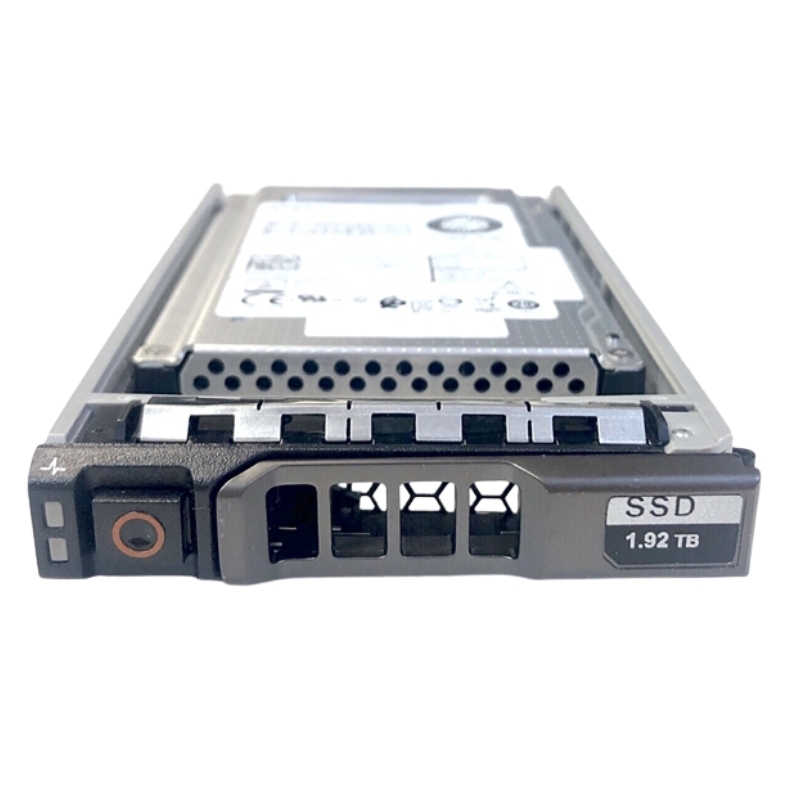


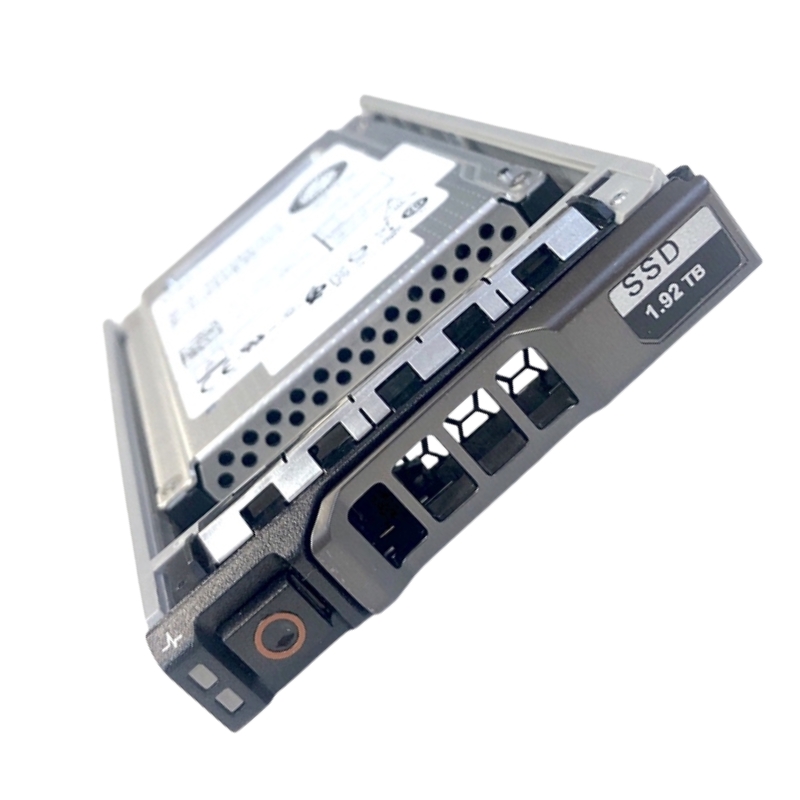
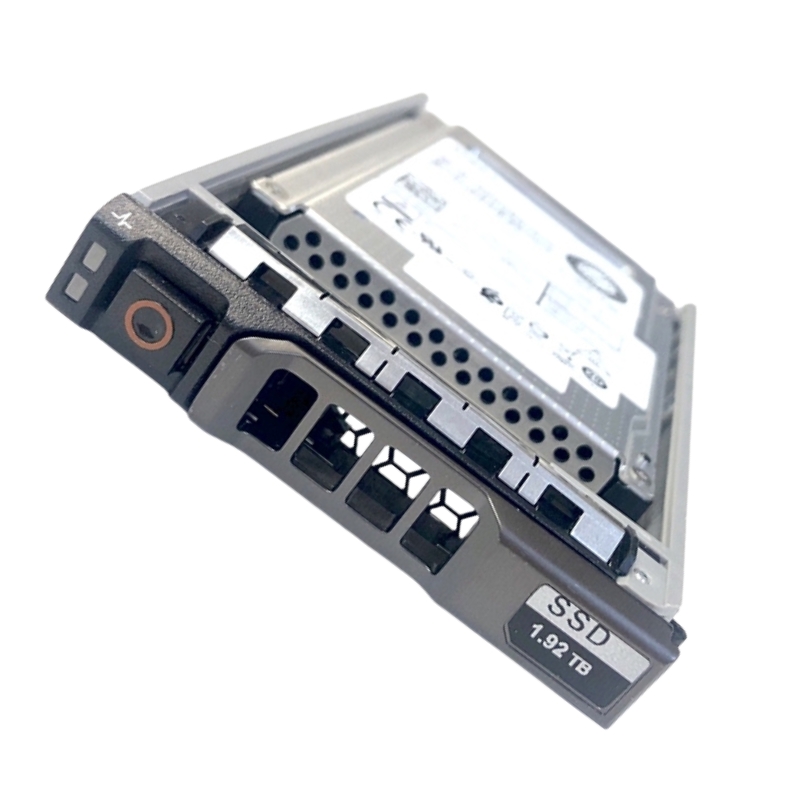
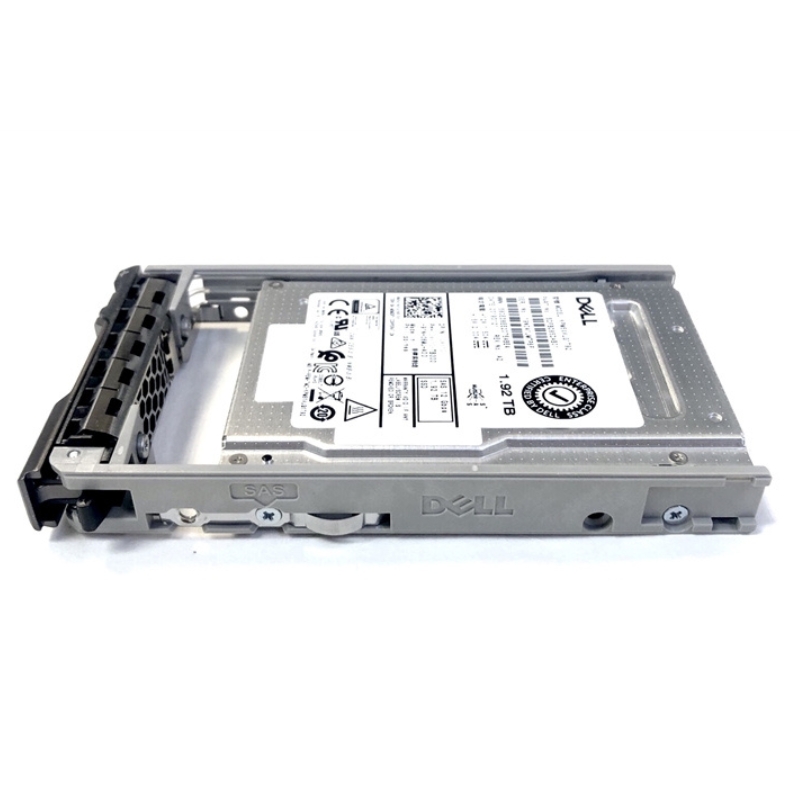
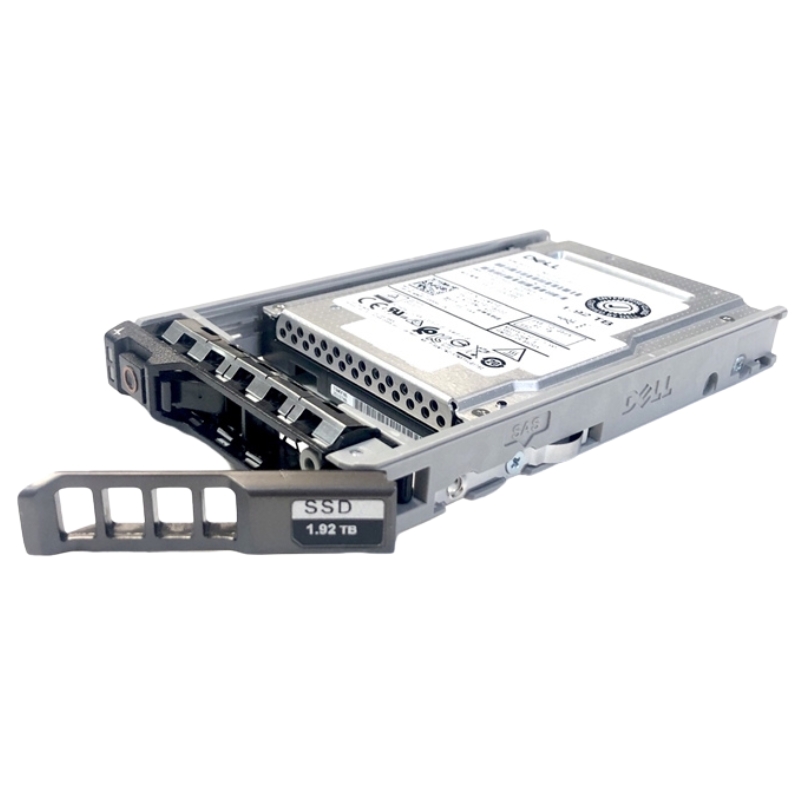
Dell 78W68 1.92TB Mixed Use MLC Solid State Drive SAS 12GBPS Hot Plug. Excellent Refurbished with 1 year replacement warranty
Mixed Use MLC NAND flash sits between read-optimized and write-optimized flash classes. The Mixed Use designation signals a drive engineered to handle a combination of reads and writes at moderate to high intensities without the price premium of the highest-endurance drives. For the Dell 78W68 1.92TB, this translates into practical endurance for database logging, virtual machine (VM) workloads, virtual desktop infrastructure (VDI), and transactional application servers — workloads that perform both frequent reads and steady writes.
SAS 12Gbps provides robust enterprise-level connectivity with features not typically available on consumer interfaces. Full-duplex communication, longer cable reach compared to SATA, and strong compatibility with server backplanes make SAS a preferred choice for mission-critical storage arrays. In deployments that use Dell PowerEdge servers or compatible storage enclosures, a 12Gbps SAS SSD like the 78W68 integrates into RAID configurations, caching layers, and tiered storage strategies with predictable performance behavior.
Hot-plug support enables administrators to replace or upgrade drives without powering down hosts. This is crucial for high-availability environments where downtime must be minimized. Proper hot-swap operation depends on server firmware, RAID controller support, and following the vendor's procedures; but the drive itself is engineered to withstand insertion and removal events while preserving data and maintaining reliability.
The category emphasizes low, consistent latency and strong random IOPS performance under mixed workloads. This makes the drive suitable for:
Database systems (OLTP/OLAP hybrid deployments)
Virtualization platforms with many small random IOs
Application servers with transactional patterns
Caching layers in hybrid storage arrays
For system architects, the predictable latency profile is often more valuable than peak sequential bandwidth. When designing storage tiers, place these SAS Mixed Use SSDs where random performance and endurance matter more than raw sequential throughput.
While SAS SSDs in this category are capable of delivering solid sequential read/write throughput, their strength lies in random IO. Sequential performance is still important for backup, large file staging, and linear data migrations. Many enterprise drives include internal mechanisms (SLC caching, write buffers, dynamic over-provisioning) that allow short bursts of high sequential throughput while protecting long-term endurance.
Mixed Use MLC SSDs often implement caching strategies — for example, pseudo-SLC or DRAM buffers — to accelerate small writes and reads. When sustained large sequential writes exceed cache capacity, performance can reduce to the drive's sustained write rate. Capacity planning should therefore consider the ratio of bursty vs sustained writes in your workload to avoid unexpected slowdowns.
Reliability for enterprise SSDs is multi-faceted: component quality, firmware maturity, wear-leveling algorithms, error correction (ECC), and power-loss protection all contribute. The Dell 78W68 category is positioned for mission-critical environments where drives must demonstrate stable behavior over wide temperature ranges and continuous operation.
Endurance is commonly measured in drive writes per day (DWPD) or total terabytes written (TBW). Mixed Use MLC drives deliver meaningful endurance metrics fit for regular data center use but are not intended to replace the highest-endurance enterprise writes (e.g., high-DWPD SLC/enterprise TLC). When planning a deployment:
Estimate daily written bytes for each workload.
Compare to vendor endurance ratings to forecast the drive lifespan.
Account for over-provisioning and reserve capacity used by RAID and storage pools.
The category typically includes advanced error correction codes (ECC) and on-board power-loss protection capacitors that help safeguard in-flight data during unexpected power interruptions. SMART (Self-Monitoring, Analysis and Reporting Technology) telemetry and vendor management utilities provide ongoing health tracking, allowing administrators to proactively replace drives before failures occur. Integrating drive telemetry into centralized monitoring (e.g., Dell OpenManage or third-party monitoring stacks) ensures consistent operational awareness.
The Dell 78W68 1.92TB Mixed Use MLC SAS SSD is ideal as primary storage for mixed-read/write environments where cost-effectiveness and endurance balance is required. Typical examples:
Virtual machine datastores for medium-to-high density virtualization environments.
Database nodes (small-to-midsize OLTP systems, distributed databases)
Application servers handling transactional operations
High-performance caching on hybrid arrays: caching tier for frequently accessed data while colder data remains on HDD
In all-flash arrays and tiered architectures, Mixed Use SAS SSDs can serve as the primary performance tier or as a capacity-performance compromise tier. Architects often pair these drives with higher-endurance SSDs for write-heavy logs or metadata and slower HDD tiers for capacity-oriented archival workloads.
For fault-tolerance, these drives are commonly deployed within RAID levels supported by controllers (RAID 1, 5, 6, 10). RAID choice should reflect the balance between performance, usable capacity, and reconstruction overhead. When rebuilding arrays, SSDs can stress controllers and the remaining drives; plan for controller cache sizing, background scrubbing windows, and hot-spare policies.
While the product is a Dell-branded drive, compatibility is broader across enterprise servers that support SAS 12Gbps and standard 2.5" hot-swap bays. However, for guaranteed interoperability and firmware-level features, using drives certified for Dell PowerEdge servers, Dell storage enclosures, or validated HBA/RAID controllers reduces risk. Check firmware release notes and validated parts lists when planning large rollouts.
SSD behavior is influenced heavily by the host controller and firmware. When integrating the 78W68 into an environment:
Ensure RAID/HBA firmware is up-to-date.
Review compatibility matrices for controllers to avoid feature mismatches (e.g., passthrough vs RAID operation).
Coordinate drive firmware updates across similar drives to maintain a consistent fleet state and avoid unexpected interactions with storage stacks.
Modern enterprise SSDs provide telemetry streams — like SMART attributes, error counters, wear indicators, and temperature readings — which are essential to predictive maintenance strategies. Integrate drive telemetry into centralized tools (server management suites, SNMP/Nagios/Zabbix/Prometheus bridges) to create alerts for:
Rising reallocated sectors or ECC correction counts
Rapidly increasing TBW or approaching endurance thresholds
Unexpected temperature excursions
Firmware updates can fix bugs, improve endurance handling, or increase performance stability. Best practices include:
Test firmware changes in a non-production environment first.
Follow vendor-recommended update processes and interleave updates to avoid mass reboots of production systems.
Back up important data and ensure redundancy before rolling updates across critical arrays.
Enterprise SSDs are designed to operate across a wide temperature range, but dense racks and heavy IO can generate sustained heat. Ensure adequate airflow within chassis and consider front-to-back server airflow patterns. Monitoring drive temperature via SMART can prevent thermal throttling and premature wear.
Many drives in this category include power-loss protection capacitors to commit in-flight data and metadata to NAND during sudden power events. This protects file system integrity and reduces the risk of corruption during unexpected outages. Additionally, SAS SSDs typically support enterprise power management features to reduce idle power when appropriate, contributing to lower datacenter energy costs.
For regulated industries and data-sensitive workloads, look for drives that support hardware-based encryption or integration with controller-level encryption. While not all models include built-in encryption, drives often interoperate with server OS-level or HBA-based encryption solutions. Check specifications for TCG Opal or other encryption standards if hardware encryption is required.
Secure erase features and NIST-compliant sanitization options are part of responsible end-of-life handling. When retiring drives, use vendor-provided secure erase utilities or validated cryptographic-erase procedures if hardware encryption is in-use to meet compliance obligations.


 Contact Us
 Information
 Catalog
 Solid State Drives (SSD)
 Network Switches
 Hard Disk Drives
 HBA & Controllers
 PC & Servers
 PC & Server Memory
 CPU & Processors
 Network Routers
 Power Supplies
 Tape Drives & Libraries
 Network Devices
 Computer & Network Cables