(7% discount is applied at checkout)
Cart is empty
Your go-to destination for cutting-edge server products
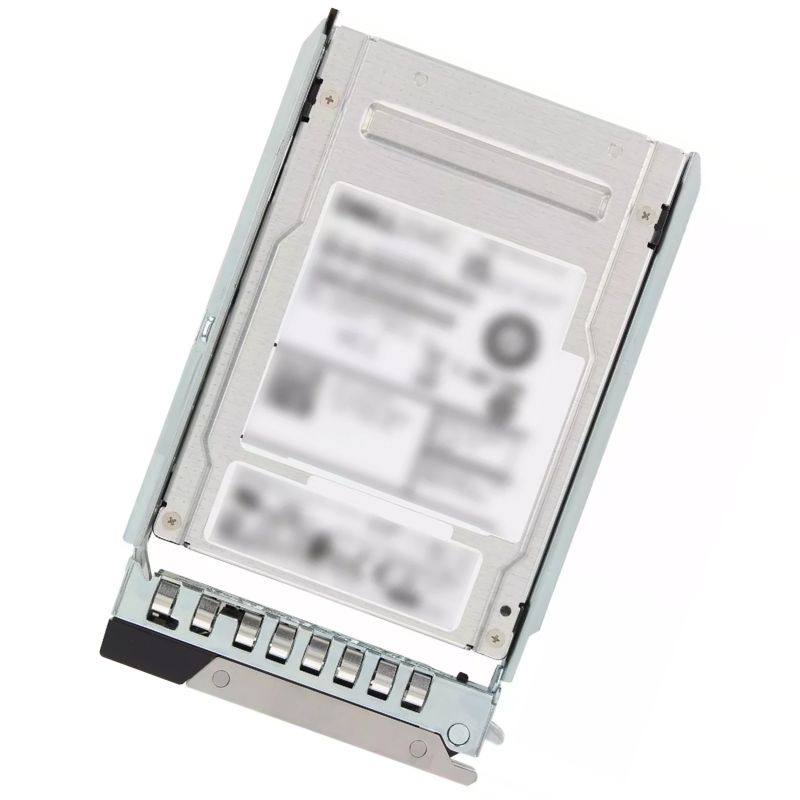


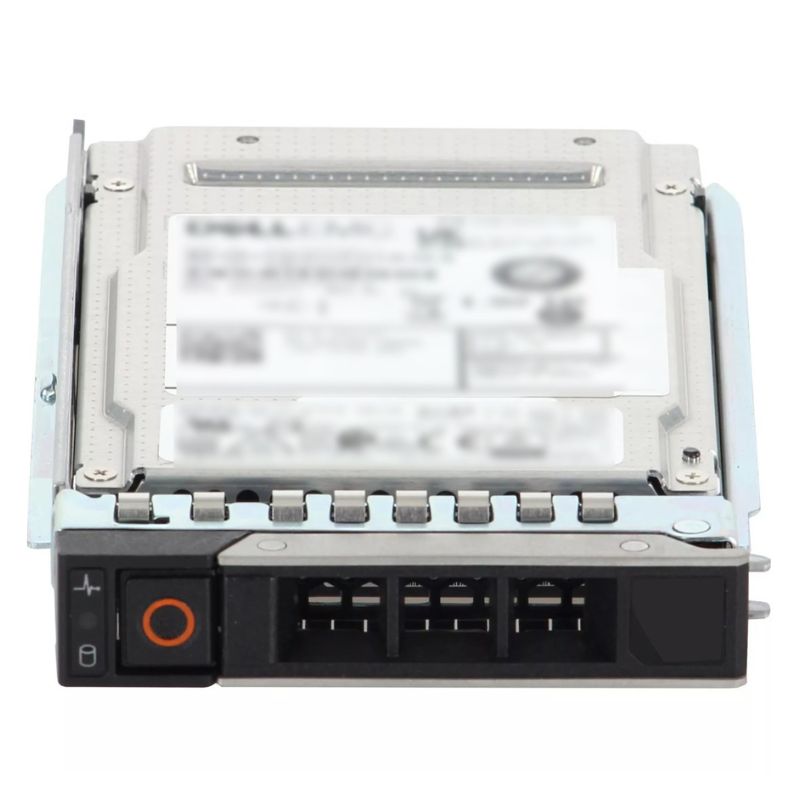
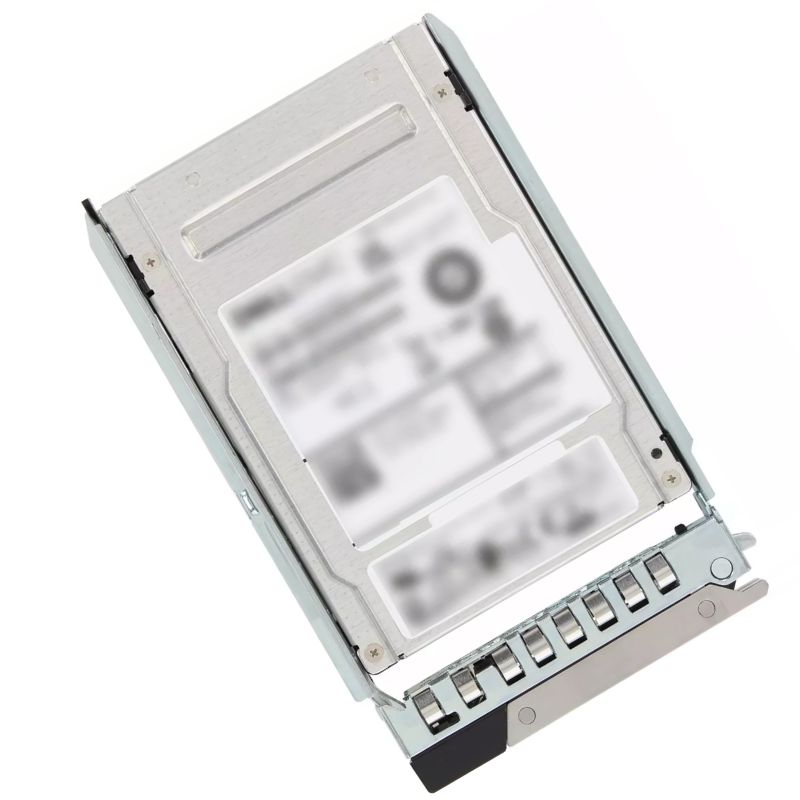
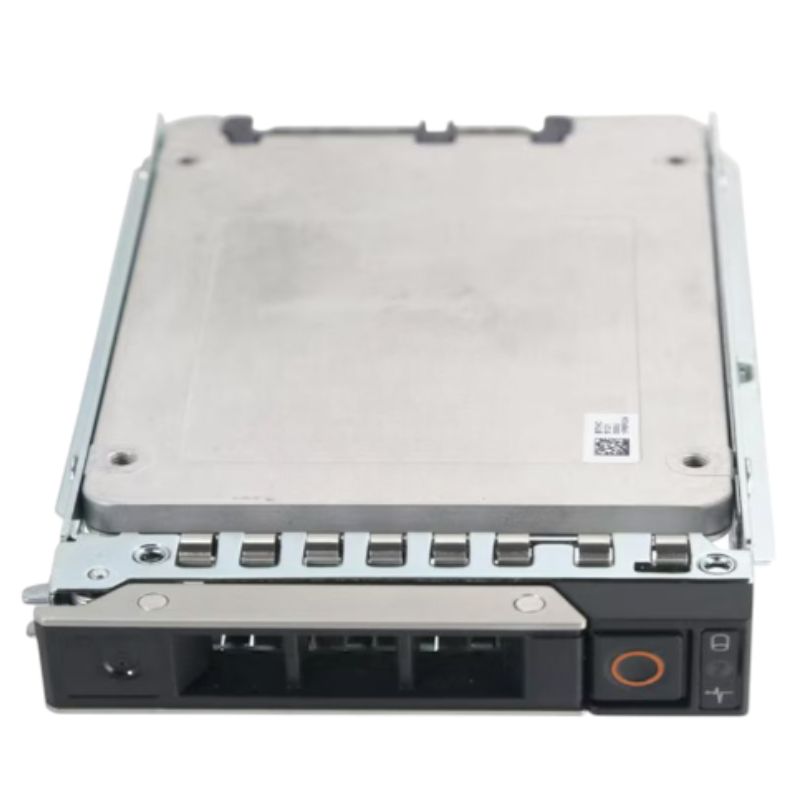
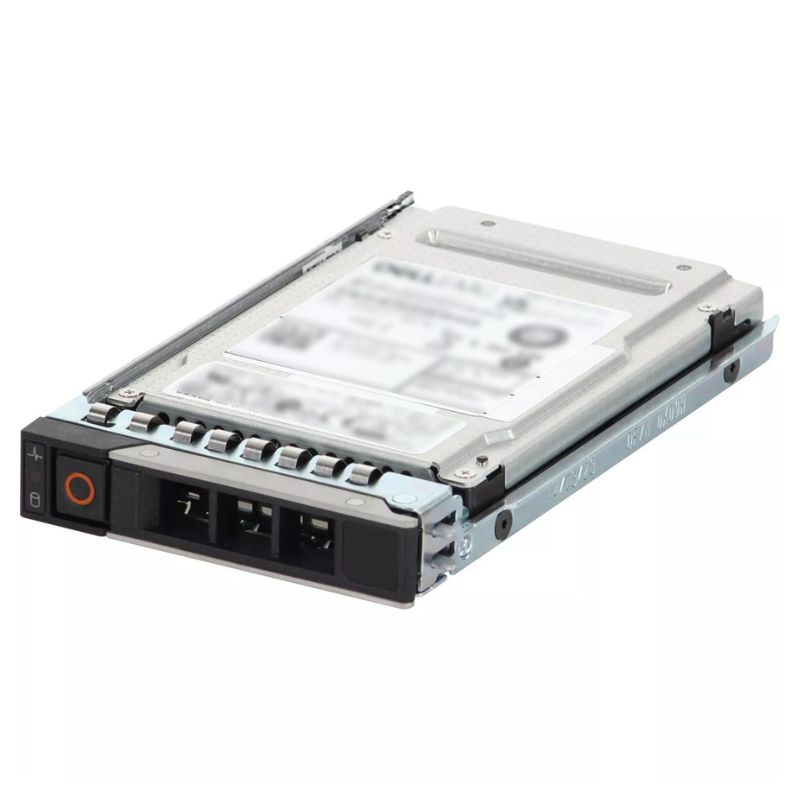
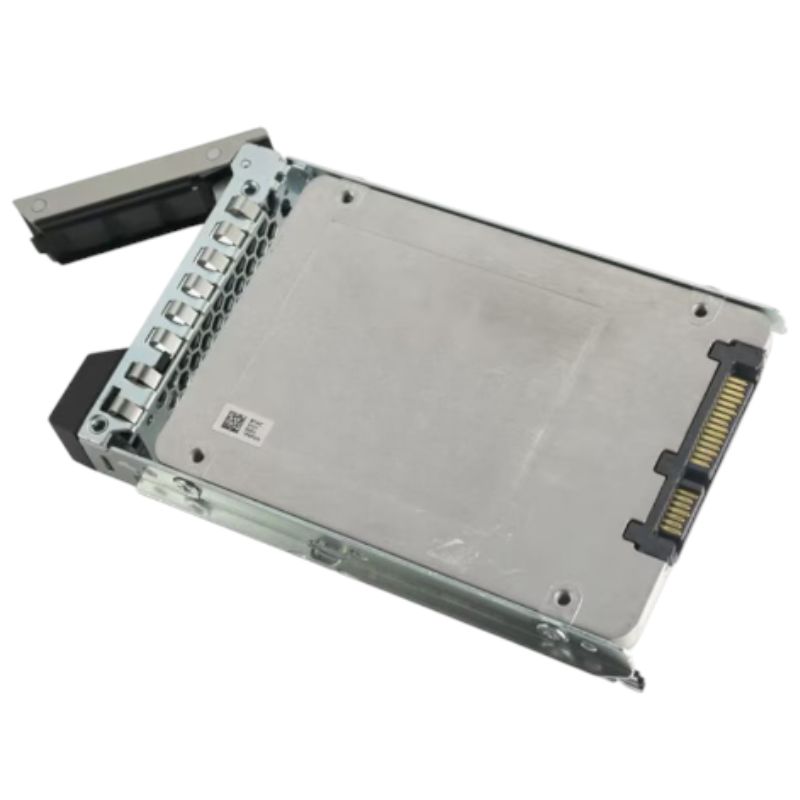
Dell 7DF6R 1.92TB SED 3DWPD SAS-12Gbps Mixed Use 2.5 Inch Hot Plug SSD. New Sealed in Box (NIB) With 1 Year Warranty
The Dell 7DF6R (also sold under Dell product code 345-BHVD) is a 1.92TB enterprise SAS solid-state drive engineered for mixed-use workloads where a balance of capacity, endurance and security is required. This drive is a 2.5-inch, 15mm hot-plug SFF SSD that connects over SAS-3 (12 Gbps) and implements on-drive self-encryption (SED) to meet data-at-rest protection requirements for servers and storage arrays. The term “mixed-use” describes SSDs designed to handle a combination of read-heavy and write-moderate workloads—exactly the environments found in virtualization, database caching, consolidation nodes and tier-1 storage pools. With a rated endurance of approximately 3 DWPD, the Dell 7DF6R gives administrators predictable write endurance while still offering the capacity and throughput to support dense VM deployments and medium-transaction databases.
Typical deployments for the 7DF6R include:
Virtualization hosts: converged server environments running many VMs where steady, moderate writes are common (OS churn, swap, log writes, snapshots).
Database acceleration: OLTP and mixed OLTP/analytics workloads that need low latency and consistent IOPS without the cost of write-intensive SSDs.
Tier-1 caching and metadata stores: metadata servers or caching layers in distributed filesystems where read/write mixes are moderate but latency is critical.
Server boot and system drives: high-availability hosts that need secure, fast boot/storage devices with hot-swap support and encryption.
The vendor-published sequential throughput numbers (≈2200 MB/s read, ≈2150 MB/s write) indicate strong sustained transfer rates for large sequential IOs, useful in bulk data movement and rebuild scenarios. Random IOPS figures (read ~415K / write ~160K) are the more relevant metric for transactional workloads: high random read IOPS accelerate database query responses, while robust random write IOPS keep transactional commits and logging responsive during peak activity. Because actual performance depends on host HBA, queue depth, and block size, view the published figures as a realistic upper bound in well-tuned enterprise environments.
On-drive Self-Encrypting Drive (SED) capability is an essential feature for organizations governed by data protection rules or those deploying encrypted server fleets. The 7DF6R implements hardware-based encryption so that data written to NAND is encrypted transparently; combined with a supported key management system, drives can be cryptographically erased for rapid decommissioning or repurposing. This simplifies compliance with standards and reduces the operational overhead of full-disk encryption implemented in software.
The 7DF6R is certified for Dell PowerEdge platforms—particularly modern MX and XR series blades and chassis that support SAS-3 hot-plug drives. Because it uses standard SAS signaling and enterprise drive commands, it also integrates into third-party arrays and JBODs that accept 2.5" SFF SAS drives. Administrators should confirm firmware compatibility and vendor HCL entries when migrating drives across generations or into third-party controllers.
Many resellers list the 7DF6R as available both as a native 2.5" SFF module and packaged in a hybrid 3.5" carrier for chassis that only accept 3.5" sleds. If your server sled uses a hybrid carrier, verify that the carrier supports proper SAS backplane alignment and airflow requirements to maintain thermal and reliability spec compliance.
A rated endurance of ~3 DWPD means a full-capacity overwrite of the drive up to three times per day over the warranty/ rated lifetime is within specification. For a 1.92TB drive, that equates to a substantial total bytes written (TBW) budget across the warranty period—sufficient for many mixed workload datacenter roles. While DWPD is an excellent shorthand for endurance, administrators should plan around TBW, workload profile (random vs sequential), write amplification caused by the file system and hypervisor, and spare-pool strategy in RAID/erasure coded arrays.
To maximize drive life and availability, integrate SMART/health telemetry into monitoring platforms (iDRAC, OMSA, or third-party monitoring). Key indicators to track include media wear percentage, spare block availability, uncorrectable error counts, and power cycle counts. Proactive replacement policies based on telemetry are recommended for clusters with strict availability SLAs.
The 2.5" x 15mm form factor has significantly different thermal requirements than low-profile client SSDs; enterprise drives like the 7DF6R assume server airflow and carrier design for cooling. When installing into blade and modular systems, ensure drive bays provide the OEM-recommended airflow or use the appropriate Dell carrier that aligns the drive for both electrical and thermal compliance. Hot-plug capability lets you replace or upgrade drives without system downtime when controllers and the OS support online replacement and reconstruction.
Enterprise SAS SSDs trade slightly higher idle and active power for improved performance stability and capacitors/firmware features that protect in-flight data on power loss. When calculating datacenter power budgets, include peak sustained active draw for rebuild and heavy IO stress testing, not just idle wattage, to avoid unexpected UPS and cooling strain during recovery operations. Consult vendor datasheets for exact wattage under different operating states.
The Dell 7DF6R is most powerful when used intentionally in architectures that match its mixed-use balance:
Cache tier in tiered storage: use 7DF6R drives as a mid-tier cache between NVMe write-intensive drives and high-capacity HDDs.
VM host local storage: pair with adequate RAM and proper RAID/ erasure coding; use local SSDs as ephemeral or persistent VM storage depending on backup strategy.
Metadata nodes: deploy for file system metadata and small-IO workloads to reap the benefit of high random IOPS without paying for pure write-intensive SSDs.
Enterprise best practice recommends using RAID configurations or erasure coding that tolerate multiple drive failures and reduce rebuild stress. Because SSD rebuilds are much faster than HDD rebuilds (and thus can create intense write storms), ensure your storage controller has SSD-aware rebuild settings or throttling to avoid premature wear on remaining drives. Also balance spare pool sizing to account for rebuild concurrency and the expected rebuild time for full-capacity SSDs.
Match DWPD to expected daily write volume: if your projected writes exceed the mixed-use TBW budget across the warranty window, consider higher DWPD alternatives or implement a workflow that offloads hot writes to NVMe write-intensive layers to extend SSD life while keeping capacity costs down.


 Contact Us
 Information
 Catalog
 Solid State Drives (SSD)
 Network Switches
 Hard Disk Drives
 HBA & Controllers
 PC & Servers
 PC & Server Memory
 CPU & Processors
 Network Routers
 Power Supplies
 Tape Drives & Libraries
 Network Devices
 Computer & Network Cables