(7% discount is applied at checkout)
Cart is empty
Your go-to destination for cutting-edge server products
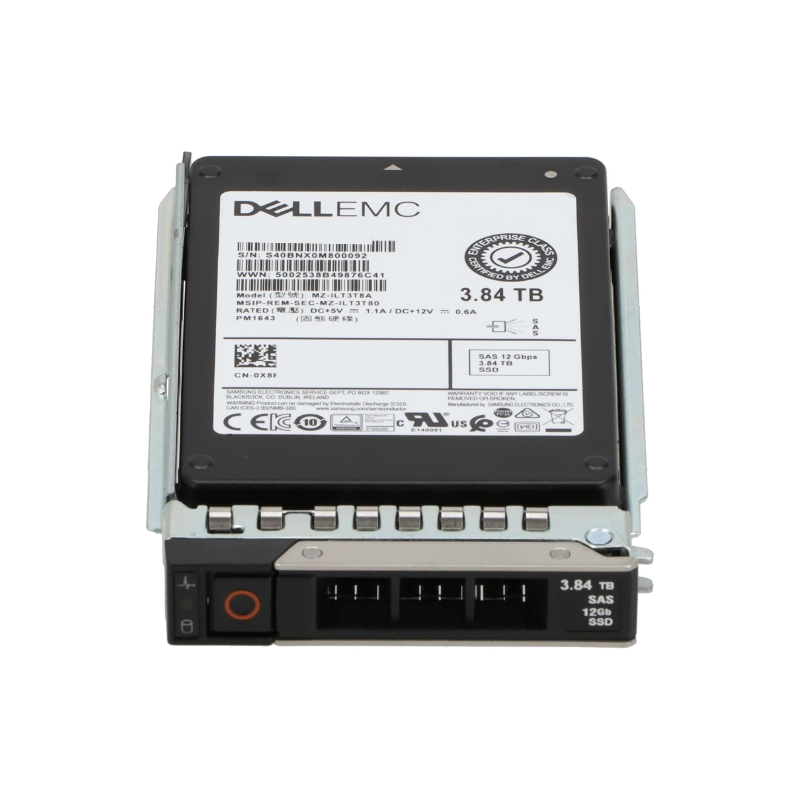


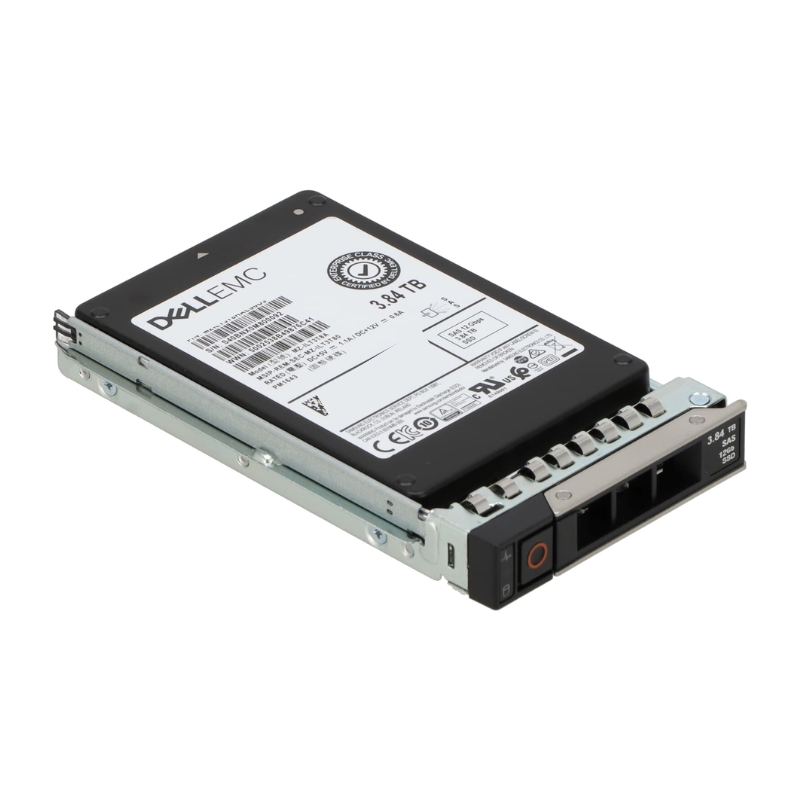
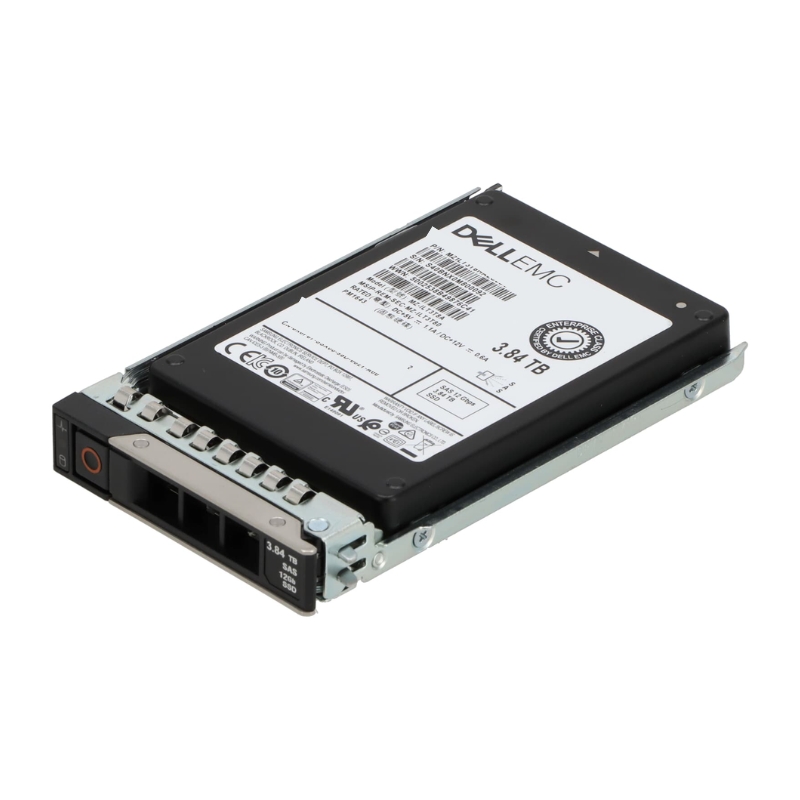
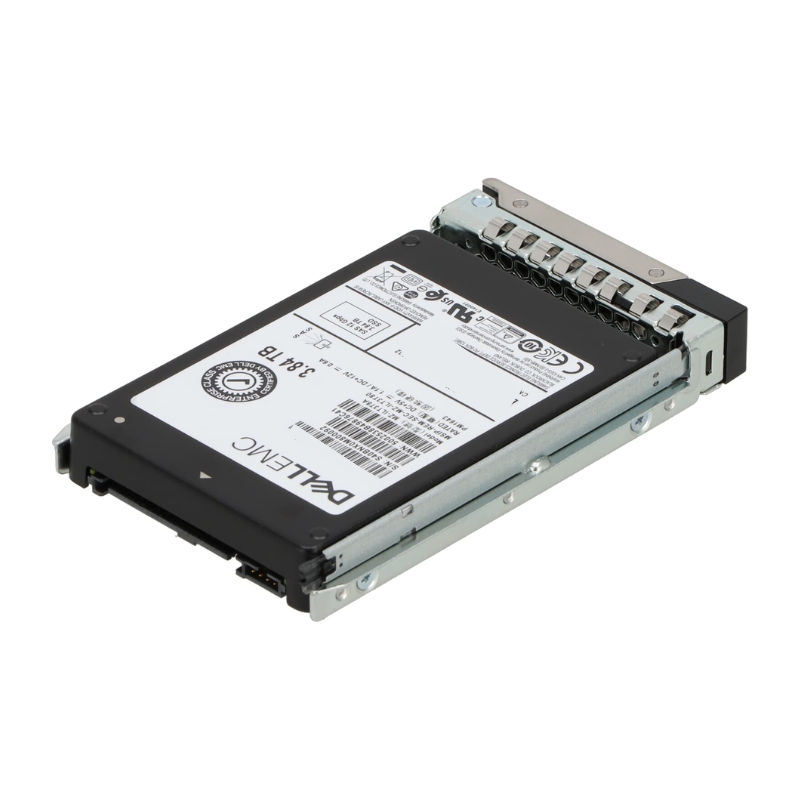
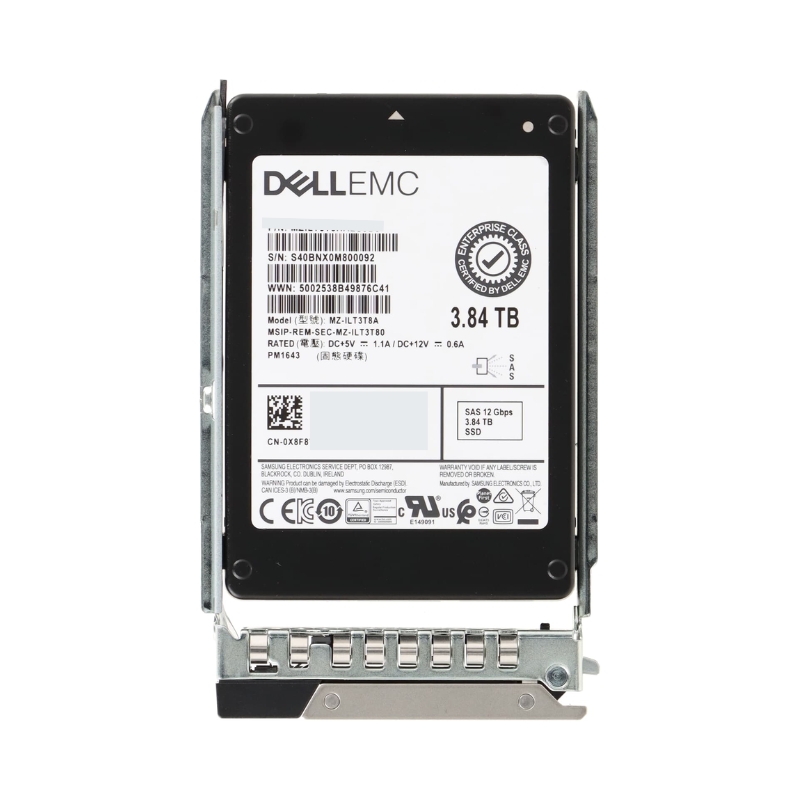
Dell 7WJWT 3.84TB SAS-12GBPS SED FIPS 140-2 Read-Intensive SFF with Compellent tray Enterprise Plus Solid State Drive. Excellent Refurbished with 1 year replacement warranty
The Dell 7WJWT solid-state drive delivers exceptional performance and reliability for enterprise environments requiring secure, read-intensive storage solutions.
This enterprise-grade SSD is engineered to integrate seamlessly with servers supporting 2.5-inch SAS drives, particularly those requiring high-capacity and secure storage modules.
The Dell 7WJWT 3.84TB SAS-12Gbps SED FIPS 140-2 Read-Intensive SFF with Compellent tray sits squarely in the class of enterprise-grade solid state drives designed for sustained, read-heavy workloads where security, compatibility, and predictable performance matter as much as raw capacity. In modern data centers and enterprise storage arrays, storage decisions are driven by workload profiles, service level objectives, regulatory requirements, and total cost of ownership. This SSD category is engineered to map directly to those needs: it provides a small form factor that fits high-density server and storage infrastructure, a SAS-12Gbps interface for low latency and high throughput, self-encrypting drive capabilities validated to FIPS 140-2 standards for regulatory compliance, and the endurance characteristics and firmware features tuned for read-intensive applications. Positioning this drive in a storage strategy means prioritizing secure, reliable, and consistent read response times for applications such as large-scale virtualization, content delivery, analytics query acceleration, metadata stores, and read-cache layers in hybrid arrays.
The combination of SAS-12Gbps interface and small form factor (SFF) design emphasizes enterprise connectivity and space efficiency. SAS at 12 gigabits per second remains the preferred enterprise interconnect when consistent low latency, full-duplex communication, and multi-path redundancy are priorities. The SFF footprint allows higher drive counts per shelf and denser server/storage node configurations, unlocking more IOPS per rack unit and greater effective capacity per data center floor tile. Crucially, this category includes drives that are self-encrypting and certified to FIPS 140-2 level validation. For organizations operating in regulated industries or pursuing best practices for data at rest protection, field-deployable self-encryption simplifies key management integration with enterprise KMS, reduces exposure during drive retirement, and meets audit demands. Together, these engineering choices make the drive suitable for both primary read-heavy tiers and secure cache layers within Compellent and other Dell storage ecosystems.
A read-intensive SSD is engineered with NAND type, over provisioning, and firmware optimized to favor long-term read performance and predictable latency under a heavy read bias. In practice, these drives deliver sustained low latency when serving a high volume of random and sequential reads, reduce read amplification through firmware techniques, and maintain strong read throughput under steady state. Workloads that benefit most include large-scale virtualization where VDI machines constantly issue read requests, content-heavy file and media servers that perform many concurrent reads, large analytical queries hitting cached datasets, and database read replicas where quick, repeatable read response is essential. Because the endurance and wear-leveling parameters are tuned around read dominance rather than write intensity, these drives offer a compelling price-performance ratio for tiers where reads vastly outnumber writes.
The naming of this category explicitly references Compellent tray compatibility, indicating mechanical form factor, tray latch, and firmware interoperability with Dell Compellent arrays and many Dell PowerEdge server backplanes. Compatibility extends beyond simple fit; firmware tested with Compellent ensures that features like SMART reporting, thermal throttling, predictive failure alerts, and secure erase functions are recognized and correctly interpreted by array management software. For customers operating Compellent arrays or Dell storage controllers, using drives designed for that ecosystem reduces integration risk and prevents unsupported drive behavior that can lead to alerts, degraded rebuilds, or suboptimal performance. Administrators should verify array firmware and controller HBA driver versions to ensure full compatibility and unlock features such as array-level encryption key management and predictive servicing.
Read-intensive enterprise SSDs are constructed with NAND and controller strategies that trade some write endurance for cost and capacity while maintaining strong read reliability. Endurance metrics for this category are typically expressed in drive writes per day or total terabytes written over the warranty period, but the practical implication is that these drives excel in environments where writes are comparatively rare or offloaded to separate write-optimized tiers. For lifecycle planning, storage architects should model mixed read/write ratios and projected daily write volumes to confirm that the selected drive class will comfortably meet expected lifespan and warranty thresholds. When deployed in hybrid architectures, offloading heavy write streams to higher-endurance drives or NVMe pools can extend the life and preserve performance of read-intensive SSDs.
In multi-tier storage architectures, the Dell 7WJWT class of drives is well suited as a read cache layer or as a capacity-optimized tier where read demands are high. In a hybrid array, placing these drives behind intelligent tiering algorithms that promote frequently read blocks into the SSD tier yields significantly improved application response times. Caching scenarios leverage the drive’s low latency to serve hot data, while sequential archival workloads remain on higher-capacity rotational media. When configuring arrays, administrators should ensure cache warm-up strategies, cache coherency policies, and eviction algorithms are tuned to workload patterns to avoid cache thrashing and to maximize hit rates. For virtualization clusters, using this drive class for datastore acceleration can reduce VM boot storms and deliver smoother user experiences during scale events.
Compared to NVMe drives, SAS-12Gbps enterprise SEDs trade some latency and raw throughput potential for broader ecosystem compatibility, mature multipath support, and generally simpler integration into existing SANs. NVMe excels in ultra-low latency and parallelism but often requires infrastructure changes and NVMe-over-Fabrics investments. When contrasted with consumer SATA or NVMe SSDs, enterprise SEDs offer superior endurance guarantees, firmware designed for sustained enterprise workloads, and robust power-loss protection and error recovery behavior. Procurement decisions should weigh upgrade costs, software licensing, and downtime windows required to adopt different drive interfaces. For many organizations maintaining large investments in SAS fabric and Dell Compellent or PowerEdge ecosystems, selecting a SAS SED reduces migration friction while delivering significant service level improvements over spinning media.
Migrations to or expansions with this SSD category require validating array firmware, HBA drivers, and storage management suites for full feature compatibility. Pre-deployment validation should include stress testing under representative load, verifying SMART and monitoring telemetry visibility in vendor tools, and confirming that encryption key management integrates with the operational KMS. When replacing rotating drives or older SSD generations with these enterprise SEDs, administrators should plan for staggered rollouts, test rebuild times under degraded scenarios, and measure system behavior during peak windows. Incorporating these drives into change control processes ensures that vendor recommended firmware bundles and array configuration updates are applied in a controlled manner to preserve availability SLAs.
Virtual desktop infrastructure environments benefit markedly from read-optimized SSDs because user sessions frequently generate repetitive reads for operating system images, application binaries, and cached content. Replacing spinning media with read-intensive SEDs reduces boot storms, improves login times, and lowers I/O contention between user workloads. Enterprise applications such as content management systems, search engines, and analytics platforms also experience improved query latency and throughput when their read paths are accelerated by this drive class. For organizations deploying encrypted VDI with regulatory needs, the FIPS 140-2 validation provides an added compliance benefit.


 Contact Us
 Information
 Catalog
 Solid State Drives (SSD)
 Network Switches
 Hard Disk Drives
 HBA & Controllers
 PC & Servers
 PC & Server Memory
 CPU & Processors
 Network Routers
 Power Supplies
 Tape Drives & Libraries
 Network Devices
 Computer & Network Cables