
(7% discount is applied at checkout)
Cart is empty
Your go-to destination for cutting-edge server products
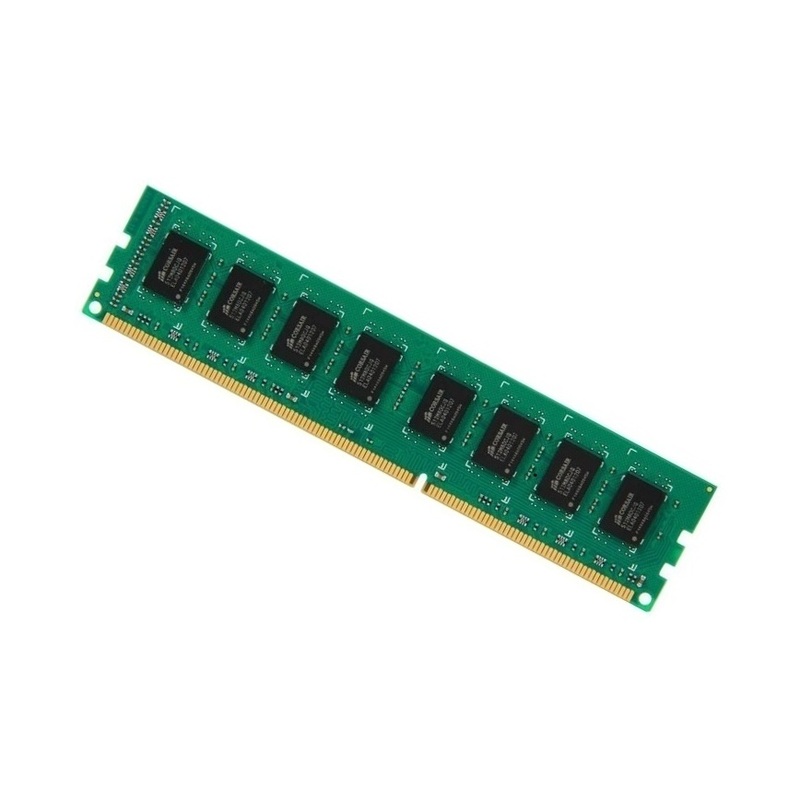
Dell SNPX3R5MC/8G 8GB 1333MHz PC3-10600 240Pin DDR3 ECC Reg SDRAM Ram. New (System) Pull with 1 year replacement warranty - Samsung Version
Overview of the Memory
The SNPX3R5MC/8G Dell 8GB 1333MHz PC3-10600 240-Pin DDR3 ECC Registered SDRAM memory module represents a crucial component category for enterprise-grade computing infrastructure, servers, and professional workstations. Memory modules in this category are engineered specifically for stability, data integrity, and reliable performance under heavy workloads. Organizations that rely on database servers, virtualization environments, analytics platforms, and mission-critical applications frequently depend on ECC registered memory modules like the SNPX3R5MC/8G to ensure uninterrupted performance and consistent system responsiveness.
Supported Dell Workstations
The SNPX3R5MC/8G module belongs to a specialized category of DDR3 server memory designed for enterprise computing platforms. With a capacity of 8GB and an operating speed of 1333MHz, this memory module provides balanced performance suitable for mid-range and high-capacity server configurations.
The PC3-10600 specification refers to the bandwidth capability of the module, delivering up to 10.6GB per second of theoretical data transfer. This bandwidth is essential for workloads involving virtualization, data processing, application hosting, and large-scale database operations. Organizations often deploy multiple modules within a single server to achieve the memory capacity required for modern enterprise workloads.
Registered ECC memory introduces an additional register between the memory controller and the DRAM modules, helping reduce electrical load and improve signal stability. This design enables servers to support larger memory configurations than unbuffered memory modules while maintaining consistent reliability. As a result, the SNPX3R5MC/8G memory category is frequently chosen for servers that require large amounts of RAM and long-term operational stability.
The SNPX3R5MC/8G module provides 8GB of memory capacity per DIMM. This capacity is ideal for scalable server configurations where multiple DIMM slots allow total memory to grow significantly. Many enterprise servers support dozens of memory modules, allowing system administrators to expand capacity into hundreds of gigabytes or more.
Deploying multiple 8GB modules offers flexibility when designing server memory architecture. Administrators can distribute memory evenly across CPU channels, improving performance through balanced memory access and optimized bandwidth utilization.
The 1333MHz speed rating places this module within the DDR3-1333 performance tier, which has historically been one of the most widely adopted standards in enterprise servers. This speed ensures efficient data throughput without generating excessive power consumption or heat.
DDR3-1333 memory provides a reliable balance between performance and energy efficiency, making it suitable for long-running server workloads. Servers operating continuously in data centers benefit from stable performance levels while maintaining manageable thermal output.
The SNPX3R5MC/8G module utilizes a 240-pin DIMM interface designed specifically for DDR3 memory architecture. This interface ensures compatibility with server motherboards that support DDR3 registered ECC memory modules.
The 240-pin design allows secure installation into server memory slots while maintaining proper electrical connectivity. Server-class motherboards include reinforced DIMM sockets that accommodate registered memory modules and support high-capacity configurations.
ECC, or Error-Correcting Code memory, provides a critical layer of protection against data corruption. Unlike standard non-ECC memory, ECC modules contain additional circuitry capable of detecting and correcting certain types of memory errors automatically.
Memory errors can occur due to electrical interference, cosmic radiation, overheating, or component aging. In mission-critical computing environments, even a single bit error can lead to application crashes or corrupted data. ECC memory helps mitigate these risks by identifying and correcting single-bit errors before they impact system operations.
For servers running financial systems, medical applications, scientific simulations, or enterprise databases, ECC memory is considered essential. The SNPX3R5MC/8G module ensures higher reliability by maintaining data integrity across long processing cycles.
Registered memory, also known as buffered memory, includes a register that buffers the control signals between the memory controller and the DRAM chips. This architecture improves signal integrity, especially when large numbers of memory modules are installed.
Without registered buffering, systems may experience instability when too many memory modules are installed due to electrical load on the memory controller. The register helps manage this load, enabling servers to support larger memory capacities.
For enterprise systems with extensive RAM requirements, registered ECC memory provides the stability needed to maintain reliable performance across high-density configurations.
The SNPX3R5MC/8G memory module is designed to be fully compatible with a range of Dell enterprise server platforms and workstations. Dell systems are engineered to operate with certified memory modules that meet strict performance and reliability standards.
Servers commonly compatible with this category of memory include Dell PowerEdge rack servers, tower servers, and blade systems that support DDR3 registered ECC modules. Compatibility ensures that the memory operates at the intended speed and voltage without causing system instability.
When installed in supported Dell systems, the memory module integrates seamlessly with BIOS firmware and system management tools. This integration allows administrators to monitor memory health, detect potential issues, and maintain optimal server performance.
Enterprise computing environments require hardware components capable of operating continuously under heavy workloads. Dell-certified memory modules undergo extensive validation to ensure consistent performance across a wide range of server configurations.
Testing processes evaluate thermal performance, signal integrity, and compatibility with Dell system architectures. These validation procedures help ensure that the memory module performs reliably under demanding conditions such as virtualization clusters or high-transaction database environments.
Memory plays a critical role in determining the overall performance of a server. Dell-optimized memory modules are designed to work efficiently with the system’s chipset and processor architecture, enabling stable operation at rated speeds.
When memory modules operate at their intended frequency and timing parameters, servers can maintain consistent throughput for applications that require rapid data access. Properly matched memory also prevents system throttling or performance degradation.
Enterprise servers often evolve over time as workloads grow. The 8GB capacity of the SNPX3R5MC/8G module allows organizations to gradually expand memory capacity by adding additional modules as needed.
This modular approach provides flexibility when scaling server infrastructure. Businesses can start with smaller configurations and increase memory capacity as application demands grow, avoiding unnecessary upfront hardware investments.
Virtualization environments rely heavily on system memory to host multiple virtual machines simultaneously. Each virtual machine requires its own dedicated memory allocation, making high-capacity server memory essential.
The SNPX3R5MC/8G module is frequently used in virtualization servers running hypervisors such as VMware ESXi, Microsoft Hyper-V, and other enterprise virtualization platforms. By installing multiple modules, administrators can create large memory pools capable of supporting numerous virtual machines.
Database platforms benefit significantly from large memory capacities. When databases can store frequently accessed data in memory rather than retrieving it from disk, query performance improves dramatically.
Enterprise database servers using applications such as SQL Server, Oracle Database, or PostgreSQL often deploy ECC registered memory to ensure both performance and data accuracy. The error correction capability protects database operations from memory-related corruption.
Organizations hosting web applications, enterprise software, or internal services require servers capable of handling large numbers of simultaneous users. Adequate memory ensures that application processes run efficiently without excessive disk swapping.
The 8GB DDR3 ECC module category is frequently used in servers responsible for hosting business applications, internal portals, and customer-facing services.
DDR3 memory technology introduced several improvements in energy efficiency compared to earlier DDR2 modules. Lower operating voltage and improved power management allow DDR3 modules to operate with reduced energy consumption.
Energy efficiency is particularly important in data center environments where hundreds or thousands of servers operate simultaneously. Reducing power consumption helps lower operational costs and minimize cooling requirements.
Thermal management is another critical factor in server memory design. Registered ECC memory modules are engineered to maintain stable temperatures during continuous operation. Proper airflow within server chassis ensures that heat generated by memory modules dissipates effectively, preventing thermal throttling or hardware degradation.
Installing DDR3 ECC registered memory modules requires attention to system compatibility and proper configuration. Server administrators typically follow manufacturer guidelines regarding DIMM slot population order to ensure optimal performance.
Memory modules should be installed in matched configurations across memory channels whenever possible. Balanced memory placement helps maximize bandwidth and ensures the processor can access memory efficiently.
Before installation, it is important to verify that the server firmware supports the specific memory module configuration. Updating BIOS and system firmware can help ensure proper recognition and performance optimization.
Although newer memory technologies such as DDR4 and DDR5 have entered the enterprise market, DDR3 ECC registered memory continues to play a significant role in existing server infrastructure. Many organizations operate stable and reliable server platforms that still utilize DDR3 architecture.
Upgrading memory capacity within these systems remains a cost-effective way to extend server lifespan and improve performance without replacing entire hardware platforms. The SNPX3R5MC/8G module category supports these upgrade strategies by providing dependable memory expansion options for DDR3-based Dell servers.
By expanding memory capacity, businesses can improve application performance, support additional workloads, and extend the operational life of existing hardware investments.


 Contact Us
 Information
 Catalog
 Solid State Drives (SSD)
 Network Switches
 Hard Disk Drives
 HBA & Controllers
 PC & Servers
 PC & Server Memory
 CPU & Processors
 Network Routers
 Power Supplies
 Tape Drives & Libraries
 Network Devices
 Computer & Network Cables