(7% discount is applied at checkout)
Cart is empty
Your go-to destination for cutting-edge server products
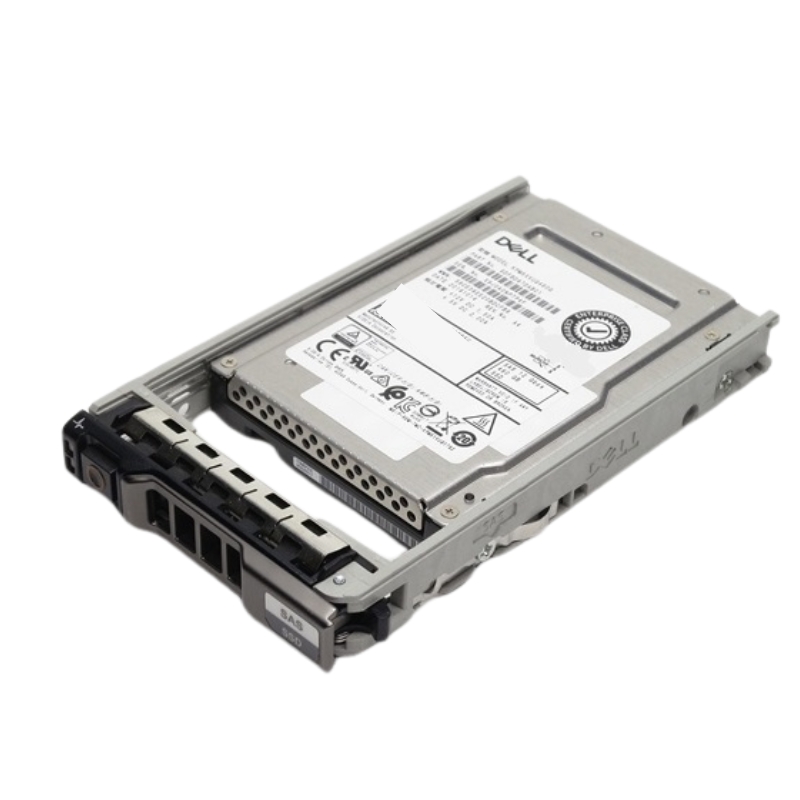


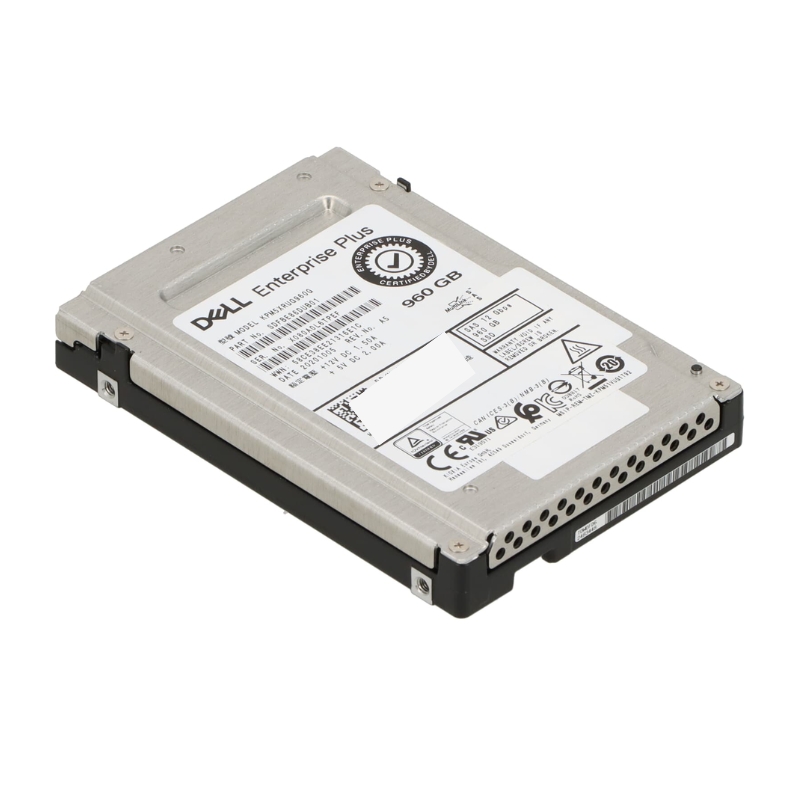
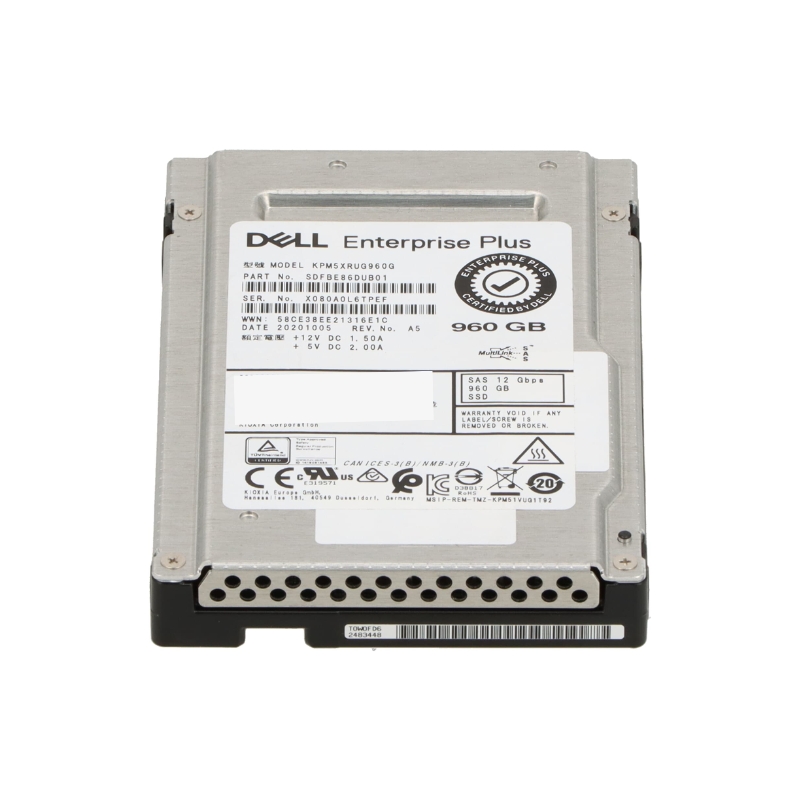
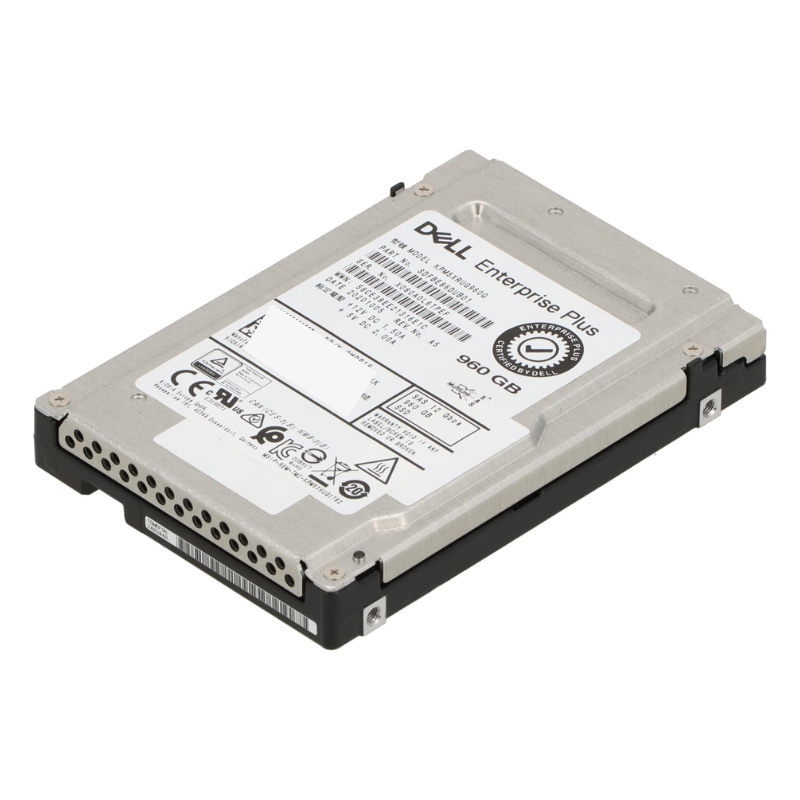
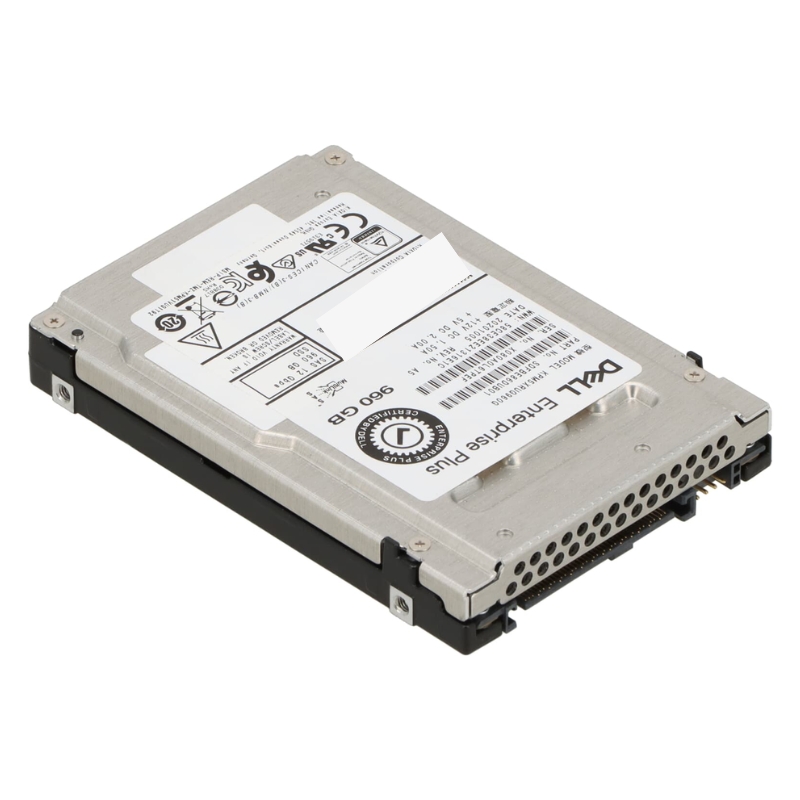
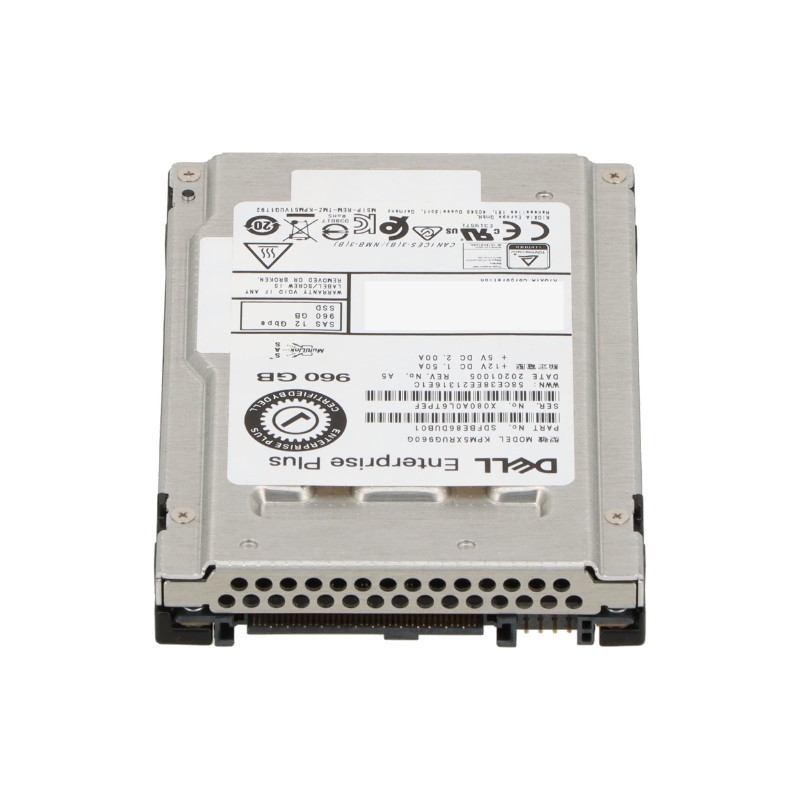
Dell 8JJN7 960GB SAS-12GBPS Read Intensive 512e SFF Form Factor Hot-Plug with tray for 14G Server SSD. Excellent Refurbished with 1 year replacement warranty
The Dell 8JJN7 960GB SAS-12Gbps Read Intensive 512e SFF hot-plug SSD category represents a focused selection of enterprise-class solid state drives engineered for read-dominant workloads in modern data center environments. This category centers on the specific combination of interface, capacity, sector format, form factor, and server compatibility that enterprise buyers and systems integrators seek when optimizing Dell PowerEdge 14th generation platforms for responsiveness, density, and long-term serviceability. Products in this category are characterized by the SAS 12Gbps interface which provides robust throughput and compatibility with SAS backplanes, a 960GB usable capacity tier that balances cost-per-gigabyte against high-performance cache and read caching duties, and the 512e logical block structure preferred for many legacy and modern storage stacks. The small form factor (SFF) 2.5-inch design and hot-plug tray enable straightforward insertion and replacement in 14G server chassis running critical applications.
Read intensive drives are tuned and rated for workloads where read operations dominate write activity. In operational terms, these SSDs deliver sustained low-latency read performance suitable for high-concurrency scenarios such as virtual desktop infrastructure (VDI), content delivery, web serving, analytics query caches, and read-heavy database indexes. The 12Gbps SAS interface reduces command latency and accommodates enterprise SAS expanders and backplanes, preserving the full benefit of the drive’s internal NAND behavior and controller optimizations. Expect high IOPS for random reads, strong sequential read throughput, and firmware that prioritizes consistent response times under high queue depths. Although these drives are read-optimized, they still include sufficient write endurance to support metadata updates, log commits, and system-level writes typical of server environments.
Latency is the metric that most directly impacts perceived performance at the application layer. Drives in this category aim to deliver single-digit to low-double-digit microsecond read latencies under typical loads, which translates into snappy database index lookups and fast boot times for VMs. Measured IOPS at realistic queue depths will reflect enterprise-grade controller architecture and the SAS 12Gbps physical link. Sustained throughput for large-block sequential reads is valuable when moving large datasets between nodes or when performing backup and restore tasks from local media. The design intent is to keep tail latencies predictable, a requirement for multi-tenant environments and latency-sensitive tiers in hybrid applications.
The 2.5-inch SFF form factor is the de facto standard for modern rack servers, providing an excellent balance between storage density and thermal characteristics. The hot-plug tray included with drives in this category simplifies field replacement: technicians can remove a failed or aging drive and insert a replacement without powering down the server, minimizing maintenance windows and preserving availability for production workloads. Tray designs for Dell PowerEdge 14G chassis align with the vendor’s front-loading architecture, ensuring correct mechanical fit, latch engagement, and backplane alignment. Alongside the mechanical advantages, hot-plug capability allows for safe insertion and removal while preserving backplane and SAS expander integrity when combined with the server’s drive activity LED and controller fault indicators.
Choosing how to populate drive bays across a server fleet affects redundancy, I/O aggregation, and cooling. In practice, administrators often mix read-intensive SSDs with higher-endurance or write-optimized drives to create hybrid tiers inside the same chassis or enclosures. Population strategies include dedicating a bank of SFF slots to read-intensive SSDs for caching and index roles, or distributing them across blade or rack units to balance I/O hotspots. Thermal mapping and airflow planning are especially important with dense SFF populations; while SSDs dissipate less heat than spinning media, properly staged rows and unobstructed airflow across the backplane improve longevity and reduce throttling risk during sustained heavy reads.
Unlike native 4K sector drives (4Kn), 512e drives emulate 512-byte logical sectors while physically using 4096-byte blocks on NAND. This 512e arrangement preserves compatibility with legacy operating systems, older RAID controllers, and certain software licensing schemes that assume 512-byte sectors without requiring changes to host-side configurations. For enterprise customers migrating older workloads to new hardware or maintaining mixed OS environments, 512e provides a pragmatic bridge. Additionally, many storage stacks and hypervisors still maintain optimized pathways for 512-byte logical sectors, and 512e drives avoid the alignment pitfalls that can impede unoptimized deployments.
The category emphasizes plug-and-play compatibility with Dell PowerEdge 14G-class servers and their corresponding SAS backplanes and RAID controllers. While the physical interface and tray mechanics ensure mechanical compatibility, achieving predictable behavior requires up-to-date firmware on both the host controller and the SSD. Firmware updates from Dell or the drive manufacturer can improve drive interoperability, address microcode bugs, and optimize performance for specific controller platforms. When integrating into a fleet, plan firmware maintenance windows to coordinate controller and drive updates, leveraging Dell’s OpenManage or vendor-supplied tools to orchestrate and validate firmware revision levels.
These SSDs work with common hardware RAID controllers and HBA configurations typical in 14G servers. While RAID remains a cornerstone of data redundancy, SSDs’ deterministic performance requires adjusted rebuild strategies and careful selection of RAID levels. For read-intensive workloads, mirrored or RAID-10 configurations often provide the best balance of read throughput and resilience. It is equally important to configure RAID controller cache settings and battery-backed or flash-backed write cache appropriately so metadata writes are protected while preserving read acceleration benefits provided by the SSDs.
Read-heavy enterprise workloads benefit most from drives in this category. Virtual desktop infrastructure implementations use these SSDs for storing many small, frequently-read boot images and user profiles. Database systems that rely on read-dominant workloads—such as analytics clusters, OLAP engines, and reporting databases—can leverage a pool of 960GB SAS SSDs to house indexes and read caches, significantly accelerating query response times. Content delivery nodes and web caches exploit the low-latency random read characteristics to serve frequently requested assets faster than spinning disks. Hybrid storage tiers that combine read-intensive SSDs and high-capacity HDDs often use these SSDs as a front-end cache to improve the overall throughput of archival or capacity tiers.
In clustered virtualization deployments, consolidating virtual machines or container images on read-optimized SSD pools reduces boot storms and accelerates snapshot cloning operations. Density-aware administrators can increase the number of concurrent lightweight VMs hosted per physical node while keeping responsiveness high. Container registries, image layers, and read-heavy artifact repositories also benefit by reducing pull times and internal network traffic when shorn of slower backend storage constraints.
Business intelligence platforms, search indexes, and graph analytics rely heavily on repeated reads of structured indexes and inverted lists. Using 960GB read-optimized SSDs for the active index set minimizes query latency and enables higher concurrency for analytics-heavy applications. The combination of SAS 12Gbps bandwidth and low-latency reads allows more aggressive caching policies at the application layer, reducing the need for complex distributed caching solutions in some architectures.
SSD power draw per drive is typically lower than mechanical disks, but high-density SFF arrays amplify cumulative thermal output. Proper rack airflow, unobstructed front-to-back cooling, and attention to drive blanking panels when bays are empty are important for maintaining optimal operating temperatures. Many SSDs implement thermal throttling to protect NAND health, which can reduce throughput under extreme thermal stress. Designing for consistent airflow across populated bays, and avoiding mixed populations that produce unpredictable thermal zones, helps maintain consistent performance and extends service life.


 Contact Us
 Information
 Catalog
 Solid State Drives (SSD)
 Network Switches
 Hard Disk Drives
 HBA & Controllers
 PC & Servers
 PC & Server Memory
 CPU & Processors
 Network Routers
 Power Supplies
 Tape Drives & Libraries
 Network Devices
 Computer & Network Cables