(7% discount is applied at checkout)
Cart is empty
Your go-to destination for cutting-edge server products
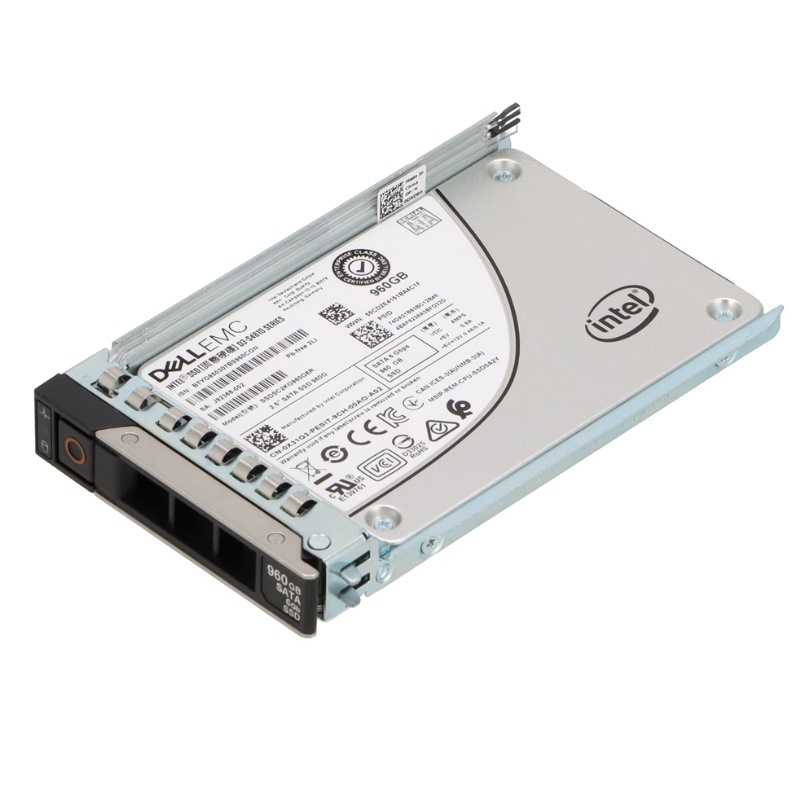


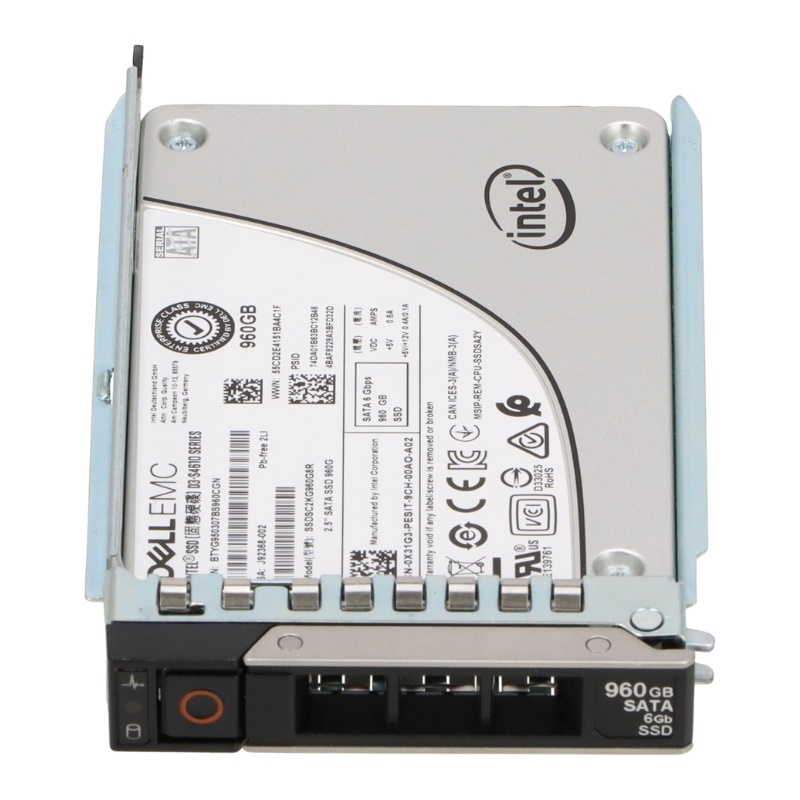
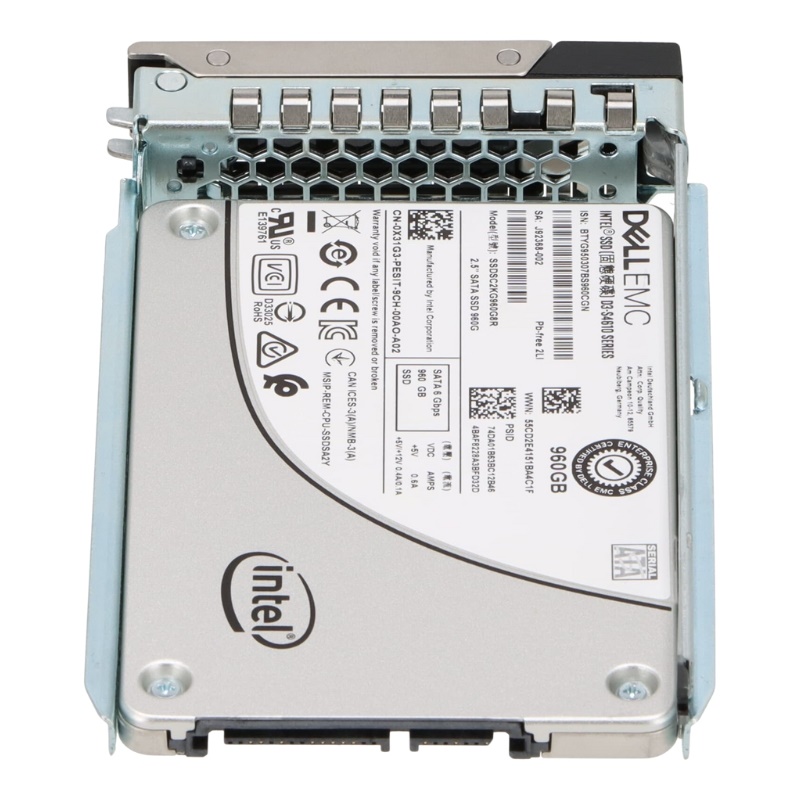
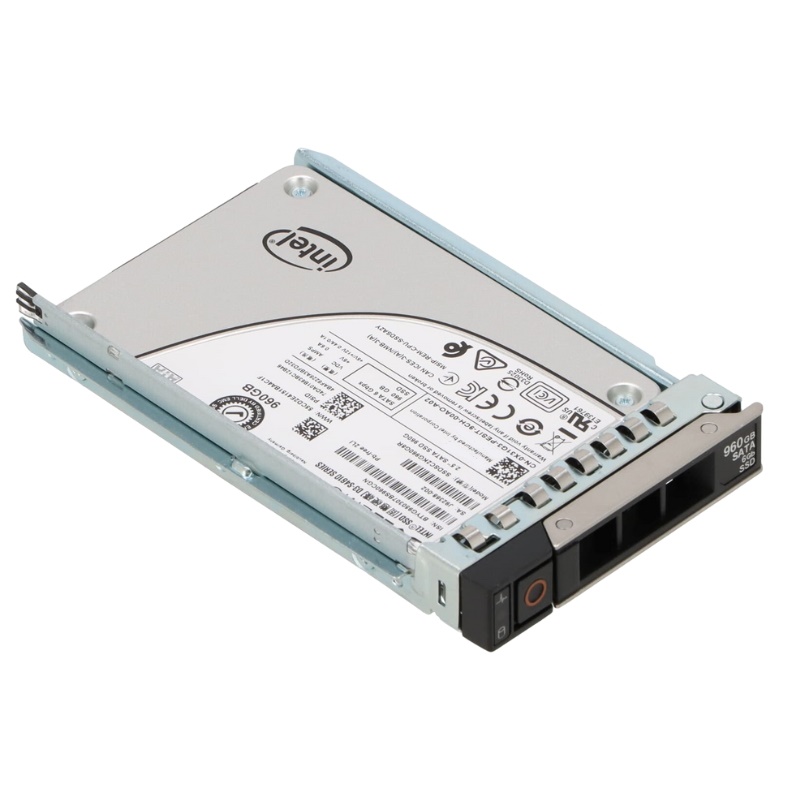
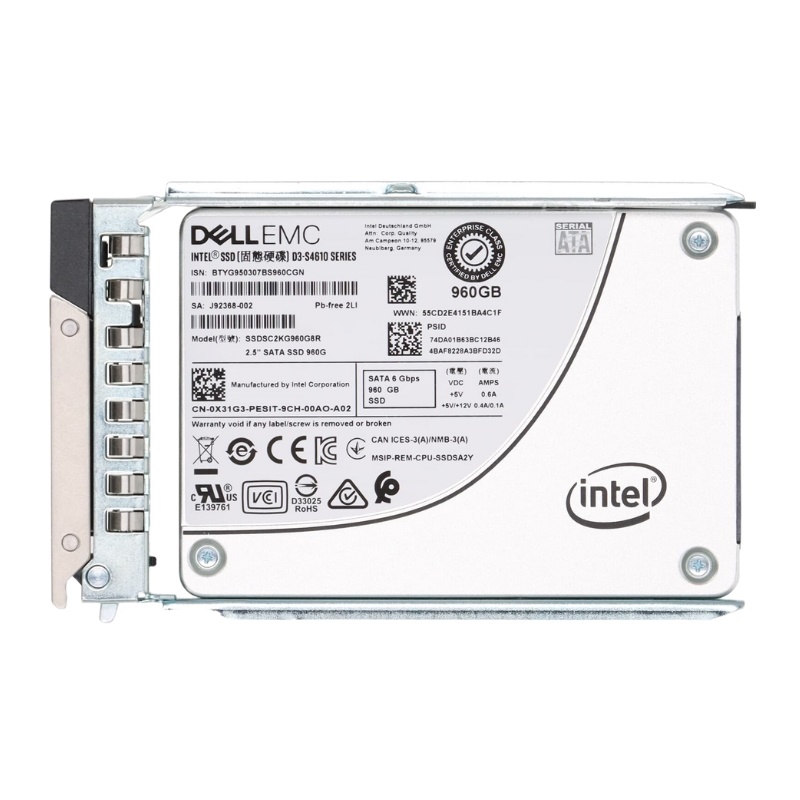
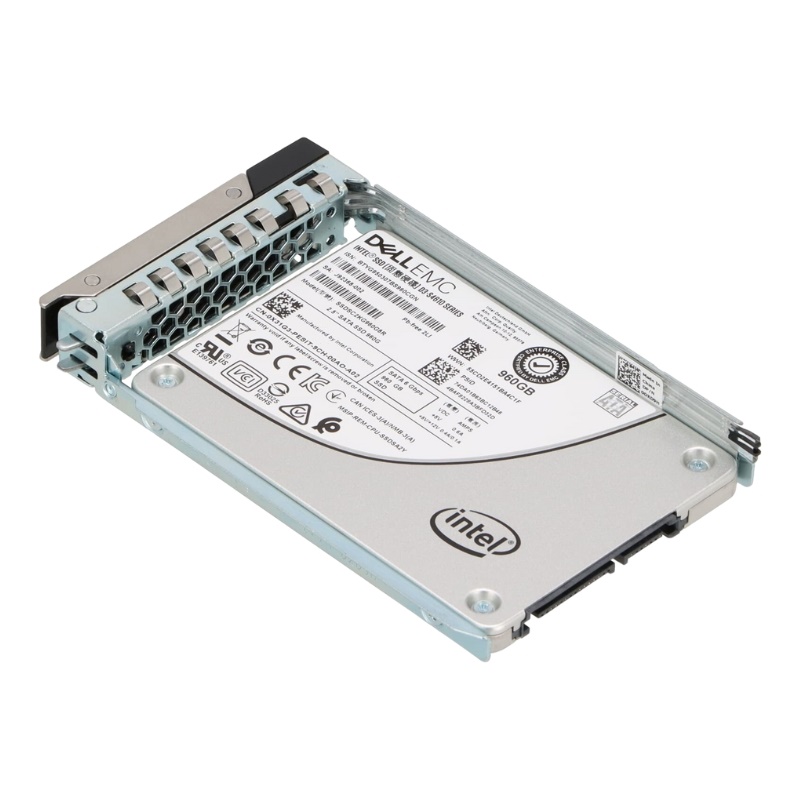
Dell 8M3KJ 960GB SATA-6GBPS Mixed-Use 512e SFF Internal for Poweredge Server Solid State Drive. Excellent Refurbished with 1 year replacement warranty
The Dell 8M3KJ 960GB SATA-6GBPS Mixed-Use 512e SFF Internal Solid State Drive sits within a focused category of enterprise server storage optimized for PowerEdge systems and similar rack and blade servers. This category targets administrators and IT architects who need a dependable balance of performance, predictability, and endurance. Drives in this family are engineered around a SATA 6.0 Gbps interface, small form factor packaging, and mixed-use endurance characteristics that make them suitable for both read-heavy and write-moderate server workloads. The 512e sector emulation is an important detail that affects compatibility with legacy systems and specific RAID controller behaviors. The category is defined by a combination of enterprise-grade firmware, sustained performance under mixed workloads, compatibility with server management systems, and support policies and warranties that reflect deployment in production datacenter environments.
Small Form Factor packaging is central to this class of drives. The SFF design enables dense storage arrays within 1U, 2U, and blade chassis commonly deployed in enterprise datacenters. Physical size and connector placement follow established server drive bay standards, which simplifies hot-swap replacement and standardizes rack maintenance procedures. Because the Dell 8M3KJ SSD is intended for internal use inside PowerEdge servers, its tray, latch, and firmware handshake have been validated to work with Dell’s chassis and backplane architectures, minimizing the risk of bay recognition issues during boot or deployment. The mechanical and electrical compliance of SFF drives also helps maintain airflow patterns within the server, which is critical for thermal management at scale.
The SATA-6GBPS interface (commonly referred to as SATA III) is ubiquitous across server and workstation platforms and provides a reliable, standardized channel for data transfers. While NVMe and PCIe have become popular for high-performance use cases, SATA 6.0 Gbps remains a practical option for many enterprise workloads where cost-per-gigabyte, backwards compatibility, and predictable latency are prioritized. In mixed-use configurations, SATA 6.0 Gbps offers adequate bandwidth for typical database caching, virtual machine boot volumes, and read/write caching tiers. The protocol’s mature command set and broad driver support reduce integration friction, and enterprise SATA drives like the Dell 8M3KJ include firmware optimizations that shape command queuing, NCQ behavior, and background housekeeping to maintain consistent throughput under heavy mixed I/O patterns.
The 960GB capacity sits in a sweet spot for many enterprise tasks: it provides significant usable space while remaining cost-effective compared to larger capacity enterprise SSDs. Many deployments use 960GB drives as OS or application volumes for virtualized hosts, as cache or metadata devices in storage arrays, and as smaller data volumes where space and cost must be balanced with performance. The 512e designation indicates that the drive emulates 512-byte logical sectors while the physical sectors are arranged as 4KB pages. This emulation maintains compatibility with legacy operating systems, hypervisors, and RAID controllers that expect 512-byte sector reporting while benefiting from the efficiency of 4K internal page sizes. For administrators migrating older server fleets or integrating heterogeneous systems, 512e reduces the need to reformat or reconfigure software stacks that assume 512-byte sectors.
Mixed-use SSDs are engineered to tolerate a balanced ratio of reads and writes and typically provide higher write endurance than read-optimized consumer drives. Enterprise mixed-use drives undergo lifecycle validation that simulates the I/O patterns typical of database applications, virtual desktop infrastructure, and transactional workloads. Endurance metrics are expressed in drive writes per day (DWPD), total terabytes written (TBW), or program/erase (P/E) cycle ratings for the NAND flash. The firmware implements wear leveling, thermal throttling, and over-provisioning management to extend usable life and maintain predictable performance as the drive approaches its endurance limits. For datacenter procurement, selecting a mixed-use drive like the 8M3KJ 960GB means expecting consistent results across a broad set of application profiles without overpaying for the highest endurance tier intended for heavy write logging or archival tasks.
Enterprise-class firmware is a core differentiator in this segment. The firmware on Dell-branded server SSDs is tuned to preserve data integrity under power anomalies, to cooperate properly with RAID controllers during rebuilds, and to minimize background latency spikes that can affect virtual machine responsiveness. Advanced error correction mechanisms, such as multi-bit ECC schemes, and robust bad-block management are used to detect and correct deteriorating cells, remap failing blocks, and maintain consistent logical-to-physical mapping. Additional features may include power-loss protection logic—either via firmware or integrated capacitive discharge support on the drive PCB—that ensures in-flight data and mapping tables are safely committed to NAND in the event of sudden power loss. SMART telemetry and vendor-specific health metrics help administrators monitor wear, temperature, and error rates using server management tools and storage monitoring suites.
Compatibility with Dell PowerEdge systems is a primary selling point for this category. Drives labeled for PowerEdge are often cataloged by part number and validated across multiple generations of server platforms and RAID controllers. Compatibility testing includes validation of drive presence detection, secure erase and firmware update processes, hot-swap behavior, LED and fault reporting through the iDRAC or chassis management, and orderly handling during RAID array rebuilds and firmware upgrades. Using an OEM-validated drive reduces the risk of unsupported behavior and streamlines support interactions, particularly where warranties and replacement programs are tied to validated hardware lists.
When deployed in RAID arrays, mixed-use SATA SSDs provide predictable rebuild times and steady-state performance that is important for enterprise availability. RAID rebuild characteristics depend on factors such as RAID level, controller cache, stripe size, and the presence of mixed-drive types in the array. In enterprise deployments, administrators often configure RAID controllers to use features like write-back cache with battery or non-volatile cache protection, which improves write throughput while the underlying SSDs handle the raw data durability. Understanding how the 512e sector emulation interacts with RAID alignment and stripe boundaries is critical; proper partition alignment to 4K boundaries reduces read-modify-write overhead and preserves performance. In large arrays, thermal and power budgets must also be considered, as multiple SSDs in close proximity can collectively increase chassis temperatures and influence controller throttling policies.
Managing firmware across many drives is a routine operational task in enterprise environments. Firmware updates can deliver performance improvements, fix interoperability issues, and address security vulnerabilities. For drives intended for PowerEdge servers, firmware packages are often distributed through OEM channels and can be applied via iDRAC, lifecycle controller, or offline packages. Administrators should adopt staged update strategies, test updates in isolated environments before wide rollout, and account for potential drive re-initialization times. Lifecycle processes should also include drive retirement policies based on cumulative writes, SMART thresholds, or predictive failures recommended by monitoring tools to maintain array reliability and avoid unscheduled downtime.
Performance for SATA mixed-use SSDs is typically described across several axes: sequential throughput for large contiguous transfers, random IOPS for small-block operations, and latency profiles for both reads and writes. Mixed-use drives are optimized for balanced performance rather than peak sequential throughput. This means that in typical server roles — such as virtual machine storage, database caching, or medium-intensity transactional workloads — these drives deliver low latency and consistent IOPS across sustained periods. The SATA interface imposes a ceiling on raw throughput relative to PCIe NVMe alternatives, but for many workloads the limiting factor is not the interface but the drive’s internal architecture, firmware policies, and the application’s I/O mix. Administrators should profile workloads to understand whether a mixed-use SATA SSD is the right fit or whether NVMe or higher-endurance drives would yield better return on investment.
Thermal characteristics matter in dense server deployments. SSDs consume less power than equivalent spinning media, but multiple drives and adjacent components create localized hotspots. Drives in this category include thermal throttling algorithms that reduce performance to preserve endurance and prevent overheating when temperatures approach critical thresholds. Proper data center airflow, fan policies, and chassis design help maintain temperatures within the optimal range for sustained performance. In some cases, administrators will throttle workloads at the orchestration level, schedule heavy I/O windows during cooler periods, or design storage tiers to distribute sustained I/O across more devices to avoid throttling-induced performance degradation.
Security is a priority in enterprise storage. Many server-oriented SSDs support standards such as TCG Opal for self-encrypting drive functionality and secure erase commands to sanitize media before redeployment. Hardware encryption helps offload cryptographic operations from the host CPU and provides a secure way to protect data at rest when combined with key management solutions. Compliance-conscious organizations can integrate hardware encryption with their key lifecycle policies to meet regulatory requirements for data protection. Additionally, operational procedures for secure decommissioning, chain-of-custody, and end-of-life data destruction should be established to complement drive-level features.
This class of drives is particularly well suited to several deployment scenarios. For hyperconverged infrastructures hosting dozens or hundreds of virtual machines, the drives provide a cost-effective local storage tier for operating systems and smaller application volumes. For database caching, where read acceleration and predictable writes are required, mixed-use SSDs offer consistent latency and durability. Edge servers and remote office infrastructures benefit from the balance of capacity and endurance these SSDs provide, avoiding the expense of highest-endurance flash while delivering large capacity in a server-friendly form factor. Finally, as boot or cache devices in larger arrays, they accelerate system responsiveness without requiring a change to the existing SATA infrastructure.
When comparing mixed-use SATA SSDs to other storage classes, several trade-offs emerge. Consumer SATA SSDs will deliver higher capacity at lower cost but lack the endurance, firmware robustness, and validation expected in server environments. NVMe PCIe drives provide markedly higher throughput and lower latency, making them the preferred choice for ultra-low-latency databases and analytics workloads, but they come at a premium and may require platform upgrades. High-endurance enterprise drives are designed for heavy write cycles and logging and are appropriate where intense write workloads are the dominant factor. The 8M3KJ 960GB mixed-use SATA SSD occupies a sensible middle ground: better suited for mixed workloads than consumer-grade media and more cost-effective than the fastest NVMe options for many routine server roles.
Environmental compliance and energy efficiency are growing considerations in datacenter procurement. SSDs generally have lower power draw than spinning media, decreasing energy costs and cooling requirements, but administrators should still evaluate power-per-IOPS and idle power metrics when designing large clusters. Regulatory compliance regarding hazardous materials and electronic waste disposal should be observed when decommissioning drives; many vendors provide take-back programs to facilitate secure and environmentally responsible disposal. Additionally, organizations with strict data sovereignty or compliance obligations must ensure that cryptographic key management and secure erase procedures comply with their regulatory frameworks.


 Contact Us
 Information
 Catalog
 Solid State Drives (SSD)
 Network Switches
 Hard Disk Drives
 HBA & Controllers
 PC & Servers
 PC & Server Memory
 CPU & Processors
 Network Routers
 Power Supplies
 Tape Drives & Libraries
 Network Devices
 Computer & Network Cables