(7% discount is applied at checkout)
Cart is empty
Your go-to destination for cutting-edge server products
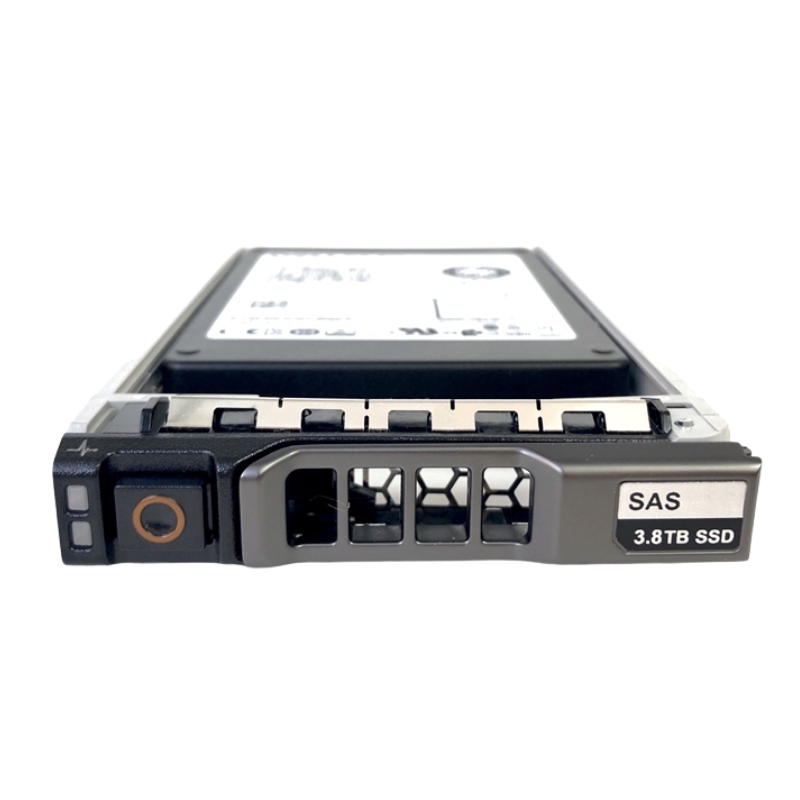


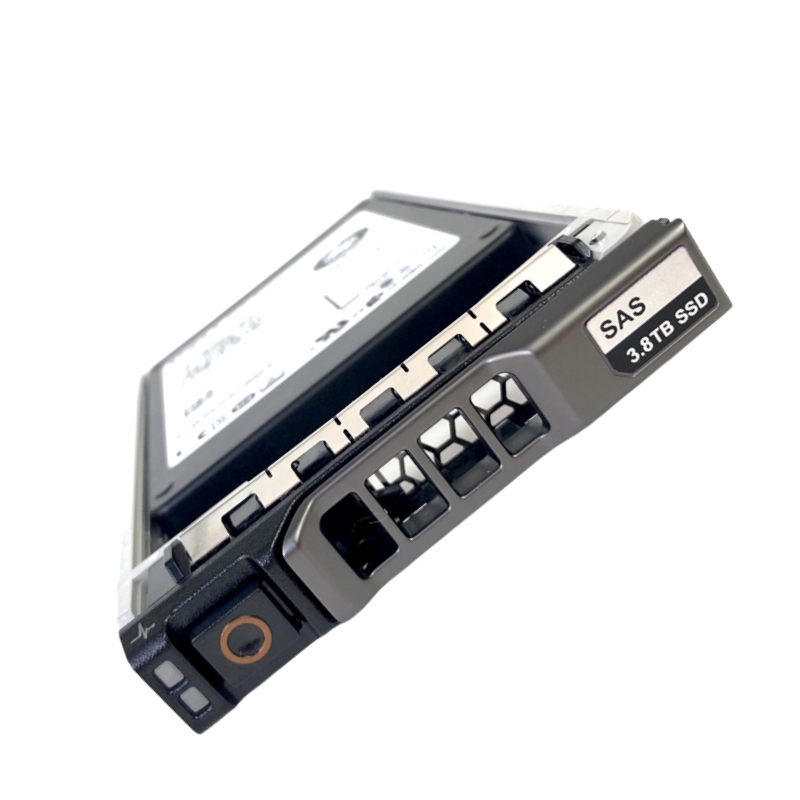
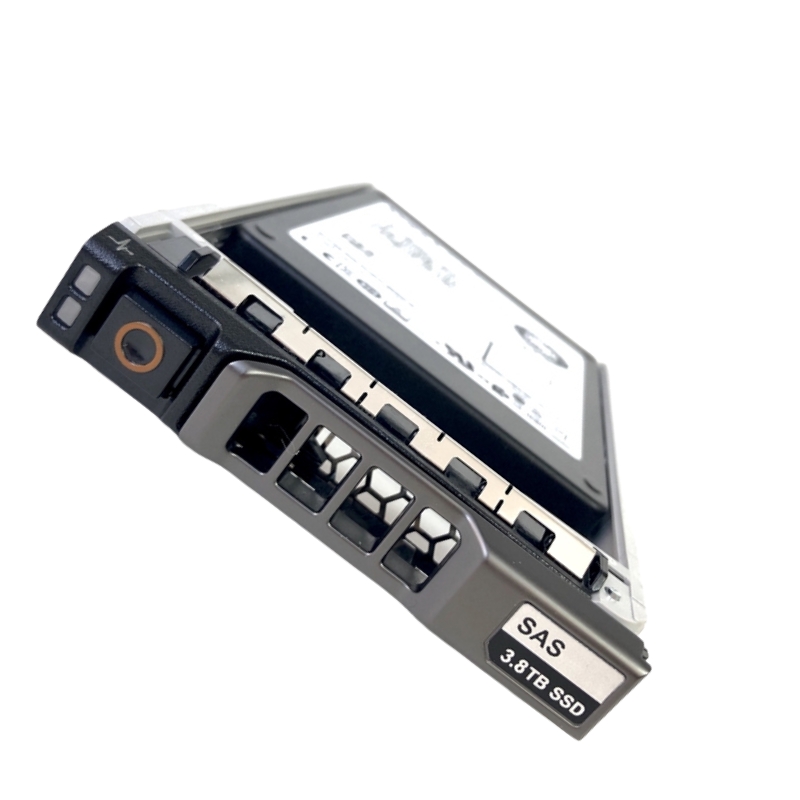
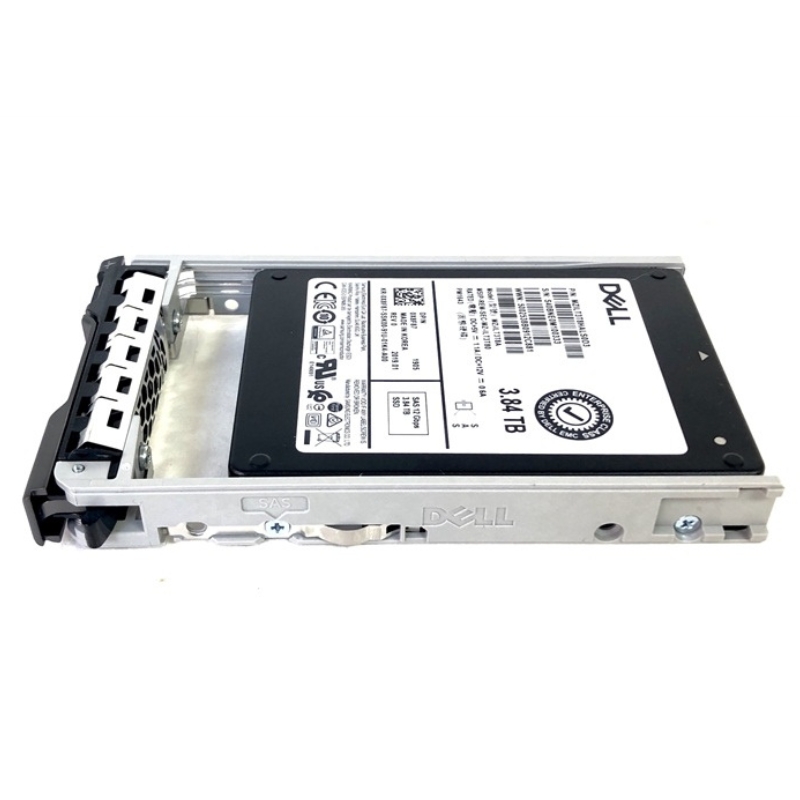
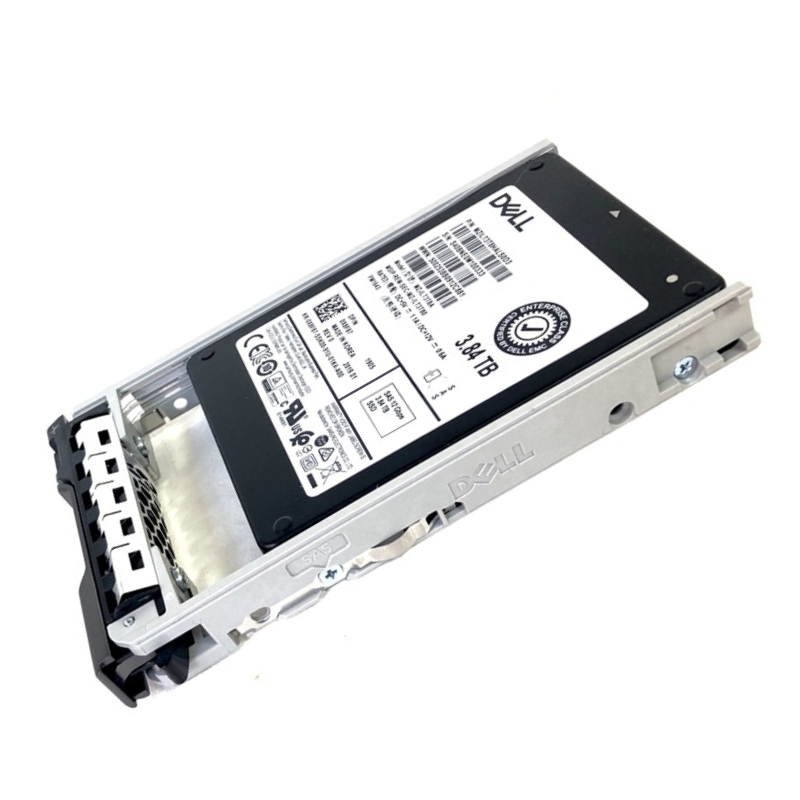
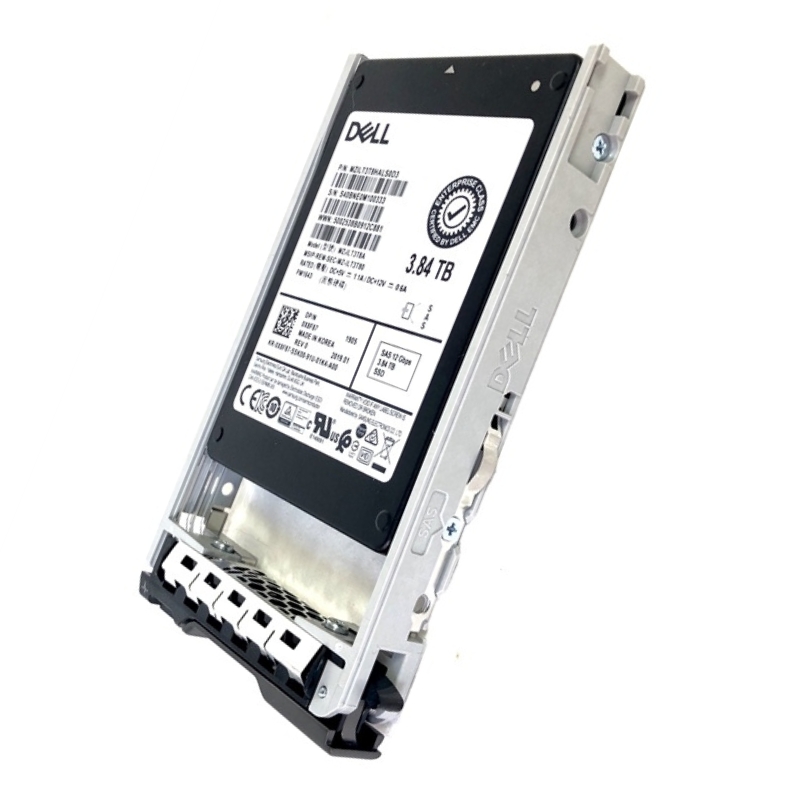
Dell 8WV6J 3.84TB SAS-12GBPS Read-Intensive 512e SFF Hot-Plug SCV2020/SCV3020/SCV4020 for Compellent Solid State Drive. Excellent Refurbished with 1 year replacement warranty
The Dell 8WV6J 3.84TB SAS-12GBPS read-intensive 512e SFF hot-plug solid state drive for Compellent arrays embodies an enterprise-class blend of endurance, consistent low-latency performance, and compatibility tailored to SCV2020, SCV3020, and SCV4020 storage enclosures. Designed as a drop-in upgrade for existing Dell Compellent systems, this SSD uses the 12 Gbps SAS interface to deliver predictable throughput for read-heavy workloads while preserving the small form factor required by dense storage trays. The 512e sector format ensures backward compatibility with systems and controllers expecting 512-byte emulation while providing the efficiency and capacity advantages of 4K-native NAND under the hood. As a read-intensive drive with 3.84TB capacity, the 8WV6J is optimized for database index files, virtual desktop infrastructure read caches, backup staging, media streaming, and large-scale content delivery, where predictable reads and consistent quality of service matter more than ultra-high random write endurance. Its hot-pluggable design simplifies field replacement and expansion, enabling administrators to scale storage capacity without system downtime and to service drives within populated SCV series enclosures.
At the core of the Dell 8WV6J SSD is the 12 Gbps Serial Attached SCSI interface. SAS-12Gbps provides a robust transport with enterprise-level features such as end-to-end data protection, full-duplex operation, and multi-pathing support when connected behind enterprise-class controllers. The SAS interface minimizes bottlenecks when the storage array services many simultaneous hosts or during bursty read workloads typical of analytics and virtualized environments. Read-intensive SSDs like this model are characterized by firmware tuned to prioritize read throughput and read latency under mixed I/O scenarios; predictable IOPS and latency are emphasized so database queries, metadata reads, streaming sessions, and search operations return results predictably. The 512e logical sector format maintains compatibility with controllers and operating systems expecting 512-byte sectors but maps those logical sectors onto 4K physical pages internally, which helps with storage efficiency and wear leveling. For administrators seeking to optimize response times in Compellent deployments, using 12 Gbps SAS read-intensive SSDs can significantly reduce read latency compared with spinning media, while avoiding the higher cost-per-GB of write-intensive enterprise SSDs.
Latency consistency is a primary selling point of enterprise SSDs used in read-heavy roles. The Dell 8WV6J SSD uses controller firmware and NAND management algorithms that smooth out response time variance across concurrent read streams, reducing tail latencies that can cause slow-running queries or application stalls. In practice, this translates to more reliable application-level performance for virtual machines, web servers, and caching layers running on SCV2020/3020/4020 arrays. Quality-of-service (QoS) is maintained through predictable queue depths, command prioritization, and native SAS features that enable the array controller to manage I/O distribution effectively. For mixed workload environments that still skew towards reads, this drive offers a strong balance: significantly better read IOPS and latency over HDDs while avoiding the cost premium of the highest-endurance SSD classes.
The small form factor (SFF) 2.5-inch housing and hot-plug interface of the Dell 8WV6J SSD are designed to meet the mechanical and electrical expectations of Dell Compellent storage systems. The hot-pluggable tray allows field service technicians to replace or add drives without powering down the enclosure, which preserves service continuity for multi-tenant and production-critical deployments. Physically, the drive adheres to enterprise tray specifications used in SCV2020, SCV3020, and SCV4020 arrays, ensuring that drive carriers, locking mechanisms, and backplane align properly. This physical compatibility reduces the risk of mis-insertion and ensures that drive presence detection, status LED feedback, and firmware update mechanisms behave as expected within the Compellent management ecosystem. Because the drive is offered as a purpose-built Dell part number, it also carries the advantage of being recognized by Dell management software for warranty tracking, proactive monitoring, and compatibility checks during firmware updates or support interactions.
Compatibility with Dell Compellent SCV series arrays is a distinguishing feature for customers who manage SCV2020, SCV3020, or SCV4020 platforms. These arrays use a modular architecture that supports heterogeneous drive mixes, tiering policies, and policy-driven automation that migrates data between tiers based on hotness, latency sensitivity, and capacity needs. The 3.84TB read-intensive SSD is an ideal candidate for an upper or mid-tier cache tier, providing high-speed access for frequently read blocks. When integrated into Compellent systems, the drive is recognized by the array’s management plane for tiering algorithms, enabling policies to place hot objects on SSD tiers while colder data resides on high-capacity spinning disks. Because Dell typically validates firmware bundles and drive models for each SCV generation, deploying the 8WV6J drive in an SCV2020/3020/4020 preserves monitored telemetry, firmware management, and vendor-backed interoperability that is critical for enterprise SLAs.
Understanding the technical characteristics of the Dell 8WV6J SSD helps architects plan capacity and performance. The 3.84TB usable capacity in a 2.5-inch SFF package maps to the typical enterprise NAND configuration using multi-level cell or triple-level cell NAND with controller-level wear management. The drive exposes a 512e logical sector layout, presenting 512-byte sectors to the host while mapping to 4KB physical pages internally. This sector emulation is important for legacy operating systems and storage stacks that expect 512-byte sectors. The device implements SAS-12Gbps signaling, supporting the enterprise SCSI command set with features such as persistent reservations and advanced error reporting. End-to-end data protection mechanisms and on-board ECC (error correction code) ensure bit-level integrity, while over-provisioning and wear-leveling algorithms extend the drive’s usable lifetime under read-heavy scenarios. Typical enterprise SSD spec sheets list endurance in drive writes per day (DWPD) and mean time between failures (MTBF); the read-intensive classification indicates optimized firmware for high read-to-write ratios and endurance ratings calibrated for workload profiles where reads dominate.
NAND flash memory requires careful management to maintain performance and longevity. The 512e sector format used by the Dell 8WV6J requires the drive controller to align logical writes to physical 4KB pages. Controller firmware implements write amplification mitigation, background garbage collection, and dynamic over-provisioning to maintain steady I/O rates. In read-intensive workloads, fewer large sequential writes and more random reads reduce wear, allowing the drive to provide sustained performance over its warranty period. The controller also uses metadata journaling and flash translation layers to ensure that addressed pages remain consistent during power events and while running background maintenance. For storage architects, understanding these internal mechanics helps when assigning drives to workload tiers and predicting lifetime costs at scale.
The Dell 8WV6J read-intensive SSD is most compelling in environments where read performance, density, and compatibility are prioritized. In virtual desktop infrastructure (VDI) environments, these drives can significantly reduce boot storms and login latency by serving as a high-speed read tier for golden images and linked clones. For database systems with read-heavy query patterns — for example, large analytics tables, OLAP cubes, or read-only replicas — the predictable performance of SAS-12Gbps SSDs reduces query response times and improves concurrency. Media streaming and content distribution applications benefit from the drive’s ability to deliver sustained read throughput to many concurrent clients. Backup and restore workflows can also take advantage of read-intensive SSDs to stage deduplication indices, accelerate catalog queries, and speed up recovery testing. In hybrid arrays that combine SSD tiers with high-capacity HDD tiers, these drives provide an efficient way to accelerate hot data while keeping overall storage costs manageable.
Comparing the Dell 8WV6J with other enterprise storage options involves weighing capacity, endurance, interface, and vendor support. Versus spinning media, the SSD delivers dramatic improvements in latency and IOPS for random reads while occupying the same drive bay footprint. When compared to write-intensive SSDs, the 8WV6J typically offers a more attractive price-per-gigabyte while retaining sufficient endurance for read-heavy tiers. Procurement decisions should factor in total cost of ownership, including power consumption, cooling, rebuild time risks, and support entitlements. For organizations standardized on Dell Compellent arrays, choosing Dell-validated part numbers simplifies support and lifecycle management, reducing integration risk and shortening time-to-resolution with vendor support teams. When evaluating alternatives, consider matching drive endurance to workload profile and ensuring that chosen drives are included in validated HCLs for the target enclosure generation.


 Contact Us
 Information
 Catalog
 Solid State Drives (SSD)
 Network Switches
 Hard Disk Drives
 HBA & Controllers
 PC & Servers
 PC & Server Memory
 CPU & Processors
 Network Routers
 Power Supplies
 Tape Drives & Libraries
 Network Devices
 Computer & Network Cables